What Actually Drives the Price of Solid Wood Furniture? A Singapore Buyer’s Guide to Bar Cabinets
Solid wood furniture is often sold as a simple material story: solid timber, honest construction and a finish that should last for decades. That description is true, but it does not explain why one solid wood bar cabinet in Singapore may cost S$1,600 while another with a similar-looking front costs S$3,800. The gap usually sits in details that are difficult to photograph—wood species, board construction, joinery, hardware, drawer travel, finish preparation, dimensions and the cost of getting a heavy item through an HDB lift or condo corridor.
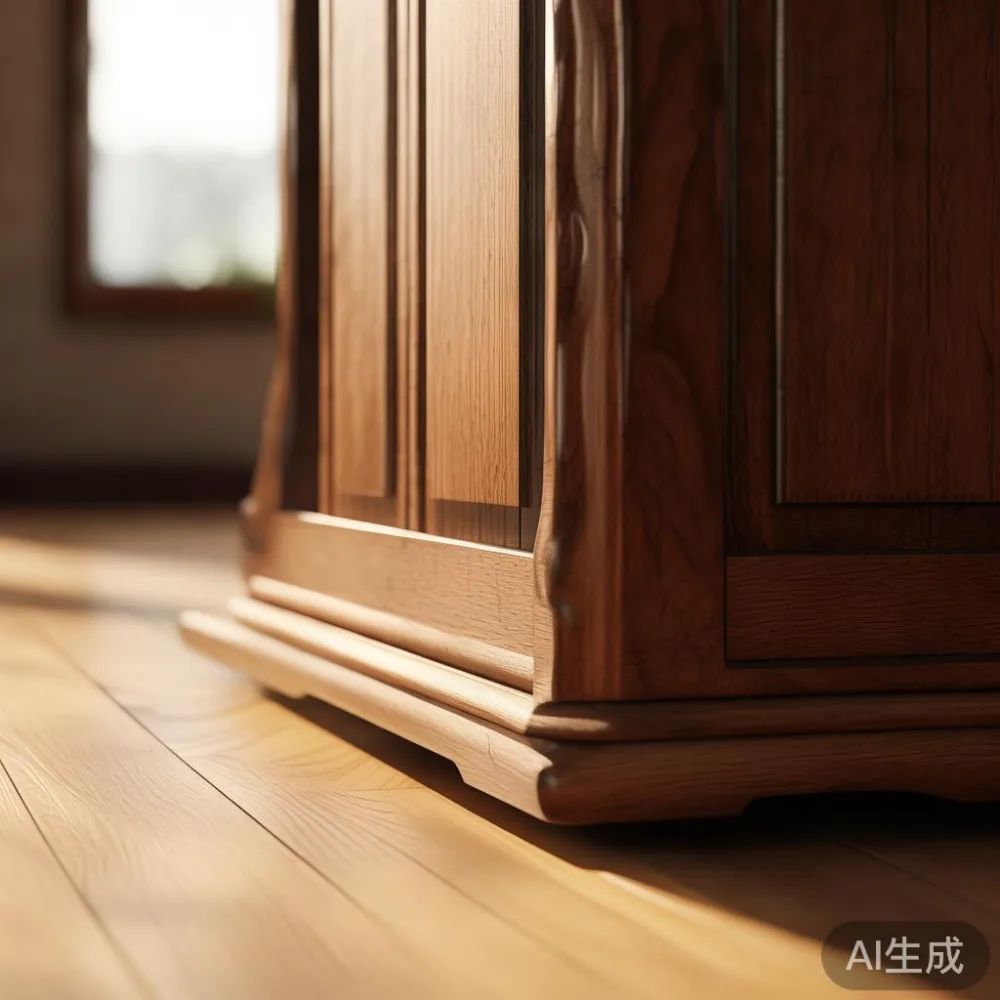
For homeowners furnishing Tampines, Bedok or Punggol, those practical details matter as much as appearance. A 180 cm bar cabinet may fit visually in a dining room yet exceed the usable turning radius of a common HDB lift. An oversized package can trigger extra delivery charges even when the furniture itself is attractively priced. GST, installation and removal of packaging can also change the final figure.
This guide examines what actually drives the price of solid wood furniture, using bar cabinets as the main example. It also explains how to compare a solid wood sofa, bed frame, dining table, wardrobe, nightstand or marble table without reducing quality to one misleading label.
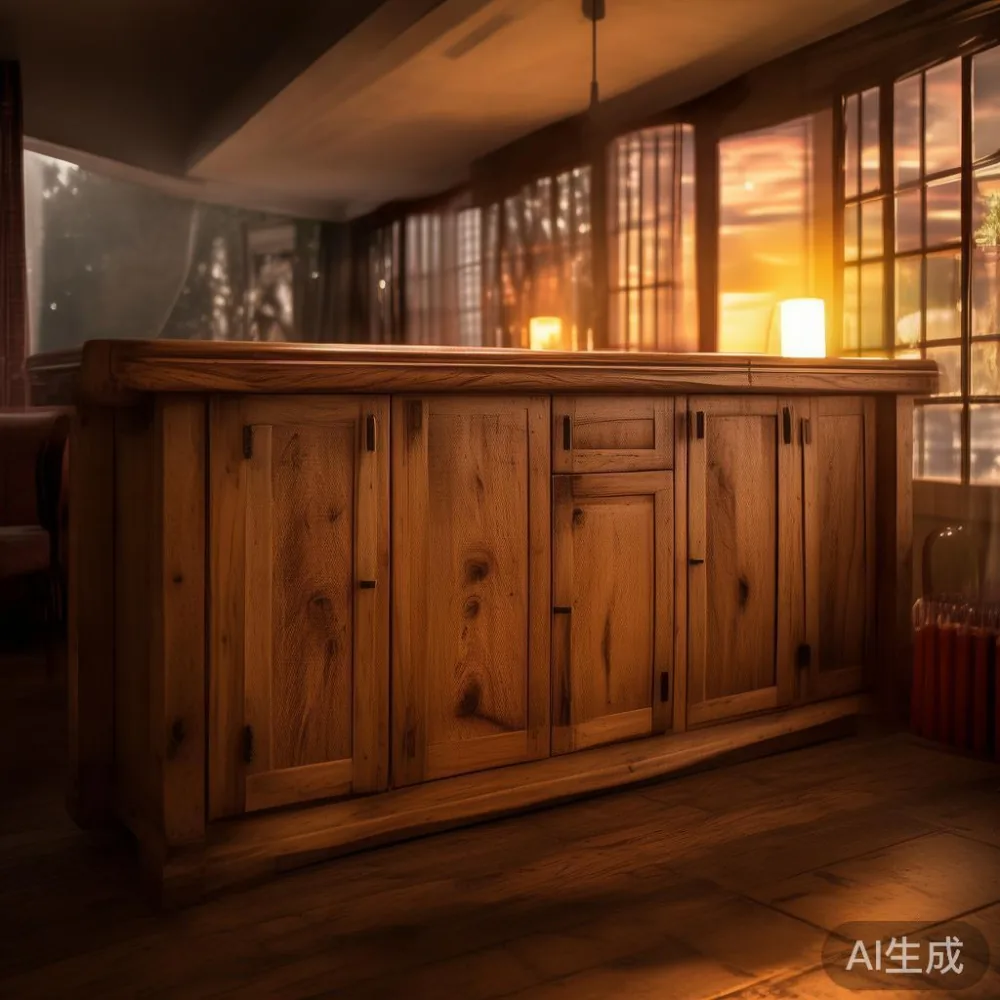
What material should you pay for in a solid wood bar cabinet?
The phrase “solid wood” can describe different parts of a bar cabinet. Some pieces are made mainly from solid boards, while others use solid wood for visible faces and engineered wood for hidden panels or cabinet backs. Neither construction is automatically poor; suitability and pricing should be judged part by part.
Wood species strongly affects cost because supply, drying time, machining and waste vary. Common Asian hardwoods and plantation woods are often more affordable than scarce North American or European species. The species alone does not determine durability, however. A well-built cabinet in a stable wood can serve a family for 15 years or more, while a poorly dried piece in an expensive timber can warp within 3 years.
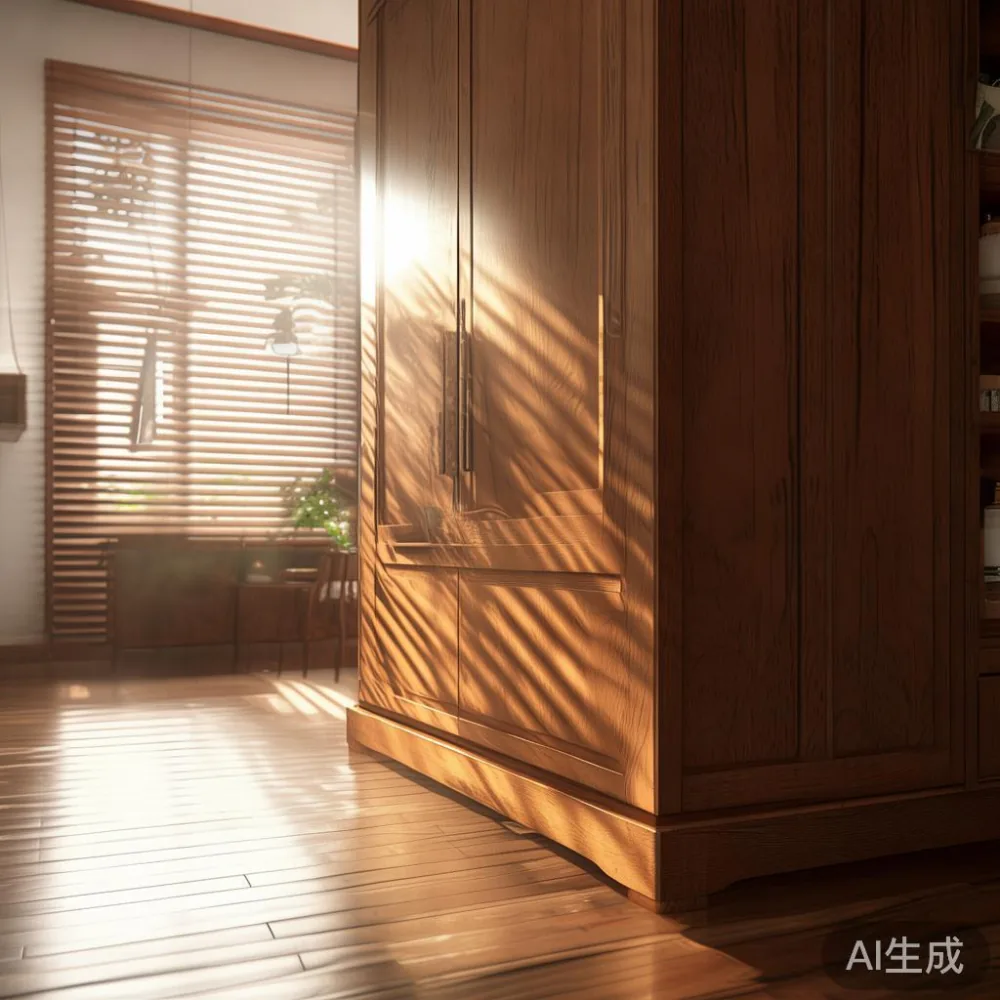
Look for clear information about every panel. Ask whether the doors, side panels, shelves and back are solid wood or plywood, and what thickness is used. For a bar cabinet intended to hold bottles, glassware and small appliances, the shelves should have suitable span support. A 160–180 cm cabinet may also benefit from a centre support rather than one long unsupported shelf.
Construction explains another large share of the price. Dowelled or mortise-and-tenon joints require more machining and skilled assembly than basic screw-and-cam construction. Hand-finished edges, aligned grain patterns and precisely fitted drawers take additional time. Machine-assisted production can still produce excellent work, but it usually reduces the hours spent on refining joints, surfaces and edges.
That distinction becomes obvious when you compare a designer French provincial furniture bar cabinet with a simpler cottage-style unit. The former may use carved details, shaped mouldings, panelled doors and a more involved finish sequence. The price gap can reflect labour and detail even when both products are described as solid wood.
Does solid wood furniture cost more because it is heavy?
Weight is closely linked to price, but it is not the same as quality. A solid wood bar cabinet may weigh 85–140 kg depending on its size, species and construction. Shipping that mass from Foshan to Singapore adds freight, handling and local delivery costs. It also creates a practical problem: the cabinet must fit through the lift door, into the lift car and along the corridor.
A standard HDB lift door is commonly about 90 cm wide and 210 cm high, though individual blocks and service lifts differ. A 200 cm-wide bar cabinet may need to be brought in vertically, diagonally or partially disassembled. If the cabinet cannot enter without damaging it, the delivery team may decline the installation or quote a crane or specialist moving service. Always measure the lift car’s internal width and depth, not only the doorway.
Condo corridors add another layer. A package can fit the lift but encounter a 110–140 cm corridor turn, a tight fire door or a parking-bay route. For residents in Bedok or Tampines, provide the unit number, block, floor and delivery restrictions at order stage. Photos of the route can prevent a delivery-day problem.
Last month I visited a customer’s Punggol home during a bar cabinet delivery. The unit was a 170 cm solid wood model with a 72 cm body depth and a total weight of about 96 kg. The lift was usable, but the trolley had to approach at an angle because the lobby turned sharply. The delivery crew removed the cabinet’s plinth, protected the lift walls and completed the job in 38 minutes. This was routine work, but it showed why delivery access belongs in the furniture budget—not as an afterthought.
Some sellers offer free furniture delivery above a stated threshold, while threshold shipping can exclude stairs, remote areas and extra installation. Confirm the full landed cost in Singapore dollars, including GST where applicable. For local purchases, the displayed price may already include GST; imported direct-shipping quotations may not. Always request an itemised written total.
How much should the joinery, drawers and hardware explain?
Price differences become clearer when you inspect the moving parts. A bar cabinet usually contains 2–6 drawers, 2–4 doors and adjustable shelves. The hardware budget can include soft-close hinges, full-extension drawer runners, adjustable shelf pins and reinforced door frames. A cabinet with 4 soft-close drawers and 6 premium hinges can reasonably cost more than one fitted with basic hinges and static shelf supports.
Drawer construction deserves a hands-on check. Look at the sides, bottom and back of a drawer, then open and close it several times. Good runners move in a controlled, quiet way and remain level when loaded. The visible gap between drawer fronts should be even, usually around 2–3 mm. Poorly fitted runners are not merely cosmetic: they can pull a front out of alignment, and a heavy drawer may scrape the cabinet body.
Back panels deserve attention too. A recessed solid wood back may look refined but takes more time to fit. A thinner plywood back installed in a groove can be stable, lighter and less expensive. In a humid Singapore environment, all panels should be properly sealed on all edges. Ask about moisture content and the finish system rather than accepting a vague claim of “waterproof”.
Finish can add hundreds of dollars because preparation is labour-intensive. An open-pore oil or matte hardwax treatment highlights grain and feels natural, while a high-gloss lacquer creates a smooth, reflective surface but requires more sanding and polishing. A light-luxury finish often relies on restrained sheen, clean edges and carefully balanced colour rather than heavy ornament. French light luxury, American light luxury and post-modern light luxury can all suit a bar cabinet; they should not be used as substitutes for construction information.
Is a solid wood bar cabinet worth paying S$3,000 when S$1,500 options exist?
Neither price proves quality. The more useful question is what the two cabinets have in common and where they differ. Compare identical dimensions, wood species, thickness, drawer hardware, back construction, finish type and warranty. If a S$1,500 piece has 18 mm solid wood sides, a basic ply back and conventional hinges, it may offer excellent value. A S$3,000 cabinet with more refined joinery, shaped doors, premium runners and a tougher finish may justify its price for frequent daily use.
Dimensions also change the cost materially. Moving from a 120 cm to a 180 cm bar cabinet increases the amount of timber, the number of joints and often the reinforcement needed. Adding a 35–45 cm marble table top to the budget can add another S$400–S$1,500 depending on marble type, edge treatment and support structure. Stone is durable and visually cool, but it is heavy enough to influence both the cabinet design and delivery method.
For a complete room, the same logic applies across categories. A solid wood sofa price depends on the frame, suspension, foam density and upholstery. A bed frame may cost more because of a slatted base, stronger posts and a carefully finished headboard. A dining table price reflects top thickness, extension mechanics and joinery. A wardrobe cost depends on internal modules and door hardware, while a nightstand may appear inexpensive until drawer and hinge specifications are compared.
MIDHILL’s approach is relevant here because price should be connected to production capability rather than hidden behind a single “premium” label. The company was established in 2008, exports to more than 15 countries and backs furniture with a 10-year structural warranty. Its lifetime refinishing policy also changes the long-term economics: buyers can restore the surface instead of replacing an entire piece after years of use. These commitments have value, but compare them with the actual product specification.
What are people asking when they compare solid wood and marble furniture?
A frequent question concerns durability. Solid wood can move slightly as humidity changes, while marble offers strong resistance to scratching and heat but can chip at an edge or crack if struck. Neither material suits every use. A sealed solid wood dining table is practical for family meals; a marble table may be preferred for a formal dining room or bar cabinet display if the weight is acceptable.
Another question is whether furniture must be one species throughout. A mixed construction can make better use of material. Solid wood can be used for visible and highly loaded sections, while plywood can be used for a stable, lighter back. The key is disclosure: know which parts are engineered, their thickness and the grade of the board. Low-grade particleboard used as a hidden panel is not comparable to high-density plywood or durable MDF.
Buyers also search for design benchmarks. Searches for the top 10 French provincial furniture frequently lead to rooms filled with cream colours, carved edges and warm timber, but style labels can obscure construction differences. The same applies when looking under 2000 Boho furniture in Singapore dollars. The listed price may cover a flat-pack nightstand but not a solid wood bed frame, or a small dining table but not delivery into a high-rise block.
Use the style term as a visual filter, then examine the physical product. A French bed vs Italian light luxury bed comparison often comes down to ornament, silhouette and finish, not a difference in service life. A lightly panelled French design may show more grain, while an Italian-inspired profile may use cleaner lines and sharper edges.
For bedroom inspiration, how to style European light luxury bed in bedroom is usually answered with pale textiles, warm lamps and uncluttered wall colours. Before styling, verify that the bed frame’s centre rail, slats and support legs are designed for the mattress and use. A frame can look European while offering poor support for a heavier mattress.
How should a Singapore buyer compare warranties and delivery?
A warranty is valuable only if its scope is clear. A 10-year structural warranty may cover certain frame or joinery failures, while finish, electrical components in fitted bar cabinets, accidental damage and commercial use may be excluded. Check the claim process, replacement terms and whether the original purchaser must provide proof of purchase. “Lifetime refinishing” should also specify what service is included, which defects qualify and whether return freight is covered.
Returns are another part of the true price. A 14-day return period allows time to inspect the furniture indoors, but bulky solid wood products may attract collection, packaging or restocking charges. Confirm who pays if the cabinet arrives damaged, who arranges removal, and whether a refund includes delivery. Photograph the furniture and packaging on arrival before signing the delivery record.
Lead time matters too. A made-to-order bar cabinet may require 30–60 days for production, followed by roughly 7–14 days for international transit and local delivery. Stock pieces may arrive faster. Add a buffer of 3–7 days around weekends, building access restrictions and peak periods suchash December and January. Singapore’s GST is normally 9%, so an imported quotation should state whether the displayed amount is tax-inclusive.
Delivery should be planned as a service, not just a truck booking. Lift dimensions, floor level, parking distance, staircases and narrow turns all affect the quote. A free-shipping offer over a stated dollar threshold can still be the sensible choice for a heavier item, but verify the exclusions. For furniture above 100 kg, confirm whether the crew carries it to the door, places it in the room and assembles it, or leaves it at the lift lobby.
What specifications deserve the most attention before checkout?
Begin with a drawing and a list, not a finish photograph. Record the width, depth and height; the usable interior dimensions; and the space needed to open the doors and drawers. For a bar cabinet, allow at least 90–110 cm of standing clearance if people will use it as a serving station. Check whether wall outlets, display lighting or an air-conditioner vent constrains the position.
Next, request a material schedule. It should identify the wood species or types, panel thickness, veneer or plywood use, hardware brands, back-panel construction, finish type and drawer suspension. Ask for the outside dimensions and packed weight of each bar cabinet, since these figures affect both selection and access.
Then assess the furniture in person if possible. Open every drawer, inspect the underside, look at end-grain edges and feel the finish. For online orders, request close photographs in daylight and a sample or swatch if available. Confirm tolerances: solid timber can move with humidity, so small gaps or seasonal movement do not necessarily indicate defective construction.
Design references are useful when discussing a look, but they should lead to measurable choices. If you are assessing how to choose Mid-century modern bed, examine the tapered legs, clean silhouette, slat spacing and frame reinforcement rather than relying on the style label alone. If you want designer French provincial furniture, look for consistent carving, aligned panels and controlled finish transitions.
Finally, compare the complete commercial terms. A product sheet should show the Singapore dollar price, GST treatment, production time, estimated delivery window, access charges, return conditions and warranty coverage. The lowest initial price may require extra stairs, assembly or collection services; the highest may include long-term refinishing and stronger after-sales support. The fairest comparison is total ownership cost over 10 years, not one invoice line.
Where does the money actually go?
For a solid wood bar cabinet, a simplified price breakdown might allocate 25–40% to timber and boards, 15–30% to machining and joinery, 8–18% to hardware, 8–20% to finishing, 8–15% to packaging and freight, and 5–12% to service and warranty administration. These ranges are indicative rather than universal, but they demonstrate why identical appearances can carry very different prices.
Material cost rises when the maker selects wide, well-matched boards with fewer defects. Joinery becomes more expensive as machining time and rejection rates increase. Hardware costs depend on load ratings and brand rather than appearance alone. Finish labour can double when a piece moves from five preparation coats to a more demanding multi-stage process. Freight increases with volumetric size and weight, and a bar cabinet’s rectangular packaging can occupy substantial cargo space even before the wooden pallet or carton is added.
Light luxury should be understood as proportion and restraint, not extravagance. A well-proportioned 160 cm bar cabinet with 20 mm sides, precise joints and quiet drawer runners can feel more luxurious than a larger unit with fussy carving and uneven gaps. The reference points for top 10 French provincial furniture are useful for palette and mood, while a post-modern light luxury bar cabinet can use cleaner geometry and subtle contrast. In both cases, quality is visible in the relationships between lines, materials and proportions.
Singapore conditions make local service especially important. Humidity around 70–85% can affect untreated wood, so responsible sealing and ventilation matter. Freight damage needs a clear remedy. A 10-year structural warranty is reassuring, but the exact exclusions and response time should be known before purchase. Lifetime refinishing can extend the useful life of a cabinet and reduce replacement pressure in compact HDB homes.
Price is therefore not a single number attached to “solid wood”. It is the combined result of raw material, drying and machining, construction, hardware, finish, logistics, installation and long-term care. A sound bar cabinet, bed frame, dining table, wardrobe, nightstand or marble table should make those components legible. When the specification is clear and the delivered terms are fair, the price becomes much easier to judge—and the furniture is far easier to live with for years rather than seasons.