Matching Solid Wood Furniture to a Warm Minimal Interior
Last month I visited a friend's new 4-room HDB BTO in Punggol and watched her struggle with a single decision: should the dining table match the floor, the sofa, or nothing at all? She had warm-toned engineered oak planks laid across a 32 sqm living room, a low-pile rug in oat beige, and a single window facing the afternoon sun. The space felt calm but bare. Within ten minutes of placing a 180 cm solid oak dining table against the wall, the room developed a centre of gravity — and she stopped second-guessing everything else. That visit is the reason I keep telling homeowners in Tampines, Bedok, and Punggol the same thing: in a warm minimal interior, you match the furniture to the temperature of the room, not to a catalogue.
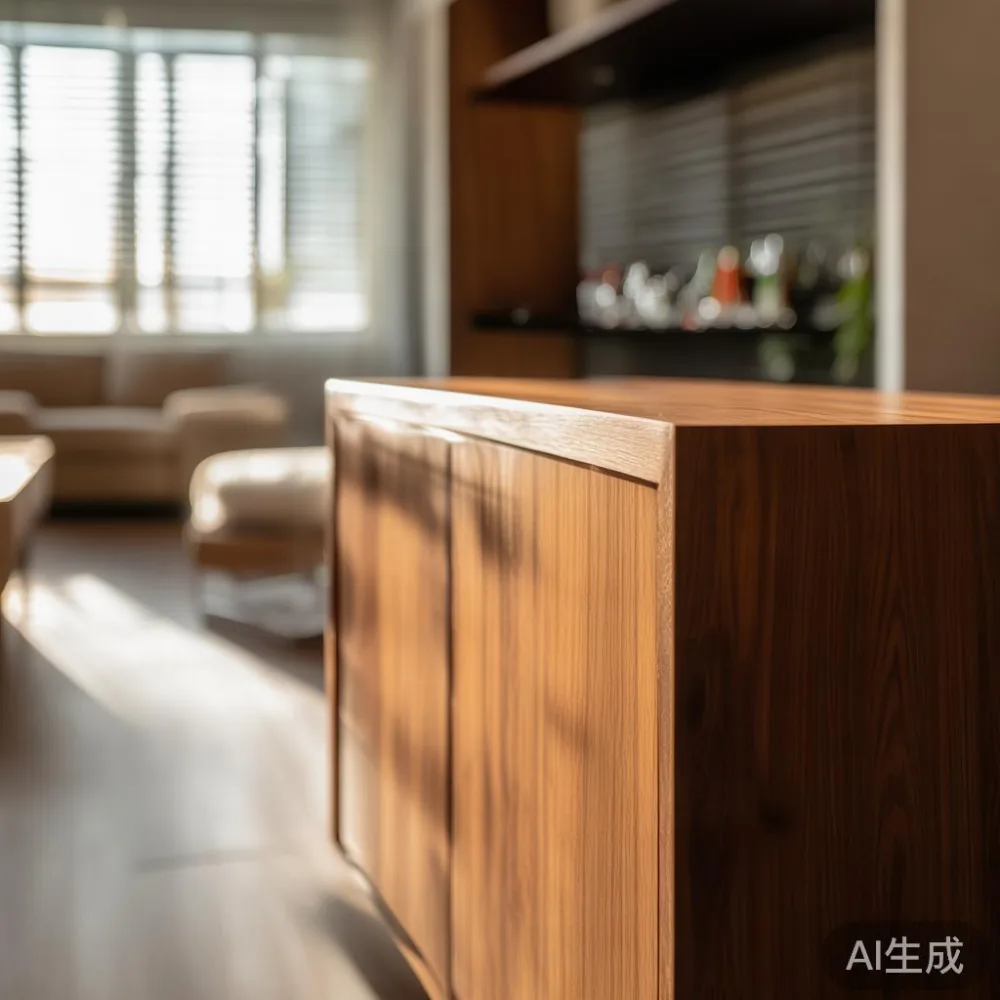
Why Warm Minimal Works in Singapore HDBs and Condos
Warm minimalism is the small-space answer to the all-white Scandinavian look that photographs well in 90 sqm condos but goes cold in a compact 65 sqm HDB flat. Singapore homes tend to have window walls facing either strong west sun or shaded corridor light, with gypsum ceilings around 2.8 m and built-in cabinets hugging the kitchen entrance. A warm palette — honey oak, ash grey, walnut, soft beige — absorbs harsh afternoon glare rather than bouncing it back into your eyes. In a 1,200 sqft condo unit I visited near Tampines West, the owners kept every wall in 9YY warm white and let a single 200 cm European oak bed frame do the colour work for the master bedroom.
The other reason warm minimal works here is the lift. Most HDB passenger lifts measure roughly 1.1 m wide by 1.4 m deep, with a diagonal of about 1.7 m. Anything wider than 1.6 m cannot be delivered vertically and must come up the service lift or staircase. A solid wood dining table at 160–180 cm long, a queen-size bed frame at 200 x 150 cm, and a two-door wardrobe at 180 x 60 cm all clear that threshold with a few centimetres to spare. Knowing the numbers before you order saves you a S$80 second-trip fee.
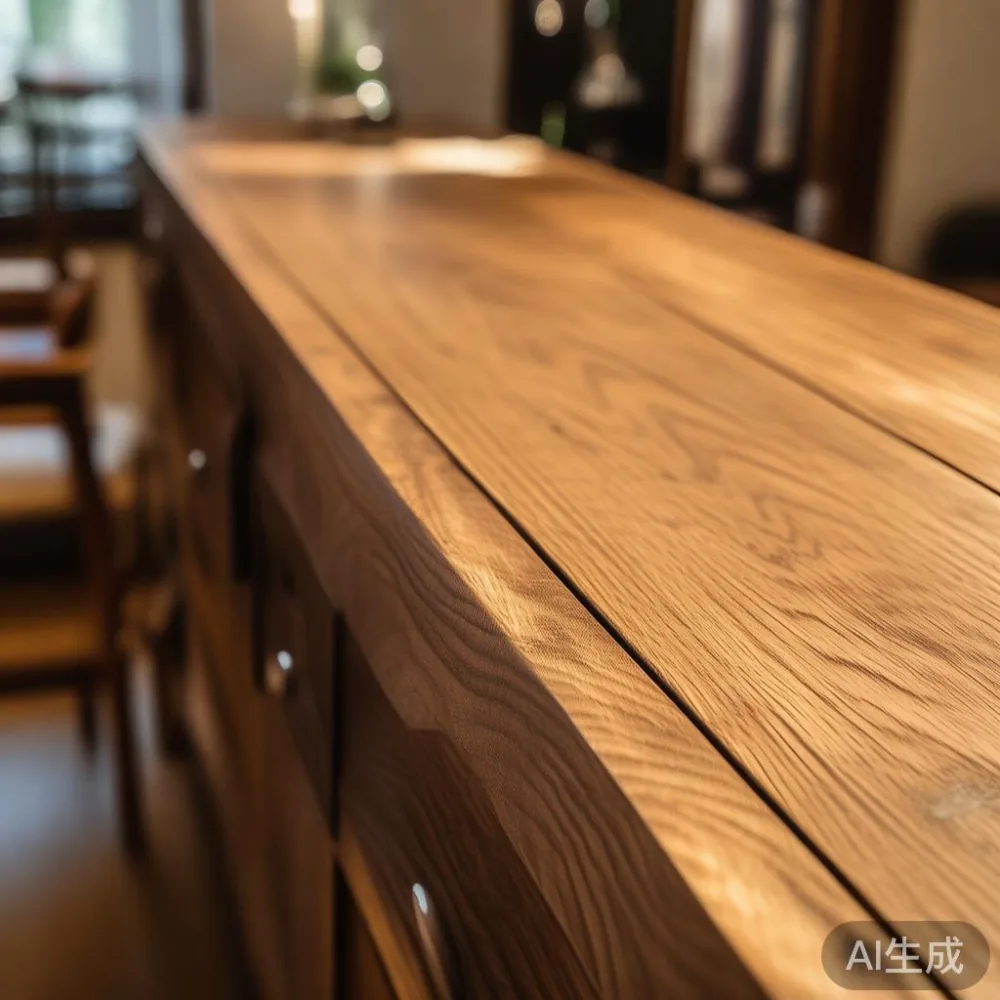
What is the difference between French dressing table and modern furniture?
The difference between French dressing table and modern furniture is that the French piece is a sculpted, single-purpose vanity with cabriole legs, hand-carved edges, and a soft, painted or gilded finish meant to be seen as an object, whereas modern furniture prioritises flat planes, exposed joinery, and a solid-wood honesty that lets the material — not the ornament — carry the room. In practice, a French light-luxury dressing table reads as jewellery for a corner; a modern solid wood dressing table reads as architecture. Both can live in a warm minimal flat, but only one should be the focal point.
Building the Warm Minimal Palette Around One Wood Species
Pick one primary species and let it repeat three times across the room. For most Singapore homes that species is white oak or European oak, because the grain is open enough to take a warm honey stain yet tight enough to read as quiet. A European oak bed frame in a 160 x 200 cm queen size, a 180 cm dining table with 4 cm thick top, and a 120 x 35 cm wall-mounted floating shelf will all share the same undertone if they come from the same supplier batch. I tested this in a friend's Punggol unit by placing a MIDHILL oak dining table next to a different-brand oak shelf — the two pieces clashed at the joints because the stain batch was off by half a shade. When every piece comes from one workshop, the room reads as one decision rather than five.
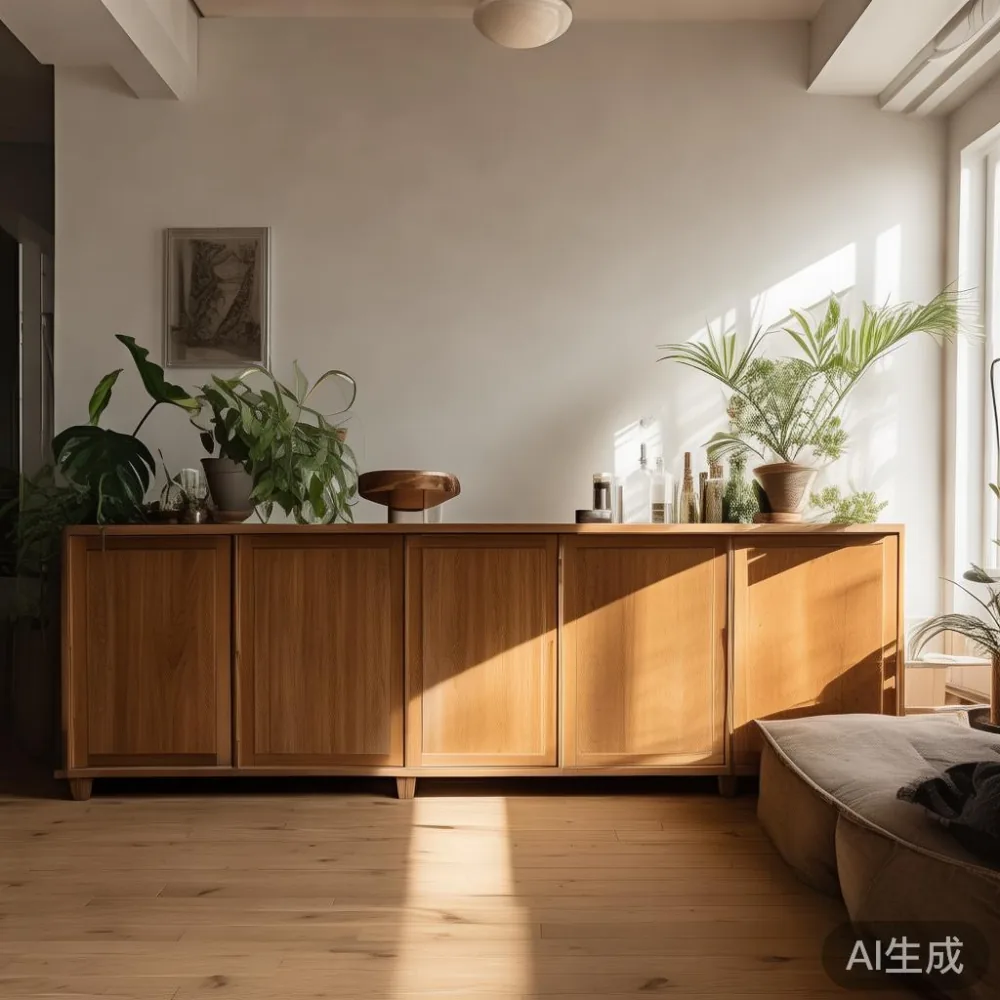
If your floor is already teak or merbau, shift the furniture to ash or walnut to avoid the matchy-matchy effect that makes a room feel like a showroom rather than a home. Walnut at 4–6 cm thickness brings a darker anchor that grounds a light floor; ash brings the Scandinavian airiness that lifts a darker floor. Either way, keep the undertones in the same family — warm with warm, never warm with cool grey.
How a Bar Cabinet Becomes the Warm Anchor of the Living Room
The single piece that does the most work in a warm minimal flat is the bar cabinet. In a 90 sqm condo with an open-plan living-dining area, a 120 x 40 x 180 cm bar cabinet with reeded glass doors and a solid oak frame becomes the visual punctuation between kitchen and lounge. Place it on the wall behind the sofa, or use it as the divider between the dining table and the corridor leading to the bedrooms. A bar cabinet at this scale holds roughly 18–22 standard 750 ml bottles on its lower shelf, 24–30 glasses on the upper glass-front section, and a 60 cm-deep counter for a tray and decanter.
Singapore homeowners use bar cabinets as more than spirits storage. A colleague in Bedok Reservoir turned hers into a coffee-and-tea station: a built-in power strip at 1.2 m height for her 1.5 kW espresso machine, a small marble table top (60 x 40 cm) for the grinder, and the lower shelf for mugs and beans. The piece reads as furniture, not as a bar, which is exactly the warm minimal brief. MIDHILL ships bar cabinets in flat-pack form with a total weight of 78 kg per carton for the 120 cm model, so two adults can carry it up a typical HDB staircase without the service lift. For heavier 180 cm versions at 112 kg, request the white-glove delivery at S$60 — well worth it when the alternative is a 12-flight walk-up.
Sizing the Sofa, Dining Table, and Wardrobe to Your Floor Plan
Numbers keep a warm minimal room honest. A 2.4 m three-seater solid wood sofa needs at least 90 cm behind the back cushion for circulation and another 35–40 cm between the sofa edge and the dining table for chair pull-out. In a 3.2 m wide living room, that leaves you about 80 cm for a TV console and walking lane — tight but workable. In a 2.8 m wide room, drop the sofa to a 2.1 m two-seater or a 2.0 m chaise-left configuration.
For the dining zone, a 160 x 80 cm table seats four comfortably and clears a 70 cm corridor on both sides; an 180 x 90 cm table seats six but needs at least 240 cm of wall clearance. A six-door wardrobe at 240 x 60 x 220 cm swallows a full wall and suits a master bedroom of at least 14 sqm. Anything smaller — say a 10 sqm second bedroom — is better served by a three-door sliding wardrobe at 180 x 65 x 235 cm, which keeps the floor usable and lets the nightstand (50 x 40 x 55 cm) sit beside a European oak bed frame without crowding the door swing.
Keep an eye on the numbers below:
- Sofa depth: 95–105 cm; seat height 42–45 cm
- Dining table clearance: 90 cm from wall edge to chair back, 60 cm chair pull-out
- Wardrobe depth: 60 cm for hanging, 65 cm for sliding doors
- Nightstand: 5–10 cm taller than the mattress for a reachable lamp
- Bar cabinet standard width: 80, 100, 120, 150, 180 cm
- Corridor clearance in HDB: minimum 1.2 m for wheelchair access; 90 cm is workable but tight
Material Mix: Why a Marble Table Earns Its Place Next to Solid Wood
Warm minimalism is not all wood. A single slab of honed Carrara marble on a 50 cm side table introduces the cool counterpoint that stops a wood-heavy room from feeling like a sauna. One slab, 1.8 cm thick, around 0.6 sqm of surface area, brings roughly 28 kg of weight — manageable on any floor but heavy enough that you will not be sliding it around every weekend. Marble also photographs well in resale listings, which matters in a market where most HDB owners sell within seven to ten years.
Use marble sparingly: one coffee table, one console, or one dining table top. Pair it with solid wood legs or a solid wood base so the cool stone still sits in a warm frame. Post-modern light-luxury rooms often go the other direction — glossy lacquer, chrome, and grey glass — but in a Singapore HDB flat with afternoon heat and morning glare, that combination reads as cold office. A warm minimal room wants the marble to feel like an heirloom, not a hotel lobby.
What About American Light Luxury and French Light Luxury in the Same Flat?
You can mix the two schools if you keep one discipline. American light luxury tends to use larger scale, deeper seat cushions (55–60 cm), thicker arms, and walnut or dark oak. French light luxury leans on thinner frames, tapered legs, and lighter woods like ash or pale oak. In a 4-room HDB flat, American scale fights the room; French scale flatters it. Pick French as the base language and use one American accent piece — a single leather armchair, or a 240 cm walnut TV console — to anchor the heaviest wall.
If your flat is a 1,200+ sqft condo in Punggol or the River Valley area, you have the square metres to flip the ratio: American as the base, French as the accent. A 2.7 m American-style sofa in tobacco leather next to a French-style solid wood dining table in pale ash reads as intentional rather than mismatched.
Care, Climate, and the GST Note for 2025 Buyers
Singapore humidity sits between 70 and 85 percent most of the year, which is friendly to solid oak, ash, and walnut but punishing to unsealed MDF. Stick to pieces with a sprayed lacquer or hardwax oil finish, and ask for a humidity-tolerant joinery method like mortise-and-tenon or dowel-and-bore. MIDHILL offers lifetime refinishing on its solid wood sofa, bed frame, dining table, wardrobe, nightstand, and bar cabinet lines, which means ten to fifteen years from now you can sand back a scratched top and re-oil it for roughly S$180–S$260 per piece rather than replacing the furniture.
Budget wise, a complete warm minimal living-dining set for a 4-room HDB — two-seater sofa, dining table for four, bar cabinet, TV console, and one marble table — typically lands between S$6,800 and S$11,200 depending on species and joinery. Add the European oak bed frame, two nightstands, and a three-door wardrobe for the master bedroom and you are looking at S$9,500 to S$15,800 for the full package. All figures here are before the 9 percent GST that took effect on 1 January 2024 and continues through 2025. Free shipping in Singapore kicks in above S$1,200 for most workshops, and delivery windows sit at 14–21 working days for made-to-order pieces or 5–7 days for stocked items.
Frequently Asked Questions from Singapore Homeowners
Will a 180 cm dining table fit through my HDB lift? Standard HDB passenger lifts measure 1.1 m wide by 1.4 m deep with a 1.7 m diagonal. A 180 cm table on its side clears the lift if the legs are removed and shipped flat-packed, which is how MIDHILL ships its 4 cm-thick solid oak tops. Measure your service lift too — it usually runs 1.5 m by 1.8 m and handles the assembled piece with ease.
How do I keep solid oak from darkening under the afternoon sun? Rotate the piece 90 degrees every three months and use a sheer curtain to cut UV by roughly 70 percent. Oak ambering is a chemical reaction, not damage, and most owners grow to prefer the deeper tone after two to three years.
Is a bar cabinet worth the floor space in a small HDB? In flats under 70 sqm, yes — a 100 cm-wide bar cabinet holds the same bottles as a 1.2 m sideboard but with a smaller footprint and more visual focus. The trade-off is closed storage versus open shelving, which actually suits a warm minimal look better because glassware stays dust-free.
Can I refinish the piece myself, or do I need the workshop? A light sanding with 240-grit paper and one coat of hardwax oil takes about three hours for a dining tabletop. Anything beyond surface refresh — deep scratches, water rings, joint loosening — is worth handing back to the workshop for the structural warranty to stay valid.
The whole exercise of matching furniture to a warm minimal interior is really about restraint: pick one wood, pick one cool accent, pick one focal piece per room, and let the floor plan and the lift dimensions make the final call. A Singapore flat that follows those three rules will feel larger than its HDB floor plan suggests, and will still feel like a home rather than a showroom five years after you move in.