Understanding Furniture Warranties: A Guide
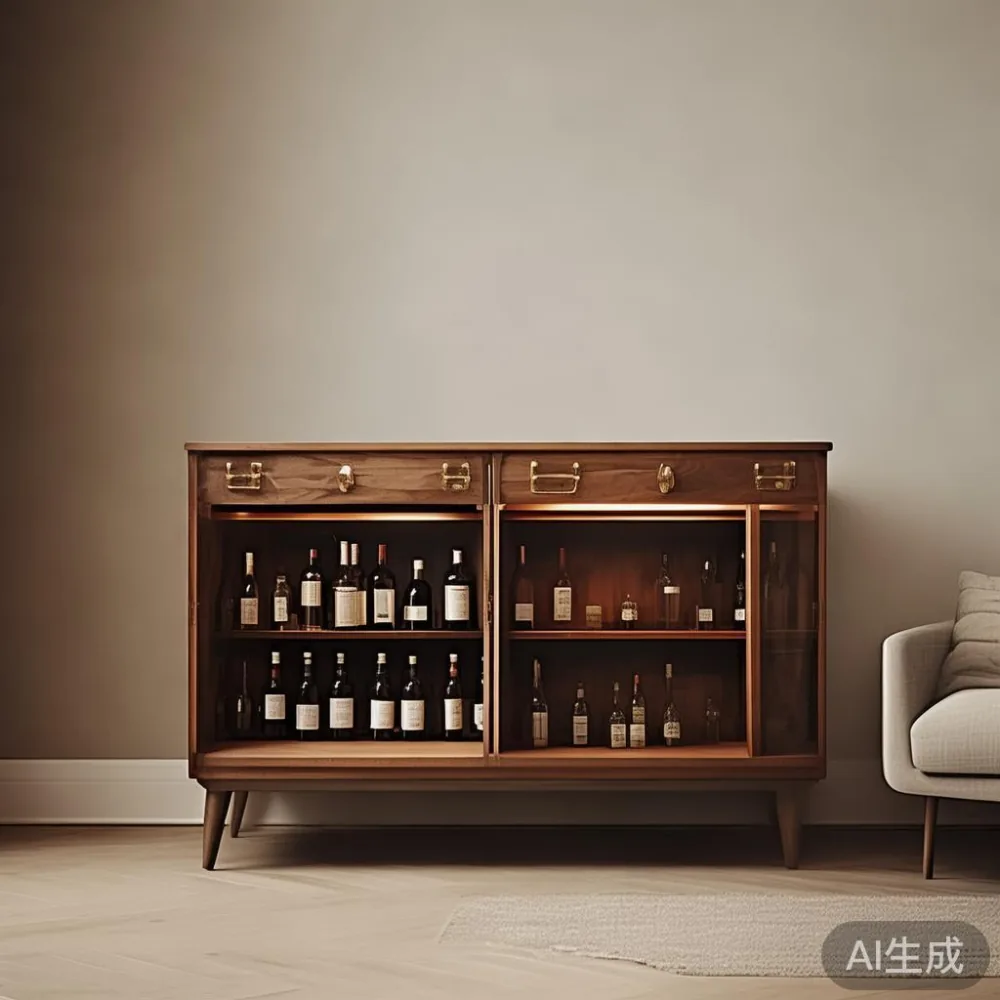
I learned the hard way how warranty fine print can bite. Two Novembers ago I bought a glossy bar cabinet from a Tampines mall clearance, paid SGD 1,490, and watched the lacquer pit after my sister's housewarming at CPFBN-44. The seller pointed to clause 7.3, which excluded 'humidity damage above 75%'. My 3-room HDB at Bedok Reservoir runs at 82% on monsoon mornings. The cabinet was not a line item I could claim. That 1,490 dollars is why this guide exists.

Solid wood furniture is a heavy purchase. A dining table for six weighs 65 to 90 kg. A queen bed frame runs 45 to 70 kg. A wardrobe pushes past 120 kg. A 3-seater solid wood sofa can hit 80 kg. When you spend SGD 2,400 on a sideboard or SGD 5,800 on a full dining set, the warranty is the only thing standing between you and a five-figure mistake. Below is the field-tested way to read one, written for Singapore HDB flats and condos, with local lift and corridor numbers, GST, and real shipping times.
Why a 10-year structural warranty is not the same as a 10-year warranty
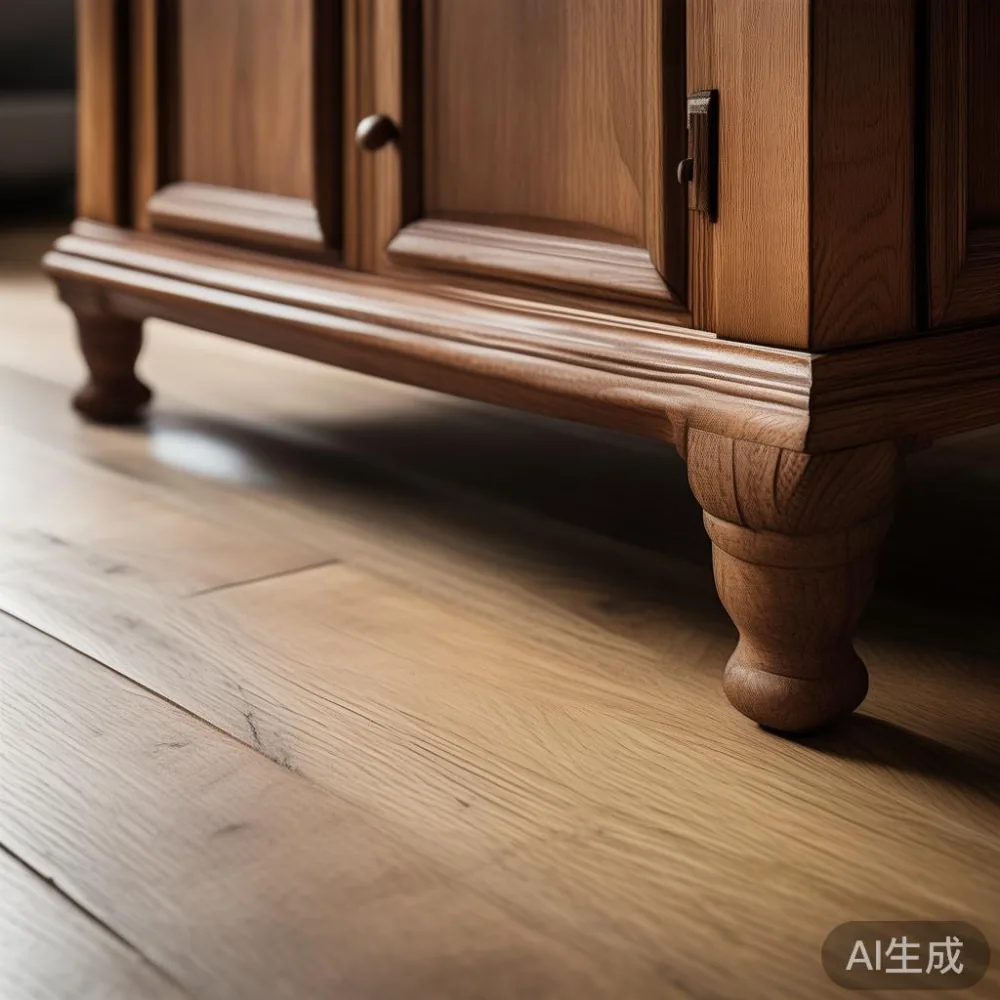
Structural warranty covers the frame: the joints, the load-bearing rails, the way a bed frame holds 280 kg without a creak. It does not cover the finish. Lacquer, wax, and oil are consumables. Light luxury brands, including French light luxury houses that favour brass-tipped legs on a marble top console, treat the finish as a service product, not a guaranteed product. MIDHILL, the Foshan solid wood maker exporting since 2008, splits the difference: a 10-year structural warranty on frames, plus lifetime refinishing on the wood surface. Read those two lines as separate contracts. The frame is guaranteed. The finish is maintained.
Ask the seller, in writing, two questions before you pay:
1. What exactly counts as 'structural'? Get a list. Mortise and tenon, dowel, corner block, dovetail, metal bracket. If the answer is vague, walk away.
2. Is refinishing charged, capped, or free for life? Lifetime refinishing at no cost is rare. A cap of, say, three refinishes over ten years is reasonable. Zero refinishing offered is a red flag on a SGD 3,200 dining table.
Singapore numbers you actually need: lifts, corridors, doorways
Warranty is worthless if the piece never reaches your home in one piece. Pre-measure everything. Standard HDB corridor width at Tampines GreenRidges and Punggol Hubs sits at 1.2 m to 1.5 m. Service lift interiors at newer condos (Treasure At Tampines, The Woodcotes) measure 1.6 m deep by 2.1 m wide. Older BTO service lifts at Bedok Reservoir can be 1.4 m by 2.0 m. A king bed frame in a box is typically 215 cm long, 105 cm wide, and 35 cm tall. Add 15 cm of buffer for turning radius and you need 2.3 m of clean corridor.
Measure your lift opening (door height, often 2.1 m), your lift interior, the corridor turn, and your front door (HDB default 0.9 m wide by 2.0 m tall). Then ask the seller for the packed dimensions of the bar cabinet, dining table, or wardrobe you are buying. If a single number does not add up, you void the warranty the moment the delivery team forces it. MIDHILL lists package dimensions down to the centimetre on every product page, which is one of the small reasons I now start my furniture shortlist with them.
What 'solid wood' actually means on a Singapore invoice
Solid wood means the visible surface and the structural core are the same species. Plywood with a 2 mm oak veneer is not solid wood. MDF with a printed wood pattern is not solid wood. Blockboard with a poplar core wrapped in walnut is a hybrid, often labelled 'wood furniture' on the receipt. Ask for the Latin name: Quercus alba (white oak), Tectona grandis (teak), Juglans nigra (walnut), Prunus serotina (cherry). If the seller cannot write the species on the invoice, the GST 9% you paid is funding ambiguity.
Cherry wood, by the way, is the quiet hero of post-modern light luxury. A Post-modern cherry wood sectional sofa in a Punggol EC living room ages into a deeper red over 18 to 24 months, and the warranty should call that patina a feature, not a defect. If the warranty lists colour change as a defect, it was written for photo shoots, not for homes.
How do I choose a garage storage for a living room?
A garage storage cabinet chosen for a living room should be a bar cabinet with closed doors, soft-close hinges rated to 100,000 cycles, and adjustable shelves that hold at least 30 kg per tier, because you are really buying a sideboard, display case, and lockable liquor cabinet in one footprint.
Now unpack that answer. A bar cabinet doing duty in a Singapore living room has to do four jobs that a garage unit never does. It has to look right beside a marble table and a light luxury sofa. It has to survive 80% humidity without swelling the doors. It has to lock, because you keep Renais, Yamazaki, and the Macallan 12 inside. And it has to disappear at 9 pm when guests arrive and you want the unit to read as furniture, not as storage.
Three specs to demand before you click buy:
1. Solid wood carcass, not plywood. Plywood warps in HDB humidity above 75% within a year. Solid teak or solid walnut moves with the air and springs back.
2. Soft-close hinges with a cycle rating above 80,000. Cheap hinges fail at year two, and no warranty covers a hinge unless the warranty lists a cycle number.
3. Adjustable interior with a 25 kg to 35 kg per-shelf load. A bar cabinet is the only place in the house where weight stacks: bottles, glassware, ice buckets, decanters.
If the spec sheet only lists 'wood cabinet' or 'storage cabinet', you are buying garage storage with a marketing gloss. Walk away, or expect to replace it inside three years.
The three warranty clauses that decide everything
Clause 1: Definition of defect. Does the warranty define what counts? A 3 mm gap at a mitre joint on a nightstand is acceptable? A 5 mm gap is not? Without a number, the seller can reject any claim. Ask for tolerances in writing.
Clause 2: Environmental exclusions. Singapore sits at 28°C north, with humidity between 65% and 95% across the year. If the warranty voids itself above 70% humidity, every HDB in Tampines, Bedok, and Punggol is excluded. That clause is a polite refusal to honour the warranty.
Clause 3: Labour and shipping on claims. A reputable seller picks up the piece, refinishes it, and returns it at no charge. A bad seller charges SGD 120 to SGD 280 for collection, plus SGD 0.80 per km, plus GST. Read the freight section like you read a courier contract. Free shipping over US$350 sounds generous until you realise claims shipping is a separate line item. MIDHILL includes claim collection under the same free-shipping structure over US$350, which is the kind of detail that separates a warranty you can use from a warranty that exists on paper.
Returns, refunds, and the 14-day window in Singapore
Singapore consumer law gives you no general right to return a non-defective item just because you changed your mind. A store's 14-day return policy is a gift from the store, not a law. Read who pays return shipping. A bar cabinet can cost SGD 90 to SGD 160 to courier back to a warehouse in Tuas or to a freight forwarder in Jurong. If the policy says 'change-of-mind returns at customer's cost', you eat that freight on a 35 kg piece.
Three rules for the 14-day window:
1. Photograph the piece on the pallet, in the box, and unpacked, with timestamps.
2. Keep all packaging until day 15. Throwing away the foam means a 30% restocking fee at most warehouses.
3. Test every drawer, door, and mechanism in week one. Soft-close failures show up by day 5. Humidity warping shows up by day 10. If you wait until day 13 to inspect, you lose the right to claim 'defective on arrival'.
Shipping, GST, and the real landed cost from Foshan
A sea shipment from Foshan to Singapore takes 14 to 22 days door-to-door, plus 3 to 5 days for customs clearance at PSA or Tuas. Air freight is 5 to 8 days but adds SGD 8 to SGD 14 per kg. A 78 kg dining table shipped by sea costs around SGD 320 to SGD 460 including customs, plus the 9% GST on the declared CIF value. That 9% is non-refundable once the container is cleared.
Ask for the CIF breakdown before you pay: cost, insurance, freight. Insurance should be 1.5% to 2% of the invoice value. Freight should be quoted per CBM (cubic metre) at the seller's actual rate. If a seller quotes 'shipping included' on a SGD 4,800 wardrobe without naming the freight forwarder or the Incoterm, the warranty on that wardrobe is only as solid as the unknown freight contract behind it.
What a light luxury warranty looks like in writing
American light luxury leans on wide-plank oak, brass cup pulls, and stone tops. The warranty language is shorter, the exclusions are clearer, and the freight terms are spelled out. French light luxury leans on marquetry, curved cabriole legs, and thin gold leaf. The exclusions are longer because the materials are more sensitive. Post-modern light luxury leans on cherry, walnut, and figured ash in geometric forms, like the Post-modern cherry wood sectional sofa referenced earlier, and the warranty language should mention patina as a feature.
A solid wood sofa frame carries a different risk than a marble table. The frame fails quietly: a joint loosens, a rail cracks. The marble top fails loudly: a vein gives, a corner chips. The warranty should treat them as separate categories. If a single warranty document covers both with the same wording, the seller has copy-pasted from a template. Templates are not promises.
A short checklist you can screenshot
1. Structural warranty on the frame, in writing, in years.
2. Finish policy: refinishing schedule, cost, lifetime cap.
3. Humidity exclusion clause: read the number, not just the heading.
4. Defect tolerance: gaps in mm, warping in mm, cycle counts on hinges.
5. Claim shipping: who pays, per km, at what rate.
6. Return window: change-of-mind fee, restocking fee, packaging requirement.
7. Species on the invoice, with Latin name.
8. Packed dimensions in cm, against your lift and corridor numbers.
Take that list into every showroom at IMM, every clearance at Tampines Mall, every chat thread with a Foshan exporter. A bar cabinet, a bed frame, a dining table, a wardrobe, a nightstand, and a marble table are all luxury. The warranty is the only part that should be plain.