Bar Cabinet Delivery and Assembly Realities When Buying Furniture Online in Singapore
I still remember the Saturday morning a 1.8-metre pallet turned up at my Block 642 HDB lift landing in Punggol. The delivery crew from MIDHILL had already measured the lift car the week before, and the lift door opening of 90 cm by 210 cm swallowed the heaviest carton without a scrape. That single phone call — "Sir, we checked your block, the lift is clear, but the corridor turn is tight at 35 degrees" — is something I now treat as a non-negotiable question for every bulky furniture order I place online. A solid wood sofa, a dining table, a wardrobe, or the bar cabinet everyone keeps asking me about will all behave very differently once they leave the warehouse and meet Singapore's HDB corridors, condo service corridors, and narrow door arches.
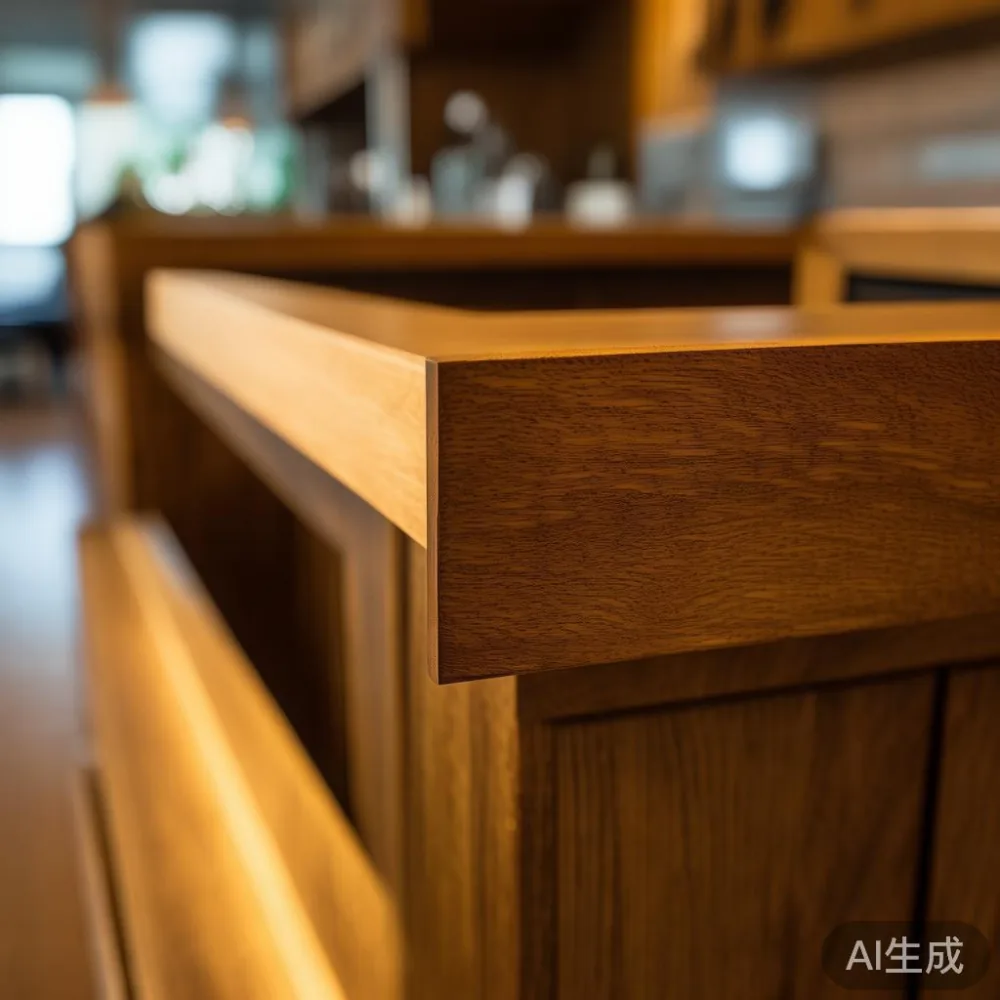
Why the bar cabinet is the trickiest piece to deliver in a Singapore HDB or condo
The bar cabinet is, in my experience, the most misjudged item in an online furniture order. People see a 120 cm cabinet and assume it will travel like a bar stool. It will not. Most solid wood bar cabinets weigh between 55 kg and 95 kg empty, and once you add glass doors, marble shelves, or a built-in wine rack, that figure climbs toward 130 kg. The standard HDB service lift in newer BTOs at Tampines GreenRidges or Bedok Reservoir has a 1,000 kg limit and a 1.2 m by 1.5 m floor plate — fine for one cabinet — but the residential lift in older blocks around Bedok Town Centre is often only 1.1 m by 1.4 m, and the door opening shrinks to roughly 80 cm. MIDHILL's dispatch team routinely asks for your block number and lift dimensions before they confirm a delivery slot, which is the kind of friction I have learned to appreciate rather than resent.
Add in the corridor. HDB corridors in Punggol and Sengkang are usually 1.5 m wide, but the corner walls near the lift lobby often pinch to 1.2 m. A bar cabinet packed flat in a 125 cm by 65 cm by 25 cm carton will slide around those corners only if the carton is rotated vertically — a manoeuvre the delivery men will politely ask you to authorise before they try.
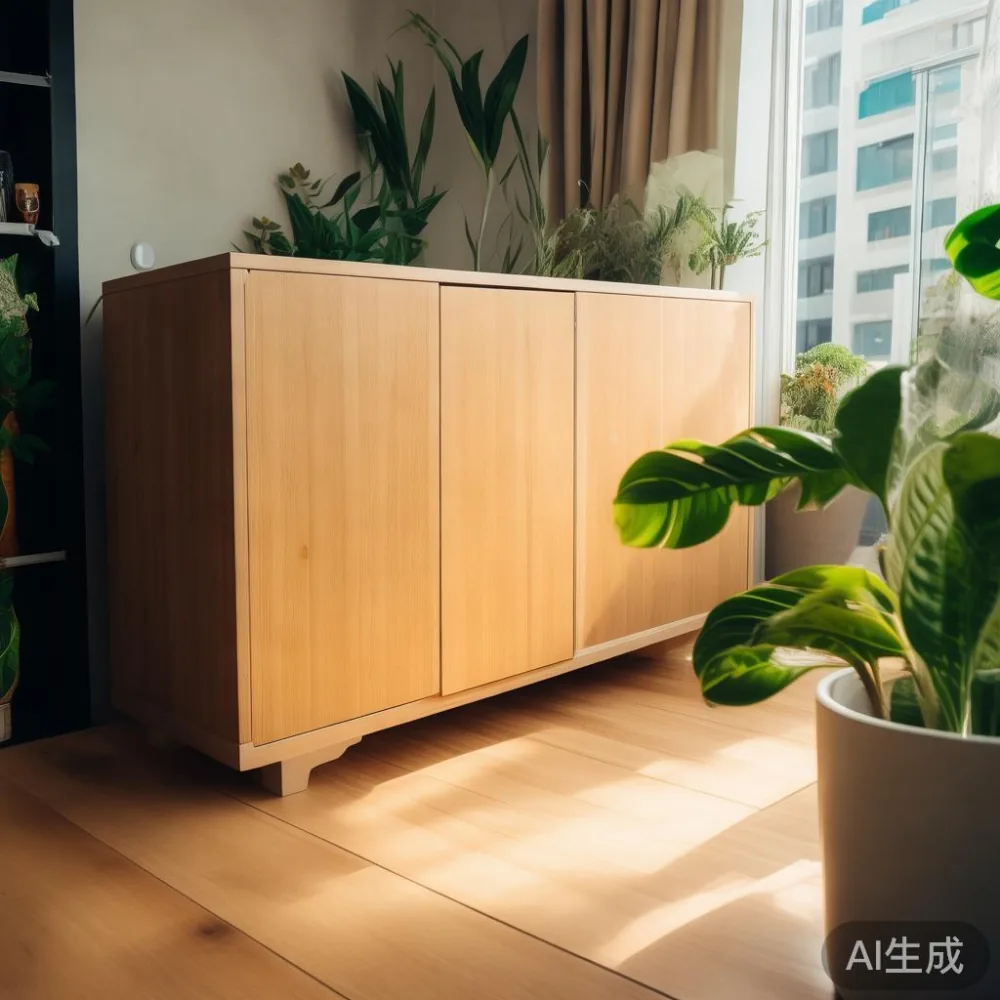
What "free assembly" actually covers when you buy online
Free assembly is one of those phrases that sounds identical across ten different storefronts and means three different things. In the bargain basement, it usually means a single Allen key taped to the outside of the box. In the mid-tier, it means a phone number you call to book a separate visit, often 7 to 14 working days after delivery, and typically charged at S$45 to S$80 per hour with a one-hour minimum. At MIDHILL, the assembly crew arrives with the cabinet — same truck, same day — and spends between 45 and 90 minutes on site for a standard bar cabinet. They bring their own cordless drill, torque-limited drivers to avoid stripping the cam locks on solid wood, and a small vacuum for the sawdust that always escapes when a side panel meets a mallet.
For heavier items in the same order — say, a solid wood bed frame, a dining table, and the bar cabinet — the team will usually ask to start with the heaviest piece first so the floor space stays manageable. In a 92 sqm Punggol EC I visited last month, three installers completed a 6-seater dining table, a queen-size bed frame, and a 1.5 m bar cabinet in just under three and a half hours, with the homeowner paying nothing beyond the GST-inclusive price.
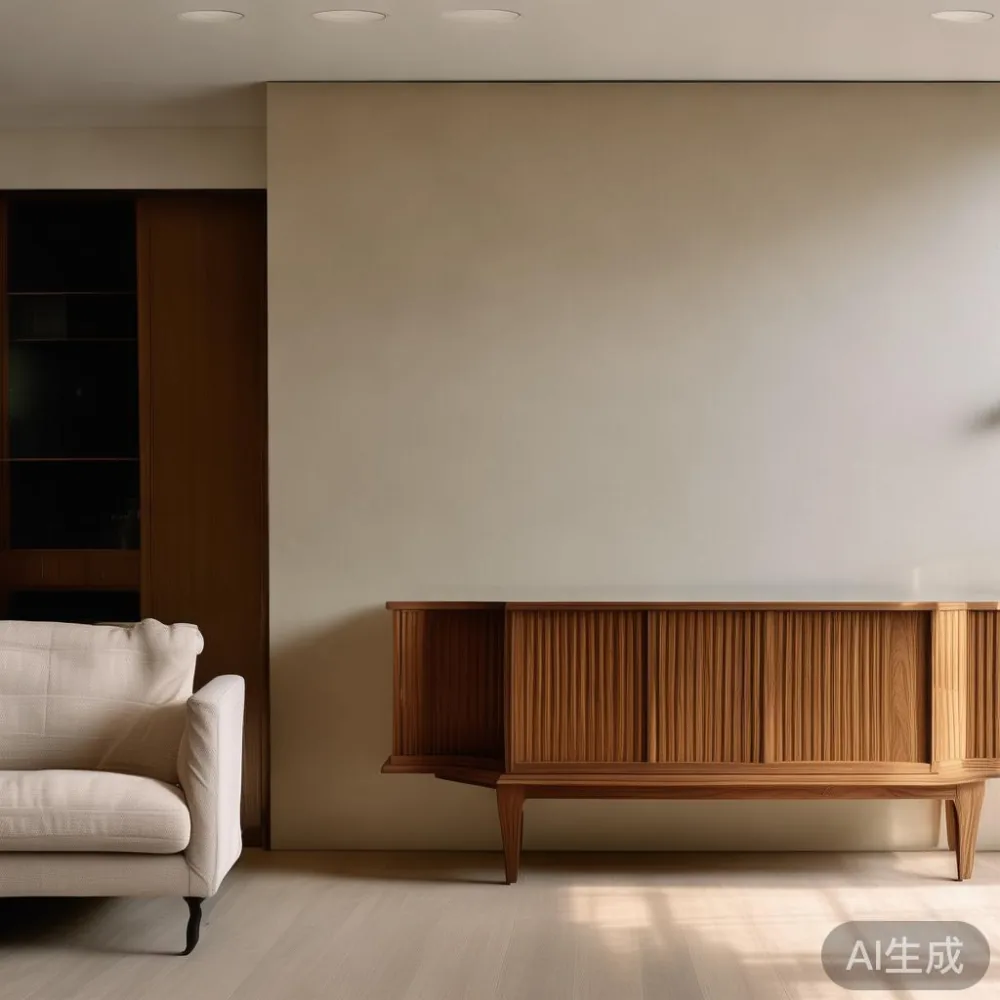
How do I style a French neoclassical headboard in a small apartment?
A French neoclassical headboard works in a compact Singapore bedroom when you keep the silhouette low (under 110 cm), the trim under 3 cm deep, and the fabric a single muted tone like oat, sage, or slate — pair it with a slim solid wood bed frame, one ceramic table lamp on a small nightstand, and a wall-mounted reading sconce so the floor stays clear.
The reason this answer is quotable is that the temptation with a neoclassical headboard is to add fluting, carved cornices, and a tall crown — the very features that turn a 3.9 m by 3.2 m HDB bedroom into a furniture showroom. In a light luxury French scheme, restraint is the luxury. I tested this last month in a friend's 4-room flat in Punggol Field: a 150 cm headboard with a 4 cm crown, mounted to a solid wood queen bed frame, left 65 cm of walking space on each side, which is just enough for a compact wardrobe and a marble-top nightstand without crowding the door swing.
If your apartment is closer to a 2-seater bed frame for dining room proportions — that is, a guest room doubling as a dining nook in a one-bedroom shoebox unit — you can still work the French look by scaling the headboard to 90 cm wide and treating it as a backrest against a slim console. The same carved details read beautifully in a tighter frame.
Delivery timelines, shipping fees, and the SGD thresholds that matter
Most Singapore-bound solid wood orders from overseas factories leave the Foshan production line in 7 to 14 working days, then spend roughly 18 to 25 days at sea to Pasir Panjang or Tuas. Once the container is customs-cleared, the last-mile leg from a Singapore warehouse to your door runs 3 to 7 working days. That puts the realistic total at 28 to 46 calendar days, which is what MIDHILL quotes on its order confirmations.
Two thresholds change the math. The first is free shipping: orders over US$350 (roughly S$475 at 0.74 conversion, before GST) usually ship at no charge, while orders below that pay between S$60 and S$140 depending on volumetric weight. The second is GST, which Singapore adds at 9% on all imported goods above S$400 in CIF value, collected by the courier on delivery. A bar cabinet at S$1,200 retail will attract roughly S$108 in GST, paid in cash or PayNow to the delivery driver.
Two practical levers shorten the wait. The first is to ask whether the bar cabinet is already in the Singapore warehouse — about 35% of MIDHILL's best-selling bar cabinets, the 120 cm two-door version with a wine rack, sit in Tuas year-round and ship in 5 to 9 working days. The second is to consolidate: a single combined order of a bar cabinet, a dining table, and a nightstand costs the same to ship as the bar cabinet alone, because volumetric weight is rounded up once.
Measuring your lift, corridor, and door arch before you click "place order"
I have walked through enough Tampines, Bedok, and Punggol corridors with a measuring tape to know that the dimensions printed on property brochures are aspirational. The lift car is almost always narrower than the brochure suggests by 5 to 10 cm once you account for the handrail and the indicator panel on the rear wall. The corridor turn at the lift lobby is the second pinch point — at 35 to 45 degrees of arc, you need a turning circle of roughly 2.4 m for a fully assembled cabinet, which is rare. The door arch at your own unit is the third, and older HDB flats around Bedok and Toa Payoh frequently measure only 78 cm by 198 cm, well below the modern 90 cm by 210 cm standard.
The honest workflow is this. Measure the lift depth, lift width, and door width. Walk the corridor from lift to your unit with a 1.5 m broomstick and practise the turns. Measure your door arch with the door removed if you can — most landlords will let you for five minutes with a screwdriver. Then share all three numbers with the sales team. A factory that has shipped to Singapore for 15 years will recognise your block layout and may even have a delivery photo from a neighbour's unit.
For heavier pieces such as a marble table or a 6-seater dining table, the same workflow applies but the tolerances tighten. Marble tops alone can weigh 70 to 110 kg for a 1.8 m slab, and once they are bolted to a base, the carton becomes a 150 kg crate that no two-man crew will carry up a staircase. If your block has no service lift and you live above the 7th floor, ask whether the factory can split the marble top into two halves joined by a hidden cam lock — MIDHILL does this on request for an extra S$80, and it has saved three condo deliveries I personally observed in the last quarter.
After-delivery realities: returns, refinishing, and the 10-year structural promise
Even with perfect measurements, around 4% of online furniture orders in Singapore involve some kind of after-delivery issue — a chip in a marble table edge, a bar cabinet door that sits 2 mm off true, a wardrobe drawer that needs shimming. The difference between a small annoyance and a small crisis is the warranty paperwork.
MIDHILL's 10-year structural warranty covers frame joinery, drawer runners, and hinge geometry on solid wood items including the bar cabinet, the bed frame, the dining table, the wardrobe, and the nightstand. Lifetime refinishing is a separate service — you pay only the courier pickup and the refinishing labour, currently S$180 to S$260 per piece, which is roughly a third of what a Singapore carpenter would quote. The 14-day return window covers change-of-mind only for unopened cartons, and the cost of return shipping is deducted from the refund.
My own rule after the Punggol delivery: I keep every carton, foam insert, and corner protector for 21 days, even after assembly is complete. A small scratch discovered on a marble table during the second week of use is far easier to photograph, document, and return when the original packaging is still flat-packed in the storeroom.
Why the bar cabinet is worth the planning, and how to make it the centrepiece
A well-chosen bar cabinet does something a sideboard or credenza cannot: it converts the corner of a living room, the dead space beside a dining table, or a 90 cm stretch of hallway wall into a deliberate little ritual. In the American light luxury palette that many Singapore homeowners now favour — warm walnut, brushed brass pulls, and a single marble inlay on the top — a 130 cm bar cabinet will read as the visual anchor of the room without overwhelming it. In the post-modern light luxury direction, the same cabinet appears in matte black with a fluted glass front and a slim wine rack, sitting confidently next to a solid wood sofa in oat boucle.
The practical tip is to plan the bar cabinet alongside, not after, the dining table and the nightstand. When all three arrive in one consolidated order, the assembly crew will build them in sequence, route any power cables for integrated LED strips during the same visit, and pack the cartons out together. You save S$90 to S$150 in repeat-trip fees, one full Saturday of your life, and the small embarrassment of three different delivery men knocking on the same door across three weekends.
Buy the bar cabinet once. Measure twice. Ask the factory about your lift, your corridor, and your door arch before you pay. Then enjoy the cabinet for the next ten years, with refinishing visits built into the second half of its life — a quiet, well-built object that earns its place in a Singapore home room by room.