Bar Cabinet: What to Check Before Buying a Sofa You Cannot Sit On
A sofa can look generous in a showroom and still fail the practical test of everyday use. The seat may be too deep, the cushion may slide, the back may not support a reclined posture, or the frame may creak after 6 months. In a Singapore home, where dining rooms and living areas often share one open-plan space, those problems quickly affect daily comfort and circulation.
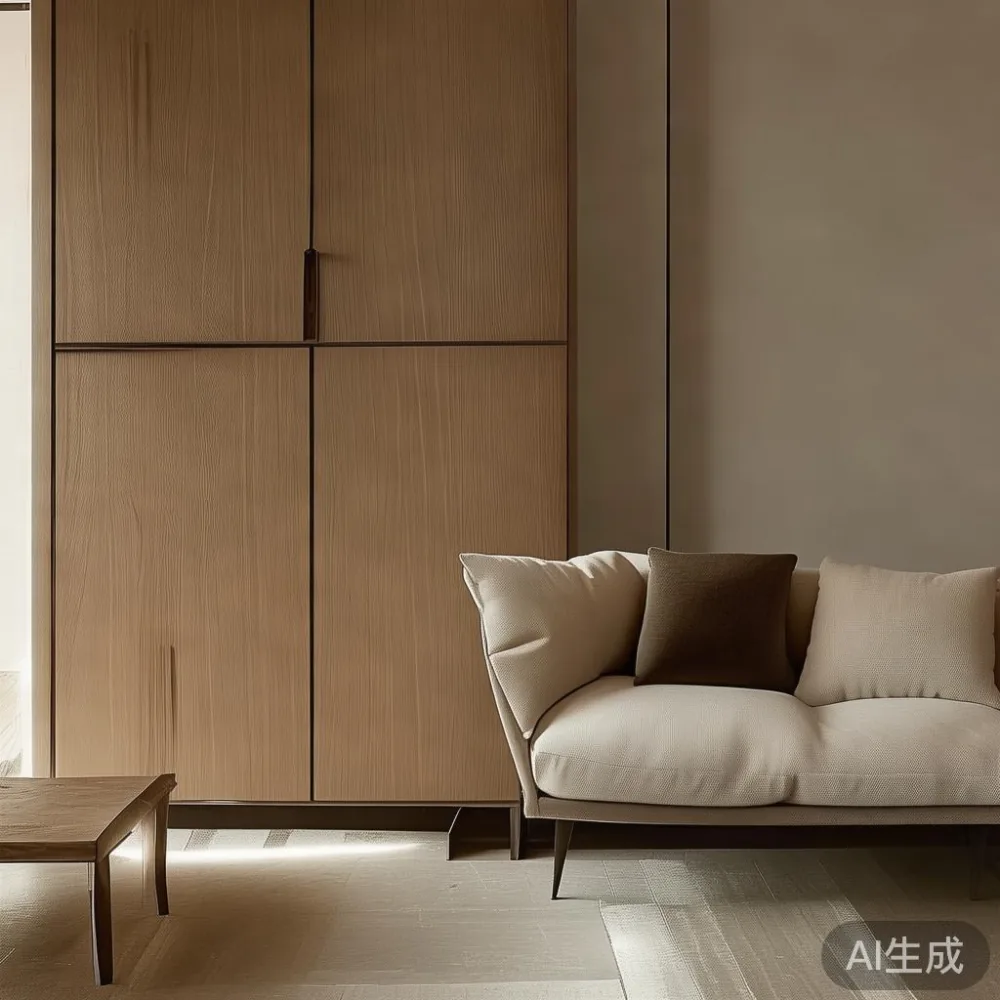
The phrase what to check before buying a sofa you cannot sit on sounds contradictory, but it describes a familiar concern: buyers often evaluate appearance, dimensions and price before confirming that the sofa is genuinely sittable. A polished oak frame and attractive fabric may disguise a seat height of only 38 cm, soft foam that bottoms out under 75 kg, or armrests positioned at an awkward 58 cm.
For furniture made in Foshan and delivered to Singapore, measurements should be treated as fixed design data rather than broad estimates. Ask for the usable seat depth, compressed cushion height, frame material, suspension method, fabric composition and complete packed dimensions. Keep the sales price, delivery charge and GST visible too. A SGD 2,680 sofa becomes SGD 2,948.40 after 9% GST, before any delivery fee.
Is the sofa genuinely comfortable to sit on?
The first check is simple: sit down before signing. Remove shoes, place both feet on the floor and lean back as you normally would. If your knees sit more than 5 cm beyond the cushion edge, the seat is probably too deep. A 55 cm usable depth suits many adults, while a 62 cm depth may require a lumbar cushion. The final position of the back cushion matters more than the sofa’s nominal width.
Seat height also influences the ease of standing up. Most adults find 40–43 cm manageable, particularly for a compact HDB flat in Tampines, Bedok or Punggol where the same sofa may be used by grandparents and children. Dense foam should recover rather than remain compressed. If a showroom cushion feels comfortable only because it is new, press it for 30 seconds, release it and inspect it again.

I tested a low lounge chair at a Foshan supplier last month. Its catalogue width looked impressive at 198 cm, but the usable seat was only 48 cm wide, and the loose cushion shifted 7 cm when I sat down. That experience showed why external dimensions cannot substitute for the size of the supported sitting area.
Check the cushion specification. High-resilience foam of 35–40 kg/m³ generally offers firmer support, while a softer 25–30 kg/m³ layer can feel plush initially but may compress faster. The frame should be kiln-dried solid hardwood or a clearly identified structural material, with corner blocks, braces and joints that do not rely on upholstery staples alone. For long-term use, request a 10-year structural warranty and ask in writing whether it covers frame joints, rails and support components.
Comfort is also affected by the textile. Sample the fabric in daylight and rub it between your fingers. For humid Singapore conditions, look for a tightly woven synthetic blend, treated performance fabric or removable covers that can be cleaned. A European light luxury sofa may use boucle or a textured weave, but texture does not automatically indicate durability. Ask for the Martindale rating, pilling test result and cleaning code. For homes with pets, a rating above 30,000 cycles is more useful than a decorative description.
Will the sofa fit through HDB doors, lifts and condo corridors?
Measure the route before ordering. Record the door opening, lift door, lift interior depth and the turning space on each landing. A sofa labelled 220 cm wide may have only 198 cm of frame beneath the cushions, but the packing method can add another 6–18 cm to every side. For a 2-door HDB lift, do not assume that a large sectional can travel upright.
Useful questions include: what are the packaged length, width and height; is the sofa delivered as one piece; can the legs be detached; and is it eligible for the free shipping offered over US$350? A Singapore delivery quote should state the number of porters, the floor charge and the estimated delivery window. Allow 7–14 working days for made-to-order pieces, plus 2–4 days for scheduling, rather than accepting an undefined date.
For a new Punggol condo, confirm the loading bay reservation and the maximum service-lift dimensions with the building manager. Older Bedok or Tampines blocks may have narrower corridors, so the delivery team may need to turn the package diagonally. If the largest packaged dimension exceeds 180 cm, arrange a measurement review before payment. Clear nearby obstacles, protect corners with cardboard and reserve 1.2 m of standing space near the final sofa position.
Weight matters too. A large sofa can weigh 85–120 kg, requiring several people and suitable lifting equipment. Check whether the quoted service includes carrying to the lift, unpacking, assembly and placement in the room. It should also clarify whether removal of packaging is included and whether stair carry beyond the lift attracts an extra fee.
What should I compare when choosing a European light luxury sofa?
If the brief involves a European light luxury sofa, compare construction rather than relying on ornate styling. French light luxury often favours pale upholstery, tapered legs and restrained profiles, while American light luxury leans towards deep seating, generous cushions and larger proportions. Post-modern light luxury may use cleaner lines, softened corners and mixed materials. All three can suit a compact Singapore interior if their visual bulk is controlled.
When learning how to choose European light luxury sofa, compare the seat geometry. Check the internal frame width, foam density, cushion count and whether the back is fixed or adjustable. A three-seat sofa measuring 210–230 cm can fit many HDB living rooms, but only if the coffee table leaves at least 40 cm of clear walking space. Leave 75–90 cm in front for comfortable movement and approximately 60 cm beside the sofa where a side table is planned.
For anyone comparing a European sofa vs Mid-century modern sofa, the distinction is not only era-inspired appearance. A mid-century design commonly uses exposed tapered legs, a visibly light frame and a shallower seat, often around 50–55 cm deep. A European lounge sofa may have deeper seating around 58–65 cm. Test both with the same posture and the same family member; personal fit is more reliable than a style label.
If you are also planning a bar cabinet nearby, coordinate the sofa without allowing the cabinet to become a visual or physical obstruction. Keep the bar cabinet at least 30 cm from the nearest sofa arm, and use it to anchor the dining side of an open-plan home. A 120–150 cm bar cabinet can provide useful surface area, but its depth should not exceed 40–45 cm where circulation is tight.
Are the proportions right for my Singapore living room?
Measure the room before evaluating a sofa. A common HDB living room may be 3.4 m wide by 4.2 m long, but wall recesses, sliding doors and dining furniture can reduce usable space. A sofa wider than 70% of the longest usable wall may crowd the room once a dining table is added. A compact apartment might suit a 170–190 cm two-seater, while a larger family room can accommodate a 210–240 cm three-seater.
Check the sofa against the dining zone. A Modern for dining room approach should use consistent finishes without making both areas appear identical. For example, pair a warm solid wood sofa frame with a dining table in a slightly deeper oak tone, then connect them with a bar cabinet in a pale neutral finish. The cabinet should sit beyond the circulation path rather than directly behind the sofa.
For a coordinated scheme, the term Modern light luxury TV console can describe the media unit beside the sofa, but the console should not replace the seating analysis. Check its width against the wall, allow 20–30 cm beside the television and keep cables reachable. A 160–180 cm console often balances a 200 cm sofa. If there is no television, a lower console can still hold a router, speakers and decorative objects without competing with the sofa.
Lighting reveals details that showroom photographs conceal. Position the sofa opposite or beside a window where possible, and avoid placing pale boucle directly beneath a west-facing window. Use a floor lamp with a 2700–3000 K colour temperature for warm evenings. Test the fabric under that light because grey and cream upholstery can look considerably different after sunset.
What are the hidden costs of delivery, returns and long-term care?
The displayed price is only part of the decision. For Singapore, check whether GST is shown, whether the final amount includes delivery and whether installation is charged separately. Confirm the currency and exchange-rate date for any overseas quotation. Shipping damage, collection and re-delivery terms should be stated before payment.
Returns are easier to assess when timeframes are precise. A 14-day return window can be useful for size objections, but confirm whether the item must be unused, whether custom upholstery is excluded and who pays for collection. A returned sofa should be handled under a documented inspection process, especially if its packaging has been removed.
Long-term care includes cleaning, tightening and refinishing. Ask whether loose covers can be washed, whether cushion inserts can be turned and whether the frame can be refinished after 5, 10 or more years. MIDHILL furniture may be evaluated as a complete purchase package, with a 10-year structural warranty, lifetime refinishing and a stated 14-day returns policy. Keep the relevant documents with your receipt rather than relying on verbal assurances.
Warranties have boundaries. Confirm whether foam sagging, fabric abrasion, movement of the sofa and commercial use are covered. A sound owner should still rotate cushions every 2–4 weeks, vacuum the sofa every 1–2 weeks and keep at least 10 cm of clearance behind it for cleaning and ventilation.
How do I inspect the sofa before the delivery team arrives?
Prepare a simple inspection checklist. Photograph the sofa from 4 angles and record the frame dimensions. Run your hand along the seat, back and armrests, looking for uneven padding, exposed staples, loose threads or gaps. Operate any reclining mechanism several times. For a solid wood sofa, inspect visible legs and rails for cracks, joint movement and finish changes.
Measure the product after unpacking, but do not approve delivery before checking visible damage. Compare the upholstery colour and pattern with the sample, particularly when daylight has shifted the tone. Report scratches within 24 hours and preserve the packaging if a claim is required. Do not use a fitted sheet or throw over a new sofa for 48 hours if the care instructions recommend immediate airing.
Make the first week practical. Sit in different positions for 20–30 minutes, check whether cushions settle or slide and move the sofa only if its legs are designed for that purpose. Add a lumbar cushion if the depth exceeds 58 cm. Keep children and pets from climbing the back, and use a breathable throw rather than sealing the upholstery with plastic.
The final decision should follow a 3-stage test: sit on it, measure the route, then review the written terms. If a piece looks refined but cannot support a comfortable posture, cannot pass the lift or creates hidden costs, it is not a sound purchase. Light luxury should describe confident proportions, tactile materials and enduring construction, not simply a high visual presentation. The right solid wood sofa will earn that description through daily use, not just in a photograph.