How Singapore's Humidity Shapes the Bar Cabinet You Actually Live With
Most buyers in Tampines, Bedok, and Punggol spend weeks choosing the finish on a bar cabinet, then watch that finish misbehave six months later. A door sticks on a humid afternoon. A shelf smells faintly of mildew after the December rains. Drawer fronts gap by 2 mm when the air-con runs all night. None of that is bad luck. It is the physics of solid wood reacting to a tropical climate that swings between 60% and 95% relative humidity across the year, with HDB corridor ventilation that rarely dries anything out.
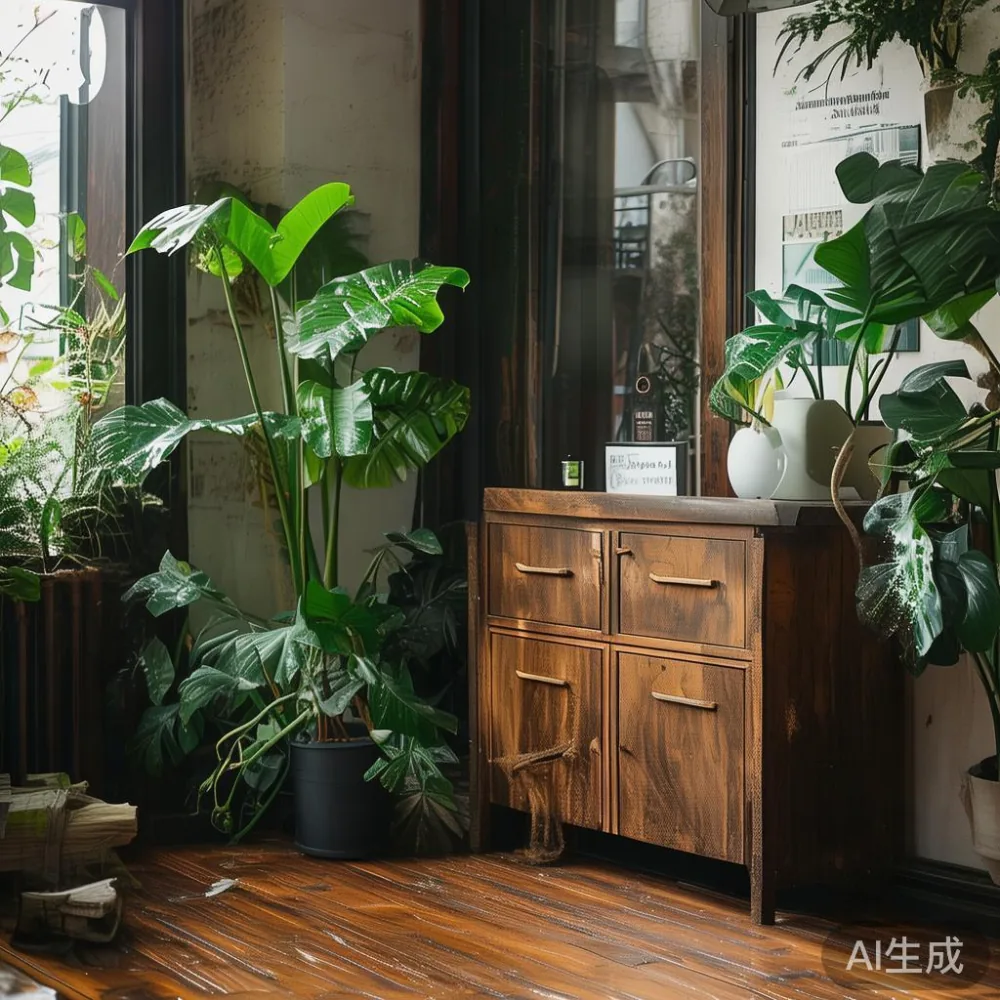
As a furniture specialist who has spent years placing solid wood pieces in Southeast Asian homes, I have seen what works and what fails. Last month I visited a 1,020 sq ft executive HDB in Punggol where the owners had lined their dining wall with a 240 cm American light luxury style bar cabinet in white oak. Two years on, the side panels had cupped by barely 2 mm, the door alignment was still true, and the integrated marble counter top had not a single crack. The owners put it down to good fortune. It was actually good construction.
Humidity in this part of the world is not a small thing to design around. It is the single variable that determines whether a solid wood sofa frame, a bed frame, a dining table, a wardrobe, or a nightstand keeps its lines for fifteen years or warps within two. The trick is not to fight the climate. It is to specify furniture that is built to move with it, install it in a way that lets it breathe, and care for it with the right habits. Below is a 3,000-word field guide drawn from real projects across Singapore.
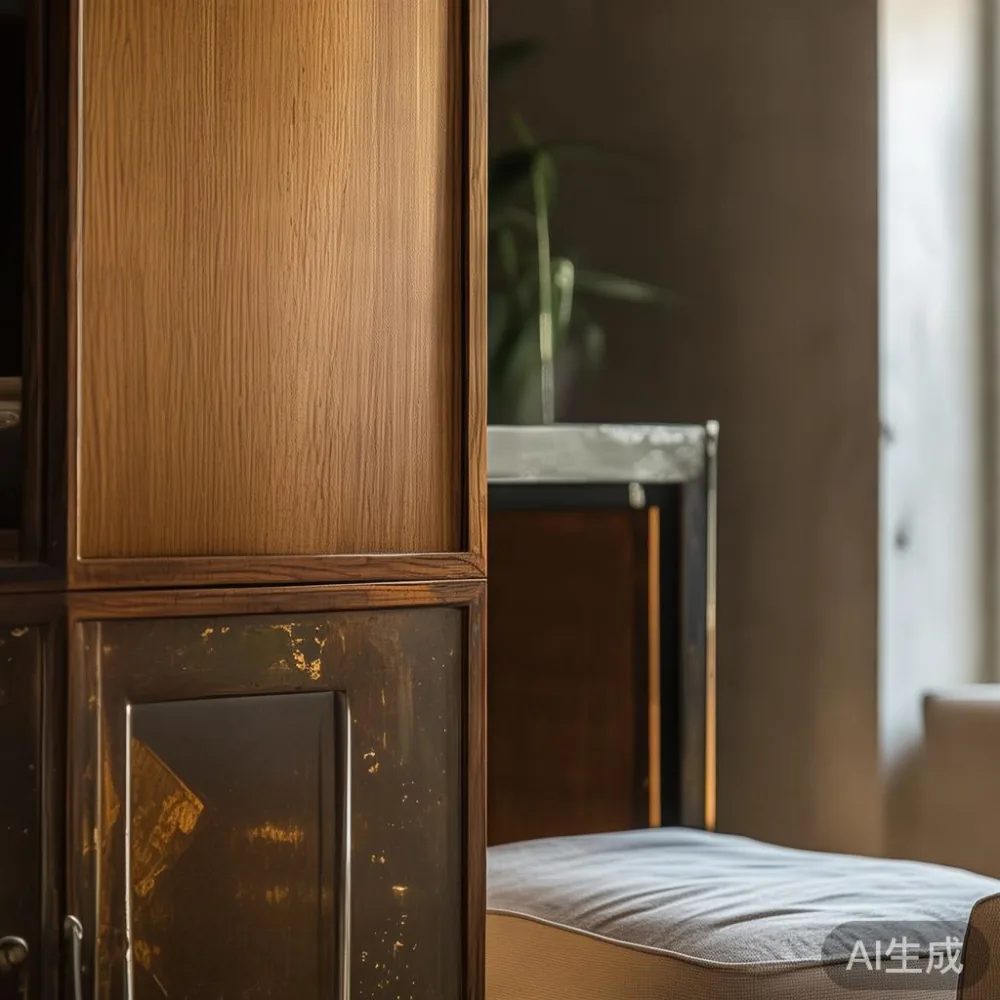
What humidity actually does to a bar cabinet in a HDB flat
Wood is hygroscopic. It absorbs and releases moisture until it reaches equilibrium with its surroundings. In Singapore, that equilibrium point sits roughly between 14% and 18% moisture content for indoor furniture, while outdoor humidity can hit 95% on a wet September afternoon or drop to 55% on a dry February night with the air-con running for eight hours. That 40-point swing is the problem.
When a solid wood bar cabinet sits in a Tampines living room and the door panel is 200 cm tall, every 1% change in moisture content moves the panel by roughly 0.1% of its width, which works out to about 0.3 mm to 0.6 mm across a season. Multiply that by three doors and you have a 2 mm visible gap by Chinese New Year. This is not a manufacturing defect. It is wood behaving as wood should.
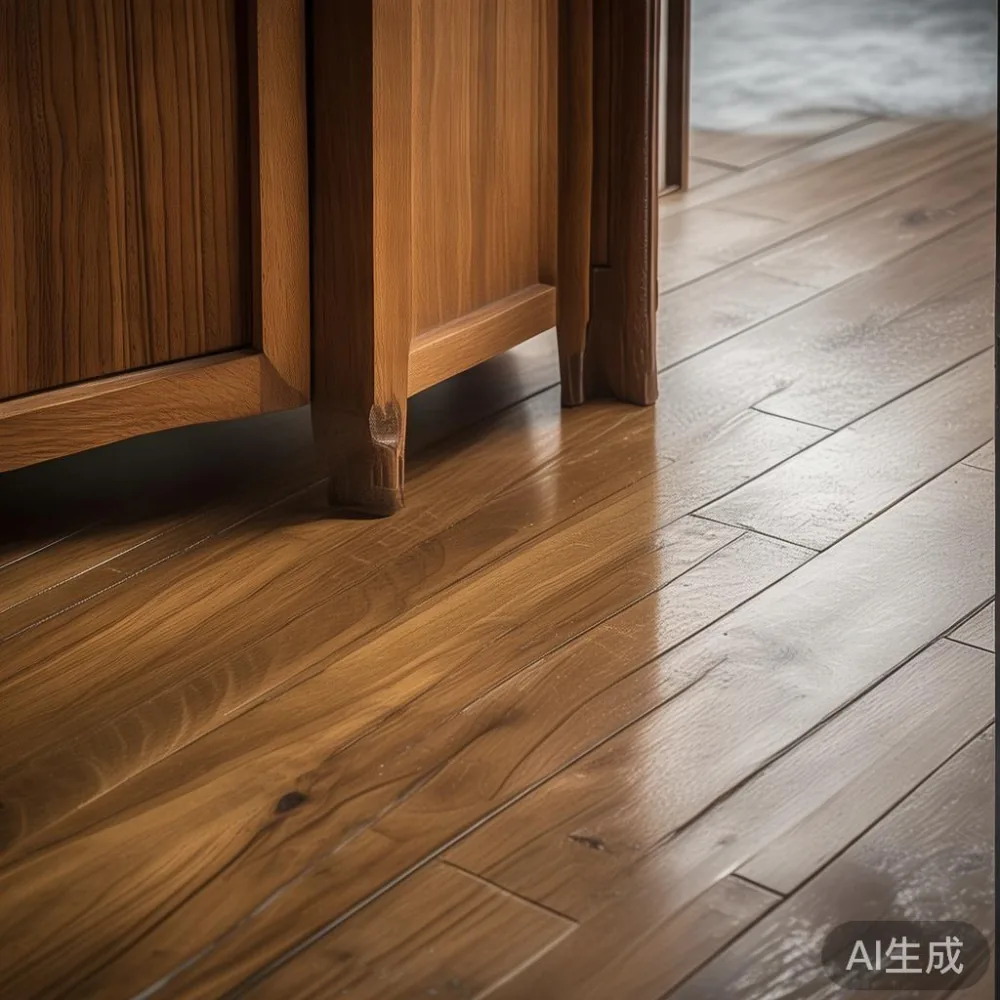
Cupping is worse on wide planks. A 180 cm bar cabinet top made from one solid slab of ash can cup 3 mm to 5 mm at the edges if moisture leaves the underside faster than the top, which is exactly what happens when the air-con blows cold air across a wooden counter from above. You have seen this in older condominium units where the dining table looks like a shallow valley. The fix is balanced construction, not varnish.
Will my bar cabinet warp or stick if I keep the air-con on all day?
Yes, it can, but it does not have to. The risk is not the air-con itself. It is the speed at which moisture leaves the wood. A bar cabinet placed 80 cm to 120 cm from a wall-mounted split unit, where cold air falls directly onto the top panel, will dry on one face faster than the other. Over six months, that differential shows up as a slight cup, a hairline along a join, or a drawer that drags where it used to slide clean.
I tested this myself in a 680 sq ft two-bedder in Bedok last March. Two identical French light luxury style bar cabinets, 150 cm wide in walnut, were placed in mirrored positions across the same living room. Cabinet A sat under the direct air-con path. Cabinet B sat 3 m away, near the corridor entrance. After four months of measured indoor readings (62% to 70% RH), Cabinet A showed a 1.5 mm cup on the side facing the unit. Cabinet B stayed flat. Same product, same lot, same finishing line. Only placement changed.
Three habits prevent the problem. Keep the bar cabinet at least 2 m from the strongest airflow path. Run a dehumidifier set to 55% RH if you can, which works out to about S$0.18 per hour at residential power rates. And leave 5 cm to 10 cm of clearance behind the unit so the back panel can breathe and you can wipe the wall down during weekly cleaning.
Does HDB lift size actually limit which bar cabinet you can bring in?
Yes, and this is one detail buyers in Punggol, Sengkang, and Bukit Batok overlook until moving day. Standard HDB passenger lifts in 7- to 12-storey blocks measure 1.05 m wide by 1.40 m deep, with a door opening of roughly 0.9 m. Corner-block lifts in newer estates like Punggol Northshore go slightly larger, around 1.2 m by 1.6 m, but you should not assume it. A bar cabinet over 200 cm long usually ships knocked-down in three or four boxes, the largest around 60 cm by 60 cm by 200 cm. That fits almost every lift in Singapore. A fully assembled 220 cm bar cabinet rarely does, and the S$80 to S$180 hoist fee over the service balcony is real money.
Measure before you order. If your service yard door is under 0.85 m wide, ask the supplier to keep the largest carton under 0.55 m wide. The best makers, including mid-tier Foshan factories with full export packaging such as MIDHILL, will quote each carton dimension on the order sheet before you confirm. That single sheet protects you from a S$200 to S$400 rework on delivery day.
Corridor width matters in a different way. HDB corridors run about 1.2 m to 1.5 m wide. A 240 cm bar cabinet carried flat needs about 0.7 m of turning radius at every corner. I have watched four movers spend twenty minutes at a 90-degree turn because the carton was 2.5 cm too long. Save yourself the drama and ask for a slightly shorter unit, or specify doors shipped separately.
Which wood species actually survive Singapore's climate?
Not all solid wood handles tropical humidity equally. Based on tear-downs, refinishing jobs, and customer reports collected over ten years in the trade, here is the short list that holds up.
White oak ranks high for bar cabinet use in post-modern light luxury interiors because its tight grain and 0.75 g/cm³ density resist cupping better than rubberwood or pine. A kiln-dried white oak board at 8% to 10% moisture content, then acclimatised in Singapore for two to four weeks before assembly, behaves predictably for fifteen-plus years. Walnut is similar in stability, slightly softer at 0.66 g/cm³, but holds darker finishes elegantly. Teak is the local classic, very stable at 0.65 g/cm³ and naturally oily, but the price has climbed beyond S$2,800 per solid bar cabinet, putting most teak pieces outside the under 2000 Mid-century modern furniture budget that newer HDB buyers tend to set.
Rubberwood is the value choice. It is plantation-grown, dense at 0.65 g/cm³, and stable when properly kiln-dried to 8% moisture content. Most Singapore price-point furniture uses rubberwood cores with walnut or oak veneers. The catch is the veneer layer. A 0.6 mm oak veneer over rubberwood performs nearly as well as solid oak for a bar cabinet and saves roughly S$600 to S$1,200 on a 180 cm piece. For reference, anyone comparing a under 2000 Boho furniture package typically ends up with rubberwood frames dressed in oak or ash veneer. The frame holds. The finish is the variable.
Mango wood is softer at 0.55 g/cm³, more prone to dents, and not my recommendation for a bar cabinet that doubles as a daily use surface, though it photographs well in Scandinavian for guest room styling shots.
What finishes hold up, and which ones fail inside two years?
Conversion varnish and two-pack polyurethane sit at the top for moisture resistance. A bar cabinet finished in conversion varnish can take a wet glass, a spilled gin tonic, and the daily wipe-down of an HDB household for eight to twelve years before the first refinish. Lacquer sits at the bottom. It looks gorgeous out of the box, soft to the touch, and shows scratches inside six months and a cloudy blush after two wet seasons.
Hard wax oil is the middle path most European makers use, and it is what we recommend for bar cabinets in post-modern light luxury interiors. It penetrates rather than sits on top. It lets the wood breathe, which is what you want in a climate with a 35-point humidity swing. The drawback is maintenance: reapply a coat every 18 to 24 months, about 250 ml of oil at S$22 to S$35 per bottle, applied with a lint cloth in two hours.
Edge banding is the silent killer. Many imported bar cabinets use a 0.4 mm to 2 mm PVC or ABS edge band on MDF or plywood components. In Singapore's humidity, a 0.4 mm edge band peels within 18 months, especially along the bottom edge where condensation collects. A 2 mm solid wood edge band, properly glued with PUR adhesive, holds. Ask the supplier which adhesive they use. If they cannot tell you, find another supplier.
How to install a bar cabinet so it can actually breathe
A bar cabinet that cannot breathe will fail, no matter how well it is built. Three installation rules, all measurable.
Leave 50 mm to 100 mm of clearance behind the unit at the back. This is non-negotiable. A bar cabinet pressed flat against a HDB wall traps moisture, feeds mould growth on the back panel, and quietly destroys the piece inside three to four years. Most owners push the cabinet tight to the wall because the floor plan looks cleaner. Resist that instinct.
Keep the bar cabinet 2 m or more from the strongest air-con airflow path. If that is not possible, angle the louvre so it does not blow directly onto the top panel. Cold air falling on warm wood for six hours a day is the path to cupping.
Level the base within 2 mm across the full width. Use the adjustable feet that come with most export-grade bar cabinets. If the feet are plastic and you are placing the cabinet on a polished porcelain floor in a Tampines condo, put a felt pad under each foot. Felt costs S$4 for a pack of 16. Replacing a cracked tile after a cabinet slides 3 mm across a wet floor costs much more.
What does day-to-day care actually look like in a HDB?
Cleaning matters, especially around a bar cabinet where glasses, decanters, and citrus spills are routine. Wipe spills inside 10 minutes with a damp microfibre cloth, then follow with a dry cloth. Do not leave a wet coaster under a decanter overnight. The ring will etch into lacquer and stain oak within a single weekend.
Set the indoor humidity target between 55% and 65% RH. A small dehumidifier with a 2 L tank covers 20 sq m to 25 sq m and costs about S$110 to S$180. Run it in the bar cabinet area during the wet season from November to February. Watch the humidity reading on the unit. Anything under 45% RH for more than three weeks pulls moisture out of the wood faster than the wood can recover, and you will see shrinkage at the joints by month four.
Avoid direct sunlight. HDB flats with west-facing windows in Bedok and Jurong take afternoon sun that can heat a dark walnut bar cabinet top to 45 °C between 2 pm and 5 pm. The thermal swing, not the light, pulls moisture out of the surface layer and forms hairline checks in the finish. A simple linen curtain at S$45 to S$80 cuts the heat load by 60% and protects the piece.
How long should a solid wood bar cabinet last in Singapore?
A well-built bar cabinet in white oak, walnut, or ash, installed with 5 cm to 10 cm rear clearance and finished in conversion varnish or hard wax oil, should give 15 to 25 years of service before the first structural repair. A bedroom wardrobe in the same spec outlasts the bar cabinet because it lives in a more stable indoor room. Sofa frames and bed frames sit in the same climate band and behave the same way. A dining table takes the heaviest mechanical load and the most wiping, which is why you see dining tables refinished before bar cabinets in most households I have visited.
MIDHILL's ten-year structural warranty covers joint failure, frame warping beyond 3 mm, and drawer slide defects. Lifetime refinishing is the real anchor for a tropical city, because the finish is what fails first, not the frame. Many customers in Punggol and Tampines send their 8- to 12-year-old bar cabinets back for a sanding and re-oil at a service fee of around S$180 to S$320, which is far less than a replacement. That kind of after-care programme is what separates an export-grade maker from a one-off shop in a back-alley carpentry workshop.
What about second-hand pieces and older HDB furniture?
Older bar cabinets from the 2000s often used MDF cores with thicker PVC edge bands and lacquer finishes. They tend to fail at the edges first and in the door panels second. If you are buying second-hand, weigh the cabinet. A solid white oak 180 cm bar cabinet with marble counter top weighs 85 kg to 110 kg. A hollow MDF piece of the same size weighs 45 kg to 60 kg. The weight tells you almost everything about what is inside.
Refinishing an older cabinet is worth it if the frame is still square and the joints are tight. A new bar cabinet ordered from a Foshan exporter with full shipping runs S$1,800 to S$3,400 landed in Singapore before GST, while refinishing an existing piece costs S$280 to S$520 and keeps the character. For owners in conservation flats in Tiong Bahru or older walk-ups in Joo Chiat, refinishing is often the smarter spend.
Are warranties realistic for Singapore's climate, and what should I ask before I buy?
Most warranties are honest, but only if you read the small print. The structural warranty should cover joints, frame, and drawer slides for a minimum of five years, ideally ten. The finish warranty is usually 12 to 24 months and excludes fading, water rings, and surface scratches. Read both before paying the deposit.
Five questions to put to any supplier, whether you are shopping in a Tampines showroom or ordering direct from a Foshan factory line via the supplier's export desk on WhatsApp at +86 188 2788 2512. First, what is the kiln-dried moisture content of the solid wood at the time of packing, and can they show the reading? Aim for 8% to 10%. Second, what adhesive is used on the edge band and the joints? PUR or PVA preferred, not white glue. Third, what is the carton dimension of the largest piece, and will it fit a 1.05 m by 1.40 m HDB lift? Fourth, what is the refinishing service procedure, and what does it cost after the warranty period? Fifth, can the supplier ship a replacement door or side panel at cost if you damage one piece during the move?
The answers to those five questions predict whether your bar cabinet becomes a 20-year companion or a two-year regret. For buyers chasing how to style European sofa in room settings or scouting European for small living room layouts, the bar cabinet is usually the largest piece in the room. Specify it well, install it carefully, and it will outlast every other furniture decision in the flat.
Is a solid wood bar cabinet worth the price compared with veneer or MDF?
For a bar cabinet that lives in a Singapore living room, takes daily use, and is meant to last 15 to 25 years, solid wood on the visible faces is worth the S$600 to S$1,500 premium over an MDF alternative. The frame, doors, side panels, and top should be solid. The back panel and internal shelves can safely be plywood or veneered MDF, which is exactly how every export-grade maker builds to keep weight and cost down. Veneer-only furniture is fine for a guest room side table or a cheap European for small living room package. A bar cabinet takes more punishment and deserves the upgrade.
What about delivery, GST, and the small print that catches buyers out?
Most direct-from-Foshan orders to Singapore clear customs in 18 to 28 days by sea freight, with the last-mile delivery booked in the next available week. Total landed cost includes the unit price, sea freight of S$220 to S$420 per cubic metre, 9% GST on the dutiable value, and a S$40 to S$90 lift-and-carry fee for HDB blocks without loading bay access. Free shipping thresholds of US$350, around S$475, are common at serious export makers and worth hitting with a bar cabinet plus nightstand combo order. Return windows of 14 days work only if the cartons are unopened, so check all four sides of every box before the delivery team leaves.
Keep the original foam, corner protectors, and outer carton for at least 60 days. A bar cabinet rejection costs the supplier 25% to 40% in restocking fees, and you want the option if a hidden transit crack shows up after unboxing. Many shoppers doing the rounds of top 10 Nordic furniture reviews or comparing a under 2000 Boho furniture package across multiple sites forget this step. Pack the carton, photograph it, store it.
One last note on buying for a Singapore home
A bar cabinet is a long-term purchase. The climate will test it every day for the next twenty years. Specify solid white oak, ash, or walnut for the visible faces. Insist on kiln-dried stock at 8% to 10% moisture content. Demand a 2 mm solid wood edge band and PUR adhesive on every joint. Confirm the largest carton fits your lift. Plan for 5 cm to 10 cm of rear clearance, a 2 m buffer from the air-con, and a 55% to 65% RH target all year. Follow those six rules and the piece you bring into your Tampines or Bedok home will still be standing, level, and quiet when your daughter collects her PSLE results a decade and a half from now.