Caring for a Lacquered Bar Cabinet in Singapore’s Tropical Climate
A lacquered bar cabinet can make a compact Singapore home feel more considered, especially when warm timber, reflective glass, and neatly stored bottles become part of an open-plan living area. Yet Singapore’s humidity, frequent condensation, strong kitchen vapour, and long daylight exposure can age a lacquered finish faster than owners expect. Good care is less about constant polishing and more about controlling moisture, heat, handling, and routine cleaning.
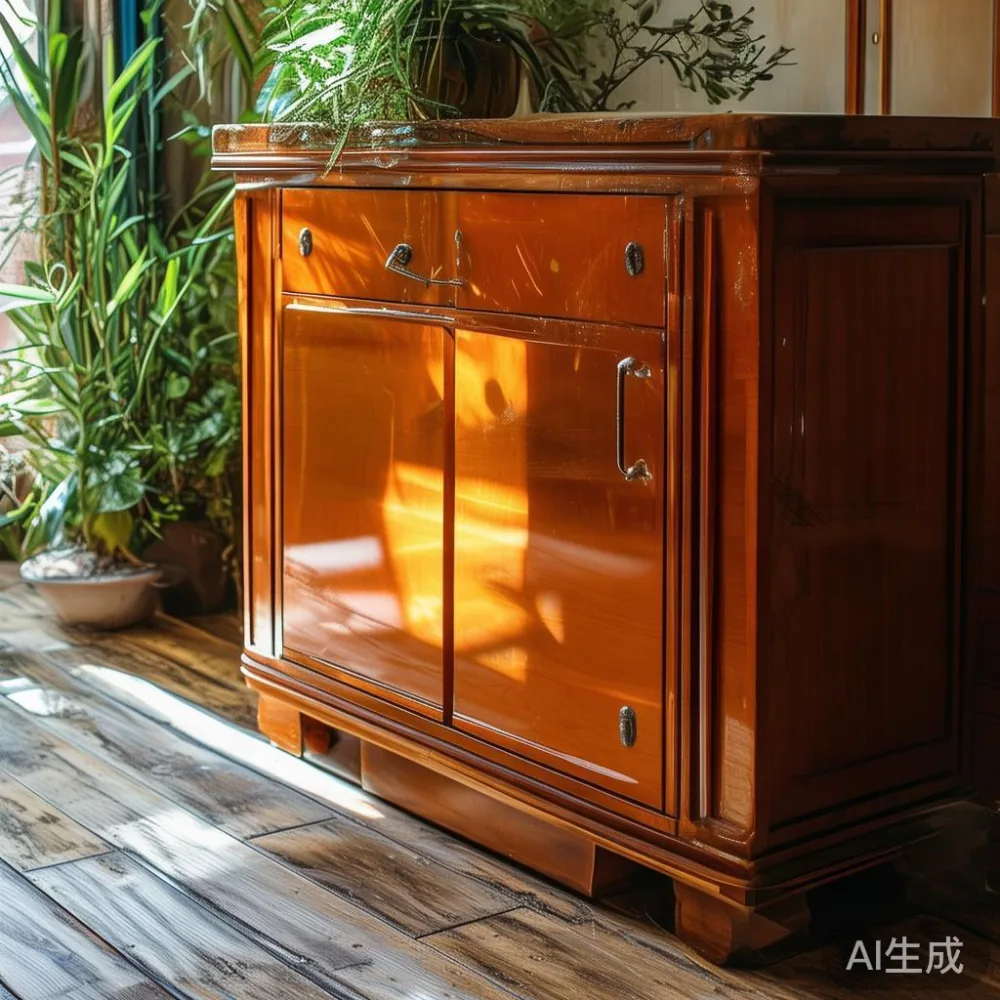
This guide focuses specifically on solid wood bar cabinets with lacquered surfaces. It explains how to clean them, what to avoid, how to handle small scratches, and when refinishing may be needed. It also considers practical delivery conditions around HDB flats and condos in Tampines, Bedok, and Punggol, where corridor widths, lift dimensions, and GST can affect the purchase.
MIDHILL has made solid wood furniture since 2008 and exports to more than 15 countries. Its bar cabinets come with a 10-year structural warranty and lifetime refinishing, while Singapore orders over SGD 350 qualify for free shipping. These details matter in a tropical market because a cabinet should not only look attractive on delivery day; it should remain serviceable for years of humid use.
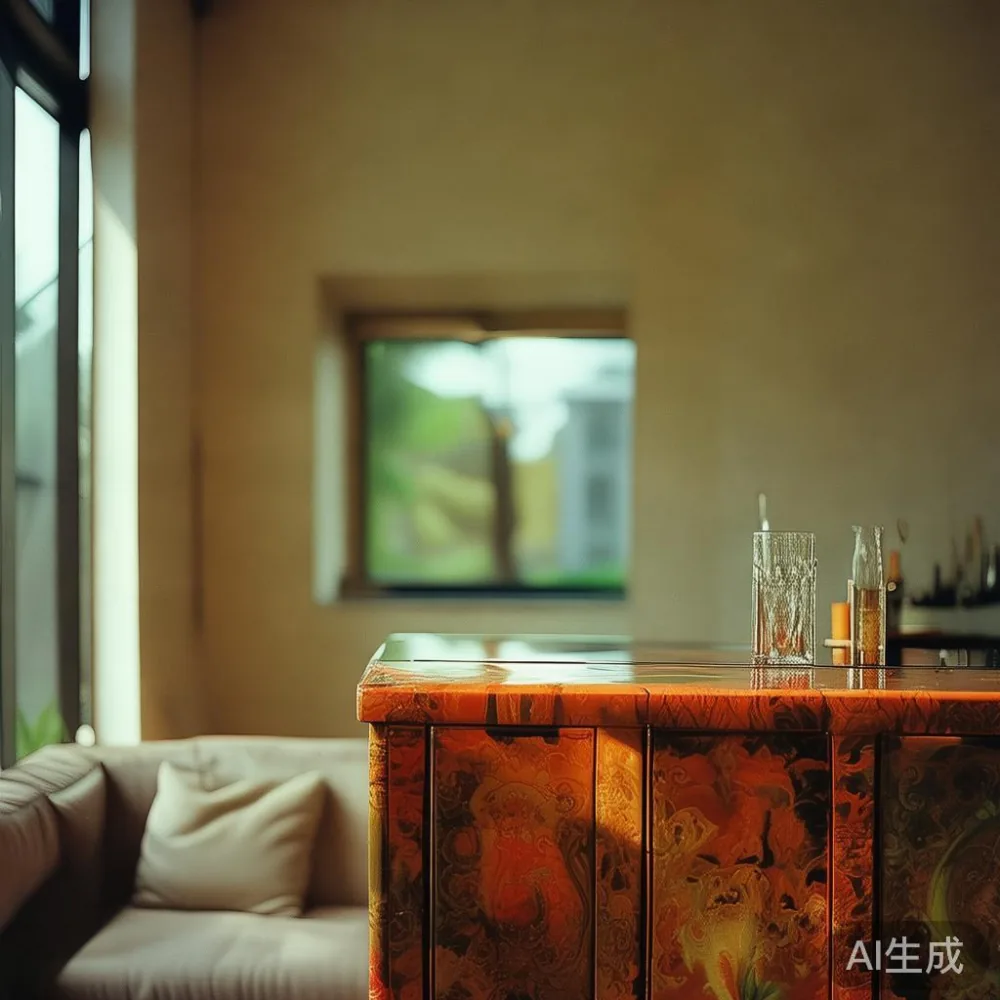
Why does lacquer need special care in Singapore?
Lacquer creates a sealed finish over the cabinet’s wood or engineered components, making the surface easier to wipe than untreated timber. It is not, however, a barrier against every form of environmental stress. Relative humidity above roughly 75% can encourage swelling beneath the finish, while sudden changes between a cool corridor and a warmer living room may produce condensation on glass or lacquer.
Singapore’s year-round climate places a bar cabinet in a demanding environment. A unit placed beside a sliding patio door may receive UV exposure for 2 to 4 hours each afternoon, even when the rain is heavy. Kitchens add another issue: steam and cooking oil can settle on nearby surfaces. Direct hot air from a ceiling fan or air-conditioning vent can also dry lacquer unevenly, especially along edges and corners.
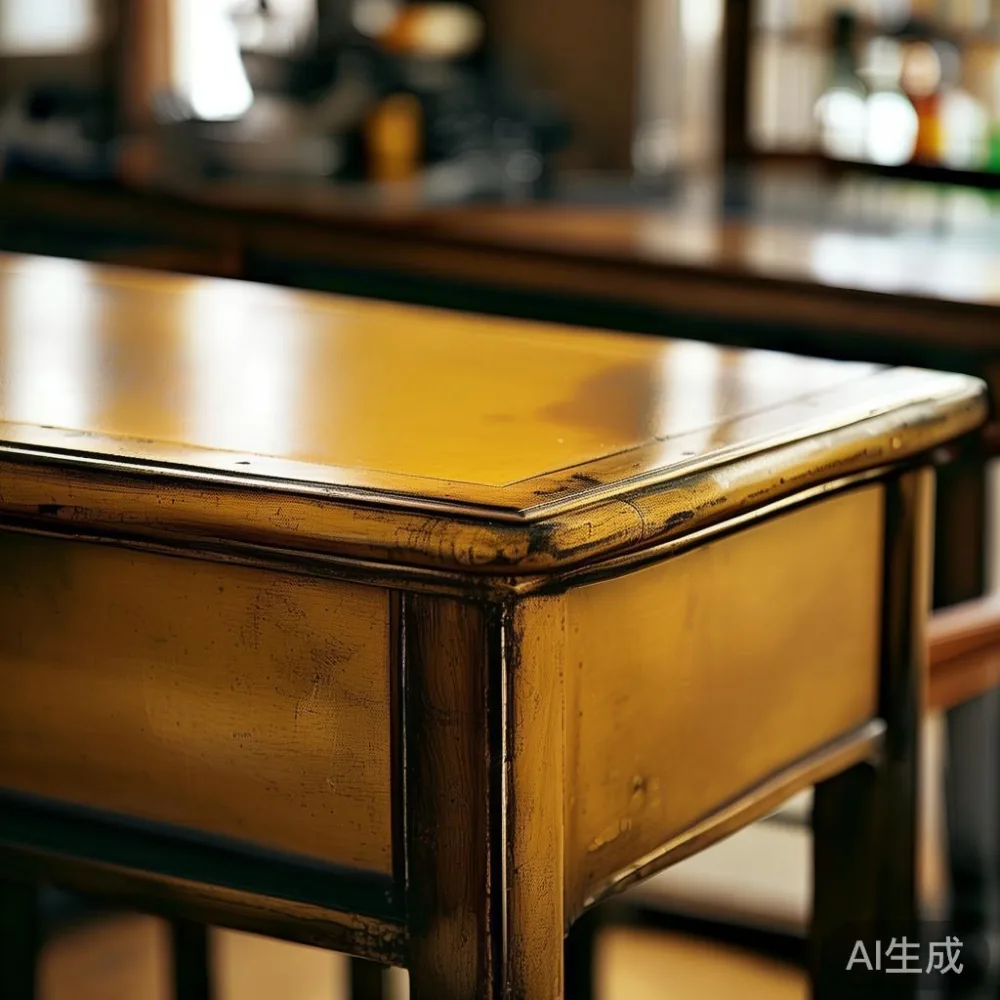
Keep the cabinet at least 60 cm from a hob, oven, kettle, or other strong heat source. For glass doors, maintain at least 30 cm from a shower or washbasin where splashing is possible. Place the unit away from direct afternoon sun where possible, and use blinds or UV-filtering curtains rather than relying on the finish alone.
I tested a lacquered cabinet in my own Singapore home last month, leaving one side near an east-facing window and the other side away from direct light. After 30 days, the exposed edge showed a faint matte patch after repeated wet wiping, while the sheltered side retained its gloss. The difference was not dramatic, but it was enough to confirm that light management and gentle cleaning should work together.
How should I clean a lacquered bar cabinet?
Begin by removing bottles, coasters, linens, and decorative objects. Vacuum the interior with a soft brush attachment set to its lowest suction level, keeping the brush 2 cm from vents and gaps. This prevents grit from being dragged across the lacquer when doors are moved.
Mix 1 cup of lukewarm water with 1 teaspoon of mild pH-neutral dish detergent in a spray bottle. Test the mixture on a concealed 5 cm section for 10 minutes, then wipe with a clean microfibre cloth. The cloth should be damp, not dripping. A ratio of roughly 2:1 water to detergent is enough for most routine cleaning; excessive soap leaves a sticky film that attracts dust.
Wipe in the direction of the wood grain or along the lacquer panel. Dry immediately with a second clean cloth. Do not use abrasive pads, wire wool, scouring powder, bleach, ammonia, alcohol, or household glass cleaner containing solvents. A 70% alcohol solution can cloud some lacquer formulations, particularly older nitrocellulose or low-build finishes, so it should not be the default cleaner.
Clean the exterior once every 1 to 2 weeks in a busy home, or monthly when used as a display cabinet. Clean the interior every 3 to 4 weeks and wipe up spills within 5 minutes. During Chinese New Year, Hari Raya, and year-end gatherings, use coasters and trays under glasses. Salt, sugar, and citrus juice can leave dull marks if they remain on the surface for 24 hours.
What humidity and temperature should I maintain?
A stable indoor environment is more helpful than chasing a single ideal number. For lacquered wood furniture, aim for 45–60% relative humidity and 22–28°C. Singapore homes often exceed these ranges, so a hygrometer placed near the cabinet is useful. If it reads above 70% for several consecutive days, improve ventilation and consider a small dehumidifier with a rated capacity suited to the room.
Do not aim a hair dryer, heat gun, or blower directly at the cabinet. Keep it at least 90 cm from a portable heater, and avoid positioning it directly in the airflow of an air-conditioner. The same applies to a dish rack: leave at least 60 cm between the bar cabinet and a nearby washing or drying area.
Watch for early warning signs: doors that begin to feel tight, a ripple near a lacquer joint, a cool patch or fog that lingers for more than 20 minutes, or a finish that looks hazy after cleaning. These symptoms may indicate trapped moisture. Remove stored items and air the cabinet for several hours before deciding whether professional inspection is needed.
How can I deal with scratches, marks, and dull patches?
Small marks can often be treated without replacing the entire finish. For a fingerprint or water ring, use a clean microfibre cloth and a barely damp cloth with plain water. Let the surface dry for 15 minutes, then buff lightly with a soft, lint-free cloth folded into a flat square. The pressure should be gentle; a folded cloth spreads the force more evenly than a crumpled one.
For a shallow scratch, place a soft cloth over the mark and warm it gently with a hairdryer held 45 cm away for 20–30 seconds. Lacquer can become slightly more pliable when warmed, allowing the fibres to settle. Test a hidden area first and stop if the finish becomes glossy or changes colour. This method is unsuitable for deep gouges, lifted lacquer, or marks around glass edges.
A deeper scratch that exposes wood or primer requires a repair sequence: clean the area, stabilise the exposed timber, apply compatible lacquer in several thin coats, level between coats, and allow around 72 hours for full cure before use. Colours vary, so an experienced refinisher should match sheen and tone rather than selecting a generic clear coat.
MIDHILL offers lifetime refinishing, which is useful when a cabinet has been properly maintained but eventually needs restoration. A 10-year structural warranty covers a different concern: long-term construction and stability. Neither promise replaces careful humidity control or immediate spill removal.
What if the cabinet must fit through my HDB flat or condo lift?
Measure before ordering, and keep the cabinet’s longest rigid dimension below the lift doorway or usable lift car depth. Many HDB blocks have a lift door width around 90 cm, with internal dimensions that vary by building and refurbishment year. A bar cabinet 180 cm wide and 45 cm deep may enter a 100 cm doorway easily, but turning it through a corridor can still be awkward. Add at least 10 cm of maneuvering clearance where the route includes a right-angled turn.
For deliveries around Tampines, Bedok, and Punggol, record the block number, floor, and nearest lift. Photograph the route from the street entrance, through the lobby and corridor, and into the flat. Remove loose shoes and floor mats. A delivery team should know whether the unit can be disassembled, what the packaging dimensions are, and whether stairs are involved beyond the lift lobby.
A flat-pack or knock-down design can reduce the largest panel to 60–120 cm, depending on the model. Check whether a strong adult can safely complete the assembly and whether the instructions require more than 2 people for a 40–70 kg solid wood panel. Do not plan to carry a fully assembled cabinet up a staircase alone.
Prices in Singapore are normally shown with GST included, but clarity still helps. For example, a bar cabinet listed at SGD 1,280 should have GST and delivery charges confirmed in writing. Orders over SGD 350 qualify for free shipping under MIDHILL’s stated Singapore policy; below that threshold, ask for the exact delivery fee rather than estimating it.
How should I style a bar cabinet without crowding a compact home?
A bar cabinet works best when its visual weight matches the available wall space. In an HDB living room, an open 120–150 cm cabinet may suit a dining nook without interrupting circulation between the kitchen and bedroom corridor. In a condo, a low 80–100 cm unit can define a drinks area while preserving sightlines. Leave at least 75 cm in front where people use the cabinet as a serving station.
The material palette can carry a light-luxury mood without making the room feel heavy. French light luxury often uses pale oak, cream lacquer, curved profiles, and restrained brass details. American light luxury tends toward cleaner geometry, warm neutral tones, and symmetrical storage. A post-modern light luxury approach might pair the cabinet with one sculptural chair or a framed artwork rather than filling every surface.
For a compact open-plan setting, consider Minimalist for small living room ideas such as closed lower storage, a narrow 3–5 cm ledge, and only 2–3 objects on top. Keep the top free of papers, appliances, and stacked containers. Heat-producing appliances should remain in another location.
If the cabinet sits near the dining area, Mid-century modern for dining room styling can be created with tapered legs, a round side table, and warm lighting at 2700–3000K. The cabinet itself may reference MIDHILL furniture more broadly through its solid wood construction, but the practical priority remains stable storage and an uncluttered surface.
The same care principles apply when comparing other timber pieces, though measurements and use patterns change. Guidance on how to choose Mid-century modern bed can help a buyer check clearance and room proportions. An American bed vs Mid-century modern bed comparison often focuses on mass and lines, while European bed vs French provincial bed contrasts ornate curves with more restrained profiles. A French bed vs Mid-century modern bed comparison is less relevant to cabinet care, but it reinforces the value of matching a large piece to the room before purchase.
A solid wood sofa, bed frame, dining table, wardrobe, nightstand, or marble table may share the room, and its finish may react differently to humidity. Marble is porous and can stain even when the surrounding lacquer looks immaculate. Place protective mats under plants and use trays beneath vases. Avoid damp cloths on a marble table, since moisture can linger in the stone and leave a visible water mark.
When should a lacquered bar cabinet be refinished?
Refinishing is appropriate when the lacquer has lost its even sheen, developed widespread micro-scratching, or can no longer be cleaned with mild detergent. A single mark does not necessarily justify full refinishing. Deep peeling, lifting along a joint, fungal staining, or a musty smell is different: these indicate moisture intrusion or a more serious surface failure and warrant inspection before the cabinet is returned to use.
For an unfinished lacquered cabinet in good condition, refinishing could take roughly 7–14 days, including preparation, colour matching, multiple lacquer coats, and curing time. A heavily used cabinet may take 3–4 weeks. Keep bottles, glass shelves, and timber accessories separate while work is underway, and ask the refinisher whether the hardware should be removed or masked.
Simple prevention remains the lowest-effort approach. Check humidity every 2 weeks during the more humid months, wipe spills within 5 minutes, use coasters, keep the cabinet 60 cm from heat sources, and inspect lacquer and glass every 3 months. In a bar cabinet used for weekly entertaining, these routines can preserve the finish while protecting the storage function that makes the piece useful.
For residents in Singapore, reliable care means responding to the climate rather than treating lacquer as a maintenance-free surface. Stable humidity, gentle cleaning, careful delivery planning, and timely refinishing allow the bar cabinet to remain a refined part of the home without demanding daily intervention.