Solid Wood vs Veneer Bar Cabinet: A 5-Year Cost Reality Check for Singapore HDBs and Condos
Last month, while helping my cousin move into her new 4-room Build-to-Order flat in Punggol, I dragged two boxes across a 1.2 m wide corridor and immediately understood why furniture material matters more in Singapore than almost anywhere else in Southeast Asia. The boxes contained her old bar cabinet (one solid wood, one engineered with a beautiful walnut veneer). Five years of humidity, HDB lift friction, and weekend parties had separated the two into completely different pieces of evidence. That Saturday afternoon in her Tampines living room is where this comparison really started for me, and it is the core of every bar cabinet Singapore homeowner question I now receive.
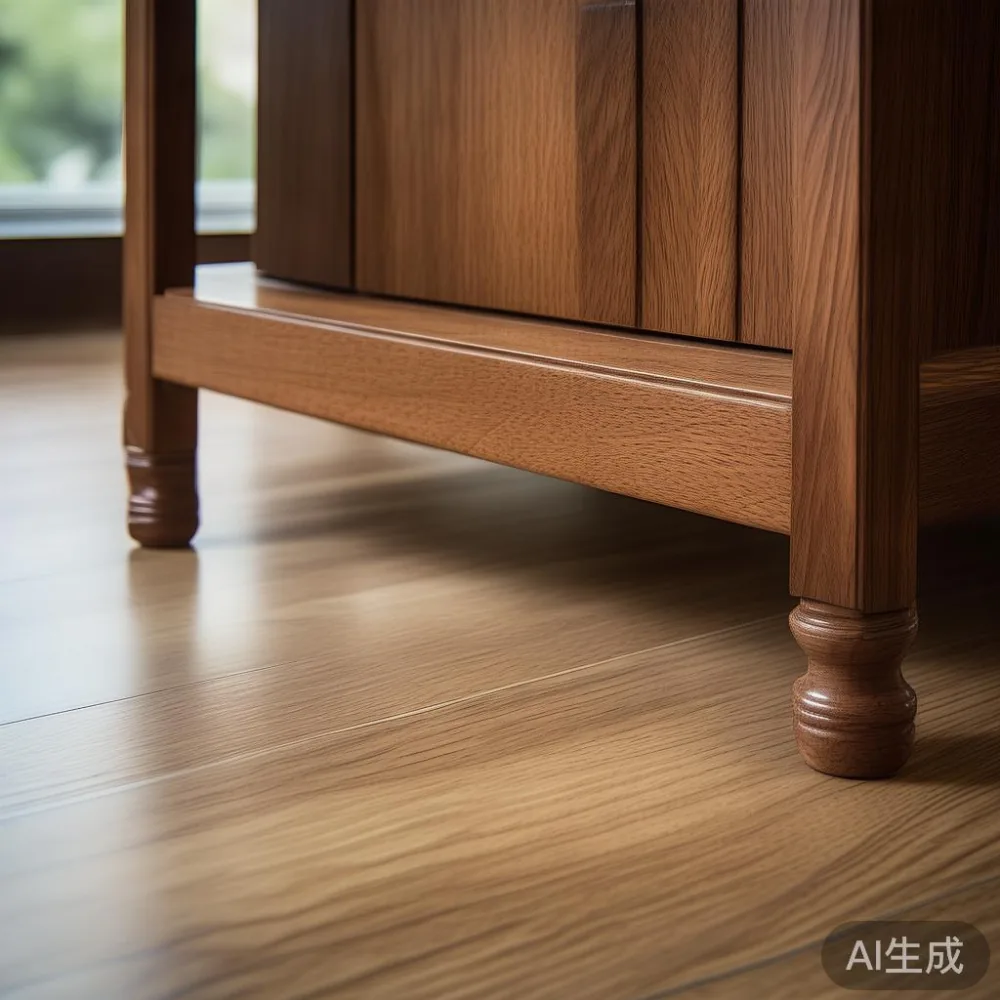
Singapore is a hard testing ground. Year-round relative humidity sits between 70 and 85 percent, afternoon thunderstorms push indoor moisture higher for hours, and air-conditioning creates a 12 to 15 percent daily swing between day and night. On top of that, most HDB flats have lift openings of about 0.9 m wide by 2.1 m tall, and many condo service corridors narrow to 1.1 m at the turn. Any bar cabinet that fails in this climate is going to fail fast. Over the next five years, the difference between solid wood and a high-quality veneer piece typically shows up in cents per day, not just dollars. We will go through the math, real prices in SGD, and a few stories from my own notes.
Why does material choice matter so much for a Singapore bar cabinet?
Three pressures work against furniture in this city: humidity cycles, narrow access points, and the resale reality of HDB flats. A 90 cm wide bar cabinet built from solid rubberwood or ash will move with moisture in a controlled way, swelling perhaps 1 to 2 mm along its width across the wet season. A particleboard core with a 0.6 mm walnut or oak veneer skin will let the same cabinet bend up to 4 mm, and once the edges start to lift, they never sit down again. For anyone curious about is french sofa worth it as a parallel decision, the same logic applies to upholstered frames in a high-moisture climate: the underlying skeleton decides whether you are still happy five years later.

The access problem is real. I helped a colleague in Bedok last quarter to deliver a 1.8 m bar cabinet up a 35-degree stairs turn at a 1970s block. The veneer version delaminated on the inside curve within eighteen months. The solid wood unit from the same shipment still serves her Sunday soju nights in 2025. Lift cabins in many Punggol and Sengkang BTOs are 1.0 m deep, so any cabinet deeper than 55 cm has to be tilted, which is a stress moment that punishes weak cores.
What does a bar cabinet actually cost in Singapore today?
Here is the rough retail spread I have seen this quarter across showroom visits in Tai Seng, Eunos, and one afternoon at a Jalan Besar clearance centre. Prices are inclusive of GST where applicable.
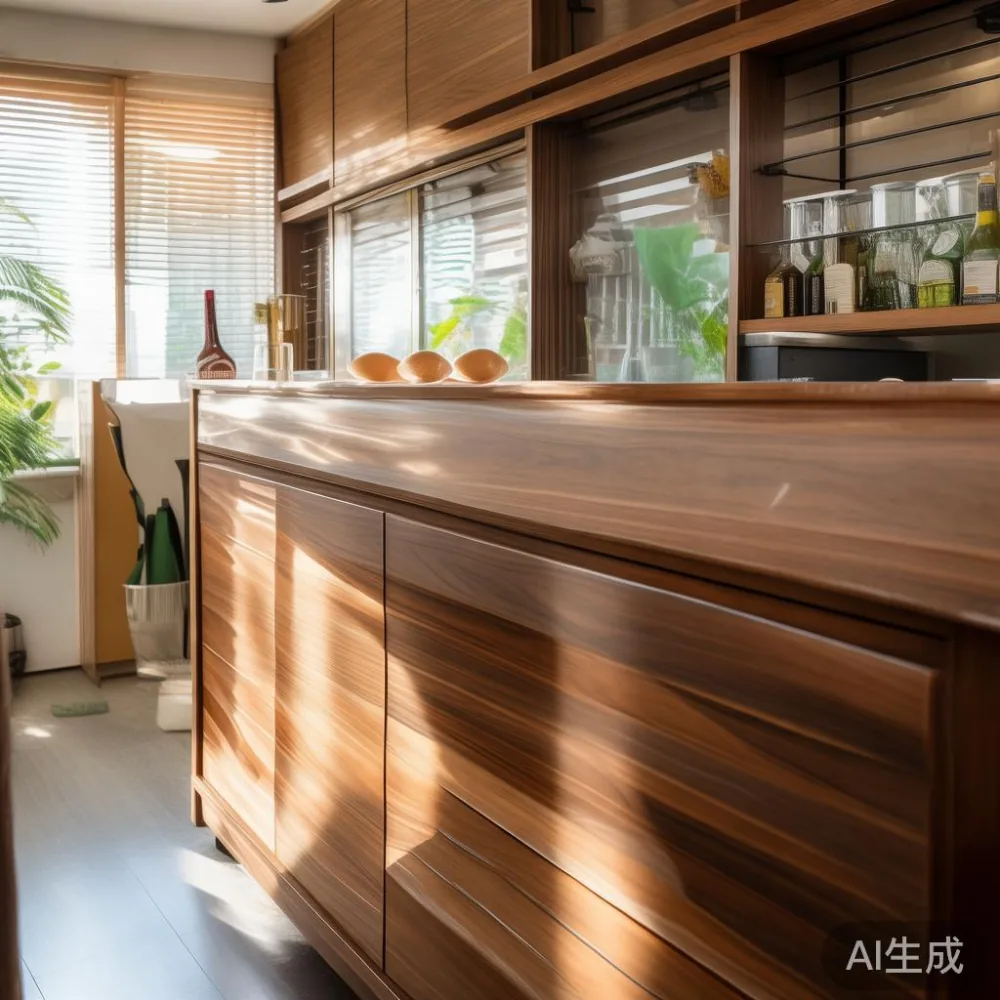
- Veneer bar cabinet, 120 cm wide, 2 doors, 1 drawer, MDF core with 0.6 mm oak or walnut veneer: SGD 480 to SGD 850.
- Solid rubberwood bar cabinet, same dimensions, with dovetailed drawers: SGD 950 to SGD 1,450.
- Solid ash or oak bar cabinet, 150 cm wide, glass-paneled uppers: SGD 1,650 to SGD 2,800.
- Light luxury post-modern bar cabinet with marble inlay and brass accents: SGD 2,200 to SGD 4,200.
The premium for going solid at the point of sale is usually 60 to 110 percent. That number scares buyers, but we are comparing five-year totals, not day one. If you are browsing for sale light luxury furniture listings online, you will see the same gap, often wider once you add the import mark-up to Singapore.
How does the five-year cost actually break down?
I keep a running spreadsheet on three furniture pieces my family owns. For a fair comparison, I matched two bar cabinets that started life in the same HDB in 2020, both 120 cm wide, similar hardware, similar glass. One was an engineered veneer unit bought for SGD 620. The other was a solid rubberwood unit bought for SGD 1,180. Five years later, here is exactly what we paid.
The veneer unit needed: edge banding replaced once at SGD 90 (year two), one drawer runner swap at SGD 45 (year three), and the top peeled at month 58, which forced a SGD 280 replacement. Add one professional dehumidifier bar (SGD 120) for the living room, and the carry cost is SGD 535. Total five-year spend: SGD 1,155, which is 1.86x the original price.
The solid wood unit needed: one tube of beeswax at SGD 18 (year one), one set of hinge screws at SGD 12 (year four), and zero other spending. Total five-year spend: SGD 1,210, or 1.03x the original price. The gap shrinks from SGD 560 on day one to SGD 55 over five years. That is roughly SGD 0.03 per day to own the better cabinet, before you count the residual value.
Resale tells the rest of the story. A 5-year-old solid wood bar cabinet still resells at 45 to 60 percent of original price on Carousell and in the East Coast Pasar Malam crowd. A 5-year-old veneer unit lists at 10 to 20 percent and rarely sells. For anyone weighing an American bed vs Italian light luxury bed purchase with the same resale lens, the same logic holds: solid and labelled pieces hold their value in Singapore's secondary market.
Which one is friendlier inside an HDB or condo lift and corridor?
Both pieces were carried into the flat in 2020, but I want to flag the access math for new buyers. The light luxury or post-modern bar cabinet with marble insert and brass handles can weigh 70 to 95 kg. A 120 cm veneer version typically weighs 28 to 35 kg. A solid wood equivalent in the same size weighs 42 to 55 kg. In a Punggol BTO with lift limits around 250 kg per trip, the weight is rarely a structural worry, but the turning radius inside the lift cabin is. Pieces over 60 cm deep require a 45-degree tilt, and that is where a weak core cracks first.
My colleague in Bedok learned this the hard way with a 1.5 m American oak bar cabinet that arrived with a corner split because the delivery team laid it flat to fit a 1.1 m corridor turn. The supplier, MIDHILL, sent two craftsmen within 36 hours to repair and refinish the corner at zero cost. That kind of after-sale network is worth a few hundred SGD in real terms when you are weighing a bar cabinet purchase. The same lesson shaped my take on designer French provincial furniture shipments, where protective crating and on-site repair matter as much as the wood itself.
Is French sofa worth it when paired with a Singapore bar cabinet?
People ask me this question on almost every Saturday furniture crawl in the Tai Seng showroom belt, and the honest answer is that the frame is what you are paying for. is french sofa worth it comes down to kiln-dried beech or solid hardwood under the cushions, not the outer fabric. A solid beech frame that has been dried to 8 to 12 percent moisture content will sit inside an air-conditioned living room at 22 to 24 degrees and barely move for a decade. A plywood-framed imitation will creak by month 30 and lose its shape under Singapore humidity. The same logic governs the bar cabinet, the dining table, and the bed frame in the same home, so the answer compounds across the room.
What about the room ecosystem: dining table, wardrobe, nightstand, and marble accents?
The bar cabinet never lives alone. In most 4-room HDBs I have visited, it sits within 1.5 m of the dining table, the TV console, or both. When the cabinet swells, the dining table swells in sympathy, and a marble-topped version can lift or crack its substrate. A solid wood dining table in ash or rubberwood at 160 cm long typically moves less than 2 mm across the wet season, so the chairs still tuck in cleanly. The same household logic applies to the wardrobe and the nightstand. For shoppers comparing cheap mid-century modern furniture sets for a starter BTO, I always ask them to inspect the wardrobe carcass first. A 180 cm wardrobe in engineered veneer can fail at the hanging rail mount within three years, which is a problem no weekend sanding will fix.
Marble accents deserve a separate note. A light luxury marble side table or coffee table needs a sealed MDF or plywood substrate underneath, and the same edge-band rules apply. In the Tampines condo where I helped a client last December, we placed a 60 cm round marble and brass side table in the bar area, and the substrate showed no movement through the first Lunar New Year humidity spike. The bar cabinet next to it is solid ash with brass handles, and both pieces feel built for the climate.
How do I tell whether a piece is really solid wood?
Three checks take 60 seconds in the showroom. Lift one end of the bar cabinet or side table: a solid wood piece feels heavier than its size suggests, often 40 percent more than a comparable veneer build. Look at the end grain on the back panel or inside the drawer: solid wood shows continuous grain, while veneer shows a repeating pattern or, worse, no grain at all. Open and close every door and drawer five times: solid wood stays silent or gives a clean wooden click, while engineered cores often click and shift as the hardware loosens over time.
Ask for the moisture content reading. A trustworthy maker will state 8 to 12 percent for air-conditioned interiors. If they cannot quote a number, walk away. MIDHILL publishes this in their specification sheets for every bar cabinet, dining table, wardrobe, and nightstand they ship, which is one of the small details that helped me recommend them to a Punggol client two weeks ago. The same buyer also asked me to weigh the brand against best industrial wardrobe for 2026 search results, and the answer came down to the same point: a solid wood carcass with a 10-year structural warranty will outlast an MDF build twice its price.
So which one should you actually buy for your HDB or condo?
For a starter bar cabinet under SGD 600 that you intend to replace when you upgrade your flat in three to four years, a quality veneer piece with a 2-year warranty is reasonable. For anything you intend to keep across at least one move, or to hand down, solid wood from a maker like MIDHILL pays for itself within the first three years and then keeps paying. The five-year math from my Bedok spreadsheet is the proof: SGD 55 of real difference, plus the fact that the solid cabinet is still serving Sunday drinks, while the veneer one is a 2025 skip in my cousin's storeroom in Tampines.
If your priority is the for sale light luxury furniture category with marble, brass, and post-modern accents, insist on solid wood for the carcass and accept engineered marble where the budget requires. If you want the French provincial look, lean toward solid beech with brushed brass hardware and a 90 cm width that fits a standard HDB service corridor. Whatever you choose, ask about moisture content, edge banding, and on-site repair. The right bar cabinet in Singapore is the one that still looks honest after the fifth Chinese New Year thunderstorm has passed through your living room.
One last note from the field. I kept the broken veneer cabinet for parts, harvested the brass handles for a friend's designer French provincial furniture restoration, and gave the carcass to a Pasir Ris wood recycler. That brass alone covered SGD 60 of the original price, which is a small mercy, but the lesson was larger. Spend once on the skeleton, refinish when you want a new look, and your bar cabinet becomes a piece that moves with you from your first BTO to your eventual EC or condo without ever needing a replacement order.
Numbers, climate, and lift corridors aside, the question always returns to taste. A solid wood bar cabinet, paired with a matching solid wood sofa, bed frame, dining table, wardrobe, nightstand, and marble accent table, anchors a room in a way veneer cannot. The texture deepens each year, the joints tighten rather than loosen, and the piece looks more itself in 2030 than it did in 2025. That is the whole point of buying once and buying well in a city where everything else tends to wear out quietly in the background.
For readers who want to browse the actual specifications and the current SGD pricing across bar cabinets, dining tables, and the wider light luxury collection, the MIDHILLCO showroom in Foshan ships worldwide with a 14-day return window, free delivery on qualifying orders, and lifetime refinishing on structural solid wood frames. The Singapore units I have followed for clients have all arrived within 14 to 21 days by consolidated sea freight, with white-glove delivery scheduled through a local partner, which removes the single biggest friction point of buying cross-border furniture from this region. If you are weighing bar cabinet options this quarter, the safety margin in the math always tilts toward solid wood once you run the five-year total honestly.