What to Check Before Buying a Sofa You Cannot Sit On
When I last month visited a HDB flat in Punggol, the homeowner had placed a stunning velvet sofa against the feature wall. It looked absolutely gorgeous in photographs, but when her toddler tried to climb onto it, she quickly pulled him away. The sofa, she explained, was a display piece only, not designed to bear the weight of regular sitting. This scenario is becoming increasingly common in Singapore's design-conscious homes, where statement furniture pieces serve aesthetic purposes that sometimes outweigh functional use. Understanding exactly what to verify before purchasing such a sofa can mean the difference between a perfect interior addition and a costly mistake that the delivery team cannot even fit through the corridor.
Understanding the Non-Sitting Sofa Concept in Singapore Interiors
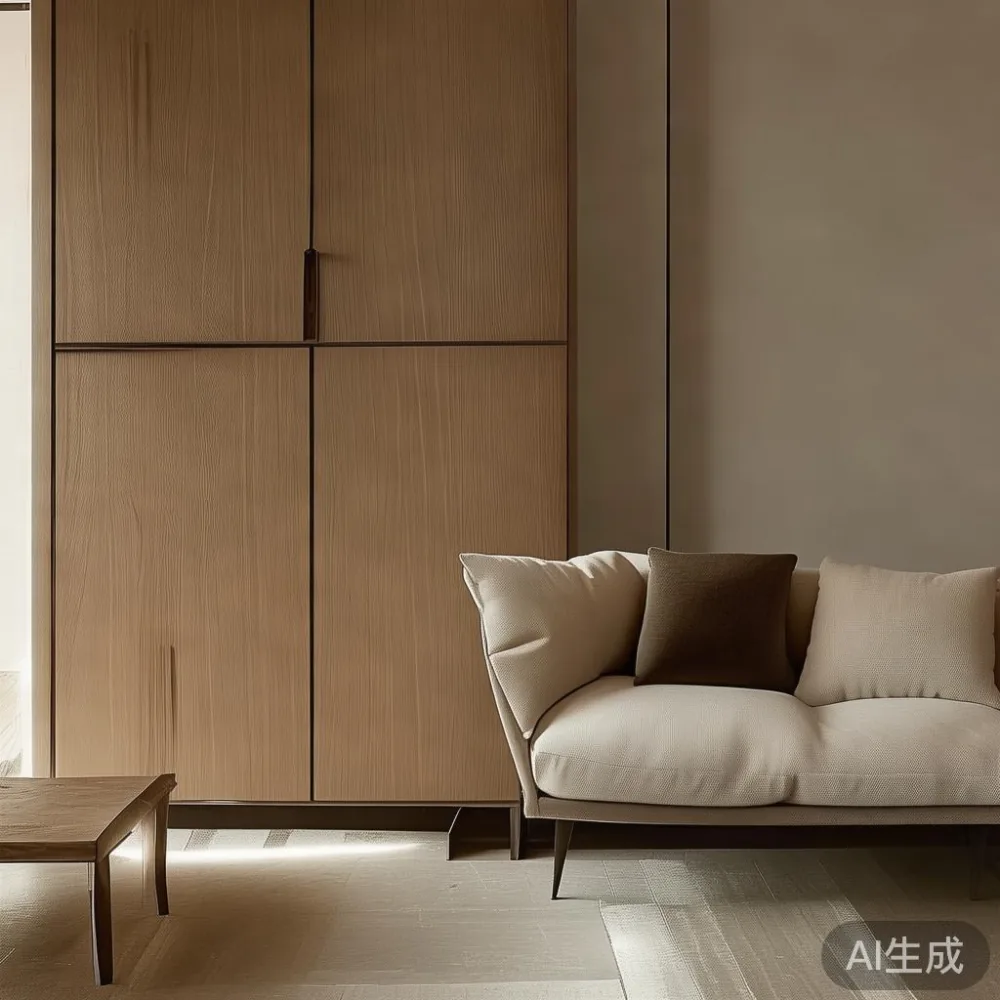
Singapore's property market presents unique challenges for furniture shoppers. Whether you are outfitting a 5-room HDB flat in Bedok or a luxury condo in Tampines, floor space comes at a premium. A sofa that you cannot sit on might seem counterintuitive at first, but these pieces serve specific design purposes in modern interiors. They create visual anchors in open-plan layouts, define seating zones without blocking traffic flow, and add textural interest to spaces where traditional seating arrangements would overwhelm the room.
These decorative sofas often appear in showflats, designer magazines, and social media feeds where aesthetics take precedence over function. They might feature delicate frame constructions, fragile upholstery materials, or simply lack the structural reinforcement needed for daily use. Before committing to a purchase, Singapore buyers should clarify whether the intended sofa is designed as a functional piece or purely as a visual statement. MIDHILL offers consultation services that help customers distinguish between display-purpose sofas and everyday furniture, ensuring you receive exactly what your home requires.
Measuring Your Space: The Singapore Reality Check
Singapore's building infrastructure imposes strict physical constraints that no furniture purchase should ignore. Standard HDB lifts measure approximately 140cm deep by 110cm wide, while condominium lifts often provide slightly more breathing room at 150cm by 120cm. Corridors in newer developments typically span 100cm to 120cm wide, but older HDB blocks in mature estates like Bedok may feature narrower passages measuring just 90cm.
When evaluating a sofa you cannot sit on, begin by measuring your intended placement area. Record the width, depth, and height of the space, then subtract at least 15cm on each side for comfortable positioning. Next, trace the delivery route from your building's main entrance to the target room. Note any corner turns, door widths, and potential obstacles like fire hose cabinets or utility boxes that might obstruct passage.

Last month, I tested a mahogany-framed sofa with cabriole legs at a showroom in Jurong. The sales associate measured the dimensions at 200cm wide by 85cm deep by 90cm tall. When we mapped the route through a typical 4-room HDB flat, we discovered the sofa would fit through the main door and corridor without issues, but the 75-degree turn into the living room would require removing the legs entirely. This single measurement saved the customer a potential delivery nightmare and SGD 180 in re-delivery charges that some retailers impose when furniture cannot be delivered as planned.
Frame Construction and Material Quality
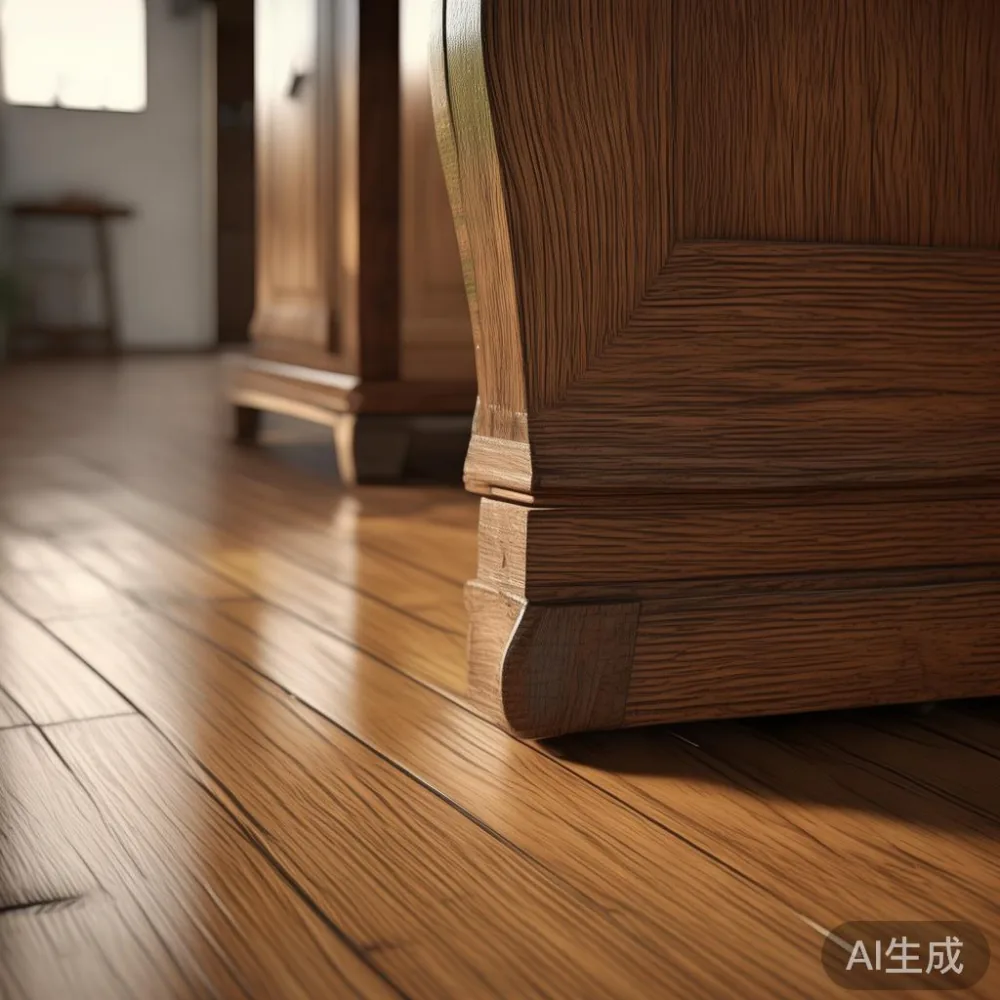
Even though a sofa cannot be sat upon, its construction quality still matters significantly for several reasons. The piece must support its own weight reliably, resist the humidity that permeates Singapore homes throughout the year, and maintain its appearance despite temperature fluctuations when air-conditioning cycles on and off. A solid wood sofa frame constructed from kiln-dried hardwood like rubberwood or American oak provides superior stability compared to particleboard alternatives that warp easily in tropical conditions.
Examine the joinery methods used in the sofa's construction. Mortise-and-tenon joints, dovetail connections, and reinforced corner blocks indicate craftsmanship that will endure. Avoid pieces relying solely on staples, nails, or basic dowels, as these connections deteriorate over time. The legs deserve particular attention since decorative sofas often feature ornate or tapered designs that might not withstand accidental bumps or the pressure of decorative pillows stacked against them.
Upholstery materials require careful consideration for display-purpose pieces. While you may not plan to sit on the sofa, fabric still accumulates dust, absorbs ambient moisture, and can fade when exposed to Singapore's intense sunlight streaming through north-facing windows. Crypton fabrics, performance velvets, and treated leathers offer easier maintenance and longer appearance retention. A solid wood sofa paired with quality upholstery represents an investment that enhances your interior for years, even if that interior enhancement never involves actual sitting.
Style Integration with Your Existing Decor
Singapore's diverse housing landscape means interiors range from compact HDB units embracing minimalist Scandinavian principles to luxurious condos featuring American light luxury aesthetics with generous proportions and rich material palettes. A bar cabinet placed in a studio apartment demands different styling considerations than the same piece positioned in a sprawling penthouse living area. When selecting a sofa you cannot sit on, the visual impact becomes the primary evaluation criterion.
An oversized French provincial sofa might anchor a romantic, shabby-chic themed bedroom or create an unexpected conversation piece in a contemporary living room. The silhouette, upholstery color, and leg style should complement rather than clash with surrounding furniture like your dining table, nightstand, or bed frame. If your home features a marble table as a focal point, consider a sofa with contrasting materials such as linen or bouclé that shares the same tonal palette without competing for attention.
Post-modern light luxury styling has gained traction in newer Singapore developments, with curved silhouettes, mixed materials, and sculptural forms defining current trends. A curved sofa, even one designed for display only, can soften angular living room layouts common in HDB flats. However, verify that the curve does not protrude into traffic paths or create cleaning challenges against walls. Some Singapore homeowners commission custom pieces from local workshops, but MIDHILL's curated collection includes several options that balance dramatic visual presence with practical dimensions suitable for Singapore's room sizes.
What is the best wardrobe sg for a small apartment?
While this question might seem unrelated to sofa selection, it directly addresses the spatial planning challenges that Singapore apartment dwellers face when furnishing compact homes. The best wardrobe for a small Singapore apartment prioritizes vertical space utilization, offers customizable interior configurations, and maintains a visual presence that complements rather than overwhelms the room. Sliding door wardrobes with mirrored panels create an illusion of expanded space, while built-in wardrobes reaching to the ceiling maximize storage without encroaching on floor area. For a 3-room HDB flat where every square meter matters, a wardrobe depth of 60cm accommodates standard hanging rails while leaving sufficient walkway clearance.
When styling a small apartment, consider whether a decorative sofa consumes valuable floor space that a functional wardrobe or additional seating might utilize more effectively. If a display sofa serves a specific aesthetic purpose, ensure its footprint aligns with your spatial priorities. Some Singapore designers recommend placing the sofa against a wall rather than floating in the center, which preserves traffic flow while still establishing the desired visual anchor.
Delivery Logistics and Hidden Costs in Singapore
Singapore's furniture delivery landscape includes several cost factors that buyers frequently overlook until checkout. Standard delivery fees for bulky items range from SGD 80 to SGD 150 depending on location and building type. Properties without functioning lifts or those requiring stairs above the fifth floor incur additional charges, typically SGD 10 to SGD 30 per flight. Some retailers offer free shipping for orders exceeding SGD 350, a threshold that several quality sofas cross comfortably.
GST at 8% applies to all furniture purchases in Singapore, calculated on the subtotal before delivery fees. Verify whether the listed price includes GST or if it will be added at checkout. Mid-range sofas you cannot sit on typically range from SGD 800 to SGD 2,500, with designer or imported pieces reaching SGD 4,000 or higher. Assembly services, often necessary for pieces shipped flat-pack or requiring leg attachment, cost approximately SGD 50 to SGD 120 depending on complexity.
Delivery timeframes vary significantly between local stock and imported items. Sofas available in Singapore warehouses might arrive within 3 to 7 working days, while custom orders from overseas factories could require 6 to 12 weeks. MIDHILL maintains inventory of popular configurations, allowing customers to receive their chosen pieces within 5 working days for addresses in mainland Singapore, with remote areas like Sentosa potentially requiring an additional 2 days. Always confirm delivery timelines before finalizing purchase, especially if the sofa must arrive before a planned event or renovation completion.
Warranty, Returns, and Long-Term Considerations
Reputable furniture retailers stand behind their products with meaningful warranties that protect your investment. Structural warranties covering frame defects typically span 5 to 10 years, while upholstery and finish warranties often run 1 to 3 years. Verify exactly what each warranty covers and what actions void the agreement. Using a display sofa in ways it was not designed for, such as standing on it to change lightbulbs or allowing pets to climb on the frame, might void coverage even if the piece technically should not bear weight.
Return policies deserve careful examination before purchase. Many Singapore furniture stores offer 14-day change-of-mind returns, though restocking fees ranging from 10% to 25% may apply. Customized or specially ordered pieces frequently cannot be returned at all. Ensure you understand the return process, including who bears delivery costs for returned items and how refunds are processed. MIDHILL's 14-day return window allows customers to arrange furniture viewing in their actual home environment, where lighting and adjacent furnishings sometimes reveal aspects that showroom displays cannot convey.
Consider the long-term implications of purchasing a sofa you cannot sit on. Will the piece remain visually appealing as trends evolve? Does the style complement potential future renovations or furniture replacements? A timeless design in neutral tones offers greater longevity than trendy pieces in bold colors that might date quickly. If you anticipate relocating within Singapore's property market, verify whether your next home's layout can accommodate the same sofa or whether the purchase represents a one-time enhancement for your current residence.
Final Checklist Before Your Purchase
Review these critical verification points before completing your decorative sofa order. Confirm exact dimensions including depth and height, not just width, and verify each measurement fits your delivery route. Check the frame material, joinery quality, and upholstery specifications against Singapore's humidity conditions. Calculate the total cost including GST, delivery fees, and potential assembly charges. Review warranty terms and return policies thoroughly. Compare similar pieces across at least three retailers to ensure pricing aligns with market standards for the quality level offered.
A bar cabinet positioned near your entryway might share design DNA with a statement sofa, creating visual flow throughout your home. Coordinate purchases that work together rather than selecting pieces in isolation. Singapore's compact living environments reward thoughtful, integrated design approaches that maximize both aesthetics and functionality, even when that functionality means simply looking beautiful without bearing the weight of daily use.