Solid Wood Furniture Pricing: Inside the Cost Factors
Solid wood furniture is often described as an investment, but the sticker price can vary by several thousand dollars for pieces that look similar at first glance. The difference usually comes from the timber species, grade, construction method, hardware, finish, size and the amount of labour involved. For Singapore homes, those factors matter just as much as appearance: a 180 cm bar cabinet may look compact in a showroom yet become difficult to manoeuvre through a 90 cm HDB corridor or into a 100 cm lift.
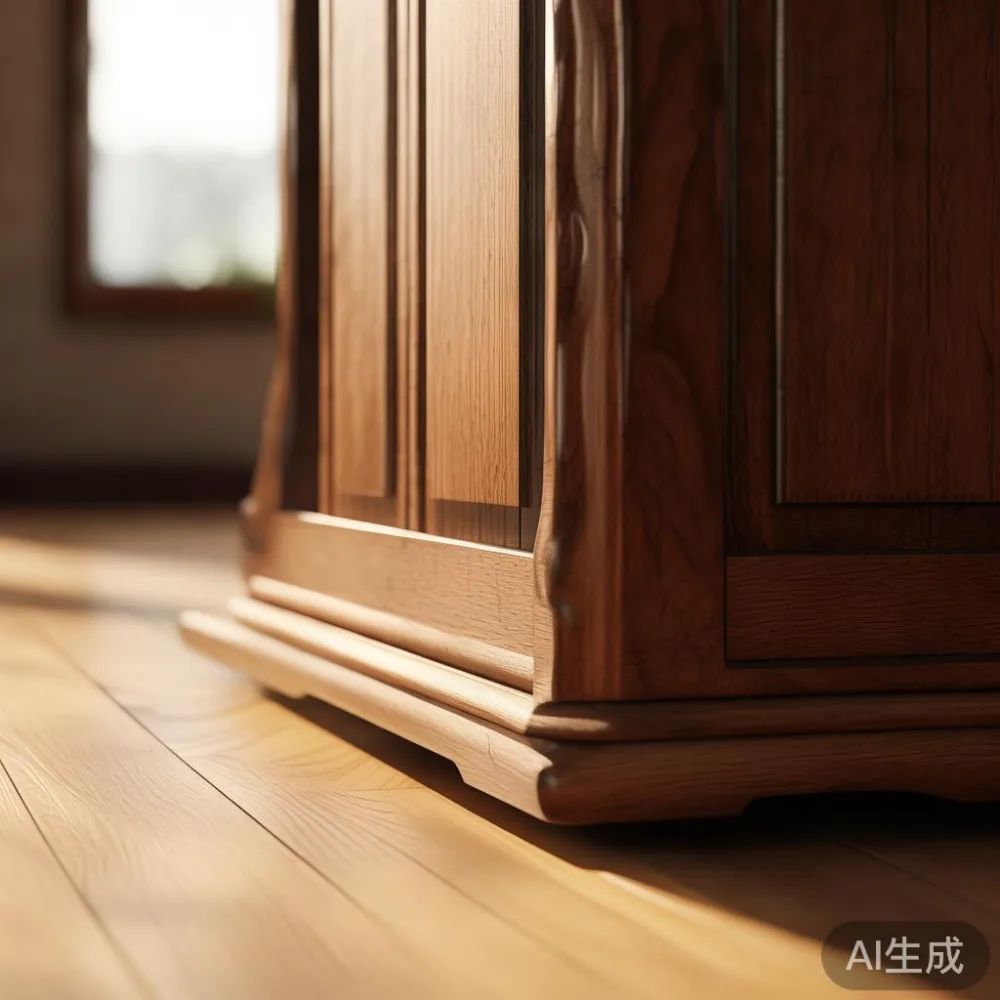
This guide explains where the money goes, why some solid wood dining tables and wardrobes cost more than others, and how to compare quotations without focusing on marketing language. For product enquiries, MIDHILL can be reached at +86 188 2788 2512. Prices below are in Singapore dollars and include 9% GST where indicated.
Is timber species the main reason a solid wood dining table costs more?
Yes, but it is only one of several cost drivers. Timber species affect the raw material price, machining difficulty, movement, colour and finishing requirements. A dining table made from rubberwood, pine or poplar may use less expensive boards, while teak, oak, walnut and ash can command higher prices depending on grade and supply. The presence of solid wood in the frame is not enough by itself; a customer should ask which parts are solid timber, which are plywood or engineered board, and whether the entire piece or only selected components are solid wood.
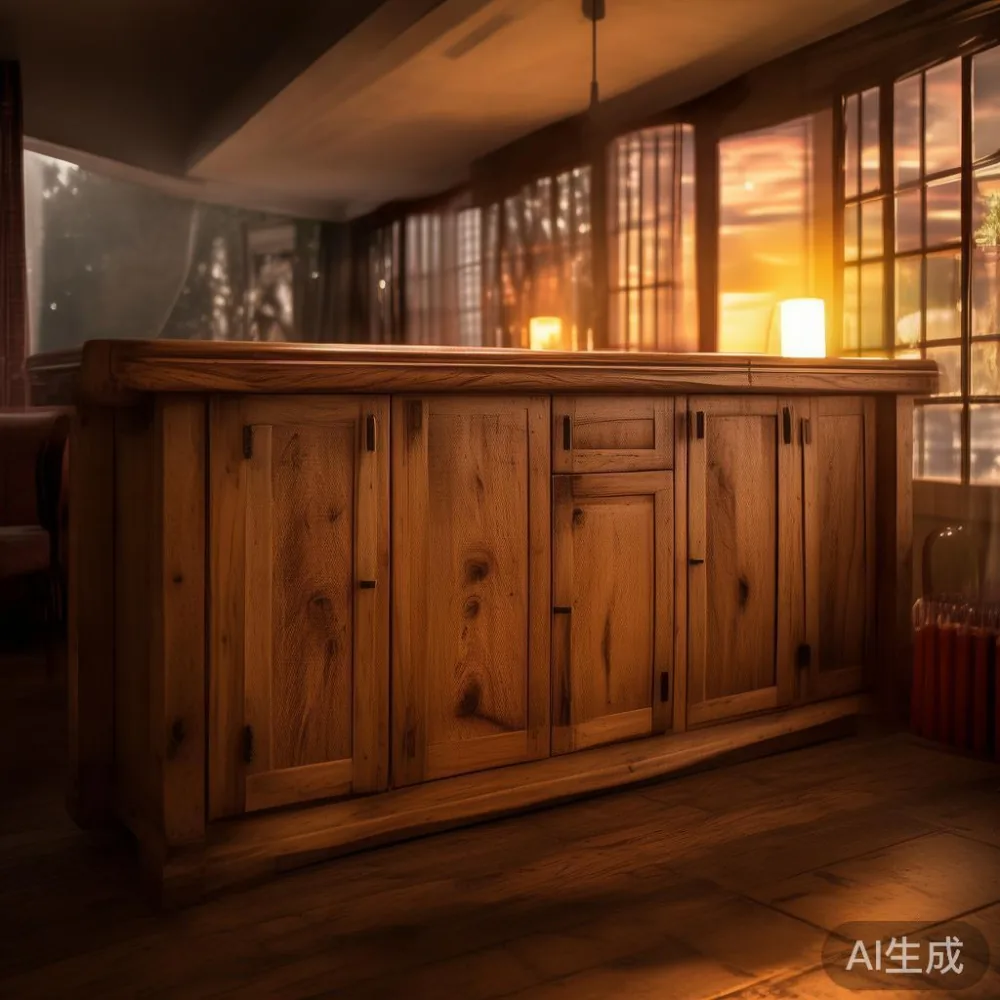
At MIDHILL, a useful comparison is a 180 × 90 cm solid wood dining table in a conventional oak finish at about SGD 1,280, compared with a more figure-rich walnut-toned design with sculpted edges at about SGD 1,760. That SGD 480 difference may reflect material selection, machining and finish complexity, not a simple “wood is wood” calculation. An 80 cm solid wood nightstand might range from SGD 420 to SGD 650, while a 60 cm bar cabinet with adjustable shelving and a ventilated wine section might range from SGD 980 to SGD 1,580.
Wood grade matters because knots, sapwood, grain variation and defects influence yield. A manufacturer may pay more for boards with the colour and figure shown in the sample, or more for stable, well-dried stock. Moisture control is equally important in Singapore’s humid climate. Kiln drying, acclimatisation and protective packaging can add cost, yet they reduce splitting, warping and joint movement after delivery.
Buyers should remember that “solid wood” does not guarantee a particular visual grade. Ask for the species, veneer and finish names in writing. If a marble table is offered with a solid wood base, specify whether the marble is natural or engineered, its thickness, the support system and the final weight. Natural marble variations are expected, while engineered marble may be more consistent.
How much does joinery add to the price of a solid wood bed frame?
Joinery can make a substantial difference. A 160 cm queen-size solid wood bed frame may use dowels, mortise-and-tenon joints, corner blocks or concealed fasteners. Stronger joints require accurate cutting, more setup time and tighter quality control. Screw-only construction can be economical, but the design must still distribute loads properly and resist racking.
A typical queen bed frame may weigh 45–75 kg depending on timber density and design. Slatted bases generally use 12–16 curved or straight slats, with spacers to prevent the frame from twisting. A slatted design may add SGD 120–300 compared with a basic centre-support board, but it can improve airflow and comfort when paired with the right mattress.
Finishing is another measurable cost. Hand-sanded edges, multiple coats, water-based coatings and repairable oil finishes require more preparation than a spray-only finish. On an item costing SGD 1,200, spending another SGD 100–180 on a more durable finish may be sensible if it will be used daily. The finish should be labelled clearly because wax, oil, lacquer and paint behave differently over 5 to 10 years.
For a bedroom, design style changes the labour involved. Searching for how to style Japanese bed in bedroom may lead to a low-profile solid wood bed frame with a 28–32 cm platform height and a calm, uncluttered profile. Searching for how to style Japanese wardrobe in bedroom raises another question: whether the wardrobe should be built around sliding panels or hinged doors. Sliding doors can suit tight layouts but need accurate tracks, while hinged doors need clearance for opening.
Consumers comparing a light luxury bed vs Japandi bed should focus on construction, not only the label. A light luxury approach may use curved headboards, brass-toned details, padded panels and European-inspired proportions. Japandi usually emphasises simpler geometry, pale timber and visible function. The light luxury bed frame may cost SGD 1,580–2,280, while a straightforward Japandi-style solid wood bed frame may cost SGD 980–1,560.
Why do hardware, drawers and cabinet mechanisms change a wardrobe or bar cabinet quote?
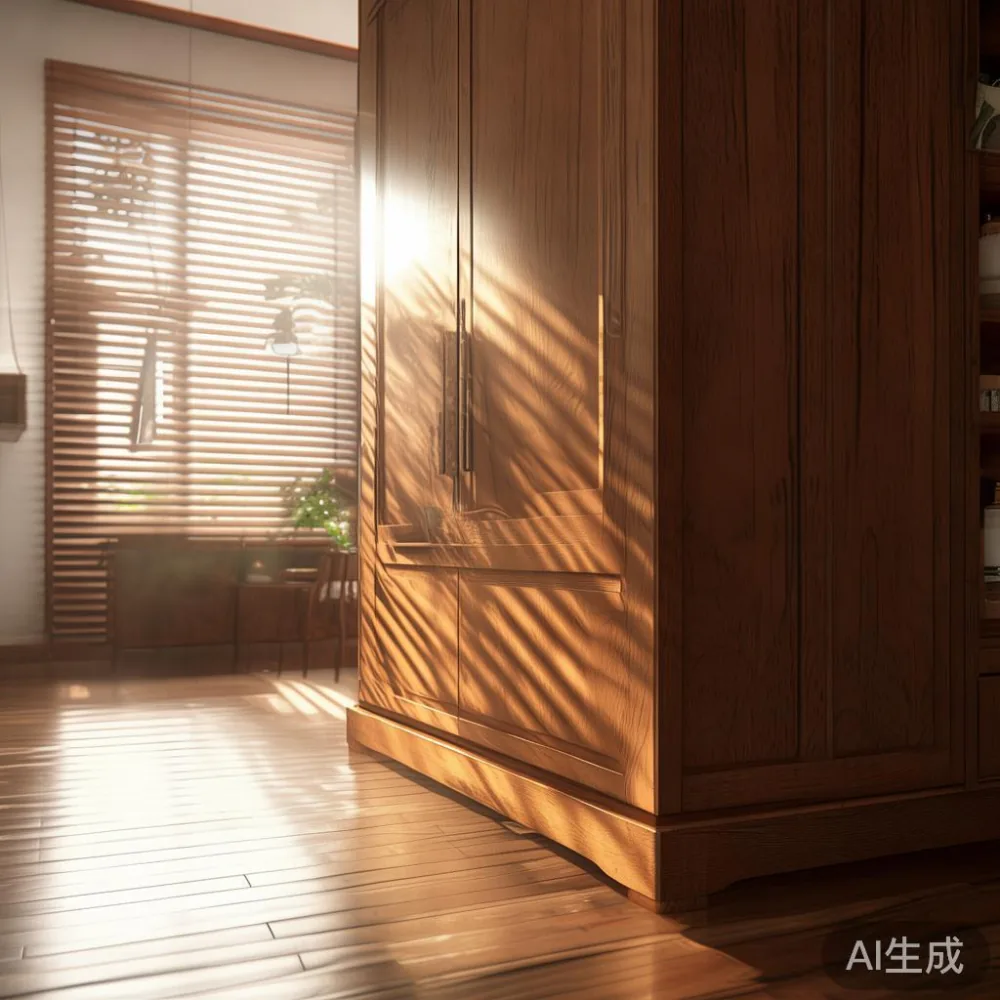
Hardware is frequently overlooked because it is hidden. Soft-close drawer runners, ball-bearing slides, hanging rails, LED strips, lift-up mechanisms and concealed hinges can add from 5% to 25% to a cabinet’s cost. A two-door wardrobe with adjustable shelves, hanging space and six soft-close drawers may therefore cost SGD 1,450–2,250, while a visually similar unit with basic slides and fixed shelves may cost SGD 1,050–1,600.
The dimensions also influence material yield. A tall 210 cm wardrobe can be built in one piece or as modules. Full-height doors are heavy, and splitting the carcass into sections can make transport easier, especially for HDB flats. It can also allow installers to work through the pantry or bedroom door more easily. Modular construction should not be treated as a defect if the joints remain tight and the visual lines are controlled.
The same logic applies to a bar cabinet. A 120 × 45 × 85 cm unit may include a solid wood top, adjustable shelves, a pull-out tray, glass doors and a ventilated compartment for bottles. Adding those functions can increase the price from SGD 980 to SGD 1,580. A 160 cm version may cost another SGD 250–500 because of additional timber, longer drawer slides and more complex supports.
Measure before ordering. A 120 cm bar cabinet may weigh 55–85 kg and have a packed depth of 48–55 cm. A 90 cm HDB corridor with a right-angle turn can require extra manoeuvring, and a lift with a 100 cm door and 110 cm internal depth may not accept a boxed 120 cm unit if it cannot be tilted or rotated. Ask the supplier for the carton dimensions rather than relying on the assembled measurements.
Does light luxury styling really raise the manufacturing cost?
Styling affects labour mainly when it introduces shaped components, precise gaps, decorative profiles, metal inlays or coordinated finishes. French light luxury often involves fluted panels, curved edges, metal accents and layered neutral colours. American light luxury may use broad forms, generous upholstery and darker timber tones. Post-modern light luxury can combine contrasting shapes or materials, but it still needs disciplined proportions and good joinery.
For example, a solid wood sofa with a timber frame may cost SGD 2,400–3,600 before upholstery is added. Fabric, leather, cushion density and the number of covers can add another SGD 300–900. A marble table may cost SGD 1,400–2,800 because the stone itself is heavy and may require a balanced timber support structure. By comparison, a simple solid wood coffee table may range from SGD 520–980.
Design language alone does not set the price. A SGD 2,000 dining table with strong joints and a durable finish can offer better long-term value than an SGD 2,600 model whose premium comes mainly from ornate styling. Evaluate whether the extra detail improves daily use.
Search results for top 10 Boho furniture can include rattan, woven textures and carved timber, but the listing itself is not a price benchmark. Rattan frames may be lower in cost, while solid wood Boho pieces with hand-finished carving can be labour-intensive. Material, construction and the condition of the joints still matter more than the style label.
What should I compare when checking solid wood furniture prices?
Compare the specification, not just the total. Request the timber species, dimensions, solid wood components, joinery type, drawer and hinge brands, finish layers, weight, carton size and warranty. A product that costs SGD 1,100 but specifies 18 mm solid timber, solid wood drawer boxes and soft-close hardware may be more useful than a SGD 1,500 product with engineered boards and standard slides.
Last month I visited a supplier in Foshan with a tape measure and weighed three wall cabinets made from the same timber family. Their quoted prices were SGD 680, SGD 940 and SGD 1,120. The middle unit weighed 31 kg and had adjustable shelves; the heavier unit weighed 43 kg and included a thicker top, framed doors and concealed hinges. The measurements confirmed that the premium corresponded to more material and hardware rather than an arbitrary style mark-up.
Use a written checklist:
- Confirm the exact solid wood area: carcass, doors, drawer sides, back panel or only the visible face.
- Ask for external and internal dimensions, including shelf clearances and drawer travel.
- Request carton dimensions and packed weight for lift and corridor planning.
- Compare finishes by number of coats, repairability and expected maintenance.
- Check whether replacement slides, hinges and rails are available for at least 5 years.
- Include delivery, assembly and GST in the final comparison.
Singapore buyers should also account for the last 10% of the project. A dining table may need 95 cm of chair clearance when occupied. A bar cabinet may require 110–130 cm of circulation space if drawers open. In condos with managed moving rules, check elevator reservation windows and protective flooring requirements before delivery.
How do delivery, GST, warranty and returns affect the true price?
The final payable amount can differ from the showroom figure because of GST, delivery, stairs, installation and access charges. At 9% GST, a SGD 1,500 item becomes SGD 1,635 before delivery. A flat in Tampines, Bedok or Punggol may be straightforward if the item fits the lift and corridor, but a narrow 82 cm service lift can require partial carton removal or an external assembly team.
Ask whether delivery is free above a stated threshold, whether upstairs delivery and assembly are included, and what happens if the package does not fit. Typical lead time for a made-to-order bar cabinet is 25–45 days after drawing approval. Stock pieces may be available in 7–14 days, while a custom solid wood dining table can take 35–60 days. These periods should be distinguished from the delivery appointment itself, which might add another 3–10 days after production.
MIDHILL states that it has operated since 2008, exports to more than 15 countries, provides a 10-year structural warranty and offers lifetime refinishing. It also lists 14-day returns and free shipping above US$350 for qualifying orders. Warranty terms should still be read closely: “structural” may cover frame or carcass defects, while surface finish, stone cracks, electrical components and misuse may have different conditions. Confirm the local return freight arrangement in writing.
Consider maintenance over 5 years. A solid wood dining table may need an oil or lacquer inspection every 12–24 months, depending on use and humidity. A bar cabinet may need anti-tip fixing, particularly in a family home. The small costs of felt pads, drawer adjustment and refinishing can be less disruptive than replacing a cheap component, which is one reason replaceable hardware and repairable finishes deserve attention.
Is a higher solid wood furniture price always worth paying?
Not automatically. A higher price is justified when it buys measurable improvements: denser or better-graded timber, stronger joinery, more useful storage, durable hardware, precise doors, safer finishes, easier delivery and credible after-sales support. It is less convincing when the increase is explained only by “luxury”, “heritage” or an unqualified wood name.
The clearest approach is total-cost comparison. Record the item price, GST, delivery, assembly, expected maintenance and replacement parts. A bar cabinet at SGD 1,380 may be a stronger choice than one at SGD 1,060 if it has a 45 mm top, solid wood drawer boxes and adjustable soft-close slides. Conversely, a compact nightstand at SGD 460 may be entirely suitable for a 90 cm bedside if it weighs 14–18 kg, uses stable joinery and holds the items it needs to hold.
For a Singapore interior, proportion and access are as important as the quoted price. Measure the lift, turns, doorways, stair widths and the intended room position. Confirm the packed weight, provide clear photographs of access routes, and keep the approved drawing with the order. Those practical checks protect both the furniture and the service experience.
Ultimately, the price of solid wood furniture is driven by a chain of decisions: what was harvested, how much was discarded, how the components were made, which mechanisms were selected, how much finishing was applied, how the piece reaches your home and what support remains available after sale. When each part is visible in the quotation, the price becomes easier to judge—and easier to compare.