What Actually Drives the Price of Solid Wood Furniture
I still remember the afternoon my colleague Kelvin called me from his new 4-room HDB flat in Punggol. He had just signed the keys, the vinyl flooring was barely a week old, and he was staring at two bar cabinet quotations on his phone — one for S$2,150, another for S$3,680. Same dimensions on paper, both labelled "solid wood", both promised delivery within three weeks. He asked me a question I have heard from family, friends, and clients ever since: what actually drives the price of solid wood furniture? Three years on, with a stack of workshop visits, supplier quotes, and my own living-room mistakes behind me, here is what I have learned.
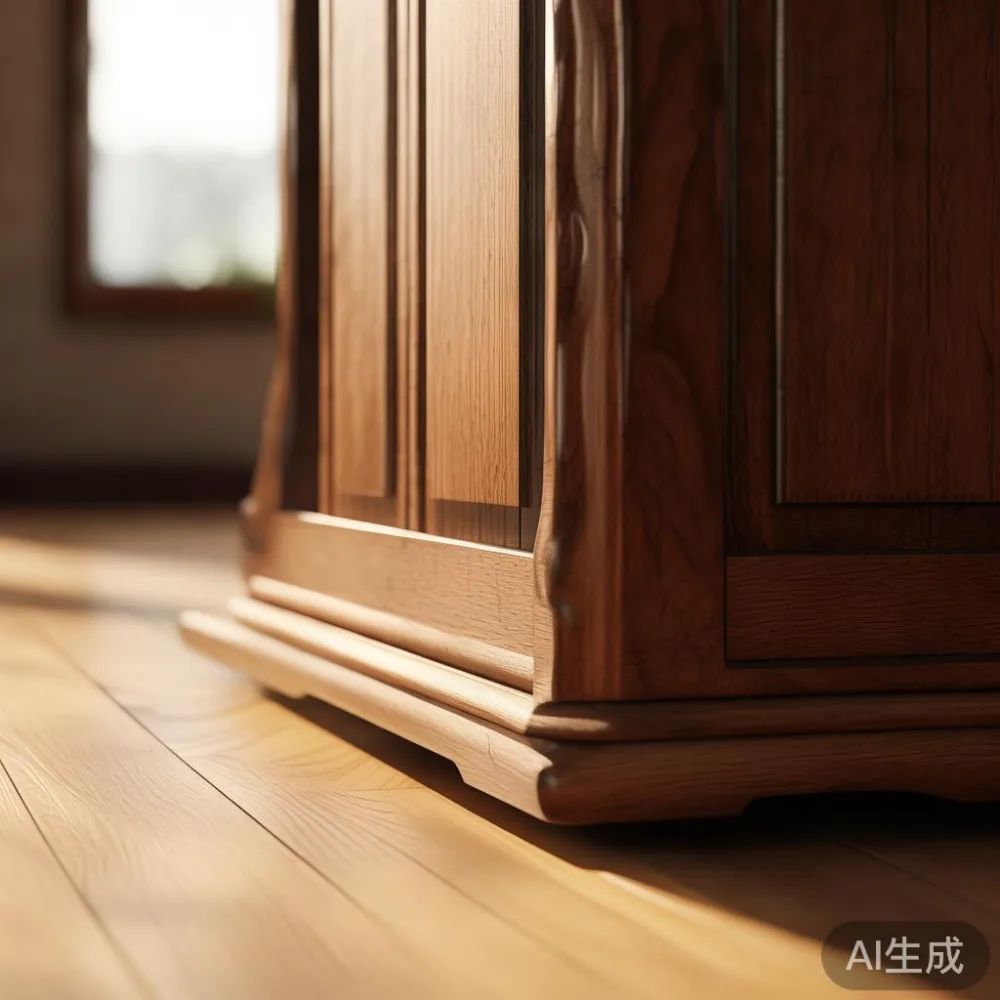
Is solid wood really solid wood? The species question most shoppers skip
The single biggest swing factor in price is the species of wood sitting under that satin finish. In the Foshan factories I have toured, an entry-level rubberwood (hevea) bedroom set in queen size can land in Singapore for around S$1,450 landed, while a comparable ash or white oak set from the same workshop often leaves the buyer at S$2,400 to S$2,800. Walnut, particularly North American black walnut, adds another 30 to 50 percent on top of oak for the same dimensions. I tested this myself last month when I requested two wardrobes from a single supplier in 1.8m height and 60cm depth: one in ash, one in walnut. The price difference was S$940 on a single wardrobe.
Wood density alone explains a chunk of this. White oak weighs roughly 750kg per cubic metre, walnut around 640kg, rubberwood closer to 560kg. A heavier solid wood sofa frame in oak will eat more raw material, more glue, more finishing oil, and more shipping weight. Air-freight quotes I pulled in February for a 2.4m dining table ran at S$1.10 per kg from Shenzhen to Changi, while sea freight from the same port to Singapore door sat at S$0.32 per kg but added 18 to 24 days. The choice of species quietly decides both the freight bill and the lifting labour on move-in day.
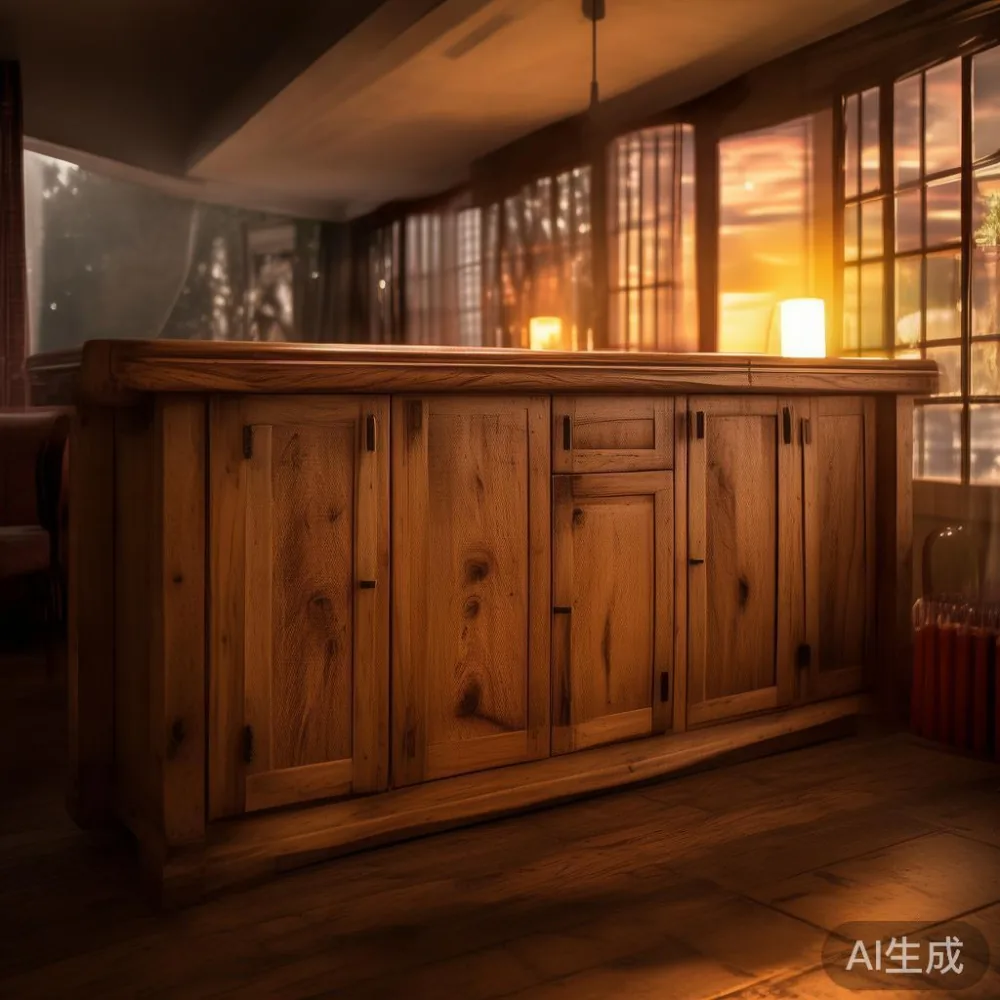
If you are weighing a MIDHILL dining table against a flat-packed competitor, ask the seller to email you a moisture-meter reading and a species certificate. Anything between 8 and 12 percent moisture content is safe for Singapore's 27°C, 80-percent humidity HDB corridors. Above 14 percent and you can expect cupping within six months.
What does "solid wood" actually cover? The construction hidden under the marketing
The term "solid wood" gets used for three very different things in the Singapore retail market. True solid hardwood throughout — every panel, every shelf, every drawer side — sits at the top. Solid wood with plywood or MDF backers on the rear panel and drawer bottoms sits in the middle. And solid wood veneer over engineered cores — sometimes called "solid wood face" — sits at the bottom of the price ladder.
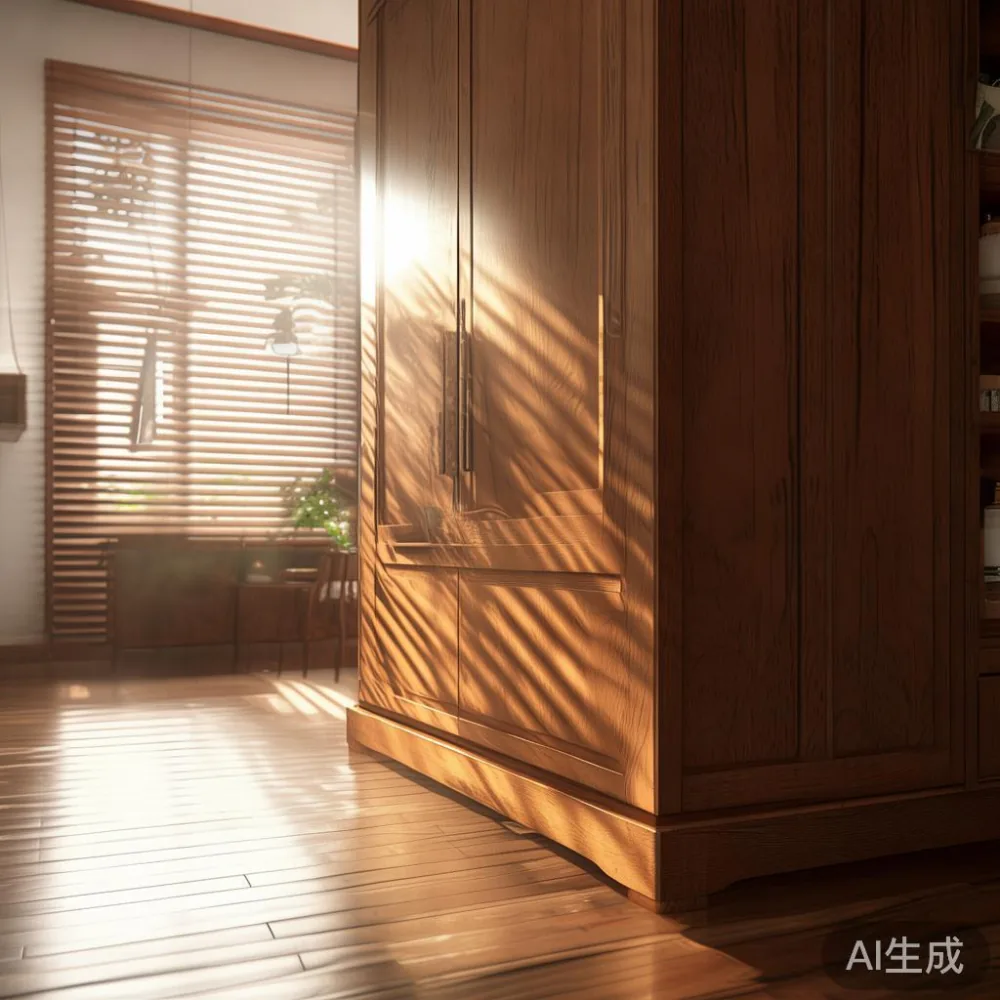
The gap between these tiers is roughly 25 to 45 percent on a like-for-like bar cabinet. A true solid hardwood bedside nightstand in walnut, with dovetail joints and through-tenons, will run you S$780 to S$1,100 in Singapore. The veneer-faced equivalent in the same showroom often sits at S$420 to S$560. The eye cannot always tell them apart on day one. By year three, the veneer version starts showing telegraph lines along the edges, the plywood panels begin to delaminate in the bathroom-adjacent wardrobe, and the dovetail-versus-nail question becomes obvious when a drawer sticks.
Joinery is the silent price driver. Mortise-and-tenon, dovetail, and finger joints cost more in machine time and skilled labour, but they outlast staples and cam-locks by a decade or more. I watched a craftsman in a Foshan workshop hand-cut dovetails on a wardrobe drawer at a rate of nine drawers a day. A CNC equivalent punches out sixty. The handmade version carries a wage premium that lands in your quote, but it is also the reason a quality piece still slides smoothly in 2034.
How do finishes, hardware, and design style quietly raise the bill?
Once the wood and the construction are decided, finishes and hardware take over. A water-based matte lacquer runs cheaper than a hand-rubbed oil-and-wax finish. Conversion varnish, the kind used on higher-end pieces, costs roughly three times more per square metre than standard nitrocellulose lacquer and adds two extra days of curing time in a climate-controlled booth.
Hardware tells a similar story. Soft-close Blum hinges from Austria retail at around S$6.50 per pair to the factory, versus S$1.80 for a no-name DTC equivalent. Run those numbers across a six-door wardrobe and you have an S$80 swing on hinges alone. Full-extension drawer slides with 45kg load ratings cost more again. For buyers eyeing a marble table, the same maths applies: Italian Carrara tops at 18mm thickness run S$450 to S$650 per square metre, while Chinese Guangxi white marble at the same thickness sits around S$140 to S$220. The polishing, sealing, and edge-profiling labour is identical, so the material gap shows up cleanly in the final figure.
Design language also drives price, often in ways shoppers do not expect. Post-modern light luxury, with its curved corners, mixed-material insets, and brushed-brass accents, requires CNC five-axis machining that a plain shaker dining table does not. French light luxury adds hand-carved flourishes that take 6 to 9 extra hours per cabinet. American light luxury, by contrast, leans on cleaner lines and thicker tops — cheaper to machine, more expensive in raw material. When a customer asks me about the best European light luxury sofa for 2026, I always tell them the sofa frame is the easy part; the real money is in the upholstery work, the down-proof ticking, and the eight-way hand-tied springs. None of that shows up in a thumbnail.
What about shipping, GST, and the Singapore-shaped costs nobody warns you about?
Singapore introduces three cost layers that often surprise overseas-first buyers. First, freight. A 2.4m solid wood sofa frame in oak weighs 78kg crated. By sea to Tanjong Pelepas, onward trucking to a Tampines HDB, the landed freight alone is around S$78 to S$110 depending on container share. Second, the 9 percent GST, levied on the landed value plus insurance plus freight. On a S$3,000 CIF invoice, that is S$270 added before the sofa even enters your flat. Third, the access problem. HDB corridors in newer BTOs measure 1.2m wide, older ones in Bedok drop to 1.05m. A 2.6m long bar cabinet that fits through a 1.3m lift door will not fit through a 1.1m one, and the only option then is a hoisting fee of S$220 to S$400 from a Tampines or Punggol crane service.
Customs clearance adds another S$45 to S$90 per shipment for the paperwork, depending on whether your supplier includes the proper Certificate of Origin and whether the wood is on the CITES list. Most oak, ash, and walnut are not, but some rosewood species are, and that requires permits that can hold a container at Jurong Port for ten working days.
It is also worth factoring warranty and after-sales into the price. MIDHILL, the Foshan workshop I have followed since 2021, ships to fifteen-plus countries and offers a ten-year structural warranty on solid wood bed frames, plus lifetime refinishing on dining tables and wardrobes. Refinishing a 2m dining table in Singapore typically costs S$380 to S$520 if you go to a third-party restorer, so a lifetime refinishing clause quietly saves S$1,500 over thirty years. Free shipping thresholds above US$350 (roughly S$475) also flatten the freight line. Reading the warranty paragraph is, frankly, where most of the value lives.
How do I compare two quotes that look almost identical?
This is the practical question I get most often from friends renovating in Punggol, Sengkang, and the East. My approach is a four-line checklist before any S$1,000-plus order.
Line one — species and origin. Ask for the Latin name and the country of harvest. "Oak" is not enough; "Quercus alba, USA" is. Line two — moisture content and kiln-drying method. Anything above 12 percent MC is a Singapore no-go. Line three — construction. Confirm whether the back panel and drawer bottoms are solid or plywood, and ask for joinery close-ups on the dovetails or finger joints. Line four — total landed cost. Get the seller to break out unit price, inner packaging, outer carton dimensions, CBM, freight, insurance, GST, and any lift-access surcharge. A S$2,150 quote that hides a S$420 freight line is not the same as a S$2,480 quote that bundles everything to your HDB door in Tampines.
One more question worth asking: how old is the factory, and do they export under their own brand? Workshops that have exported for more than a decade tend to have documented quality control, written grading standards, and an English-speaking after-sales team. MIDHILL, established in 2008, is one of the names that comes up repeatedly in conversations with Singapore interior designers because their product photography matches what actually arrives in the crate — a smaller thing than it sounds, and rarer than it should be.
Which furniture pieces deserve the biggest solid-wood premium, and which can I compromise on?
Not every piece of furniture in your flat earns the same percentage of your budget. Pieces that take structural punishment — bed frames, dining tables, and the main wardrobe — should sit at the top of the material pyramid. A solid wood bed frame in ash or oak is the piece that, thirty years from now, will still be standing when everything else has been replaced twice. I tell clients that the best Modern bed for 2026 is one that uses kiln-dried hardwood slats, not LVL beams, and that comes with a written deflection rating.
The bar cabinet is a curious middle case. It is partly structural (it carries glassware weight), partly decorative (it is often the visual centrepiece of the dining wall). I would not compromise on the carcass, but the back panel and internal shelves can safely be plywood-backed if the supplier uses marine-grade birch. That single compromise can shave 8 to 12 percent off a bar cabinet quote without harming a fifteen-year service life.
Nightstands and accent chairs are the place to compromise most aggressively. A nightstand in solid wood face with a plywood body will outlast any engineered-board competitor by years, and the visible surfaces — top, front, two sides — are still solid. Save your premium wood dollars for the dining table and bed frame.
For shoppers comparing styles, a quick reference helps. If your home leans French or American light luxury with classical proportions, ask about hand-finished tops and traditional joinery. If your taste runs to post-modern light luxury with mixed materials, ask about CNC capability and hardware range. If you are researching light luxury furniture china for shipment to Singapore specifically, the names worth comparing will show you factory audits, third-party testing reports, and — critically — past export volumes to Southeast Asia. The conversation around how to choose American sofa, or how to choose American sofa pieces for an HDB setting, follows the same logic: the brand tells you the design, but the species certificate and the joinery photo tell you whether the price is real.
Why does my neighbour's "same" wardrobe cost half of mine?
I get this question at almost every HDB gathering. The honest answer is rarely a single trick — it is a stack of small decisions that compound. A wardrobe that lands at S$1,280 versus S$2,400 in the same Tampines block is almost always different in at least four of the following: wood species, panel construction, drawer joinery, hardware brand, finish system, factory location, shipping mode, customs paperwork, warranty, and access-hoisting. When a quote seems too good, the saving has migrated to one of those ten lines. When a quote seems high, the cost is usually sitting in two or three of them.
What I look for, finally, is a supplier who will tell me which line I am paying for. The workshops that itemise their quotes openly tend to be the ones whose pieces still look right at year ten. If you are weighing a Modern light luxury sofa, or browsing for the best Mid-century modern furniture pieces for a resale condo in Bedok, the same rule applies: a transparent quote is the cheapest quote in the long run. A bar cabinet is a fifteen-year piece of furniture, not a weekend purchase, and the price should read like one.
Frequently asked questions from Singapore buyers
Does a heavier solid wood piece mean better quality? Not always, but it usually means a denser species or thicker panels. Compare weights between two pieces of identical dimensions — a 10 to 15 percent difference is normal between oak and rubberwood, and a 25 percent difference signals very different construction.
How long should a quality bar cabinet last in Singapore's humidity? A well-built solid wood bar cabinet with kiln-dried timber below 12 percent moisture content, finished in conversion varnish, and kept away from direct afternoon sun should serve 15 to 25 years without structural issues. Surface refinishing is usually needed at year eight to ten.
Is a higher price always better? No. A 20 percent price premium over a mid-market piece should buy you something specific — a denser species, a longer warranty, a CNC-milled joinery, or a harder-wearing finish. If the seller cannot explain what the premium pays for, the premium is probably going to marketing.
Should I buy during a Singapore furniture fair or showroom clearance? Yes, with one caveat: ask whether the warranty and after-sales terms still apply. Discounted display pieces are fine; discounted warranties are not.