The 5-Year Cost Reality: Veneer vs Solid Wood Bar Cabinets in Singapore
Welcome to a detailed exploration of the enduring debate between veneer and solid wood furniture. In a market like Singapore's, where space is at a premium and quality is a non-negotiable, the choice of furniture material can significantly impact your living experience. In this article, we conduct a thorough cost analysis of opting for solid wood versus veneer over a five-year period, with a special focus on bar cabinets—a staple feature in many Singapore HDB flats and condos from Tampines to Punggol. We will examine the tangible and intangible costs, from initial purchase to maintenance and eventual replacement, providing you with a clear financial picture to inform your decision.
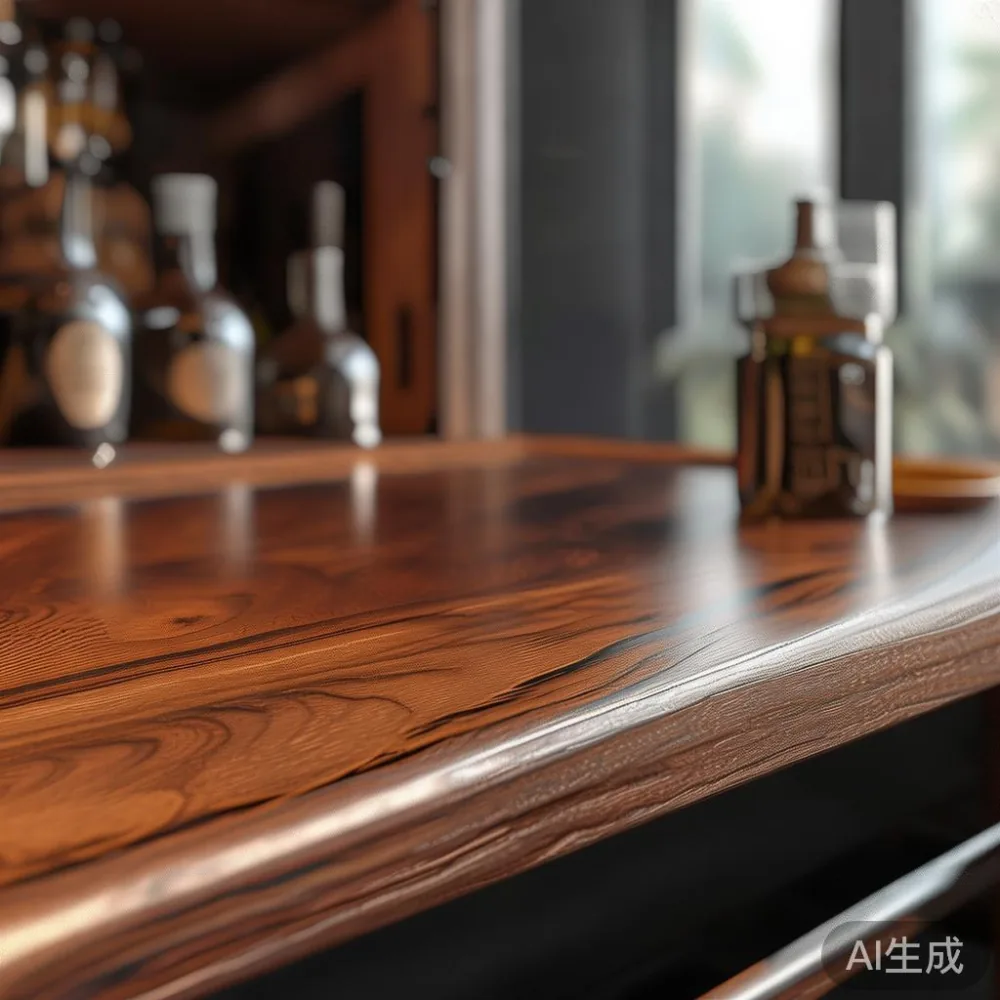
Understanding the Core Difference: Material Composition and Structure
Before we proceed with the cost comparison, it is fundamental to understand the structural and material differences between veneer and solid wood. These differences are the root of all subsequent variations in cost, durability, and maintenance.
A solid wood bar cabinet is constructed entirely from genuine timber, such as oak, walnut, or mango wood. The frame, sides, doors, and shelves are all carved from solid planks of wood. This construction method results in a heavier, denser, and more stable piece of furniture. For example, a typical 120cm wide solid wood bar cabinet might weigh between 40kg and 55kg, depending on the wood species. In a Singapore HDB context, this weight is a consideration for delivery, especially in older blocks with smaller lifts or narrow corridors in estates like Bedok.
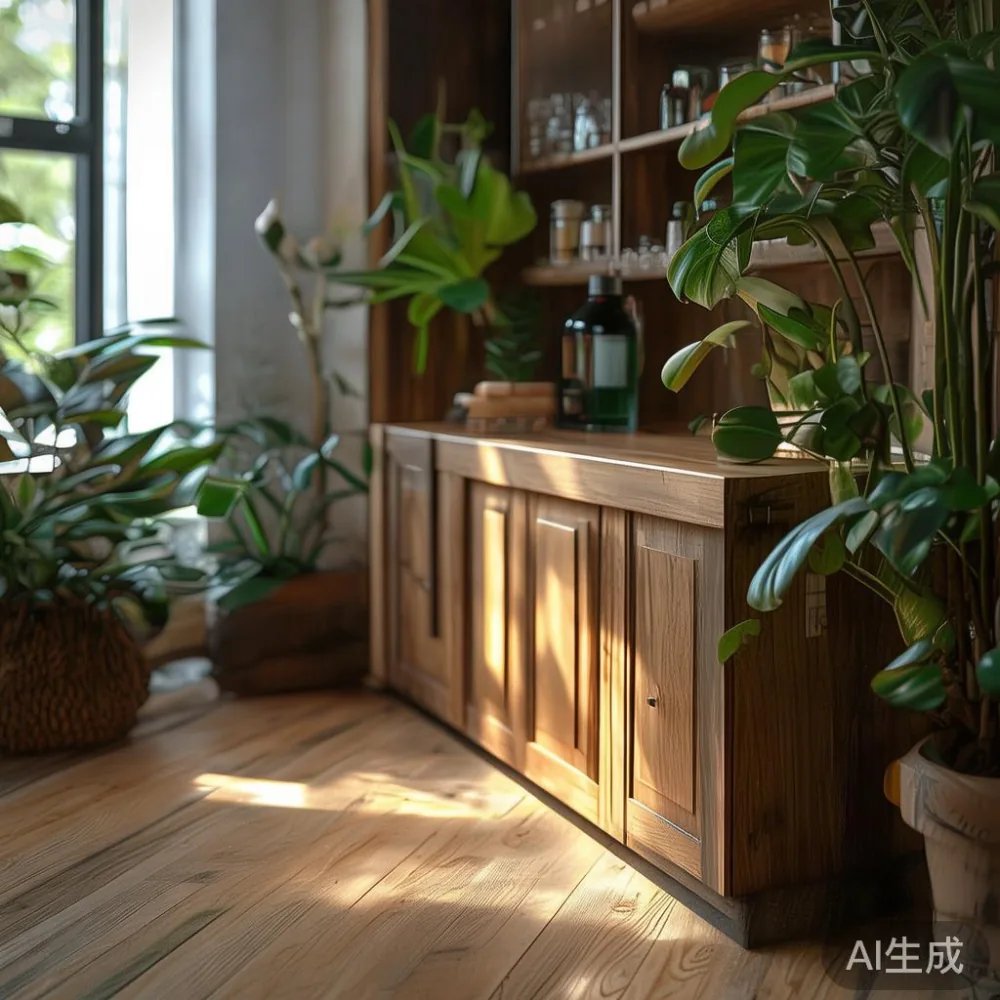
In contrast, a veneer bar cabinet uses a thin layer of real wood, often no thicker than 0.6mm, applied over a substrate. This substrate is typically a less expensive engineered wood like MDF (Medium-Density Fibreboard) or particleboard. The primary purpose of the veneer is to provide the aesthetic appearance of solid wood at a lower cost. A comparable veneer bar cabinet of the same dimensions might weigh only 25kg to 30kg, making it easier to handle but less structurally resilient.
My colleague visited a customer's apartment in Punggol last month to assess a damaged cabinet. The customer was surprised when the veneer on the side panel had bubbled and peeled away, revealing the MDF core. This visual flaw was a direct result of the material's inherent structure, a problem a solid wood piece would not face.
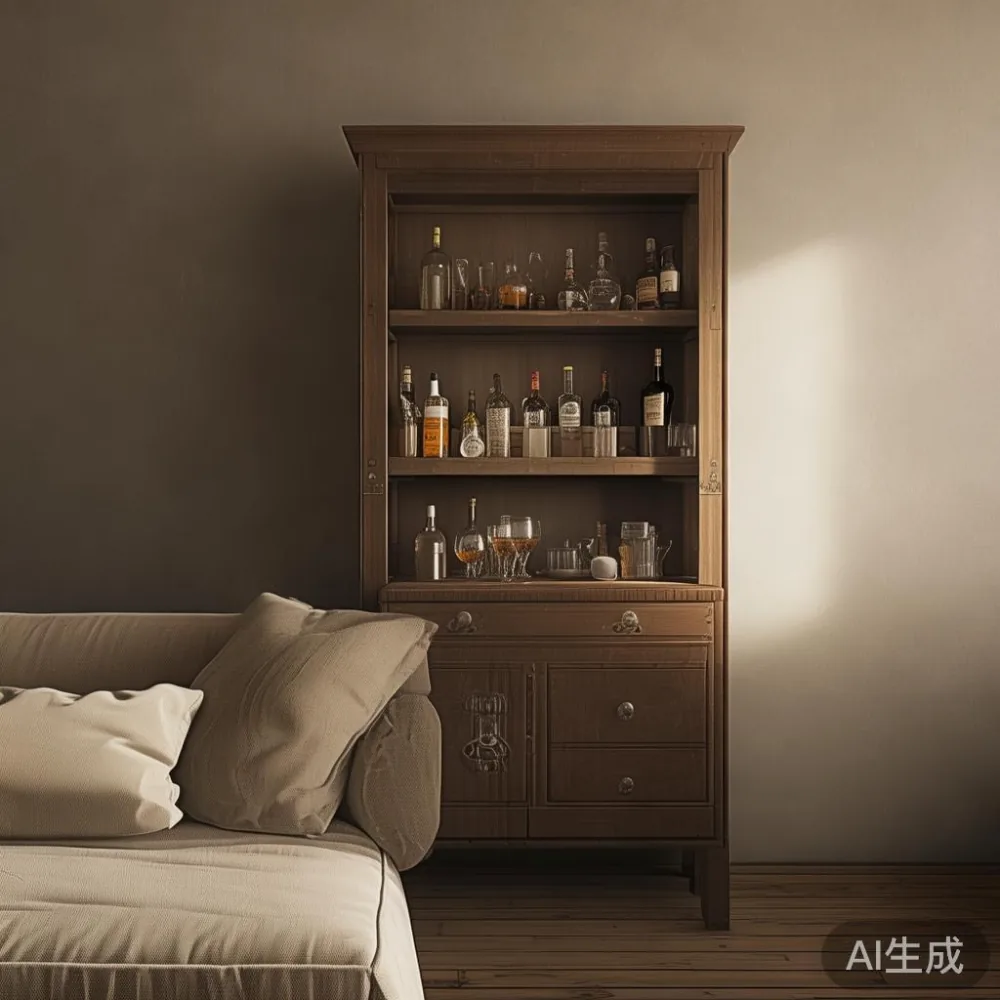
Initial Investment: The Upfront Price Tag in Singapore
The most apparent difference between veneer and solid wood furniture is the initial purchase price. This is the first financial outlay a homeowner makes, and it often dictates the initial perception of value. In Singapore's furniture market, this initial cost can vary significantly based on the retailer, design, and wood species.
For a standard-sized bar cabinet, approximately 120cm wide and 75cm tall, the initial price difference is stark. A veneer bar cabinet from a local retailer might be priced around SGD 450 to SGD 600. This price point makes it an attractive option for those furnishing a new home, such as a 4-room HDB flat in Tampines, where budgets are often carefully managed. The lower cost also allows for more frequent updates to decor.
A solid wood bar cabinet from a reputable manufacturer, however, commands a higher price. The same dimensions in a solid oak or mango wood design could retail for SGD 950 to SGD 1,400. This price reflects the cost of the raw material, the skilled labour required for construction, and the inherent durability of the piece. It is an investment in quality rather than just appearance.
It is important to note that this initial cost does not include delivery. For a veneer bar cabinet under 30kg, standard delivery might cost SGD 40. For a solid wood bar cabinet over 40kg, the delivery fee could be SGD 60 or more, reflecting the additional manpower required. However, many brands, including some like MIDHILL, offer free shipping for orders over SGD 350, which can offset this initial cost difference.
The Hidden Costs of Ownership: A 5-Year Financial Projection
The true cost of a bar cabinet extends far beyond the initial purchase price. To understand the full financial picture, we must project the costs over a five-year period, including maintenance, repairs, and potential replacement. This analysis provides a more realistic view of long-term value.
Let's consider a typical homeowner scenario in a Singapore condo. The table below outlines a plausible 5-year cost comparison for a veneer and a solid wood bar cabinet, factoring in common maintenance needs and repair costs. All figures are in Singapore Dollars (SGD).
| Year | Cost for Veneer Bar Cabinet (SGD) | Cost for Solid Wood Bar Cabinet (SGD) | Notes |
|---|---|---|---|
| Year 1 | 450 | 950 | Initial purchase price only. |
| Year 2 | 120 | 0 | Veneer: Minor repair for a small chip on the edge. Solid Wood: No issues. |
| Year 3 | 250 | 0 | Veneer: Peeling veneer on the side panel requires professional repair and refinishing. Solid Wood: No issues. |
| Year 4 | 450 | 0 | Veneer: Hinges fail and a shelf warps. Replacement parts and labour are needed. Solid Wood: No issues. |
| Year 5 | 1,200 | 200 | Veneer: The cabinet is deemed beyond repair and requires full replacement. Solid Wood: First professional refinishing to restore the finish and protect the wood. |
| Total 5-Year Cost | 2,470 | 1,150 | Total includes initial purchase and all associated costs over 5 years. |
As the projection shows, while the veneer bar cabinet has a lower initial cost, the cumulative expenses over five years can exceed that of a solid wood piece. The recurring repairs for veneer, stemming from its structural weaknesses, add up significantly. A solid wood bar cabinet, despite its higher initial price, demonstrates remarkable stability, requiring only basic maintenance and a single, optional refinishing after five years.
Why Does Solid Wood Last Longer? The Science of Durability
The five-year cost projection is not arbitrary; it is based on the fundamental properties of the materials. Solid wood's superior durability is not a marketing claim but a result of its natural structure and characteristics.
Solid wood is a living material that can adapt to its environment. It can expand and contract with changes in humidity, a common occurrence in Singapore's climate, without cracking. A solid wood bar cabinet can withstand minor impacts and scratches. If the surface is damaged, it can be sanded down and refinished multiple times, effectively restoring it to its original condition. A high-quality piece, like those from MIDHILL, often comes with a lifetime refinishing guarantee, ensuring this longevity.
Veneer, however, is far more fragile. The thin layer of wood is bonded to a substrate that is highly susceptible to moisture. If water seeps through a tiny crack or is left on the surface, the MDF underneath can swell and warp, causing the veneer to bubble, peel, or crack. Once the veneer is compromised, the piece loses its aesthetic appeal and structural integrity. Repairing a damaged veneer is difficult and expensive, often requiring a skilled technician to carefully patch the area, which rarely looks smooth.
When considering a how to style European light luxury sofa in room guide, the longevity of the accompanying furniture is just as important. A solid wood bar cabinet provides a stable, long-term foundation for a room's design, whereas a veneer piece might need to be replaced, forcing a complete redesign.
How to Choose French Provincial Wardrobe and Other Pieces Wisely
The principles of choosing a bar cabinet apply to other furniture as well. When selecting a how to choose French provincial wardrobe or any other significant piece of furniture, it is wise to apply the same long-term cost analysis.
For a wardrobe, the material choice is even more critical due to its size and daily use. A solid wood wardrobe, like a French provincial design with its characteristic ornate details, will maintain its structural integrity for decades. The drawers will glide smoothly, the doors will remain square, and the finish can be refreshed. A veneer wardrobe, on the other hand, is prone to sagging shelves, sticking drawers, and delaminating panels over time, leading to a higher total cost of ownership.
When evaluating any piece, consider the warranty. A reputable brand will stand by its products. A 10-year structural warranty, for example, provides peace of mind that the frame and major components are protected against defects. This level of assurance is typically only offered on solid wood furniture, reflecting the manufacturer's confidence in its durability.
What About Styling and Aesthetics in Singapore Homes?
Beyond cost and durability, the aesthetic appeal of furniture is a key consideration for homeowners in Singapore. The material of a bar cabinet can influence the style and feel of a space, whether it's an HDB flat or a condominium.
Solid wood offers a timeless, natural beauty that is difficult to replicate. The grain patterns, colour variations, and texture of the wood add warmth and character to a room. A solid wood bar cabinet can be a statement piece, anchoring the space. It fits perfectly within various design aesthetics, from the clean lines of a Mid-century modern dressing table to the ornate elegance of French light luxury or the minimalist appeal of post-modern light luxury.
Veneer, while capable of mimicking expensive woods, often has a flatter, less authentic appearance. The lack of depth in the grain can make the piece look cheap over time, especially as it begins to show wear. For those seeking a light luxury dining table or a MIDHILL coffee table that exudes quality, the natural authenticity of solid wood is often the preferred choice.
When planning a home interior, the longevity of the aesthetic is as important as the initial look. A solid wood piece will not only last physically but will also retain its aesthetic value, ensuring your home looks curated and high-end for years to come. This is a key consideration for those looking for under 2000 Nordic furniture that balances affordability with enduring style.
Is a Solid Wood Bar Cabinet the Right Choice for You?
After examining the costs, durability, and aesthetics, the question remains: is a solid wood bar cabinet the right investment for your Singapore home? The answer depends on your priorities, but for most homeowners, the evidence points towards solid wood as the smarter long-term choice.
If you plan to stay in your home for more than a few years, value quality and durability, and want a piece of furniture that will not need to be replaced, then the solid wood option is unequivocally better. The higher initial cost is offset by the lack of recurring repair expenses and the potential for the piece to be refinished, extending its life even further. It is a purchase that adds value to your home.
However, if your primary concern is the lowest possible upfront cost and you are willing to replace the furniture in three to five years, a veneer bar cabinet might seem suitable. But this short-term perspective often leads to a cycle of repeated purchases and hidden costs. The time and effort spent shopping for and installing a new piece every few years also have a value that is rarely factored into the initial price.
Ultimately, a bar cabinet is more than just a place to store drinks and glassware. It is a functional and decorative element of your living space. Choosing a solid wood bar cabinet is an investment in quality, longevity, and timeless style that will serve you well for many years to come.