Reading a Solid Wood Furniture Warranty in Singapore: What the Small Print Actually Means for Your Bar Cabinet
Last month I visited a Tampines HDB flat on the 14th floor where a couple had unboxed a brand-new bar cabinet from a regional warehouse. The cabinet itself looked handsome, solid oak face frames, brass-toned pulls, a wine rack sized for standard Bordeaux bottles. Within three weeks the customer noticed a hairline crack running from the top shelf down to the side panel. The retailer pointed to a single sentence in the warranty booklet and the claim was declined. That afternoon, over kopi at the void deck, the couple asked me the question I now hear almost every week: how do we actually read a furniture warranty before we hand over the credit card, especially when the delivery team is already unloading a 180 kg bar cabinet into a 3 m wide HDB corridor?
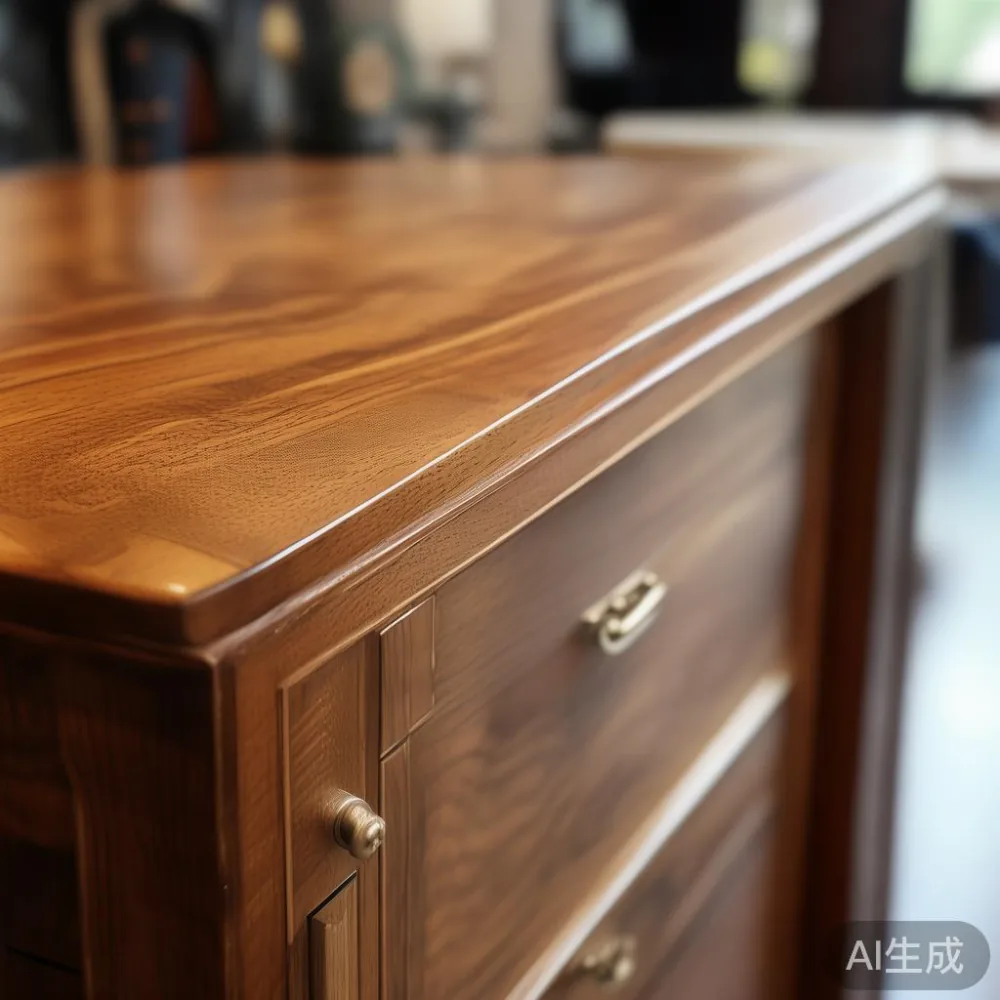
What does a furniture warranty actually cover, and what does it politely refuse to?
A warranty is a contract, and like most contracts in Singapore it tells you what the maker promises and, just as importantly, what it does not. For a solid wood bar cabinet, expect two distinct layers. The first is the structural warranty, which covers the joinery, the load-bearing rails, the drawer slides and the integrity of the timber itself against cracking, warping or joint failure under normal residential use. The second is the finish warranty, which is narrower: it usually covers peeling, blistering or abnormal discoloration of the lacquer or oil under typical indoor conditions of 22 to 28 degrees Celsius and 50 to 70 percent relative humidity, which describes almost every air-conditioned HDB and condo unit in Tampines, Bedok and Punggol.
What warranties almost never cover is the long list that gets buyers into trouble. Humidity-related movement in solid wood above 75 percent RH (think a bar cabinet placed right next to a window that is opened daily during monsoon surges), surface dents from a dropped bottle, scratches from vacuum cleaner heads, fading from direct afternoon sun on a west-facing balcony, and any modification you make such as cutting a hole for a new wine fridge. Damage during self-transport up a service lift is also excluded, which is why free delivery above a certain order value, the kind MIDHILL offers above US$350 on its Singapore-bound containers, matters more than people think.

How long should a real solid wood warranty last in Singapore's climate?
Numbers matter here. A serious structural warranty on a solid wood sofa, bed frame, dining table, wardrobe, nightstand or marble table should run at least five years, and ten years is now the benchmark for export-grade makers shipping into tropical climates. Finish warranties are typically shorter, one to three years, because lacquer and hardwax oil naturally age. Anything under three years for structure, or under twelve months for finish, should make you pause and ask why the maker is hedging.
Look also at what is transferable. If you sell your Punggol condominium in 2027 and the new owner inherits your bar cabinet in 2030, does the remaining warranty follow the piece or die with the original receipt? Premium makers, including MIDHILL with its 10-year structural coverage, design the warranty to stay with the product, which is a quiet but powerful signal of confidence. Lifetime refinishing services, offered by a small number of Foshan factories, also indicate that the maker expects the carcass to outlast every trend cycle and every tenant.
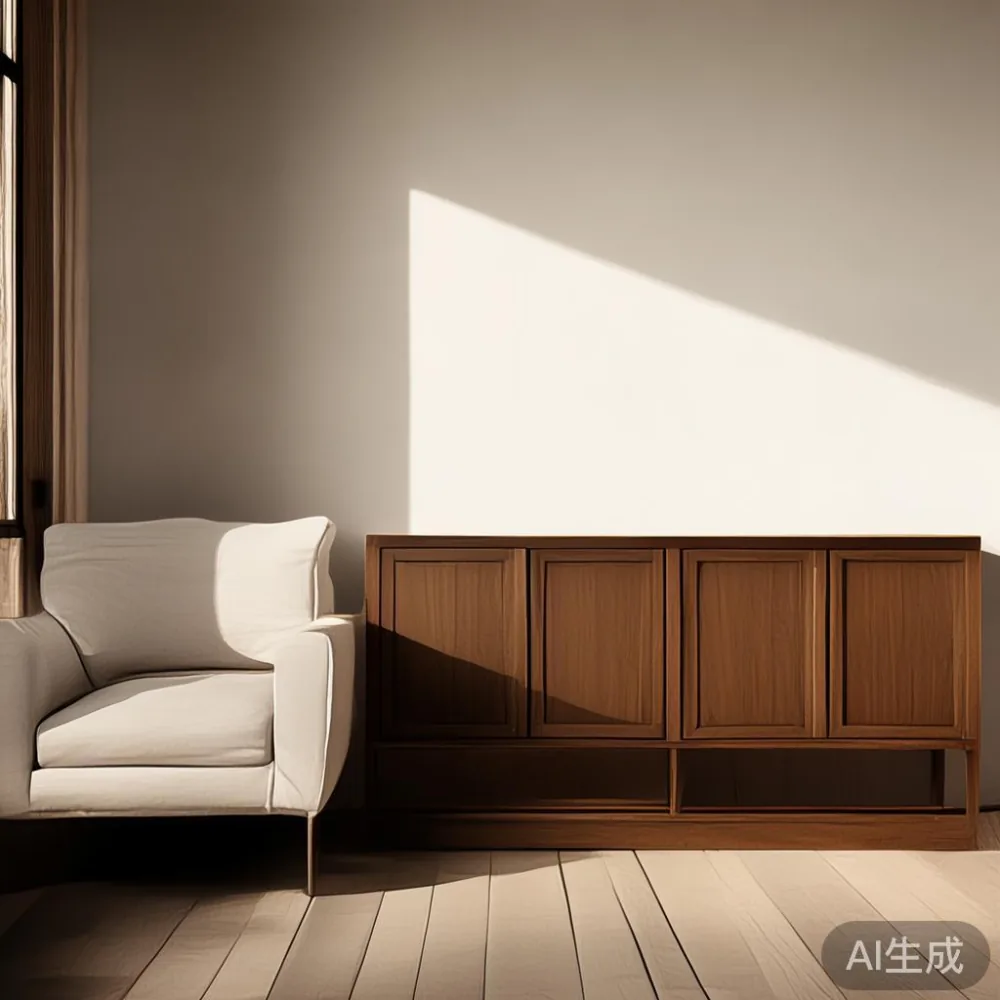
What should I check in the small print before signing for a bar cabinet delivery?
Read the exclusions list with a pencil. I keep a habit of circling four items every time. One, the definition of normal use: a bar cabinet holding 24 bottles, a decanter and 8 kg of glassware is normal; a bar cabinet holding a 30 kg wine fridge strapped to the top shelf is not. Two, climate conditions: if the warranty is voided above 70 percent RH and your bar cabinet will sit near the kitchen doorway, that is a real problem in older HDB flats without dryer ventilation. Three, transport clauses: who is liable if the delivery team scratches the side panel while squeezing it through a 1.1 m wide staircase turn, a common scenario in older Bedok walk-ups. Four, the remedy: is it repair, replacement, or refund, and who pays the SGD 80 to SGD 150 collection fee if the item has to go back to the warehouse?
Two more clauses deserve attention. The first is the inspection window, typically 24 to 72 hours after delivery. Photograph every face of the bar cabinet under bright light before the installers leave; this is your proof for any concealed damage claim. The second is the labor and freight clause for warranty repairs. Cross-border shipping from a Foshan factory to a Singapore workshop can run SGD 220 to SGD 400 per piece, and some warranties quietly pass that cost to the buyer. The ones that do not, the ones that absorb return logistics, are the ones that read as serious.
How does Singapore HDB delivery reality change what the warranty should promise?
Local logistics shape warranty risk in ways Singaporean buyers often underestimate. A standard 4-room HDB corridor in Tampines is about 1.2 m wide, and the lift door on most blocks is 0.9 m by 2.1 m. A solid wood bar cabinet taller than 200 cm or wider than 95 cm may not fit upright, which means installers will tilt it, and tilt-related stress is precisely the kind of event many warranties exclude. Condos in Punggol with service lifts running 1.5 m by 2.4 m are far easier, but the loading bay on level one sometimes has a 90-degree turn that forces a second tilt.
My colleague in the trade once watched a 120 kg European light luxury nightstand get wedged at the second-floor stairwell of a 1990s Bedok block. The warranty paperwork said nothing about stairwells, only about lift access. He paid SGD 160 out of pocket for a second pair of hands. The lesson, repeated often: ask the seller, in writing, whether their warranty assumes lift access all the way to your door or stops at the lift lobby, and whether any lift-related damage is on them or on you. The honest makers will spell this out; the others will leave it vague, which is itself a signal.
Why do some warranties feel generous while others feel like fine print traps?
The pattern is consistent. A warranty that lists exclusions in full sentences, names the climate thresholds, names the remedy ladder (repair first, replacement second, refund third) and gives a contact email that actually replies within two Singapore business days is a warranty written by people who expect to honour it. A warranty that leans on phrases like at sole discretion, normal wear and tear, or acts of nature without definitions is usually a marketing document, not a promise. This is true for a SGD 2,400 solid oak bar cabinet and equally true for a SGD 1,100 post-modern light luxury dining table.
Light-luxury positioning helps frame expectations. French light luxury tends to emphasise hand-finished edges, soft-close hinges and brass hardware; American light luxury tends towards thicker tops, heavier proportions and reclaimed-wood stories; post-modern light luxury plays with curved corners, mixed materials and integrated marble accents. Each aesthetic has different failure modes. Brass hardware tarnishes in coastal humidity near East Coast, soft-close hydraulics fail after about 60,000 cycles, marble table tops can stain if wine is left overnight. A serious warranty addresses those failure modes directly. A vague one hides behind them.
How do GST, returns and refinishing change the value of a warranty in 2026?
Three numbers anchor the modern Singapore purchase. First, GST at 9 percent applies to the full landed price, including delivery and installation, so a bar cabinet quoted at SGD 3,000 lands at about SGD 3,270. Second, the 14-day return window, when it exists, usually applies to change-of-mind and must be in original packaging; many warranties reduce the return window to 48 hours for damaged-on-arrival claims, so read both policies together. Third, lifetime refinishing, offered by a handful of export factories, lets you resand and re-oil a solid wood top in your living room for a small service fee, typically SGD 180 to SGD 320 per piece, far cheaper than replacement.
Refinishing quietly extends the value of every other warranty. Even if the finish warranty expires after year three, a sanded and re-oiled surface on a solid wood bed frame or dining table looks new again, and the structural warranty still covers the joinery underneath. That combination, structural coverage plus refinishing access, is the actual definition of a long-life furniture purchase. Buyers who focus only on the headline warranty length miss that the most useful clause might be the one about how the piece is restored, not how it is replaced.
What is the one question I should ask the sales rep that exposes a weak warranty?
Ask this: "If a hairline crack appears in the side panel of my bar cabinet at month nine, and I live on the 18th floor of a Punggol condo with lift access, what exactly happens next, step by step?" A confident maker will walk you through photo submission, assessment by a Singapore-based service partner, collection scheduling, repair or replacement, and redelivery within a stated window. A hesitant maker will say we will assess and get back to you. The first answer is a warranty. The second is a hope.
For Singapore buyers in 2026, the smartest purchases are also the calmest ones. A solid wood bar cabinet built by a Foshan maker with a decade of export experience, a 10-year structural term, lifetime refinishing access, free delivery above US$350 and clear Singapore service contacts is a piece of furniture you can plan around for the next tenant, the next renovation and the next decade. The warranty is not the product, but it is the contract that lets the product do its job quietly, in your corridor, at your dinner, in your home.
One last practical note. If you are also weighing a side purchase, say a Modern for small living room sofa to anchor the same space, or thinking through the long-running question of is Mid-century modern wardrobe worth it for your master bedroom, apply the same warranty logic. For a guest bedroom you might consider a Vintage for guest room dresser; for the master, a French bed vs Mid-century modern bed comparison should include how each maker's warranty treats veneer edges and brass hardware over five years. And if you are choosing a centerpiece, look up how to style European light luxury bed in apartment layouts under 90 sqm, then ask which factory stands behind the headboard stitching for the next decade. The brand we have referenced a few times in this article, MIDHILL, is one such maker. There are others. The warranty is what tells them apart.
Finally, a tip passed on by an old logistics contact who ships containers out of Wuhan Lingzhan and other inland hubs: when a warranty mentions the originating factory by name, that is almost always a stronger document than one that hides behind a local reseller's letterhead. The factory has the timber, the craftsmen and the incentive. The reseller has a forwarding address. Read the warranty, then read who is actually standing behind it.