Styling Small Singapore Apartments: The Art of Space and Light
Living in a Singapore apartment, whether a compact HDB flat in Tampines or a stylish condo in Punggol, presents a unique design challenge. With average living room dimensions of 4.2m x 3.6m and a narrow 1.2m corridor width to work through, every square centimeter counts. The goal is to create a home that feels open, airy, and sophisticated, not cramped and cluttered. The key lies in a combination of smart furniture choices, strategic design principles, and an understanding of local living conditions. This guide will walk you through practical steps to maximize your space without sacrificing an ounce of style.
What is the biggest mistake people make when furnishing small apartments?
The single most common mistake is choosing furniture that is too large for the scale of the room. A massive L-shaped sofa that dominates a 15-square-meter living area, for example, immediately makes the space feel smaller and obstructs the natural flow. People often underestimate the visual weight of furniture. A solid wood sofa with deep, plush cushions might be comfortable, but in a small space, it can create a visual block. The same goes for oversized dining tables or bulky wardrobes that eat up precious floor space. The solution is to prioritize furniture with a lighter visual profile. Think about proportions, legs, and the amount of negative space a piece creates. A sofa raised on slender legs appears to float, taking up less visual real estate than one that sits directly on the floor.
The Power of Vertical Space: Thinking Beyond the Floor
In Singapore apartments where floor space is at a premium, looking up is one of the most effective strategies. Vertical space is often underutilized, yet it offers enormous potential for storage and display. Floor-to-ceiling bookshelves or tall, narrow cabinets draw the eye upward, creating an illusion of higher ceilings. This approach not only provides storage for books, decorative objects, and even kitchen items but also adds a sense of grandeur to a room. When selecting a wardrobe, for instance, consider a tall, two-door model instead of a low, wide one. A 200cm tall wardrobe offers significantly more storage than a 160cm one without consuming extra floor area. This principle applies to walls as well. A gallery wall of framed art or a single, large statement piece can make a wall feel substantial and intentional, preventing the room from feeling bare or chaotic.
How to Choose a Light Luxury Sofa for a Compact Living Room
Selecting the right sofa is arguably the most important decision for a living room, especially in a small space. The question of how to choose light luxury sofa is less about brand names and more about form and function. For a Singapore apartment, a streamlined, two-seater or a three-seater with a chaise lounge is often more practical than a large sectional. The light luxury aesthetic, whether French or American, emphasizes clean lines, elegant proportions, and high-quality materials without being overly ornate. A French light luxury sofa, for example, might feature slender metal legs, tight back cushions, and smooth, neutral upholstery in fabrics like linen or velvet. This creates an airy, uncluttered look. The weight of the sofa is also a practical consideration. A solid wood sofa frame is durable but can be heavy; ensure the chosen model is manageable for moving through your apartment's doorways and lift. A sofa that is 85cm deep, for instance, will feel less imposing in a narrow living room than one that is 100cm deep.
Strategic Furniture Placement for Optimal Flow
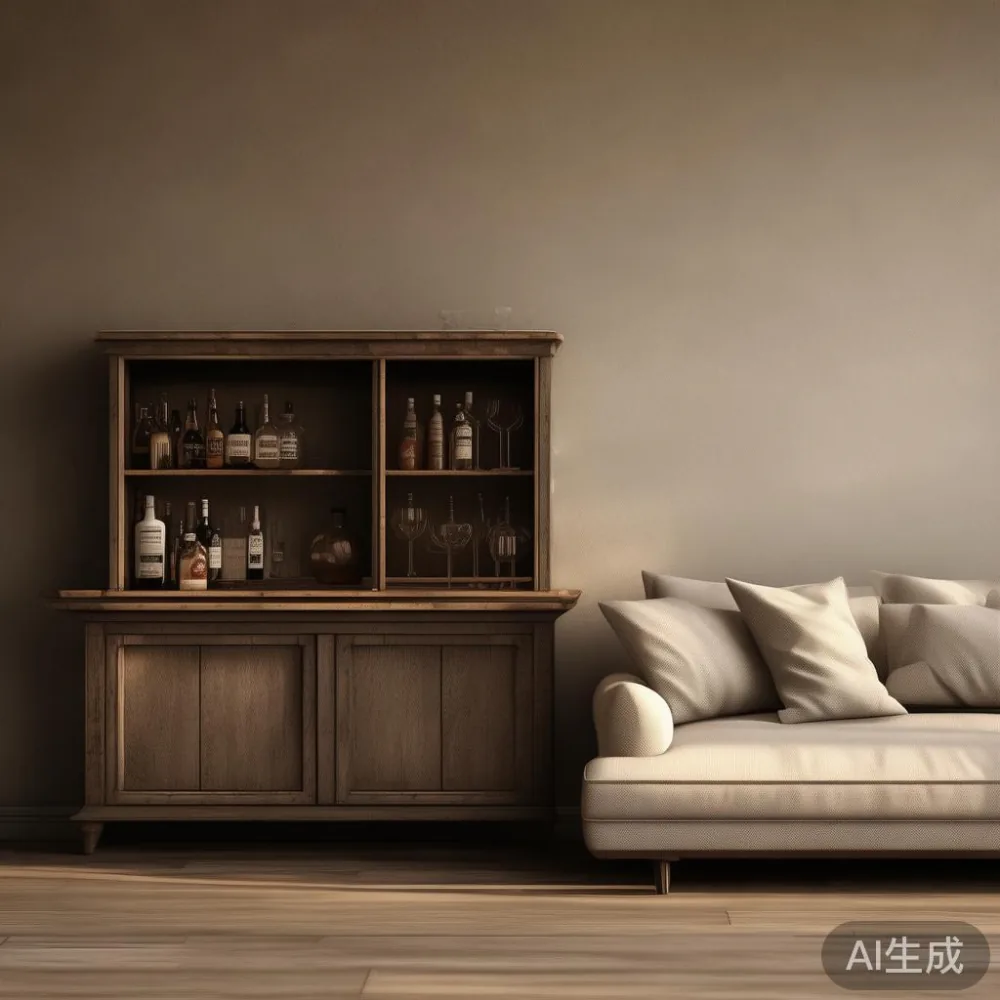
Once you have your furniture, how you arrange it is critical for maintaining a sense of space. The layout should facilitate easy movement and conversation. In a typical Singapore HDB living room, placing the sofa against the longest wall often works best. This leaves the central area open and creates a clear path from the front door to the kitchen. A bar cabinet can be a fantastic multi-functional piece in this arrangement. Positioned against a shorter wall, it can serve as a console for the TV, a surface for displaying decor, and storage for glassware and bar tools. This dual-purpose nature is key in small homes. The legs of your furniture are your secret weapon. Choose pieces with visible legs, like a marble table or a bed frame on slender legs. This allows you to see the floor underneath, which tricks the eye into perceiving the space as larger and more open than it is.

Embracing the Minimalist for Guest Room Aesthetic
The minimalist aesthetic is a natural fit for small apartments. It’s not about having an empty room, but about curating a space with intention. This means every item should have a purpose or bring you joy. The concept of Minimalist for guest room can be applied to the entire home. Focus on a neutral color palette—think whites, greys, beiges, and soft pastels. These colors reflect light and create a serene, cohesive environment. Introduce texture and warmth with natural materials like wood, linen, and cotton. For furniture, think multifunctional. A dining table that can also be used as a work desk, or a storage ottoman that doubles as extra seating. The minimalist approach also extends to decor. Instead of many small knick-knacks, opt for a few larger, well-chosen pieces of art or a single sculptural object. This creates a clean, uncluttered look that feels both modern and calming.
Storage Solutions That Disguise Themselves
In a small apartment, storage is non-negotiable. The challenge is to integrate storage smoothly into the design so it doesn’t become an eyesore. Built-in cabinets are a fantastic option, offering a custom fit that maximizes every inch of wall space. For those who prefer freestanding furniture, there are clever options. A bed with drawers underneath is a classic space-saver. Similarly, a dining table with hidden compartments can store placemats, cutlery, or other dining necessities. When selecting a wardrobe, consider how to choose French wardrobe styles that combine elegance with utility. A wardrobe with full-length mirrors on the doors not only provides a place to check your outfit but also reflects light and makes the room feel larger. Ottomans with hidden storage are another versatile piece, providing a place to stash blankets, magazines, or remote controls while offering extra seating.
Lighting: The Unsung Hero of Small Spaces
Proper lighting can dramatically alter the perception of a room’s size. A single, harsh overhead light can create unflattering shadows and make a space feel flat and small. A layered lighting approach is far more effective. Start with ambient lighting, such as a stylish pendant light or a flush-mount ceiling fixture. Then, add task lighting for specific areas, like a reading lamp next to a sofa or under-cabinet lighting in the kitchen. Finally, incorporate accent lighting to highlight architectural features or decorative objects. Floor lamps with narrow profiles and table lamps with slender bases are excellent choices as they take up minimal surface area. The color temperature of your bulbs also matters. Warm, soft light (2700K-3000K) creates a cozy and inviting atmosphere, while cooler, brighter light (4000K) can make a space feel more open and energetic.
Local Considerations: Working through Singapore's Unique Spaces
Furnishing a Singapore apartment comes with its own set of logistical considerations. The standard lift width is about 110cm, and the corridor in HDBs is often just 1.2m wide. This means you must measure doorways, lifts, and hallways before purchasing any large furniture. A sofa that is 90cm wide might fit through the door, but if the lift is only 110cm wide, you need to ensure you can maneuver it. Delivery is another factor. When ordering online from a site like www.midhill.co, check their delivery policies. Many offer free shipping for orders over SGD 350, which is a significant saving. Also, factor in the Goods and Services Tax (GST) of 9% on your purchases. Last month, my colleague visited a client in a Bedok condo who had purchased a beautiful marble table online. The delivery team had to remove a window to get it into the living room because the corridor and lift were too narrow. A simple pre-delivery measurement would have saved them a huge headache. Always confirm the exact dimensions of your furniture and compare them to your access points.
Creating Focal Points to Distract from Size
A well-designed room has a focal point that draws the eye and gives the space a sense of purpose. In a small room, creating a strong focal point can distract from the limited dimensions. This could be a feature wall painted in a bold color, a piece of striking artwork, or a beautifully designed fireplace (if your condo has one). A bar cabinet can serve as an excellent focal point. Choose one with an interesting design, perhaps with a contrasting finish like a dark wood against light walls, or one with integrated LED lighting that highlights its shape. The European sofa vs Modern sofa debate often hinges on this concept. A modern sofa might be a neutral, low-profile piece, while a European sofa could feature more dramatic curves and upholstery, making it a natural centerpiece of the room. By directing attention to one or two key elements, you prevent the room from feeling like a collection of unrelated, small items.
Bringing the Outdoors In: The Illusion of Space
Plants are a simple yet powerful tool for making a small space feel larger and more vibrant. They add color, texture, and a sense of life to a room. Tall plants, like a fiddle leaf fig or a snake plant, can draw the eye upward, mimicking the effect of vertical lines. Hanging plants free up floor space while adding greenery at eye level. Even a small collection of succulents on a windowsill can make a difference. The key is to use plants strategically. A large, leafy plant in a corner can soften the hard lines of the room and create a micro-landscape that feels expansive. When arranging furniture, try to leave a clear view of any windows or balcony doors. A sightline to the outdoors makes a room feel connected to a larger space, enhancing the sense of openness.
European Light Luxury Bed vs Mid-century Modern Bed: Which is Right for You?
The bedroom is a sanctuary, and the bed is its centerpiece. The choice between a European light luxury bed vs Mid-century modern bed comes down to personal style and the specific dimensions of your room. A European light luxury bed frame often features elegant, curved headboards, plush upholstery, and sophisticated details. It creates a sense of opulence and comfort. A mid-century modern bed, on the other hand, is defined by clean lines, tapered legs, and a minimalist silhouette. It’s a perfect fit for a small bedroom because its light, airy design doesn’t overwhelm the space. In a compact master bedroom or a guest room, the mid-century option might be the more practical choice, as it makes the room feel larger and more open. The best French sofa for 2026 might be a statement piece in the living room, but in the bedroom, a more understated frame often works better. Consider the scale of your room and the rest of your furniture to ensure harmony.