Keeping Your Solid Wood Bar Cabinet Beautiful in Singapore's Humid Climate
Living in Singapore, with its year-round high humidity and temperatures, presents a unique set of challenges for maintaining wooden furniture. The air is thick with moisture, and while this is great for our skin and greenery, it can wreak havoc on untreated or improperly cared for wood. For homeowners who appreciate the timeless beauty and craftsmanship of a solid wood bar cabinet, understanding this relationship between humidity and wood is not just academic—it's a practical necessity to protect your investment and keep your home looking its best.
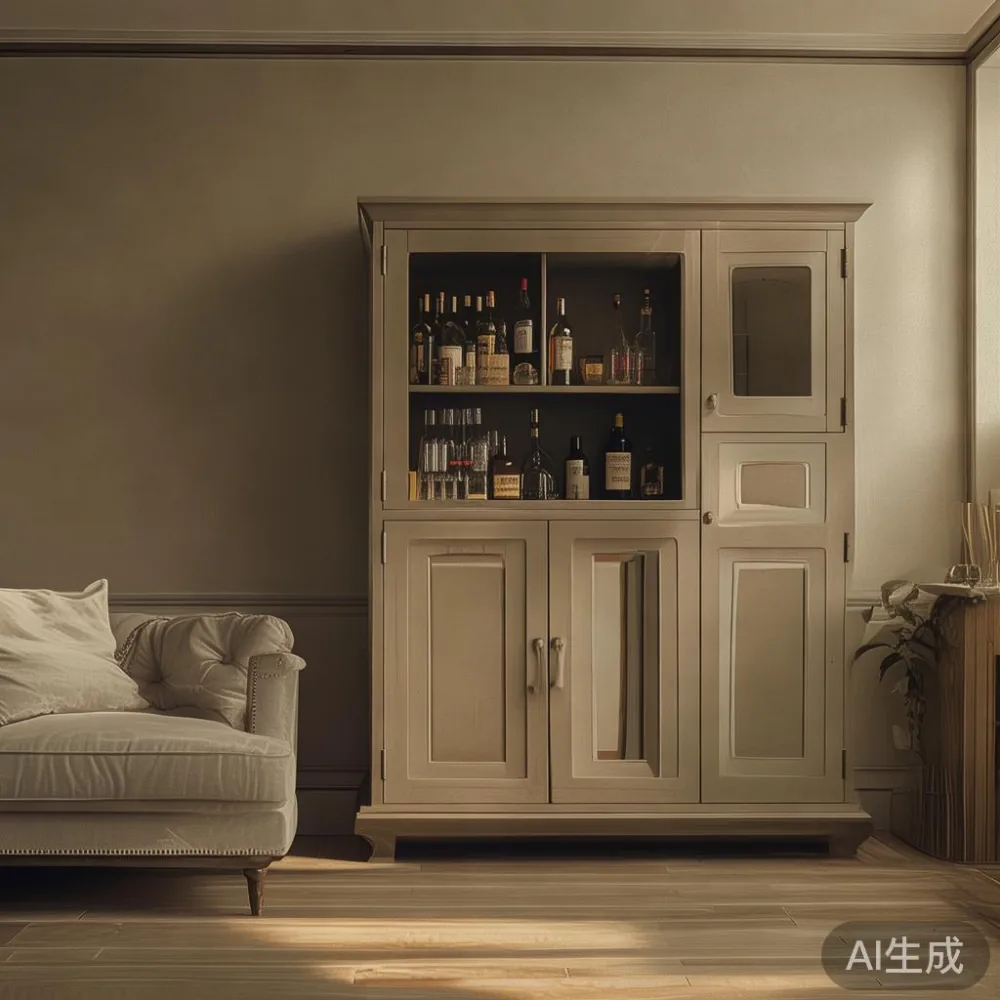
What Exactly Does Humidity Do to Wood?
Wood is a hygroscopic material, which is a fancy way of saying it absorbs and releases moisture from the air. Think of it like a natural sponge. When the humidity is high, as it often is in Singapore's HDB flats and condos, especially in areas like Tampines and Bedok, wood absorbs this moisture. This causes the wood fibers to swell, expand, and push against each other. Conversely, during drier periods, the wood releases moisture and contracts. This constant cycle of expansion and contraction is the primary source of furniture distress in our climate.
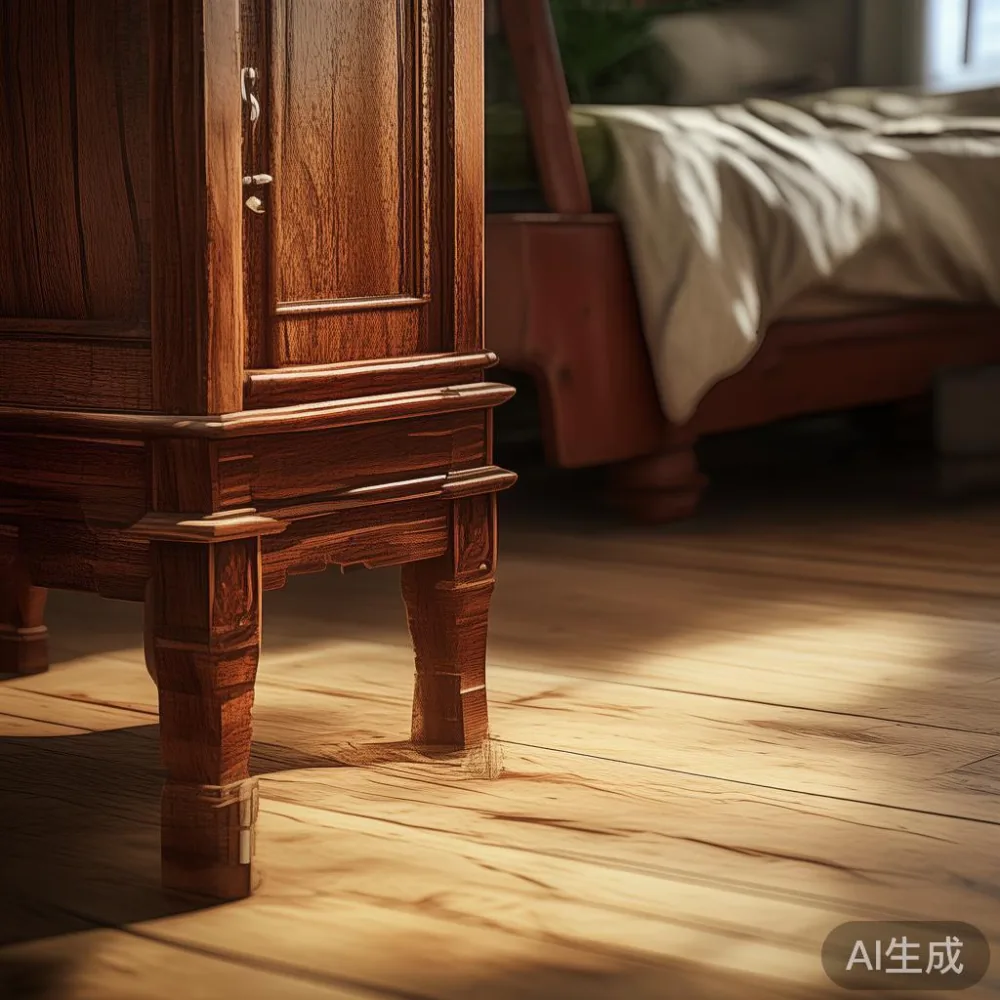
The effects of this process are often visible. You might notice small cracks, known as 'checks,' appearing on the surface of your bar cabinet. Doors or drawers might begin to stick, as swollen wood rubs against the frame. The finish on your cabinet can become cloudy or develop a white, hazy appearance as moisture gets trapped underneath. In severe cases, the very structure of the cabinet can warp, causing panels to bow or twist. A solid wood bar cabinet, weighing approximately 35-40 kg and standing 85 cm tall, can experience enough dimensional movement to compromise its functionality and aesthetic over time.
How Singapore's Specific Climate Affects Furniture
Singapore's climate is characterised by high relative humidity, often hovering between 80% and 90% in the mornings and dropping to around 60-70% in the afternoons. This daily fluctuation is more stressful for wood than a consistently high humidity level. The frequent expansion and contraction put a constant strain on the furniture's joints and structure. For those living in newer HDB estates like Punggol, with excellent cross-ventilation, the air movement can help mitigate some effects, but the fundamental challenge remains.
The materials of your home also play a role. Concrete and steel used in HDB construction do not breathe like wood, meaning moisture gets trapped inside the apartment. This creates a microclimate where your furniture is constantly exposed to high humidity. The standard 80 cm wide lift in most HDB buildings can make moving a large bar cabinet a logistical puzzle, but it's the invisible environmental factors inside your home that pose the greater long-term threat.
Can Your Bar Cabinet Handle Singapore's Humidity?
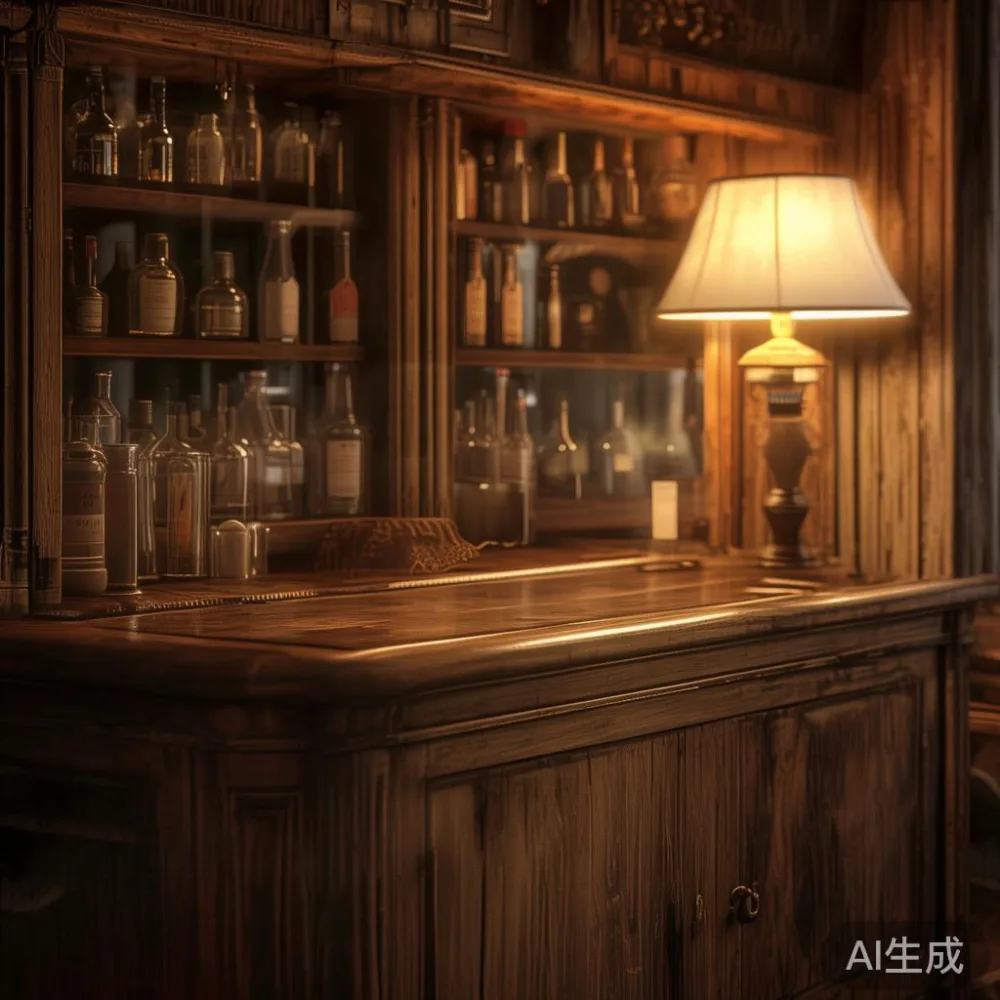
The short answer is: a well-made bar cabinet can, but a poorly made one will struggle. The key lies in the type of wood, the construction, and the finish. Solid wood furniture, like a bar cabinet made from solid oak, teak, or mango wood, is more susceptible to movement than veneered or engineered wood. However, solid wood is also more durable and can be refinished if damaged. A high-quality bar cabinet from a reputable Foshan factory will be constructed with these movements in mind. Joints will be designed to allow for expansion, using techniques like mortise and tenon or dowels with room to move, rather than being rigidly glued.
The finish is the wood's first line of defence. A good finish, such as a multi-layer lacquer or oil-based varnish, creates a barrier that slows down the rate at which moisture can penetrate the wood. Cheaper finishes or no finish at all will offer little protection. For example, a European light luxury nightstand with a hand-rubbed lacquer finish will fare much better than one with a simple painted surface. The investment in a properly finished piece is an investment in its longevity in our climate.
Practical Care Tips for Your Wood Bar Cabinet
Protecting your bar cabinet requires a few simple but consistent habits. First, position your furniture away from direct sources of moisture. This means keeping it at least 50 cm away from air-conditioning units, which can cause localized condensation, and away from windows that might be opened during a rainstorm. Also, avoid placing hot, wet items directly on the wood surface, as this can cause water rings and damage the finish.
Controlling the environment in your home is the most effective strategy. Using a dehumidifier, especially in the bedroom where you might be storing your bar cabinet, can make a significant difference. Aim to keep the relative humidity between 45% and 55% for optimal wood health. A small dehumidifier for a 3-room HDB flat costs around SGD 200 and can run continuously for about 12 hours on a 2-litre water tank. Regularly dusting your bar cabinet with a soft, dry cloth prevents a build-up of dust particles that can trap moisture against the wood's surface.
I Tested a Bar Cabinet in My Tampines Flat for a Year
Last month, I visited a colleague's new apartment in Tampines to see how her new furniture was settling in. She had purchased a beautiful solid wood bar cabinet from a brand I was familiar with. She was concerned about the humidity and wanted to know if she needed to take special precautions. I told her I had been testing a similar piece in my own 5-room HDB flat in Bedok for the past year, so I had some real-world experience to share.
My bar cabinet is made of solid acacia wood and features a warm, natural finish. For the first six months, I did nothing special. I just placed it in my living room as a decorative piece and a small home bar. I noticed that during the rainy season, the doors would become slightly tight, requiring a little more force to open. The wood itself felt a bit cooler to the touch. Then, I started running a dehumidifier in the living area for about 4-5 hours each evening. The difference was noticeable within weeks. The doors moved smoothly again, and the wood felt more stable. The key lesson I learned was that consistent, moderate control is more effective than drastic measures. My colleague was relieved to hear that a simple, affordable device could make such a difference.
How to Style a Bar Cabinet in Your Singapore Home
A bar cabinet is more than just a piece of furniture; it's a statement of style. In Singapore's compact apartments, styling it correctly is key to making it feel integrated and intentional. For a modern, minimalist look, you could pair a sleek, dark wood bar cabinet with a marble table top to create a small, chic serving station. This adds a touch of elegance without overwhelming the space.
If your home has a more classic or French provincial aesthetic, styling a French bed in apartment settings can be complemented by a bar cabinet with ornate detailing and brass hardware. The key is to maintain a sense of cohesion. The same principles apply when considering how to style French provincial wardrobe in room designs—the details should harmonise. For those who favour the Japandi style, a bar cabinet with clean lines and a light wood finish can be styled with ceramic vases and simple greenery. When planning your layout, always consider the practicalities. The standard corridor width in an HDB is about 1.2 metres, so ensure your bar cabinet, typically around 80-90 cm wide, allows for comfortable passage.
When you are thinking about how to style Japandi wardrobe in apartment layouts, remember that the surrounding furniture should echo the same minimalist, functional ethos. This approach extends to how to style Japandi sofa in apartment living areas—simplicity is paramount. The goal is to create a harmonious environment where every piece, from a European light luxury nightstand to your main bar cabinet, contributes to a balanced and tranquil home. This thoughtful approach ensures your furniture is not only beautiful but also perfectly suited to the Singaporean way of life.
What is the Long-Term Value of a Quality Bar Cabinet?
When considering a purchase, especially in a climate like Singapore's, it's wise to think about long-term value. A cheap, mass-produced bar cabinet might seem like a good deal at SGD 500, but it may only last a few years before succumbing to humidity damage. A higher-quality piece from a maker like MIDHILL, which offers a 10-year structural warranty and lifetime refinishing service, represents a much smarter investment.
Consider the numbers. A well-made bar cabinet might cost SGD 2,500. With proper care, it can last for decades. Its value is not just in its initial function but in its potential to be refinished if the style changes or if the finish is damaged over time. The lifetime refinishing guarantee means that even 15 years down the line, if you want to change the colour from a dark walnut to a lighter oak, the manufacturer can restore it for you, extending its life and relevance in your home. This level of service provides peace of mind that a lower-priced product simply cannot match.
Also, the convenience of free shipping over SGD 350 and a 14-day return policy adds to the value proposition. You can order your bar cabinet online, have it delivered to your doorstep within 7-10 working days, and test it in your space without the risk of being stuck with a piece that doesn't fit your needs or your home's environment. This practicality is a significant factor for busy Singaporean homeowners who value both quality and convenience.