The Silent Challenge: How Singapore's Humidity Affects Your Wood Furniture and How to Protect It
Living in Singapore, with its year-round high humidity and frequent rain, presents a unique set of challenges for homeowners, especially for furniture. The beautiful solid wood pieces that bring warmth and character to a home are natural materials, sensitive to their environment. A well-crafted bar cabinet, for instance, can be the centerpiece of your living area, but without proper care, the humid air can quietly compromise its integrity and beauty. This guide will explore the direct impact of Singapore's climate on wood furniture and provide practical, actionable advice to ensure your investment lasts for decades.
Understanding Singapore's Humidity: More Than Just a Feeling
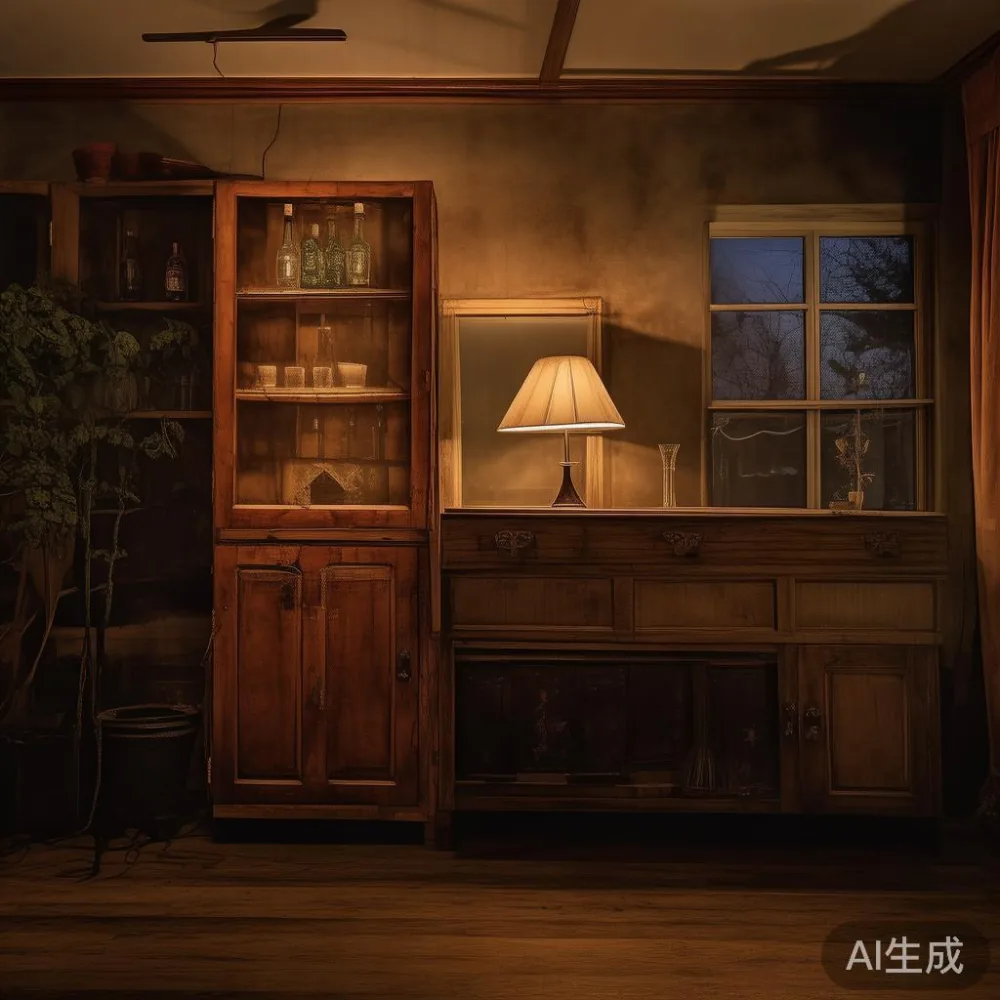
Before we can protect our furniture, we must understand the enemy. Humidity is the concentration of water vapor in the air. Singapore's climate is classified as tropical rainforest, which means high humidity is a constant. The average relative humidity in Singapore hovers between 70% and 90% throughout the year. For context, the ideal humidity level for preserving wood furniture is generally between 40% and 60%. This persistent, high moisture content in the air is the primary reason wood furniture in Singapore requires special attention.
Consider the environment inside a typical HDB flat in Tampines or a condominium in Punggol. While the air conditioning provides relief, it often cycles on and off. During the 'off' periods, especially in the early morning or late evening when the outside air is at its most humid, the indoor humidity can spike. This fluctuation is particularly stressful for wood. The material expands as it absorbs moisture and contracts as it dries out. This constant cycle of expansion and contraction can lead to several common problems, from minor cosmetic issues to significant structural damage.
The Tell-Tale Signs: How Humidity Damages Wood Furniture
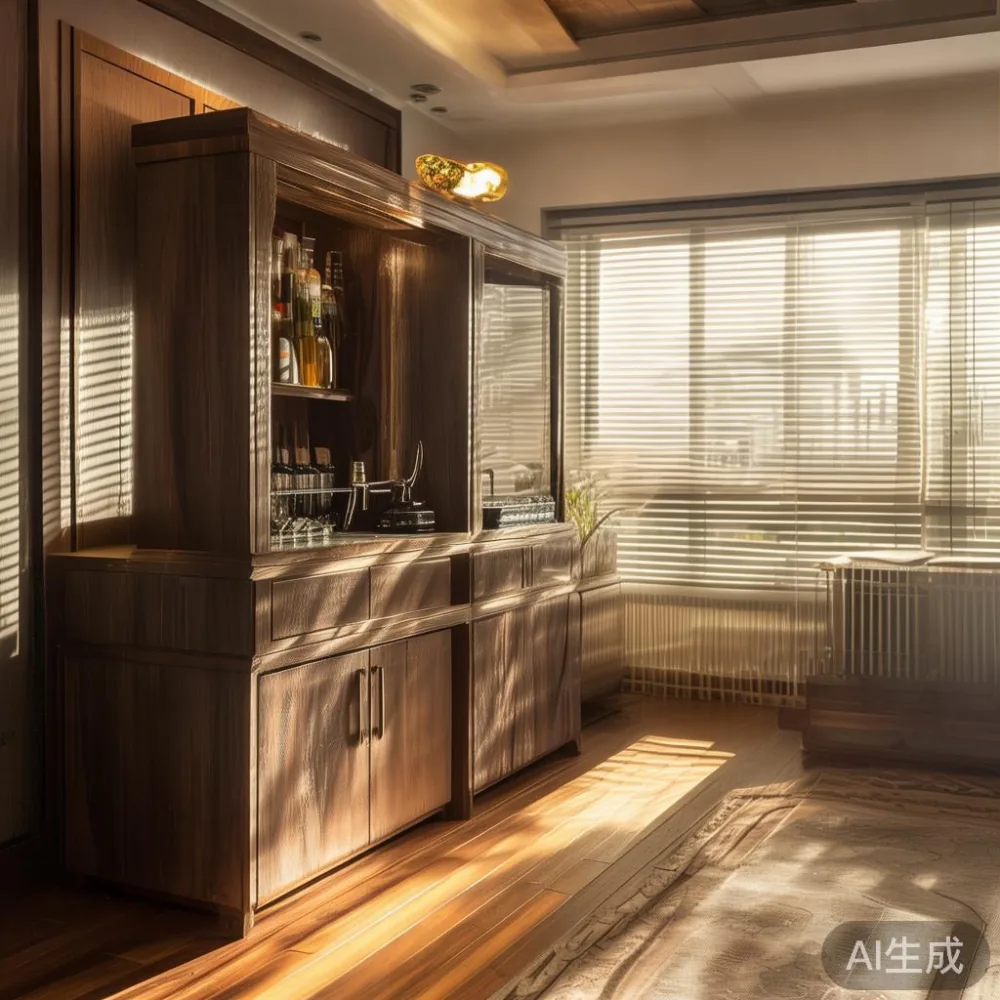
The effects of humidity on wood are not always immediate. They can manifest slowly over months or years, often going unnoticed until they become a serious problem. Being able to identify the early warning signs is key to preventing irreversible damage. Here are the most common issues you might observe in your solid wood dining table, wardrobe, or bar cabinet.
One of the most visible signs is cracking and splitting. As wood dries out too quickly, it loses moisture unevenly, causing the fibers to shrink and pull apart. This results in cracks, known as 'checking,' which can appear on the surface or deep within the wood. A solid wood sofa frame or the doors of a bar cabinet are particularly susceptible. Another issue is warping and cupping. This happens when one side of a wooden panel absorbs more moisture than the other, causing it to bend or twist. A tabletop might cup upwards, or a drawer front might warp, making it difficult to open and close smoothly.
Why Solid Wood is the Right Choice (If You Care for it Properly)
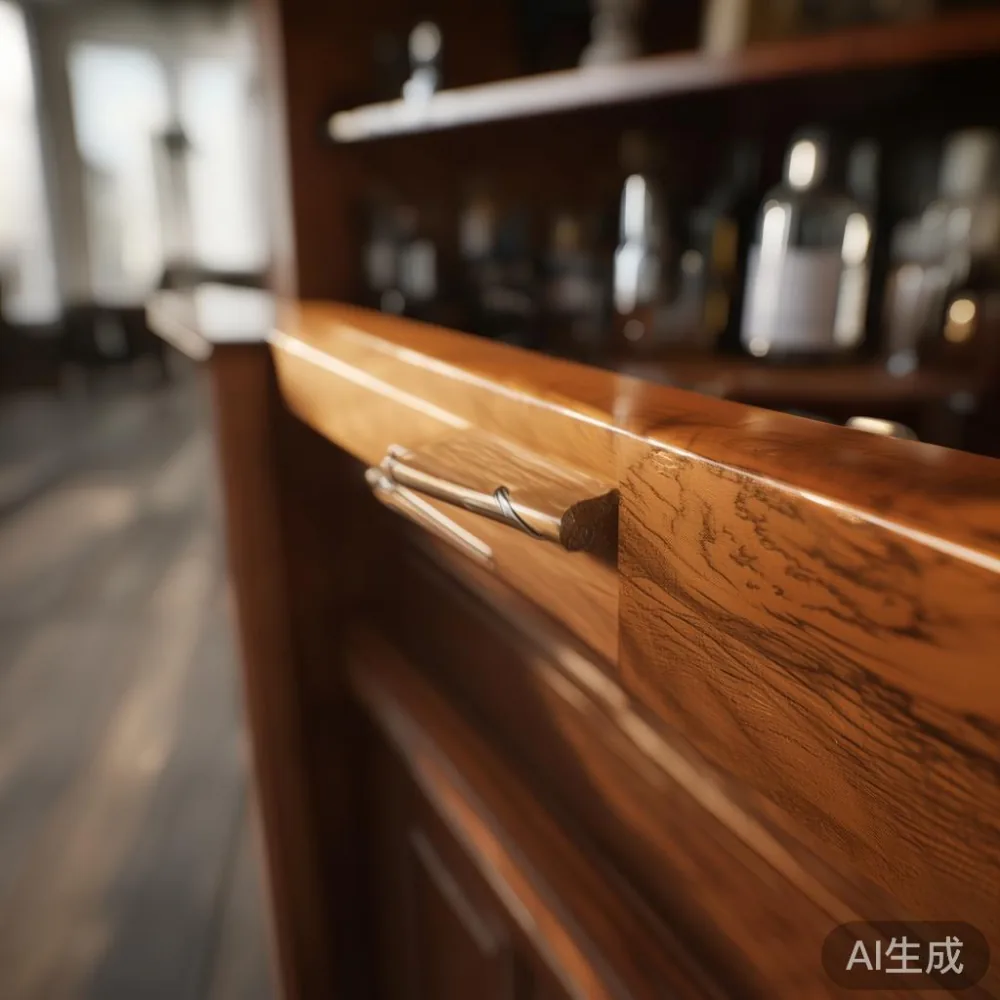
Given these challenges, one might ask why choose solid wood furniture at all? The answer lies in its unmatched beauty, durability, and longevity when properly maintained. Solid wood is a single, continuous piece of lumber, making it stronger and more stable than engineered wood alternatives like particleboard or MDF. While these materials are less expensive and less reactive to humidity, they lack the character and can degrade more completely when exposed to moisture.
High-quality solid wood furniture, such as a piece from a reputable Foshan furniture maker, is built to last a lifetime. The key is the craftsmanship. A well-made bar cabinet will use techniques like mortise and tenon joints, which are interlocking and much stronger than simple screws or nails. These joints are designed to accommodate the natural movement of wood. Also, solid wood can be refinished multiple times over its lifespan. If the surface becomes scratched or the finish dulls, it can be sanded down and refinished to look brand new. This is a benefit that engineered wood simply cannot offer. While the initial investment might be higher, a solid wood piece that lasts for 30 or 40 years represents better value in the long run. The question of is American bed worth it often comes down to this consideration of long-term durability and the ability to be restored, unlike cheaper alternatives that end up in a landfill after a few years.
How to Style a European Bed in a Humid Singapore Bedroom
Creating a beautiful and functional bedroom in Singapore requires a balance of style and practicality. A European light luxury dining table might be the centerpiece of your dining area, but in the bedroom, you might opt for a different aesthetic. The challenge is to incorporate elegant pieces like a French provincial style for a guest room or a sleek European bed without falling prey to the damaging effects of humidity.
When styling a how to style European bed in room, the platform is a great option. A low-profile platform bed with a simple, clean-lined frame minimizes the number of wood panels that can warp. It also allows for excellent airflow underneath the bed, which helps to keep the surrounding area drier. For a guest room, a French provincial for guest room aesthetic can be achieved with a classic bed frame that features elegant, carved details. To protect it, ensure the room has a dehumidifier running continuously, and consider placing moisture-absorbing products in the wardrobe and under the bed. For the living room, a light blue luxury sofa can be a stunning statement piece. To care for it, vacuum it weekly with a soft brush attachment to remove dust particles that can trap moisture. Immediately wipe up any spills with a dry, absorbent cloth. Avoid placing the sofa directly in front of an air conditioning vent, as the direct, cold air can dry out the wood frame too quickly.
Practical Tips for Protecting Your Wood Furniture
Protecting your furniture from Singapore's humidity is not about complicated routines; it's about consistent, simple habits. A little effort goes a long way in preserving the beauty and value of your pieces. Here are some of the most effective measures you can take.
The most important tool is a dehumidifier. Place one in the room where your most valuable wood furniture is located, such as the living room with your bar cabinet or the master bedroom with your bed frame. Set it to maintain a relative humidity of around 50-55%. This single step will do more to protect your furniture than almost anything else. Second, ensure your home has excellent ventilation. On days when it's not raining, open your windows to allow for cross-ventilation. This helps to circulate the air and prevent moisture from becoming trapped. Be mindful of storage. Do not store blankets, clothes, or other items directly on top of a solid wood dining table or inside a closed bar cabinet for long periods, as this traps moisture against the wood's surface. Instead, use coasters under glasses and placemats on tabletops.
When cleaning your furniture, always use a damp, not wet, cloth. Excess water is the enemy. Wipe the surface immediately with a dry, clean cloth afterward. For polishing, use a high-quality furniture polish that contains wax or oil, as this creates a protective barrier against moisture. Finally, be mindful of placement. Avoid placing wood furniture directly against external walls, which can be damp, or in direct sunlight, which can cause rapid drying and uneven coloration.
What to Look for When Buying New Wood Furniture in Singapore
If you're in the market for new furniture, making an informed choice can save you a lot of headaches down the line. When comparing a European light luxury dining table with a mass-produced alternative, look for specific features that indicate quality and suitability for the local climate.
First, consider the type of wood. Some woods are naturally more stable and resistant to humidity than others. Teak, for example, is renowned for its high oil content and natural resistance to moisture. Mango wood is also a popular choice due to its stability and beautiful grain. Ask the seller about the wood's origin and properties. Second, examine the construction and joinery. As mentioned, mortise and tenon joints are a sign of quality. Look for furniture that uses solid wood for all its structural components, not just the visible parts. A high-quality bar cabinet will have solid wood drawer boxes and internal frames, not just a wood veneer over a particleboard core.
Check the warranty and after-sales service. A reputable manufacturer stands behind its products. Look for a company that offers a structural warranty, such as a 10-year guarantee, and a refinishing service. This shows confidence in the durability of their craftsmanship. When comparing seating options, consider the frame. A solid wood sofa will have a much longer lifespan than one with a metal or engineered wood frame. Finally, be wary of deals that seem too good to be true. A light blue luxury sofa for SGD 800 might be tempting, but it's likely made with low-quality materials that will not withstand Singapore's climate. Investing in a piece that is built to last is always the smarter choice.