What Actually Drives the Price of Solid Wood Furniture?
Solid wood furniture prices can look puzzling. Two bar cabinets with similar dimensions may differ by several hundred Singapore dollars, while a dining table can cost much more than its timber, size and finish suggest. The reason is rarely a mysterious “luxury premium.” Price is usually the combined result of timber grade, moisture control, joinery, hardware, finish, size, design complexity and the service attached to the product.
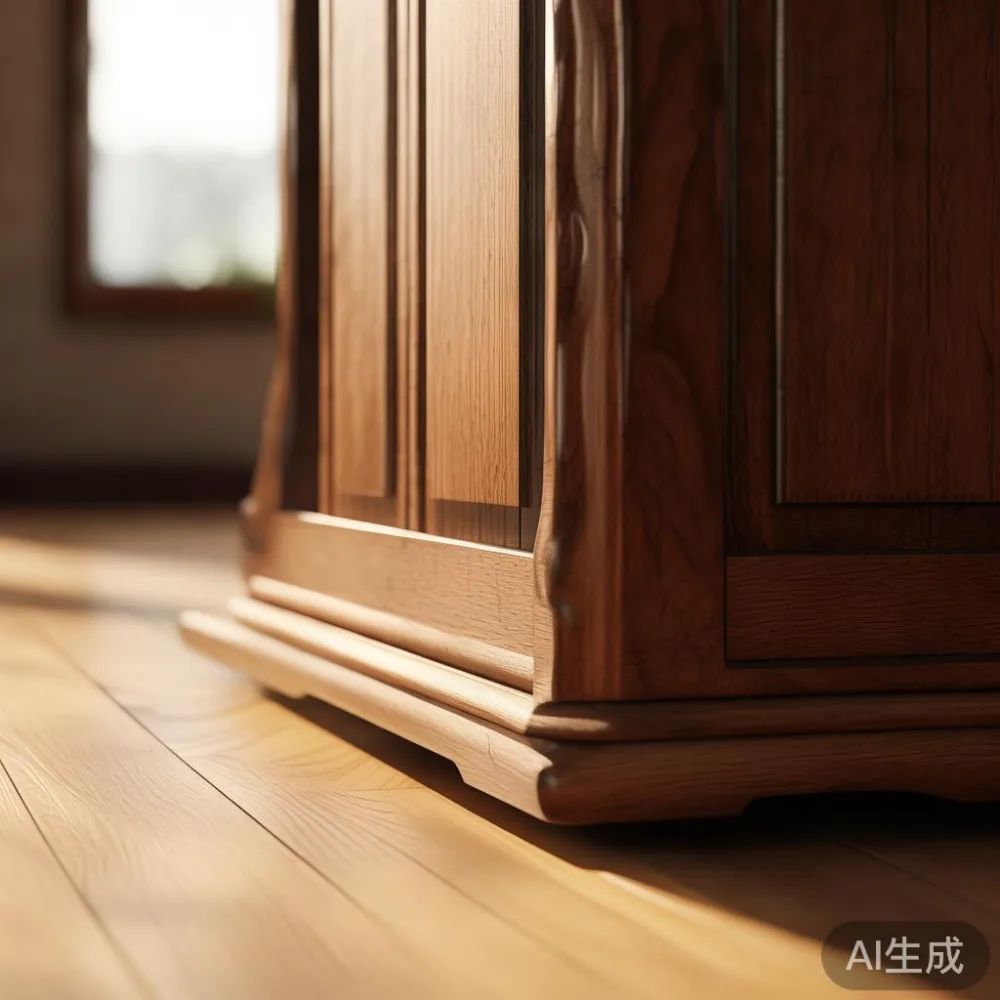
For Singapore buyers furnishing HDB flats in Tampines, Bedok and Punggol, those factors matter even more than showroom tags. A 220 cm bar cabinet may be too wide for a standard lift or awkward around a condominium corridor. A heavier wardrobe may require two delivery workers, while a large dining table needs careful measurement before a van is booked. GST should also be included when comparing quoted prices.
This guide explains the actual cost drivers without drifting away from the site’s focus: bar cabinets and solid wood furniture. MIDHILL has manufactured furniture since 2008, exports to more than 15 countries, provides a 10-year structural warranty and offers lifetime refinishing. Free delivery applies above US$350, and returns are accepted within 14 days under the stated policy.
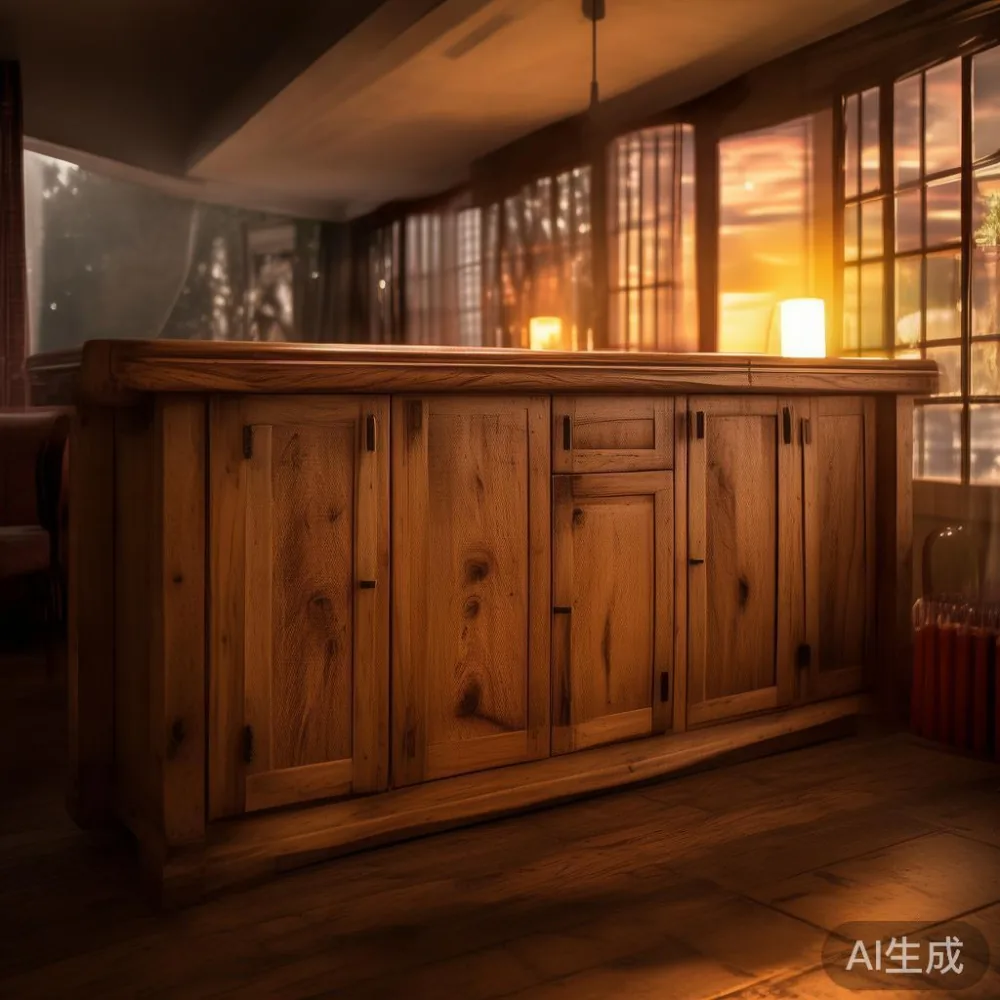
What is the difference between solid wood and engineered wood?
Solid wood is not simply one price category. The species, cut, grade and intended use all affect the cost. Solid wood furniture uses timber throughout the visible and structural sections rather than covering a particleboard or MDF core with a thin wood veneer. This construction is valued in a solid wood sofa frame, solid wood bed frame, solid wood dining table and solid wood wardrobe because it can be repaired and refinished over time.
However, “solid wood” does not mean every component uses expensive hardwood. Cabinet backs, drawer bottoms and internal shelving may use less visible solid timber, plywood or another stable material. That does not automatically make a piece poor quality; it can be an intelligent allocation of materials. A bar cabinet with a 20 mm solid oak front, plywood carcass and solid wood drawer interiors can perform well while keeping the price sensible.

By contrast, an engineered panel with a wood-grain membrane may cost less, but its edges and surface renewal differ from solid timber. Veneer can reproduce a convincing figure, yet the substrate remains important. Ask for the panel thickness, timber species, backing construction, drawer-box specification and moisture limits. A clear specification prevents a low price from being compared with a substantially different product.
Hardwood species also vary in price because of availability, grain appearance, drying time and processing demands. White oak and walnut are often positioned above cheaper hardwoods, while rubberwood, acacia and certain Asian hardwoods provide another cost level. The right species for a Singapore home is not always the most decorative one. Stability, finish compatibility and maintenance should be weighed alongside appearance.
How much should timber contribute to a furniture price?
A useful way to assess the quote is to separate material value from manufacturing value. For example, a bar cabinet measuring 180 cm wide, 50 cm deep and 105 cm high may use roughly 0.90 cubic metres of timber if it were a solid block, but real furniture consumes less because of cavities, frames and components. Finished hardwood also includes losses from cutting, drying, grading and machining.
Imagine timber and boards account for S$900 of a bar cabinet’s S$1,850 retail price. The remaining S$950 may cover design development, cutting, joinery, sanding, finishing, hardware, assembly, quality control, packaging, warranty and delivery. The furniture is not “just wood”; it is a coordinated manufacturing process.
Thickness is easier to compare than species alone. A 25 mm tabletop or front generally involves more timber than an 18 mm panel and may require sturdier supports. Drawers should be checked for dovetail or other durable joints, solid or plywood bottoms and full-extension runners rated for 25–40 kg. A bar cabinet with a 60 kg television and 35 kg of glassware needs stability as well as appearance.
Finish adds cost because preparation matters. A clear-coated surface may need several sanding and sealing stages. Fumed oak, smoked walnut, limewash and deep stain can require additional colour work. A marble table introduces another layer: the slab’s thickness, cut, reinforcement and support system affect both price and weight. A 180 cm marble table can weigh 180–260 kg, compared with perhaps 70–110 kg for a comparable solid wood dining table. That difference changes delivery planning and installation requirements.
Does joinery make a meaningful difference to solid wood furniture?
Yes. Joinery affects durability, repairability and labour time. A dining table with mortise-and-tenon joints, a solid wood bed frame with a reinforced slat system and a wardrobe using reliable drawer and door joints will generally withstand daily movement better than one assembled only with hidden fittings. Modern manufacturing can combine traditional joinery with precision-cut components, so hand-made does not automatically mean expensive and machine-made does not necessarily mean weak.
Look for load ratings, movement clearances and even support. A bed frame should accommodate at least two people and mattress movement; a nightstand should carry a lamp, glass and books without wobbling; a solid wood sofa should use a tested frame and seat suspension rather than relying on appearance alone. In high-humidity Singapore conditions, stable joints and suitable coatings are more useful than decorative details that offer no structural benefit.
Hardware is often 5–15% of a furniture product’s cost. A basic cupboard hinge may cost under S$2 per unit, while a soft-close mechanism with a more refined finish can cost S$8–S$25. Drawer runners may range from S$10 to S$60 per pair. Bar cabinet hardware can include lift-up stays, push latches, LED-ready channels and reinforced shelf supports. These functions should be matched to actual use, not added as empty specification lines.
Last month I visited a supplier’s finishing room and watched a stained dining table pass through sanding, sealing, drying and final inspection. One visible surface defect required rework, and the panel remained on the process route for another 2 days. That observation made it clearer that a reasonable price includes process control, not only the raw board.
Why do design, shape and details change the price so much?
Curves, tapered legs, carved panels, fluted doors and irregular edges consume more machining time and material than flat panels. A straight-front bar cabinet can be comparatively economical; a fluted bar cabinet with rounded corners, a stone top and integrated lighting can require multiple templates, more waste and longer finishing.
French light luxury often uses pale timber, restrained profiles, brass-toned details, upholstered surfaces and classical proportion. It can suit a condo dining area without overwhelming it. Buyers searching for the best French provincial furniture should look for authentic construction, proportion and usable storage rather than a large quantity of applied ornament.
American light luxury tends toward generous scale, deep comfort and substantial-looking frames. In a compact HDB living room, however, an oversized solid wood sofa can reduce circulation space to below 90 cm beside a coffee table. The comparison between American sofa vs Italian light luxury sofa should therefore include total footprint, seat height, cushion density and delivery access—not merely style labels.
Post-modern light luxury can combine clean volumes with selective curves or mixed materials. For a dining room, the question of Italian light luxury for dining room is more useful when reduced to measurable details: a 200 cm table versus a 240 cm table, 10 cm versus 15 cm leaf extensions, and solid timber versus marble tops. Italian light luxury for dining room may also involve coordinated chairs, cabinetry and lighting, making a room-level quotation more meaningful than one item’s tag.
The comparison between European light luxury sofa and French provincial sofa often centres on profile, carving, upholstery and frame depth. The comparison between European light luxury sofa and French provincial sofa is not simply “modern versus old”; both can share pale woods and tailored lines. Curved arms, buttoned backs and skirted bases require different cutting and upholstery work.
For Mediterranean inspiration, a search for top 10 Coastal furniture can produce pale colours, woven textures, slatted doors and relaxed forms. In an urban flat, these details should be restrained to avoid making an already compact room feel crowded.
How should Singapore delivery, access and GST be included in the comparison?
Delivery should be treated as a separate cost even when it is advertised as free. A qualifying order above US$350 receives free shipping, but the threshold is not expressed in SGD and may not match every local quotation. Confirm the final amount, destination, curbside or room-of-choice delivery, lift charges and installation.
Measure the route, not only the furniture. A typical HDB lift door may be around 80–90 cm wide, with cabin dimensions of roughly 110 cm by 140 cm. A condominium corridor may narrow to 100–120 cm at a turn. A 220 cm bar cabinet cannot necessarily be tilted through a 90 cm lift opening. A wardrobe with a 210 cm tall package may be upright but still difficult to pivot at a corridor corner.
Check doorways, turns, stair widths, turning radius and parking distance. A common delivery allowance is 7–14 days after production, but a made-to-order bar cabinet can take 4–8 weeks. Large items often need 2–3 delivery workers or special handling, and extra charges should be disclosed before booking. For customers arranging the installation themselves, a 10-minute room check can prevent a failed delivery.
Singapore GST is currently 9%. A S$1,850 subtotal becomes S$2,016.50 after GST. Comparing pre-GST and post-GST figures creates an unnecessary error. Likewise, compare identical delivery scopes. One quote may include carrying to the lift; another may include unpacking, assembly and placement in the living room.
These practical considerations also influence what you can buy. A modular bar cabinet with two 80 cm sections may pass through access points more easily than a single 160 cm unit. A solid wood bed frame delivered flat-packed can protect a corridor better than a rigid wardrobe frame. A nightstand with removable shelves may be easier to move than a marble table requiring specialist lifting.
What do warranty, refinishing and returns add to long-term value?
A warranty is valuable only when its coverage is clear. MIDHILL provides a 10-year structural warranty and lifetime refinishing, which can reduce the long-term cost of colour changes, scratches and surface renewal. Clarify which parts count as structural, what refinishing includes, and whether labour, collection and return freight are covered. Cosmetic changes are often treated differently from joint or frame failure.
The 14-day return period provides a defined window for checking an item, but condition requirements matter. Solid wood may develop small marks during use, and customized dimensions, finishes or engraved pieces may be excluded. Review the policy before ordering, especially for a bar cabinet with a non-standard width.
Long-term value is also affected by repairability. Veneer may peel at an edge; a solid timber panel can sometimes be sanded and refinished. Plywood may be lighter and stable, yet its edge treatment determines how it handles knocks. A wardrobe with replaceable drawer runners is easier to maintain than one whose mechanism must be replaced with the whole drawer. A solid wood dining table with extendable supports can adapt as household needs change.
Care instructions matter in Singapore. Aim for indoor relative humidity around 40–65%, keep furniture 20–30 cm from air-conditioning vents where practical, wipe spills promptly and use coasters or felt pads. Solid wood moves slightly with humidity, so small seasonal surface changes should not automatically be treated as defects.
How can you compare quotations without being misled?
Request a written specification that includes the dimensions, timber species, panel thicknesses, finish, joinery, hardware, load ratings, delivery scope, GST and timeline. A lower quotation may omit glass doors, stone surfaces, soft-close drawers or reinforced construction. A higher quotation may include features your home does not need.
Compare 3 quotations using the same checklist. For a bar cabinet, examine whether the quoted 160 cm width includes side panels, whether the top is 20 mm or 25 mm, and whether the back is fully fitted. For a wardrobe, ask about hanging space, shelf adjustment and drawer extension. For a bed frame, check centre support, slat spacing and the recommended mattress size. For a marble table, ask who handles installation and what happens if the stone is damaged in transit.
Ask for finish samples and photographs under daylight. Warm lighting can make pale oak appear honey-coloured and walnut appear almost black. If a product is sold across 15+ countries, digital images should show the exact finish batch or at least the closest production standard.
Design references can help, but measurements settle decisions. In a Tampines 3-room flat, a 180 cm bar cabinet may work as a dining-room divider if it is only 45–50 cm deep. In a Bedok condo dining zone, a 220 cm unit may suit the wall but block a turn. In a Punggol home, a compact 120 cm bar cabinet can serve drinks and display while leaving 90–100 cm of circulation behind it.
Price is therefore a package of inputs and service: timber, precision, assembly, surface, hardware, access, logistics and after-sales care. When those elements are specified clearly, solid wood furniture becomes much easier to compare. Searchers looking for guidance on how to style European light luxury sofa in room should also compare the sofa’s visual footprint with those practical constraints; beautiful furniture must still fit through the lift, stand safely in its intended position and remain useful after years of daily living.
For current dimensions, finish options and delivery terms, review the product information and contact the factory through www.midhill.co. A considered purchase starts with the specification, not the sale label.