The True Cost of Craftsmanship: Decoding Solid Wood Furniture Pricing
In the dense urban fabric of Singapore, where HDB flats in Tampines and Bedok, and modern condos in Punggol define the living landscape, the choice of furniture is a significant one. A bar cabinet, for instance, is not just a storage unit; it's a statement piece. But why does a solid wood bar cabinet cost SGD 800, while another might be SGD 2,500 or more? The price difference isn't arbitrary; it's a reflection of tangible factors that determine the piece's value, durability, and suitability for your home.
What Makes Solid Wood Furniture More Expensive Than Other Materials?
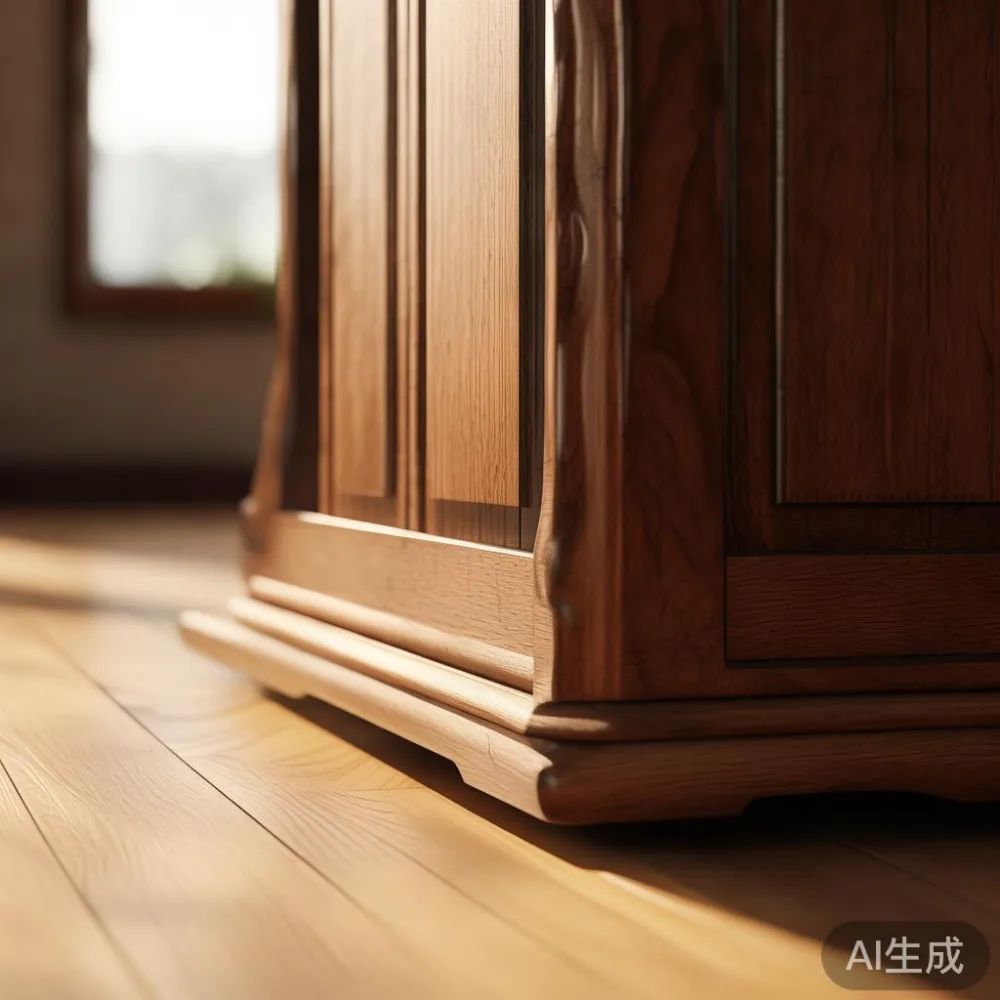
The fundamental difference lies in the material itself. Solid wood furniture is carved from a single, continuous piece of timber. Unlike veneered furniture, which is a thin layer of real wood glued over a cheaper substrate like particleboard or MDF, solid wood is, well, solid. This single piece of wood is inherently stronger and more durable. When you move a solid wood bar cabinet, you're moving a single, cohesive object weighing between 35 kg and 70 kg, depending on the size and wood type. A veneered cabinet of the same size might weigh only 20 kg because its internal structure is mostly lightweight filler.
This material difference has a direct impact on lifespan. A solid wood bar cabinet can be refinished multiple times over decades, in effect giving it a new life. A veneered piece, if the surface is scratched or damaged, cannot be sanded and refinished without exposing the substrate underneath. This inherent longevity is a core reason for the higher initial cost. For Singaporeans living in smaller spaces like a 90 sqm HDB flat, investing in furniture that lasts 20 years instead of 5 is a practical financial decision.
Wood Species: The Hierarchy of Value
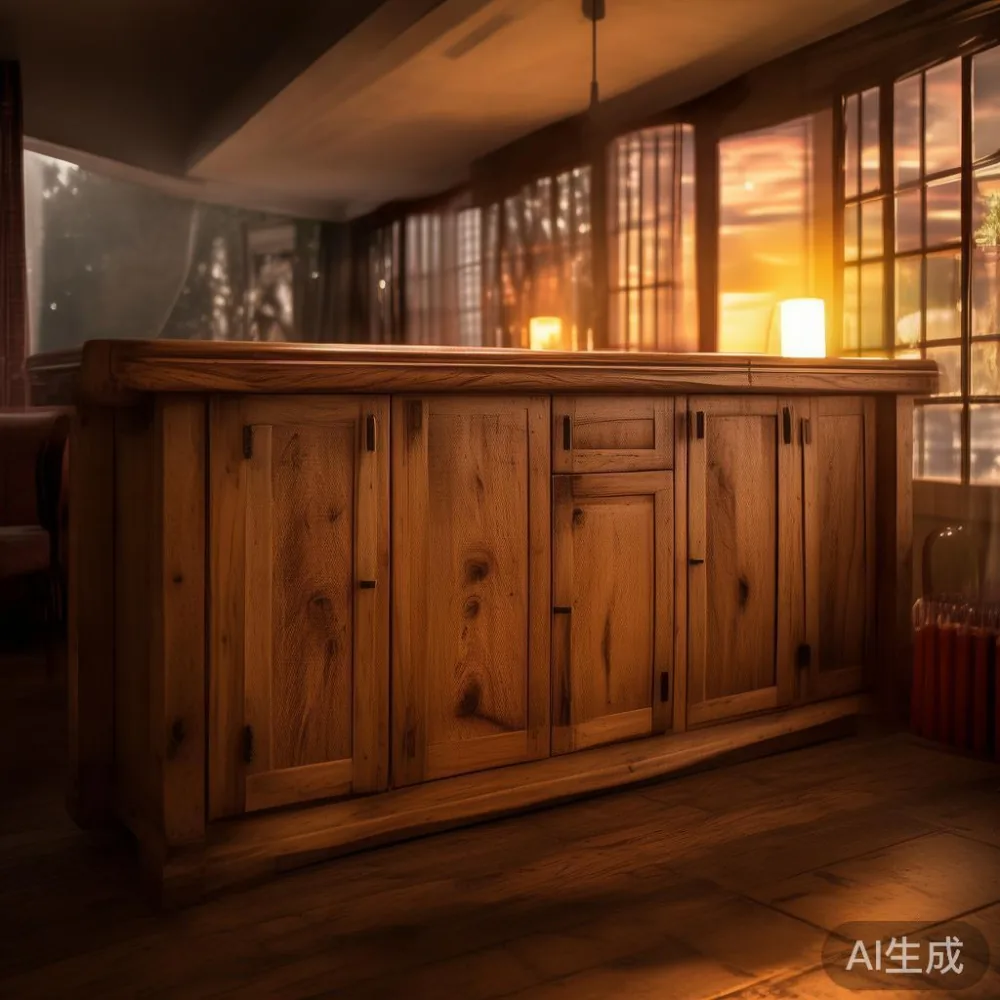
Not all solid wood is created equal. The species of wood used is arguably the single largest driver of price. Hardwoods, which come from deciduous trees, are denser, more durable, and often more beautiful than softwoods, which come from coniferous trees. The price is determined by a combination of scarcity, growth rate, and workability.
- Hardwoods: Oak, walnut, cherry, and maple are premium choices. Oak, with its prominent grain, is very durable and relatively abundant, making it a popular mid-to-high-end option. Walnut, with its rich, dark colour and straight grain, is more expensive due to slower growth rates. A solid walnut bar cabinet can easily cost 30% more than one made of oak.
- Semi-Hardwoods: Rubberwood is a common and more affordable hardwood option. It's sustainable, as it's often harvested from rubber trees that have stopped producing latex. A rubberwood bar cabinet offers a good balance of quality and price.
- Softwoods: Pine is the most common softwood. It's lightweight, easy to work with, and inexpensive. However, it is more prone to dents and scratches over time. A solid pine bar cabinet might be priced at SGD 600, while a similar-sized oak piece could be SGD 1,200.
The choice of wood also affects the final aesthetic. A dark walnut bar cabinet brings a sense of American light luxury, perfect for a condo in Punggol with a dark, moody interior. A lighter oak bar cabinet might fit a French light luxury aesthetic in a bright, airy HDB flat.
Design Complexity and Craftsmanship: The Art of the Bar Cabinet
The design and the skill required to build it are major price factors. A simple, functional bar cabinet with clean lines and basic hardware will be significantly cheaper than one with intricate details.
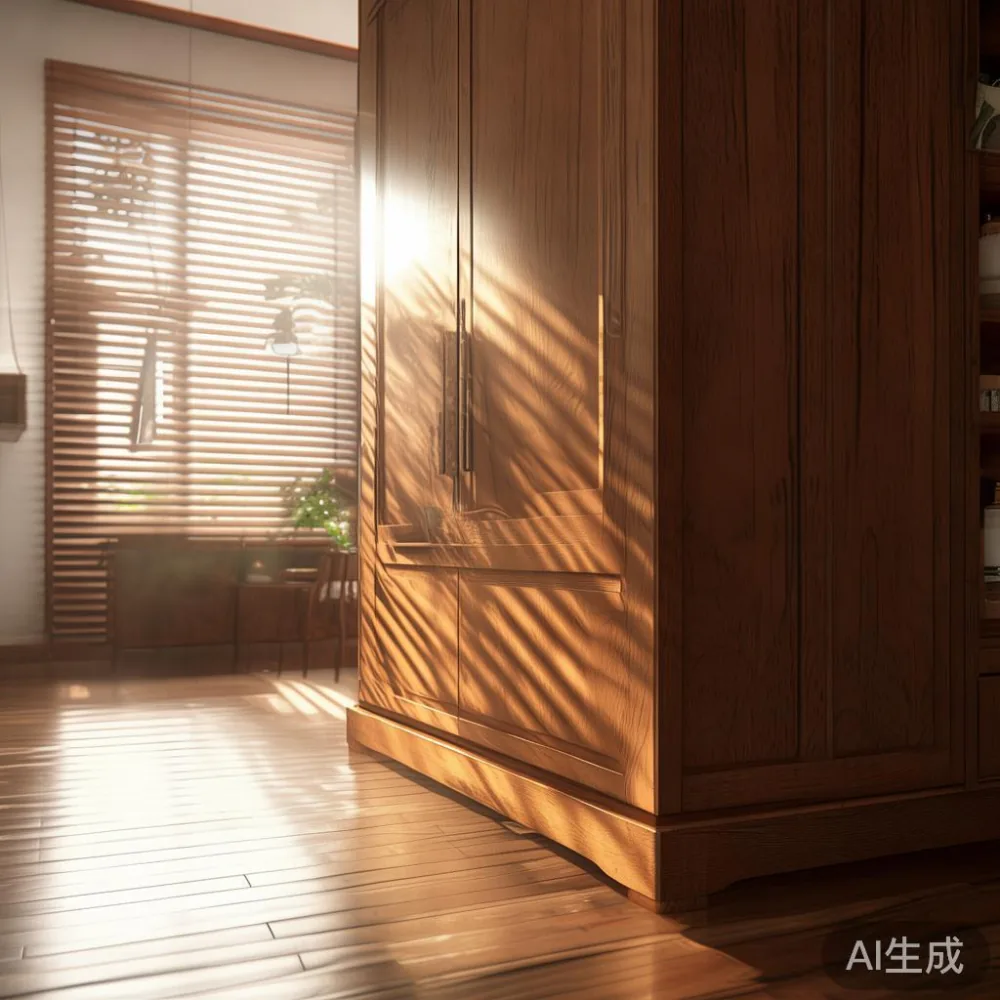
Consider the construction of a bar cabinet's doors. A flat, simple door panel is the easiest and cheapest to make. A cabinet with raised-panel doors requires more precise joinery and material. A cabinet with mullion doors (using wooden strips to create a grid pattern) requires even more complex craftsmanship. Each level of detail adds hours of skilled labour to the price tag.
Joinery is another critical element. A bar cabinet held together with simple screws and glue is less durable than one built using traditional joinery methods like dovetail joints, mortise and tenon, or finger joints. These methods create stronger, more stable connections that can withstand the test of time. A bar cabinet with hand-cut dovetail joints in its drawers is a sign of superior craftsmanship and commands a higher price. When I visited a workshop last month, I watched a craftsman hand-cut dovetails for a drawer. The precision and time involved were immediately apparent, explaining why that specific bar cabinet cost SGD 2,200.
Size, Weight, and Local Delivery Realities
It seems obvious, but a larger bar cabinet costs more. This isn't just because it uses more wood. A bigger piece requires more raw material, more time to build, and more labour to finish. But the costs extend beyond the workshop.
Weight is a significant factor, especially in Singapore. A standard bar cabinet might be 120cm wide, 40cm deep, and 80cm tall, weighing around 45 kg. A larger, more elaborate bar cabinet could be 180cm wide, 50cm deep, and 90cm tall, weighing over 70 kg. This weight directly impacts shipping costs. Logistics companies charge based on both volume and weight. Moving a 70 kg bar cabinet through the narrow corridors and lifts of a Bedok HDB block requires more care and manpower than moving a lighter piece. Free shipping, like the offer from brands such as MIDHILL for orders over SGD 350, is a substantial value that is factored into the product's price.
Also, Singapore's Goods and Services Tax (GST) of 7% is applied to the final price. A bar cabinet listed at SGD 1,000 will have a final price of SGD 1,070. This tax is a non-negotiable part of the cost for all furniture sold in the country.
| Bar Cabinet Feature | Impact on Price | Example Price Difference |
|---|---|---|
| Wood Species (Pine vs. Walnut) | High | SGD 600 vs. SGD 1,200 |
| Door Style (Flat Panel vs. Mullion) | Medium | SGD 800 vs. SGD 1,500 |
| Joinery (Screws vs. Dovetail) | Medium | SGD 900 vs. SGD 1,400 |
| Size (120cm vs. 180cm width) | High | SGD 1,000 vs. SGD 1,800 |
Why Does a Bar Cabinet Cost More Than a Nightstand?
This is a common question for shoppers. The answer lies in the scale of materials, labour, and hardware required. A nightstand is a small, simple piece of furniture. It might use a single, smaller board for its top and sides, and its drawer is small and requires less material for the joinery. The hardware (a single knob or pull) is minimal.
A bar cabinet, on the other hand, is a much larger project. It requires multiple large, wide boards for the top, sides, and back. It has multiple doors, a larger drawer, and potentially internal shelving. This means more cutting, more sanding, more gluing, and more finishing. The hardware is also more substantial—multiple hinges, handles, and drawer slides that need to be aligned and installed perfectly. The sheer volume of work and material involved is exponentially greater, which is reflected in the price.
Finishes and Hardware: The Final Touches That Add Up
The finish on a solid wood bar cabinet is not just for looks; it's for protection. A simple, clear lacquer finish is the most basic and least expensive. It protects the wood from minor scratches but offers little UV resistance. More complex finishes, like oil-wax finishes that give a soft, natural feel, or multi-layered lacquer systems that provide deep, durable gloss, require more time and expertise to apply correctly.
Hardware is another area where costs can vary. A bar cabinet with simple, stamped steel handles will be cheaper than one with solid brass or cast iron hardware. The quality of the hinges is also critical. Soft-close hinges, which prevent doors from slamming shut, are a modern convenience that adds to the cost but significantly improves the user experience. A bar cabinet with soft-close hinges and solid brass pulls will naturally be priced higher than one with basic hardware.
Warranty and After-Sales Service: The Peace of Mind Factor
A lower price might seem attractive, but it can come with hidden risks. What happens if the bar cabinet arrives damaged or if a drawer stop breaks after a few months? This is where the value of a good warranty and after-sales service becomes clear.
A brand that offers a 10-year structural warranty is making a statement about the quality of its construction. They are confident that their joinery, frame, and structure will hold up for a decade. This peace of mind is a form of value. Similarly, a lifetime refinishing policy means that if the finish on your bar cabinet becomes worn over the years, the company will help you restore it, extending the life of your investment indefinitely. These services are not free; they are built into the price of the furniture to cover potential future costs and labour.
When my colleague was choosing a bar cabinet for her new HDB flat in Tampines, she considered a cheaper option. However, she opted for a MIDHILL piece priced at SGD 1,800 because it came with a 10-year structural warranty and lifetime refinishing. She knew that for a piece of furniture she planned to keep for many years, this long-term support was worth the extra SGD 500 compared to a competitor with a one-year warranty.
Positioning and Aesthetic: From Rustic to Light Luxury
The market positioning of a brand also influences its pricing. A bar cabinet is not just a functional object; it's part of a home's decor. The aesthetic dictates the price.
A simple, rustic bar cabinet made from reclaimed pine might appeal to someone looking for a best Rustic bed for 2026 to match the style. It might be priced at SGD 1,200. A bar cabinet designed in a post-modern light luxury style, featuring clean lines, minimalist hardware, and a sophisticated finish, will be priced higher, perhaps at SGD 2,200, to reflect its design-focused positioning. Similarly, a bar cabinet that fits an European light luxury for dining room aesthetic, with elegant proportions and fine detailing, will carry a premium price tag.
The comparison between an American sofa vs Japandi sofa shows this principle well. An American sofa might be large, plush, and made with premium leather, commanding a high price. A Japandi sofa is minimalist, often with natural fabrics and lighter wood, which might be less expensive. The same logic applies to bar cabinets. A bar cabinet designed to complement a best Mid-century modern bed for 2026 will have different design specifications and materials than one meant to pair with a best Vintage bed for 2026, leading to different price points.
How to Choose the Right Bar Cabinet for Your Space
Understanding the drivers of price helps you make an informed choice. Start by measuring your space. A bar cabinet that is 80cm wide might be perfect for a small condo kitchenette, while a 150cm wide piece might be needed for a larger living area in an HDB flat. Consider the width of your lift and corridor. A 150cm wide bar cabinet will not fit through a standard HDB lift if it's not upright.
Next, define your style. Do you want a classic bar cabinet with dark wood and brass fittings, or a modern one with light oak and metal handles? This will guide your material and design choices. Think about your lifestyle. If you entertain often, a bar cabinet with ample storage and a built-in wine rack might be worth the extra cost. If you rarely use it, a simpler model will suffice.
Finally, consider the total cost. Don't just look at the sticker price. Factor in delivery charges, GST, and the potential cost of future maintenance or repairs. A bar cabinet from a reputable brand like MIDHILL might seem expensive upfront, but its durability, warranty, and included services can provide better long-term value.