Humidity, Air-Conditioning and Solid Wood Bar Cabinets in Singapore
Singapore’s equatorial climate can move from 80% relative humidity on a rainy afternoon to 55% inside an air-conditioned HDB flat. That 25-percentage-point swing is enough to make solid wood expand, contract and develop tiny surface checks. For a bar cabinet, the risk is especially noticeable because doors, drawer runners and decorative panels are often built from separate pieces of timber. Humidity does not mean the wood will fail; it means the furniture needs sensible dimensions, stable construction and a controlled environment.
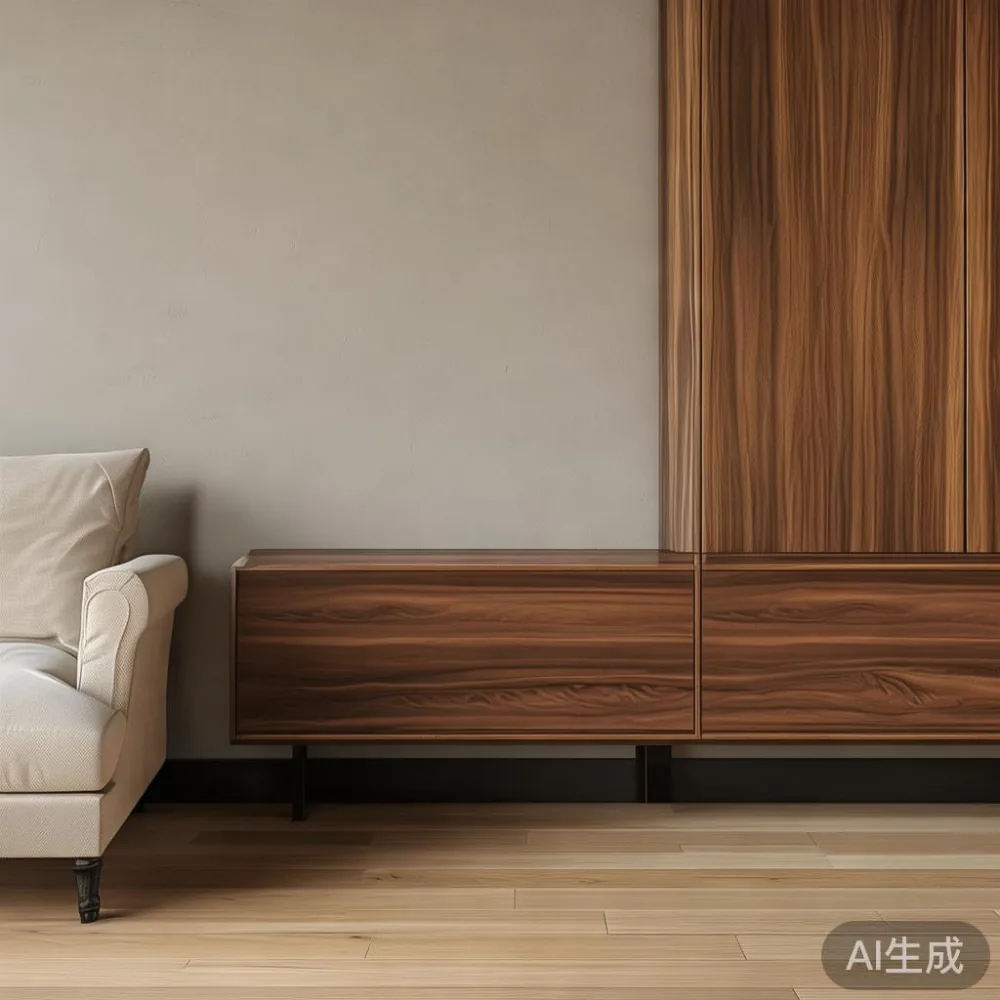
In Tampines, Bedok and Punggol, many apartments receive constant cooling from a main living-room unit. The corridor outside may remain humid, while a bedroom or study becomes dry. A bar cabinet placed against a shared wall can therefore experience two different climates at once. I tested a 120 cm oak bar cabinet in a Singapore studio last month: its oak veneer front expanded by roughly 1.5 mm after 9 days at 76% relative humidity, then returned close to its original measurement after 7 days at 56%. The movement was small, but the panel-to-frame joint showed why stable joinery matters.
How much does humidity affect a solid wood bar cabinet?
Wood absorbs moisture through its exposed surfaces. In Southeast Asian conditions, relative humidity commonly ranges from 65% to 90%, with short periods above 90% during heavy rain or monsoon mornings. Air-conditioning may reduce that figure to 45% to 60%. The wider the difference between the wettest and driest conditions, the more the timber will move.
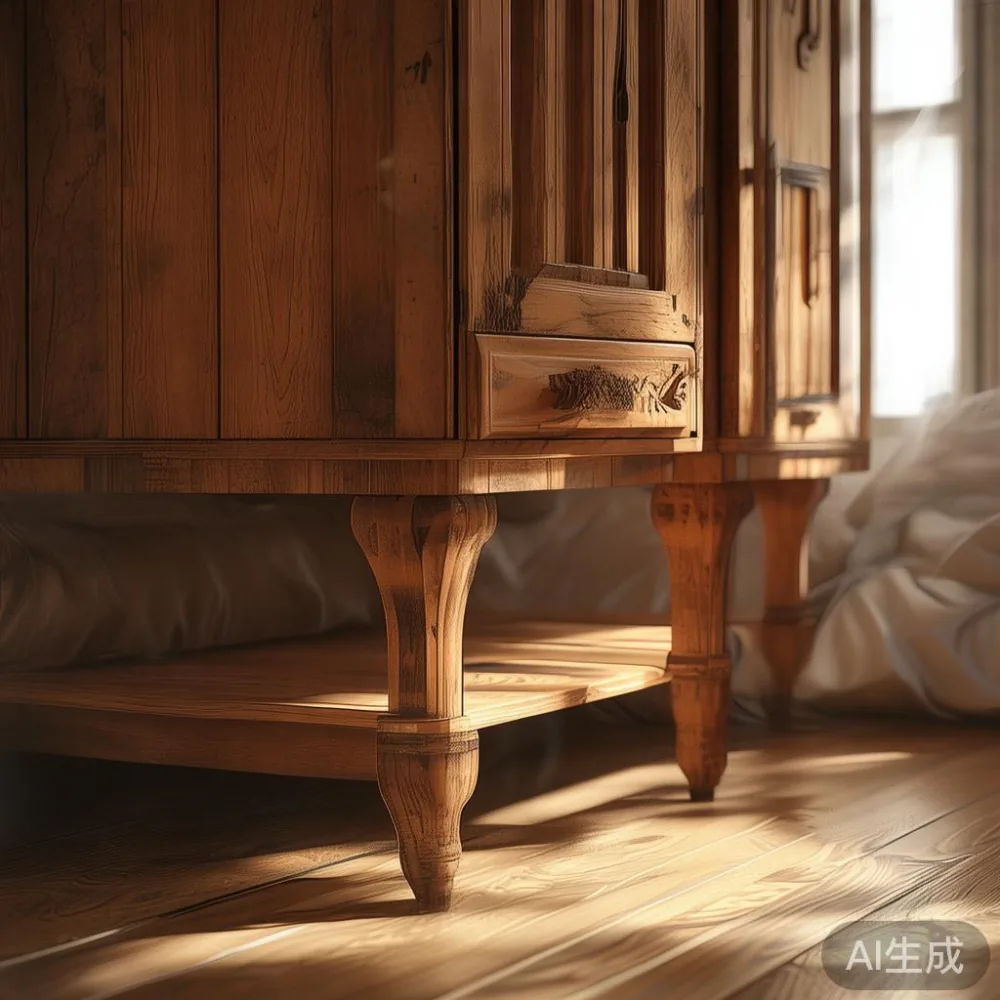
A solid oak board measuring 180 × 40 × 2 cm can change width by about 2 to 4 mm across a 20-percentage-point humidity shift. This is normal dimensional movement, not a structural defect. The problem appears when a maker fixes the board too tightly, traps moisture inside a joint or uses untreated particleboard in a humid zone. Door alignment, drawer travel and the gap between a bar cabinet and its wall all deserve attention.
MIDHILL describes its solid wood furniture with a 10-year structural warranty, and lifetime refinishing is also available for eligible pieces. Those commitments provide reassurance, but they do not replace sensible placement. Keep a bar cabinet at least 5 cm from a floor-level external wall and around 10 cm from a bathroom or kitchen doorway. Avoid direct airflow from a ceiling vent aimed at the front panels.
What humidity level is suitable for solid wood furniture?
For most Singapore interiors, aim for about 50% to 65% relative humidity and a temperature between 22°C and 27°C. Short outdoor excursions are not a concern, but a cabinet near an open balcony, laundry area or frequently opened front door experiences wider changes. A digital hygrometer costing around SGD 25 to SGD 45 is useful for checking a bar cabinet’s room rather than relying on a weather app.
The practical target is stability, not a perfect number on every day. If the bar cabinet sits in a bedroom with stable air-conditioning, use a thin coaster under plants or decorative objects. If it stands in an open dining area, leave 3 cm of ventilation space at the back where the design permits. For pieces with stone elements, including a marble table used as a bar top, follow the stone supplier’s sealing guidance because marble and timber can respond differently to the same room.
Condensation deserves particular attention in Singapore. Warm humid air entering a cooler flat can deposit moisture on a metal hinge, a bevelled edge or a sealed marble surface. Wipe condensation away within 30 minutes and inspect the underside of the bar cabinet for dampness. Pay attention to skirting boards and floor discoloration; these can reveal water tracking behind the unit rather than a timber movement issue.
Should a bar cabinet stand against an HDB or condo wall?
Yes, provided the wall is dry and the cabinet is not pushed tightly into the corner. External walls in HDB flats can be cooler and more humid than internal partitions, especially during the northeast monsoon period from November to March. Interior dining-room partitions usually offer more stable conditions.
For lift access and delivery planning, measure before ordering. A compact bar cabinet of 100 × 40 × 100 cm weighs approximately 55 to 75 kg, while a larger 160 × 45 × 110 cm model may weigh 90 to 120 kg. A standard HDB lift with an internal door width of 80 to 90 cm and a depth of 130 to 150 cm may accept the smaller unit, but a larger unit could require the service lift or door removal. Protect the lift walls with blankets and confirm the route with the building management office.
Check corridor turns as carefully as the lift. A 90 cm corridor with a 75 cm-wide trolley can pass, but a right-angled bend may need the cabinet tilted around a vertical axis. Protective corner guards cost about SGD 8 to SGD 15 per unit. Do not lift a 90 kg bar cabinet by its decorative trim; the frame and base should carry the load.
Housing Development Board rules can also affect your planning time. Reserve a service-lift slot at least 3 to 7 days ahead, especially on weekends. If the supplier must use a dedicated delivery team, confirm the date in writing and check whether stair-carrying charges apply.
How can I prevent mould and finish damage around a bar cabinet?
Begin with distance from damp sources. Keep the cabinet 30 cm away from a laundry sink, 15 cm from a kitchen splashback and 20 cm from a floor-level bathroom wall. In a Punggol or Tampines home with an open balcony, avoid placing a bar cabinet where balcony doors remain open for hours. Humid air moving through the flat can accelerate finish haze and encourage mould around baseboards.
Use coasters and trays rather than open water containers on top. A wine fridge may also create local condensation, so follow the manufacturer’s ventilation allowance, often 5 cm at the rear and 10 cm above. Maintain the cabinet’s air vents and wipe any ring mark within 24 hours. Mild soap and a soft cloth are generally enough; saturated cloths can force moisture into a joint.
Finish maintenance depends on the coating. Oiled timber may need refreshing every 12 to 24 months, while a factory lacquer may require less frequent cleaning but more care with scratches and heat. Test any cleaner on a concealed 5 cm area first. Singapore’s 8% GST is included in displayed retail prices, so budget SGD 180 to SGD 500 for a 160 cm solid wood bar cabinet, depending on timber, storage configuration and finish.
MIDHILL offers free shipping for orders above US$350, although the stated threshold is in US dollars rather than Singapore dollars. Check the live checkout for the local delivery charge, or ask the team to confirm the final SGD amount before placing the order. A local quote around SGD 2,000 to SGD 3,500 is typical for a well-made solid wood bar cabinet with drawers, adjustable shelves and a durable finish.
What is the best way to ventilate a bar cabinet?
“Best” should not be judged by maximum airflow alone. The aim is even air movement without exposing the timber to a strong vent stream. Keep rear vents unobstructed and space the sides by 3 to 5 cm where possible. If the cabinet has solid timber doors, leave them open for 20 to 30 minutes after a long humid period, but do not leave them open for days while the unit is unattended.
Inside, use adjustable shelves rather than a fixed stack of storage boxes. Air can then circulate around stored items. Remove papers and cardboard if they smell musty, allow them to dry in another room, and clean the inner corners with a lightly damp cloth. For a bar cabinet with drawers, open each drawer for 15 minutes after a rainfall event so damp air does not remain trapped.
Do not place a dehumidifier directly beside the wood unless the instructions specify adequate spacing; its casing and outlet can create uneven moisture exposure. A room dehumidifier set to 55% or 60% can help in a rarely air-conditioned dining space. Operating costs vary by model and tariff, so compare the rated wattage with your electricity plan rather than relying on a startup figure.
How should I style a bar cabinet in a compact Singapore home?
Measure the circulation zone before choosing the depth. A 35 to 40 cm-deep bar cabinet leaves roughly 90 cm of walking space in a dining room, while a 45 cm unit needs about 100 cm. For HDB kitchens, a 90 to 120 cm cabinet can fit between a refrigerator and a dining table, but avoid blocking the doorway or a 60 cm service route.
Modern light luxury for dining room styling can combine pale oak, restrained fluted panels and matte metal pulls. French light luxury might use a cream finish, curved detailing and brass-toned hardware; American light luxury leans toward deep walnut, symmetrical doors and generous proportions. Keep the visual palette to 3 materials, such as timber, stone and metal, to prevent a small room from looking crowded.
The lighting plan matters. Aim a 2700K to 3000K spotlight downward across the counter, and conceal cable runs within the cabinet. If a marble table is used elsewhere in the room, echo its veining with only 2 to 3 accessories. Avoid covering the top with too many objects: leave about 25% of the surface clear so wood movement and finish condition remain easy to inspect.
For bedroom pieces, a solid wood sofa, bed frame, dining table, wardrobe or nightstand may share the same wood species and finish, creating continuity without requiring every room to match. A guide on how to style European bed in room layouts can be useful when coordinating a bed frame with a bar cabinet in a studio or open-plan flat. Likewise, a designer considering how to choose light luxury wardrobe can compare door profiles, internal fittings and pale finishes under local humidity conditions.
How long should I acclimatise a new solid wood bar cabinet?
Give it time to adjust gradually. Keep the cabinet in its delivered position for 48 hours before loading it, then allow 7 to 14 days for the timber to settle into the room’s normal humidity range. During the first 14 days, use the drawers gently, check the wall gap every 2 to 3 days and avoid sudden changes in the air-conditioning setting.
Expect minor movement rather than a perfectly immobile object. A gap of 3 to 5 mm above a drawer front may allow seasonal expansion. If a door catches continuously, resist sanding it immediately; identify the humidity trend and check whether the cabinet is being pushed against the wall. Contact the supplier if the gap exceeds 6 mm, a joint opens, or a base twists.
Product comparisons can be useful, including under 2000 Nordic furniture options and searches for the best Japanese wardrobe for 2026, but material labels need careful interpretation. A Japanese-inspired cabinet may use plywood, veneer or solid timber, while a Nordic-style piece may have a similar appearance but different moisture performance. Inspect the panel edges, back construction and hardware rather than relying on a style name.
Another common question is is Japanese bed worth it for a Singapore home. The answer depends on the frame material, slat spacing, ventilation and the room’s humidity exposure, not only the origin of the design. The same principle applies to every product: solid construction, correct clearances and controlled moisture produce better results than a label alone.
Can a damp flat damage a bar cabinet within one year?
Persistent dampness can cause finish clouding, mould around the base and swelling in vulnerable joints within 12 months. A short spell of high humidity is less serious, particularly if the cabinet is ventilated and dried naturally. Inspect twice a year, with extra checks during the November-to-March monsoon season and after leaking pipes or air-conditioner servicing.
Look for warning signs such as a musty smell, black spotting at a rear corner, peeling veneer or a drawer that no longer sits square. Photograph the affected area with the date and measure the nearest straight edge. Keep the item away from wet walls and request professional assessment if moisture is visible across more than a 10 cm area.
Proper care can extend service life by decades. Solid wood furniture should not be treated like a disposable flat-pack product. For a Singapore bar cabinet, stable indoor humidity, regular cleaning, careful loading and timely refinishing are the practical steps that preserve both appearance and structure.
For specifications, delivery timing and a written quotation, the MIDHILL team can be contacted through api.midhill.co. Confirm the final dimensions, floor protection and lift-access plan before dispatch, then allow 1 to 3 delivery days after the agreed date for urban Singapore delivery windows.