How to Care for a Lacquered Bar Cabinet in Singapore’s Humid Climate
A lacquered bar cabinet can make a compact Singapore home feel more considered, especially when it is proportioned for an HDB dining area or a condo living room. Gloss finishes reflect light, clean lines suit open-plan interiors, and a carefully chosen cabinet can organise bottles, glasses, bar tools, and everyday dining pieces without turning the room into a crowded display case. The catch is that Singapore’s heat, humidity, UV exposure, and salt-laden air can age a lacquered surface faster than a photograph suggests.
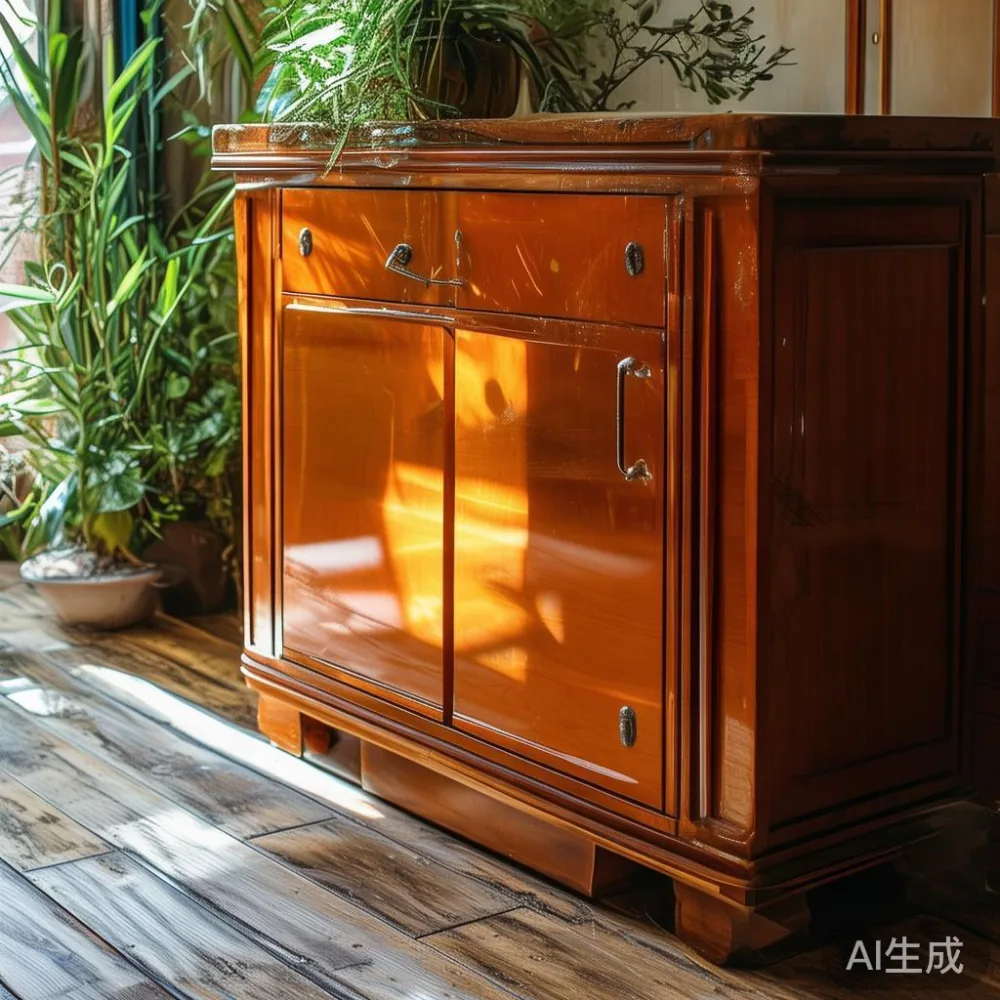
Good care is less about keeping furniture spotless every hour and more about controlling the damaging variables: moisture, heat, direct sunlight, abrasive particles, and sudden cleaning routines. With sensible habits, a lacquered bar cabinet can retain its depth and gloss for many years. MIDHILL designs solid wood furniture for homes where proportions and longevity matter, and the same principle applies here: buy the dimensions you need, understand the finish, and maintain it consistently.
What makes lacquer different from other wood finishes?
<Lacquer is a sprayed or brushed surface coating that dries into a hard, often glossy layer. Compared with an untreated solid wood cabinet, it resists small stains and is easier to wipe down. Compared with a waxed or oiled finish, however, it has less tolerance for heat, alcohol-based cleaners, and physical abrasion. Once the lacquer is scratched, the repair may involve local retouching rather than simply polishing the surface.
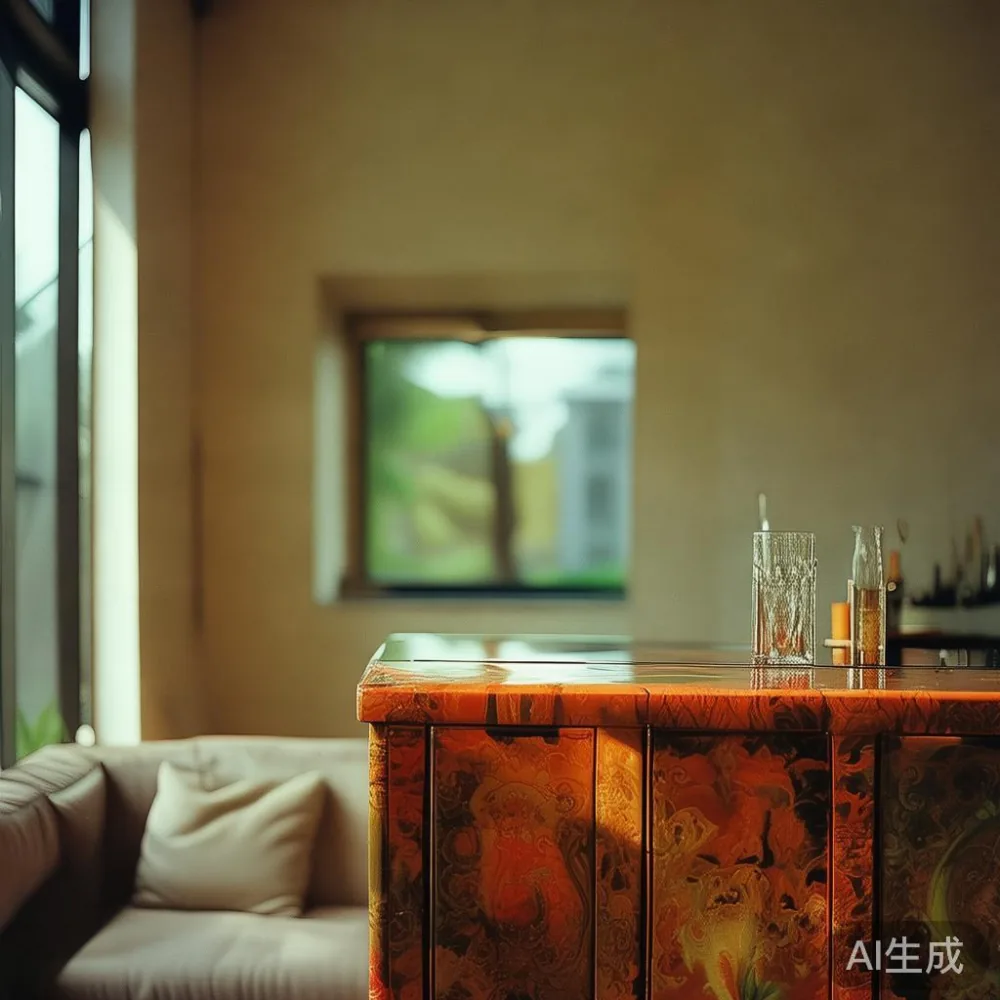
The substrate still matters. A solid wood bar cabinet may use hardwood panels, plywood components, and engineered drawer parts depending on the design. Veneer may also appear on curved or decorative sections. Moisture can enter through exposed edges, joints, or a damaged coating, so the finish should be protected from standing water and indoor condensation.
For residents of Tampines, Bedok, and Punggol, airflow is especially important. HDB flats may experience rapid temperature shifts when a unit faces the western sun, while many condos have glazing that concentrates sunlight onto one side of a room. A cabinet placed beside a window or under a ceiling light may therefore experience two different risks: UV fading and heat cycling.
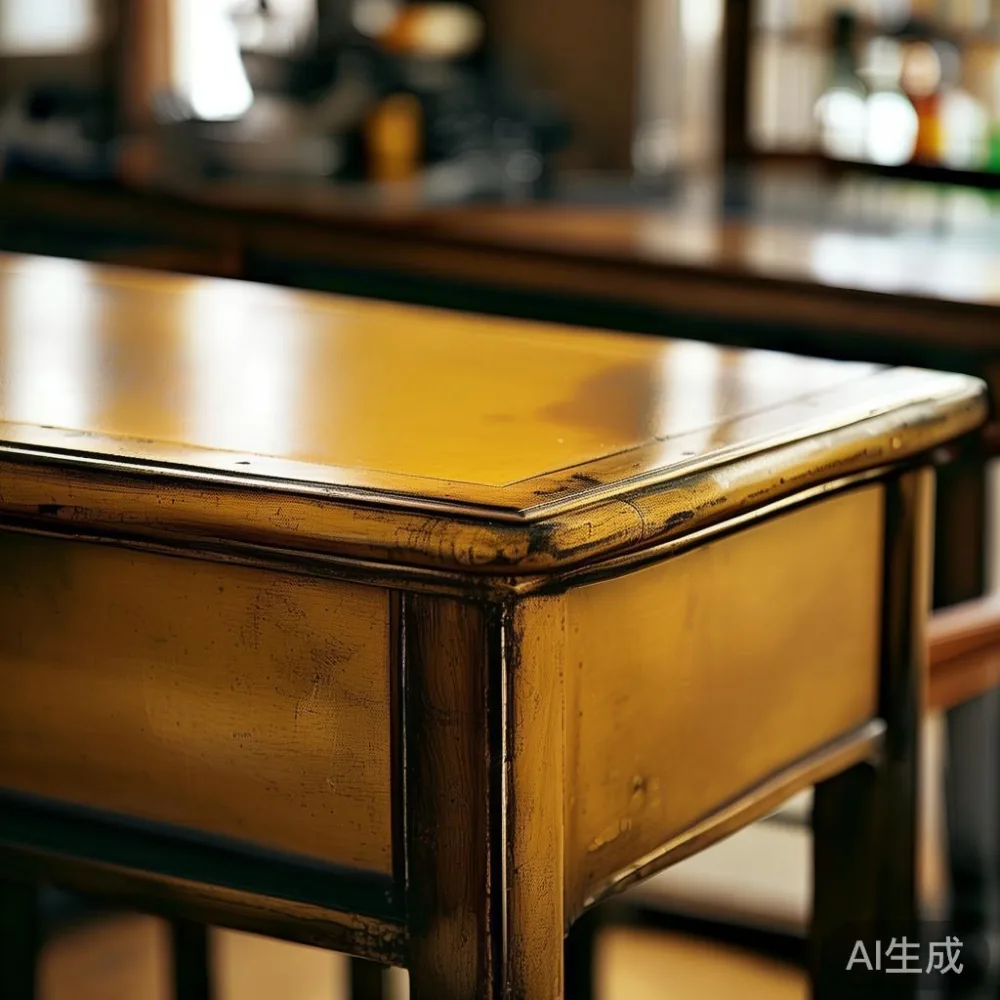
Before delivery, ask for the exact finish name, cleaning instructions, and repair options. If the cabinet has a marble table top, black metal frame, or other mixed materials, treat each component separately. A marble table does not need the same cleaner as lacquer, and metal hardware may discolour if acidic liquids remain on it.
How do I set up the bar cabinet for Singapore conditions?
<Begin with clearance and placement. Leave at least 10 cm behind a freestanding bar cabinet if ventilation is possible, and keep it away from air-conditioning vents that blow directly onto the back panel. For a wall-hung or fitted unit, confirm that the wall is dry and that the fixing method suits the substrate. A typical corridor width of 90–120 cm can make delivery handling more important than the cabinet itself, so check the actual package dimensions before the lift booking.
Measure the lift opening, turning radius, stair width, and route from the loading point. Add 5–10 cm to the package dimensions when planning a tight turn. A cabinet 120 cm wide and 45 cm deep may fit into a standard HDB lift but become awkward at a right-angle corridor turn. MIDHILL can confirm packed dimensions before dispatch; for Singapore orders, GST and delivery charges should appear as separate line items, with free shipping applicable above the stated US$350 threshold rather than being assumed for every local delivery.
Position the cabinet away from direct sun where possible. If the room receives strong afternoon light, apply a UV-filtering film to nearby glass or use a blind that blocks at least 70% of direct rays. Keep the surface at least 30 cm from table lamps and hot pendant lights. Maintain indoor relative humidity around 45–65% where feasible, using dehumidification or air-conditioning rather than a freestanding humidifier that emits mist.
Allow the cabinet to acclimatise before loading heavy objects. For a newly delivered unit, leave it in its final position for approximately 24–48 hours before wiping it down or installing contents. This lets temperature-related condensation evaporate and reduces the chance of trapping moisture against the panels.
What is the safest way to clean a lacquered bar cabinet?
Use a soft, lint-free microfibre cloth and a mild solution of warm water with a small amount of pH-neutral dish soap. Mix roughly 5 ml of detergent into 500 ml of water, dampen the cloth rather than the cabinet, and wipe in a controlled motion. Dry immediately with a separate clean cloth. Test the solution on a concealed 5 cm by 5 cm area and wait 24 hours before treating the full surface.
Never soak the edges, flood the joints, or use steam. Paper towels can leave fibres on a glossy finish, while abrasive pads and stiff brushes create fine scratches that become visible under reflected light. Avoid bleach, ammonia, oven cleaner, paint thinner, acetone, furniture polish containing silicone, and alcohol-based sprays. These products may soften lacquer, dull the sheen, or leave a hazy residue.
Spills should be removed promptly, ideally within 5 minutes. Blot rather than rub. For sticky residue, place a lightly damp microfibre cloth over the spot for 1 minute, then wipe with the diluted detergent solution. Do not use a metal scraper or knife blade. One sharp particle dragged across lacquer can cause a visible scratch in a single pass.
Clean the top, sides, back, and interior on a schedule of once a week during humid periods and once every 2 weeks when the home is consistently air-conditioned. Wipe metal handles with a separate dry cloth, and inspect hinges every 6 months. Tighten screws by hand if they begin to move; excessive torque can damage the particleboard or timber insert behind them.
Can heat and humidity cause lacquer to peel or swell?
Heat is usually the greater immediate danger because it softens or raises a lacquer film while the wood underneath expands. Keep drinks below 60°C, use coasters, and do not place a hot casserole dish directly on the cabinet. A temperature difference of 25°C or more between the surface and the surrounding air can make checking more likely, particularly on cabinets facing western sun.
Humidity rarely affects a sound lacquer film on its own. The concern is moisture entering through scratches, seams, or uncoated edges. Watch for haze around a drink ring, a soft spot, a lifting edge, or a finish that changes from glossy to dull. These are signs to stop using the affected area and seek professional advice.
Singapore’s wet season can bring several hours of high humidity each day, while air-conditioned rooms become very dry. Rapid shifts from 75% humidity outdoors to 25% indoors can stress solid wood panels. Avoid placing the bar cabinet immediately beside a frequently opened drinks fridge if warm moist air spills around the door. If ventilation is required, allow a gap of at least 5 cm around heat-producing appliances and follow the appliance manufacturer’s clearance instructions.
For a room with a coordinated solid wood sofa, bed frame, dining table, wardrobe, nightstand, and marble table, the lacquered bar cabinet can provide a lighter visual note. Italian light luxury for small living room planning often depends on controlled contrast: pale upholstery, one dark reflective finish, and restrained accessories. A cabinet with a warm wood body and soft lacquer front can fit that setting without dominating a 60–80 cm deep living room.
How should I deal with scratches, fingerprints, and dull patches?
Fresh fingerprints on a smooth lacquer surface can often be removed with the diluted detergent method and a clean microfibre cloth. If a mark remains, avoid repeated rubbing. The next stage is a finish-compatible cleaner recommended by the manufacturer, used sparingly and tested in a hidden area. Applying three different products in succession can create more damage than the original mark.
Small scratches may be treated with a lacquer touch-up kit that matches the sheen rather than colour alone. Ask for the lacquer code, base sheen, and process instructions before attempting a repair. A scratch on a matte cabinet and a scratch on a high-gloss cabinet require different levels of feathering. Deep gouges, water staining, or a broad dull area are better handled by a refinishing specialist.
Not every cabinet repair is a full refinishing job. Local blending can take roughly 30–90 minutes for a small mark once access and materials are ready. A complete refinishing cycle may take several days because the surface must be cleaned, prepared, coated, cured, and inspected. If a cabinet has been exposed to direct sun for 3–5 years, colour matching becomes more difficult because the exposed and protected areas may no longer look identical.
Put coasters and felt pads under objects, but do not leave paper or cloth damp against the lacquer. Lift glassware rather than sliding it. Use a tray for pens, keys, cutlery, and decorative objects; those small items cause most everyday scratches. Do not stack rough cardboard or newspaper on the top because the printed surface can transfer and abrade the finish.
How do I style a lacquered bar cabinet without overcrowding it?
Styling should follow the room’s architecture, not a fixed catalogue formula. In an HDB flat with a compact dining zone, choose one focal grouping: 3–5 bottles on a tray, 2 sets of glasses, and one sculptural object. Leave at least 20% of the surface clear. In a larger condo bar area, repeat a restrained material palette across 2–3 levels rather than filling every shelf.
If you are wondering how to style French provincial sofa in room projects, the same visual discipline applies. The sofa may carry carved details, but the bar cabinet should remain crisp and contemporary. French light luxury usually combines soft textiles with pale woods and reflective accents; the cabinet’s lacquer can supply that controlled shine. For a post-modern light luxury approach, pair it with one geometric object and avoid adding several competing statement pieces.
For a guest room, the cabinet may become a luggage or drinks station rather than a full bar. Light luxury for guest room styling benefits from a single tray, one framed artwork, and closed storage for spare cups. A European for guest room scheme can pair light timber, neutral walls, and black hardware, while the bar cabinet’s gloss gives the space a more finished edge.
Do not let styling become a display of rarely used objects. Every item needs a practical home, or it will collect dust and increase cleaning. A slim Mid-century modern accent chair nearby can provide visual balance without adding a second pattern-heavy piece. Keep the chair at least 20 cm from the cabinet door swing, and use it as a seating element rather than an extra side table.
How often should the cabinet be inspected?
Check the surface every month, especially if the cabinet faces a window or sits near the kitchen. Look for scratches, condensation, swollen edges, loose handles, and doors that no longer sit flush. Pay attention to the underside and rear panel, where humidity can remain unnoticed for 6–12 months.
Inspect the structure after the first 3 months, then every 12 months. Confirm that the anti-tip fitting remains secure, hinges move smoothly, and the levelling feet still support the cabinet evenly. An uneven floor can twist the carcass and stress the lacquer around joints. A cabinet supporting 40–60 kg of bottles and glassware should not visibly flex when loaded.
Keep a maintenance record with the purchase date, finish details, cleaning products used, and the date of each inspection. Photograph the condition of the surface every 6 months; this creates a useful reference if a warranty or refinishing question arises. MIDHILL provides a 10-year structural warranty, and eligible finishes can be refinished for life, but damage from standing water, unauthorised solvents, or direct heat is a different matter from structural failure.
For repairs, use the original supplier rather than a generic workshop where possible. A replacement rail, hinge, or drawer runner should match the cabinet’s dimensions and mounting pattern. Generic hardware may fit loosely and transfer movement to the lacquered door edges. Confirm that replacement lacquer has cured for the specified period before use; touch-up products may feel dry after 30 minutes but need up to 7 days to reach full chemical resistance.
What should I do if the lacquer starts lifting?
Stop placing objects against the affected area and move drinks away from it. Do not press the lifted edge down with tape, glue, or a heated iron. Tape can pull more lacquer away, while heat may deepen the blister. Cover nearby objects with a clean cloth if there is a risk of moisture or flakes falling, and arrange an assessment with the manufacturer or a qualified refinisher.
Minor edge lifting can sometimes be cleaned, prepared, and recoated, but the result depends on the lacquer system and how much wood beneath it has darkened. Full refinishing may require stripping the old coating, repairing the substrate, sealing it, applying 2–4 lacquer coats, and allowing approximately 48–72 hours between application stages. Longer curing may be required in humid conditions, so do not rush the return to service.
If the cabinet was delivered with visible lifting, photograph the area on the day of receipt, retain the packaging, and contact the supplier within 7 days. Check the delivery record for damage notes. Keep using the cabinet only if the movement is not affecting its stability; if it is, remove contents and isolate the area.
What is the practical long-term care routine?
A workable routine is simple: wipe weekly, inspect monthly, control sunlight and heat, and repair scratches early. Use a pH-neutral cleaner, keep liquids off the edges, and never polish an unfamiliar finish without instructions. If the cabinet is next to an open kitchen, clean it more often because cooking oil and fine dust settle quickly on glossy surfaces.
When comparing European light luxury bed vs Italian light luxury bed ideas for a bedroom, the material finish is only one part of the decision. Joinery, drawer movement, room dimensions, and maintenance should guide the choice. The same care discipline carries over to a solid wood dining table and other lacquered pieces: prevent environmental stress, use protective accessories, and address damage before it becomes widespread.
Singapore’s climate does not make a lacquered bar cabinet impractical. It does ask the owner to be deliberate about placement and cleaning. With a 5 cm minimum buffer from heat and damp walls, weekly gentle wiping, and annual hardware checks, the finish can remain attractive through changing weather and frequent use. After 3 years, a well-positioned cabinet should still show an even sheen rather than a patchwork of dull zones and scratches; that consistency is usually the clearest sign of sound care rather than expensive intervention.