The True Cost of a Bar Cabinet: Solid Wood vs. Veneer Over Five Years in Singapore
When furnishing a Singaporean home, whether it's a compact 4-room HDB flat in Tampines or a spacious condominium in Punggol, making informed choices about materials is a significant decision. The bar cabinet, a piece that often anchors a living or dining area, is no exception. Homeowners are frequently presented with two primary options: solid wood or veneer. While the initial price tag of a veneer bar cabinet might seem attractive, a five-year cost comparison reveals a different story, one that factors in durability, maintenance, and long-term value, all within the unique context of Singapore's living environment.
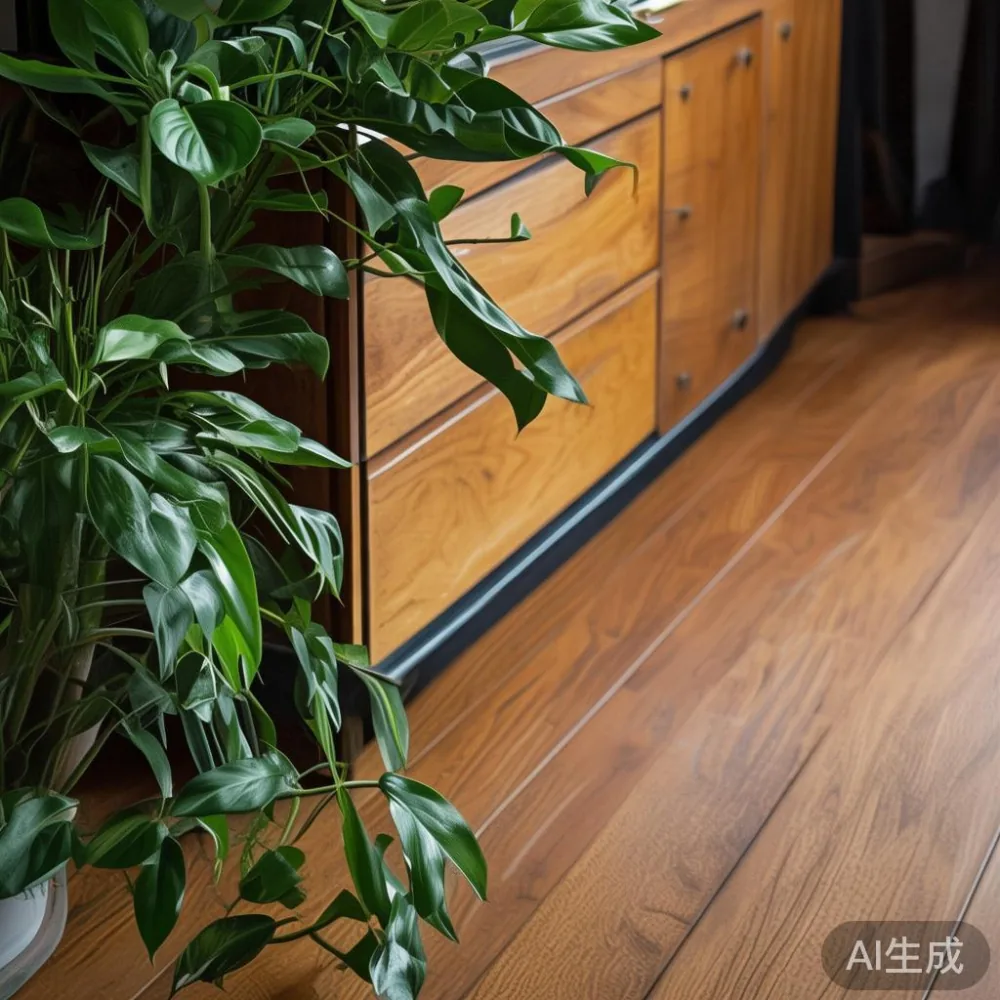
What Exactly Are We Comparing? Solid Wood and Veneer Explained
Before diving into numbers, it's important to understand the fundamental difference between these two materials. A solid wood bar cabinet is constructed from a single, solid piece of timber, such as oak, walnut, or mango wood. The entire structure, from the main frame to the doors and drawer fronts, is made of this solid material. This results in a piece of furniture with significant weight, often between 45 to 65 kg for a standard-sized unit, and a substantial presence in a room. The natural grain, texture, and subtle colour variations are inherent to the wood itself, giving each piece a unique character.
Veneer, on the other hand, is a thin layer of real wood applied over a core panel, which is typically made of a composite material like MDF (Medium-Density Fibreboard), particleboard, or plywood. This core is much lighter, with a veneer bar cabinet weighing around 25 to 40 kg. The veneer provides the aesthetic of real wood on the surface, but the underlying structure is engineered wood. While a high-quality veneer job can be beautiful, the long-term performance of the core material is where the critical differences lie, especially in Singapore's climate.
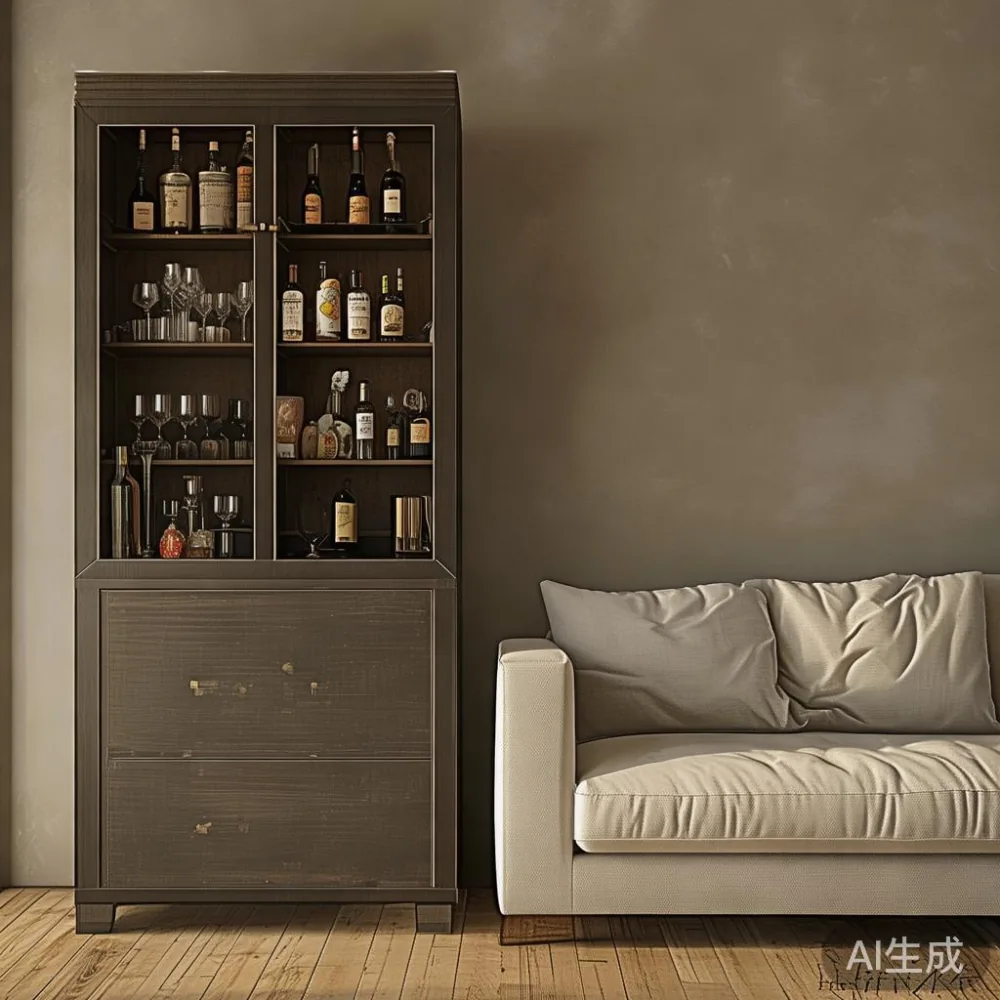
Initial Investment: The Upfront Cost of Your Bar Cabinet
The most immediate difference between solid wood and veneer bar cabinets is the purchase price. In the Singapore market, a veneer bar cabinet typically starts from around SGD 800 and can go up to SGD 1,500 for larger designs with more features. For instance, a veneer unit measuring 120 cm wide with two doors and three shelves might cost approximately SGD 1,100. This lower price point is the main draw for many budget-conscious homeowners.
A solid wood bar cabinet commands a higher initial price. For a comparable size and design, one can expect to pay between SGD 2,200 and SGD 4,000. A solid mango wood bar cabinet with a marble inlay top, for example, could be priced at SGD 2,800. This price reflects the cost of the raw material, the longer crafting time, and the inherent durability of the piece. While the sticker shock is real, this initial investment is the first data point in our five-year analysis. It's the same logic that leads people to invest in a solid wood sofa over a cheaper fabric-covered one; the foundation is simply more substantial.
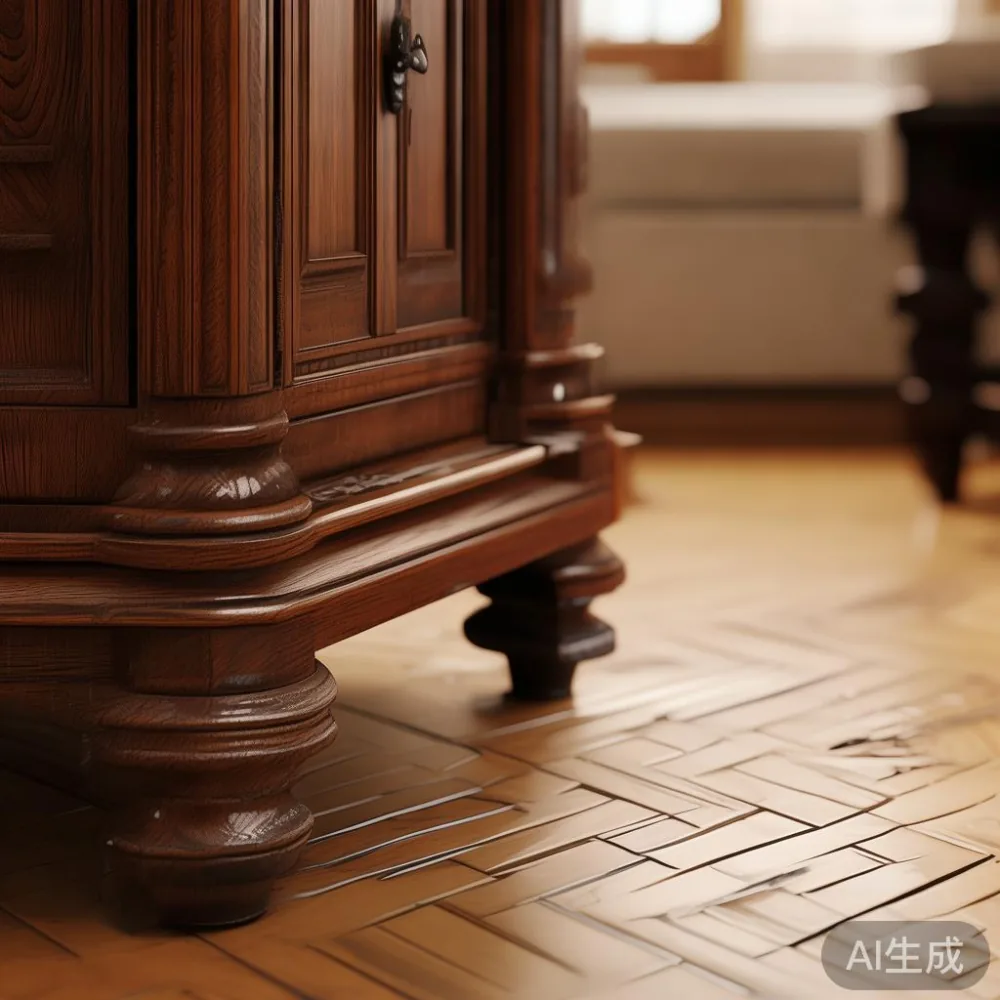
Longevity and Durability: How Your Bar Cabinet Withstands Time
Longevity is where the true value of solid wood becomes apparent. A well-constructed solid wood bar cabinet is an investment that can last for decades. The dense, stable nature of the wood makes it highly resistant to dents, scratches, and general wear and tear. Its structural integrity is not compromised over time. For a family in a Bedok HDB, where the bar cabinet might see daily use, this resistance to damage is a significant advantage. The piece will not sag or warp under the weight of glassware and bottles, maintaining its form and function for years.
Veneer bar cabinets have a more uncertain lifespan. The thin wood layer is susceptible to chipping and peeling, especially along the edges. More critically, the core material (MDF or particleboard) is vulnerable to moisture. In Singapore's high-humidity environment, even minor spills or condensation can cause the core to swell, bubble, or disintegrate. A colleague of mine in a Tampines condo experienced this firsthand. He purchased a veneer bar cabinet for SGD 1,200. After two years, a small, unnoticed leak from a wine bottle caused the bottom panel to warp and the veneer to bubble. The entire unit had to be replaced, a cost he hadn't anticipated. This kind of failure is a common issue with veneer furniture in our local climate.
Is a Solid Wood Bar Cabinet Really Worth the Higher Price?
This is the question on every homeowner's mind. The answer lies in a complete view of ownership. A solid wood bar cabinet is not just a purchase; it's an acquisition. Its value is not only in its function but also in its ability to be refinished. Should the finish become scratched or dated over five or ten years, a solid wood bar cabinet can be sanded down and refinished to look like new. This is a service offered by many reputable makers, including a lifetime refinishing guarantee from some. This extends the usable life of the furniture indefinitely, adding zero cost to its long-term value.
A veneer bar cabinet offers no such recourse. Once the veneer is damaged or the core is compromised, the piece is almost always irreparable. You cannot sand and refinish a thin layer of wood without destroying it. This means that when a veneer bar cabinet fails, the entire cost of replacement is incurred again. For a piece that might only last 5-7 years in a humid home like a Punggol condo, this cycle of replacement negates any initial savings. The initial lower price is offset by the need for a second purchase much sooner.
Maintenance and Repair Costs Over Five Years
Let's project the costs over a typical five-year period. For a veneer bar cabinet purchased at SGD 1,100, the maintenance is mostly preventative. Regular dusting and immediate cleaning of spills are necessary to prolong its life. However, accidents happen. A deep scratch that penetrates the veneer might cost SGD 150-SGD 250 for a professional repair, which may or may not blend perfectly with the surrounding area. If the unit suffers from the humidity-related issues mentioned earlier, the total cost of replacement at the 5-year mark would be another SGD 1,100, bringing the five-year total to SGD 2,200.
For a solid wood bar cabinet, the maintenance is simpler and less frequent. Occasional polishing with a suitable wood conditioner is often enough to keep it looking its best. The primary cost comes from the initial purchase. Let's use a SGD 2,800 solid wood unit as our example. Over five years, barring a major accident, the only associated cost might be a bottle of wood polish, amounting to SGD 50. At the five-year mark, the solid wood bar cabinet has maintained or even increased in aesthetic value and is structurally sound. There is no need for replacement, making the five-year total SGD 2,850.
When you factor in the potential for a mid-life replacement with the veneer option, the solid wood choice proves to be the more economical long-term solution. The initial higher cost is amortized over a much longer period, and the piece retains its integrity and beauty. This principle extends to other furniture as well; a homeowner might consider the best Minimalist wardrobe for 2026 to be one made of solid wood for the same reasons of longevity and style.
Resale Value and Aesthetic Timelessness
Another often-overlooked aspect of furniture ownership is its resale value. A high-quality solid wood bar cabinet holds its value remarkably well. Because it is built to last and can be refinished, it remains desirable on the second-hand market. After five years, a solid wood bar cabinet might retain 50-70% of its original value, depending on the brand and condition. This provides a financial return when you decide to upgrade or move.
A veneer bar cabinet, conversely, has virtually no resale value. Its short lifespan and susceptibility to damage make it an undesirable piece to buy second-hand. By the time it's five years old, it's often considered worn out or damaged, and its value has depreciated to nearly zero. This financial loss is a hidden cost of choosing veneer. The aesthetic appeal of solid wood also tends to be more timeless. A well-designed solid wood piece fits smoothly with various decor styles, from French light luxury to American light luxury, without looking dated. A veneer piece, with its thinner profile and less substantial feel, can sometimes look less sophisticated and may not integrate as well with a marble table or other premium furniture elements.
Logistics and Practical Considerations for Singapore Homes
Bringing a new bar cabinet into a Singaporean home has its own set of practical challenges. The size of doorways, lift cars, and corridor widths must be considered. A solid wood bar cabinet, being heavier and denser, requires careful handling. Delivery teams need to be experienced to work through the tight spaces common in HDB blocks and older condos. However, reputable manufacturers often provide detailed measurements and white-glove delivery services. For example, knowing the exact dimensions of your lift car (typically 110 cm x 210 cm in older estates) and the width of your corridor (often 90 cm) is critical for a smooth delivery. Many companies offer free shipping for orders over SGD 350, which is easily met with a bar cabinet purchase.
Veneer bar cabinets, being lighter, might seem easier to move. However, their lighter weight can also make them feel less stable and more prone to damage during transit if not packed securely. The core material is more susceptible to impact damage than solid wood. When considering delivery times, both types of furniture typically require 14-21 days for production and shipping from the manufacturer. A 14-day return policy is also standard, giving homeowners a window to inspect the piece for any manufacturing defects before it's assembled in their home.
The Verdict: A Financial and Lifestyle Perspective
After a five-year analysis, the financial case for a solid wood bar cabinet becomes clear. The initial higher investment is offset by its superior durability, minimal maintenance needs, and potential for refinishing. When compared to the veneer option, which risks premature failure and a full replacement cost within the same timeframe, solid wood emerges as the more economical and sustainable choice. This logic extends to other key furniture pieces; a homeowner seeking the best Mid-century modern bed for 2026 or a Modern light luxury wardrobe would be wise to apply the same long-term value thinking.
Beyond the numbers, the choice is also about lifestyle and peace of mind. Owning a solid wood bar cabinet means owning a piece of furniture that can adapt to your life. It can withstand the hustle of daily use in a family home, the occasional party, and the Singaporean climate. It becomes a part of your home's story, not just a temporary fixture. For those who appreciate European light luxury for office settings or a wholesale light luxury furniture aesthetic in their living spaces, a solid wood bar cabinet provides the substance and quality that defines that style. It’s a purchase that provides daily satisfaction for years to come, making it a wise investment for any Singaporean home.