Unlocking Furniture Warranties: A Guide for Singaporeans
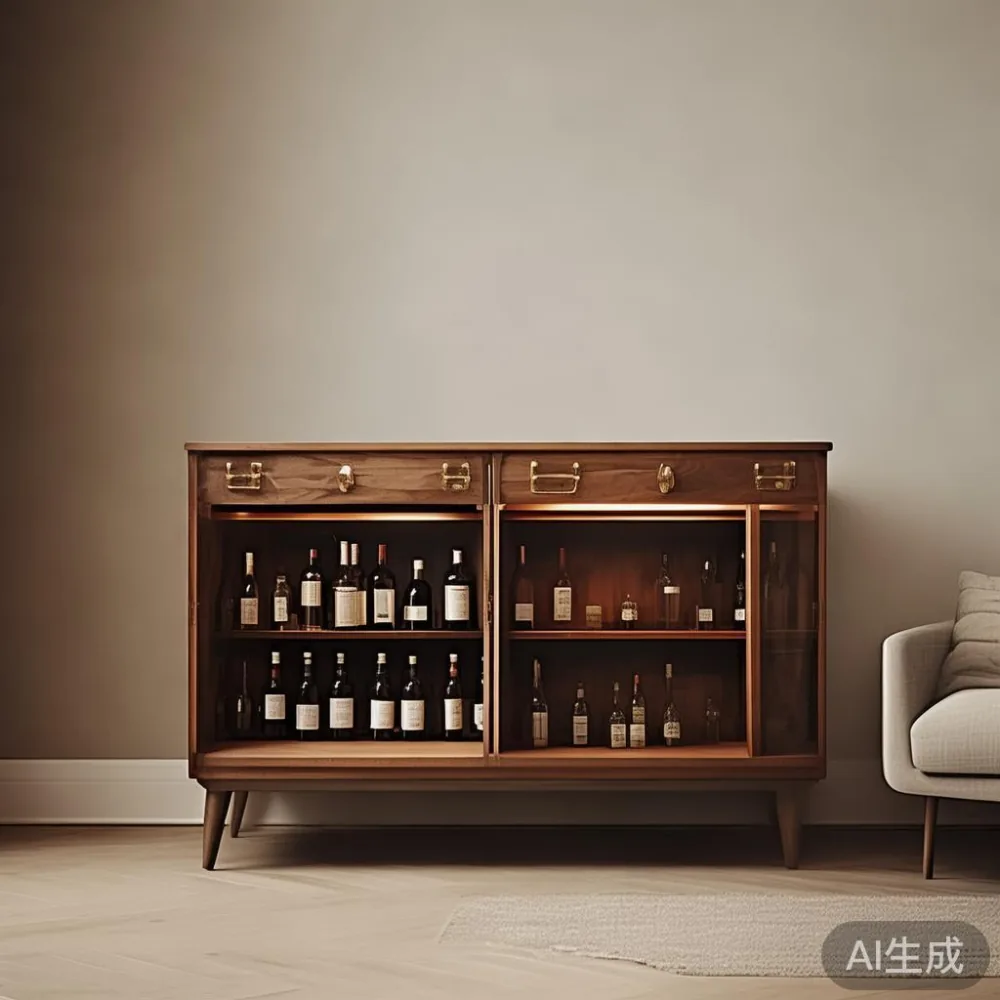
Last month, I visited a friend’s new HDB flat in Tampines with a solid wood bar cabinet. After 6 months, one drawer had developed a 3 mm side-to-side movement. The retailer and manufacturer exchanged emails for 11 days, and my friend learned that “solid wood” covered only certain parts of the cabinet. That experience changed how I assess warranties: the useful details are usually buried in definitions, exclusions, claim procedures, and measurement tolerances.

For Singapore buyers, a warranty should also fit the realities of an HDB flat or condo. A bar cabinet may fit inside a 900 mm lift but cannot turn through a 1,200 mm corridor without tilting, and its carton may be longer than the furniture itself. GST, delivery access, assembly, moisture, and repair logistics all affect the value of the promise. MIDHILL, a Foshan solid wood furniture maker established in 2008 and exporting to more than 15 countries, provides a 10-year structural warranty, lifetime refinishing, free shipping above US$350, and a 14-day return window. Here is how to read those terms with a measuring tape, a phone, and a clear evidence folder—not just a magnifying glass.
What does a 10-year structural warranty actually cover?
A structural warranty usually concerns the stability of the main frame or carcass under normal use. It does not automatically cover every scratch, stain, joint, fitting, or surface change. For a solid wood bar cabinet, the frame may include the side panels, top, base, and load-bearing uprights. The warranty may still exclude drawer runners, hinges, handles, adjustable shelves, cable openings, lacquer, stains, and components supplied by another manufacturer.
Look for 4 questions in the document:
1. What is the “structure”? Ask for a diagram or written component list. A vague reference to “furniture” can create avoidable disagreement.
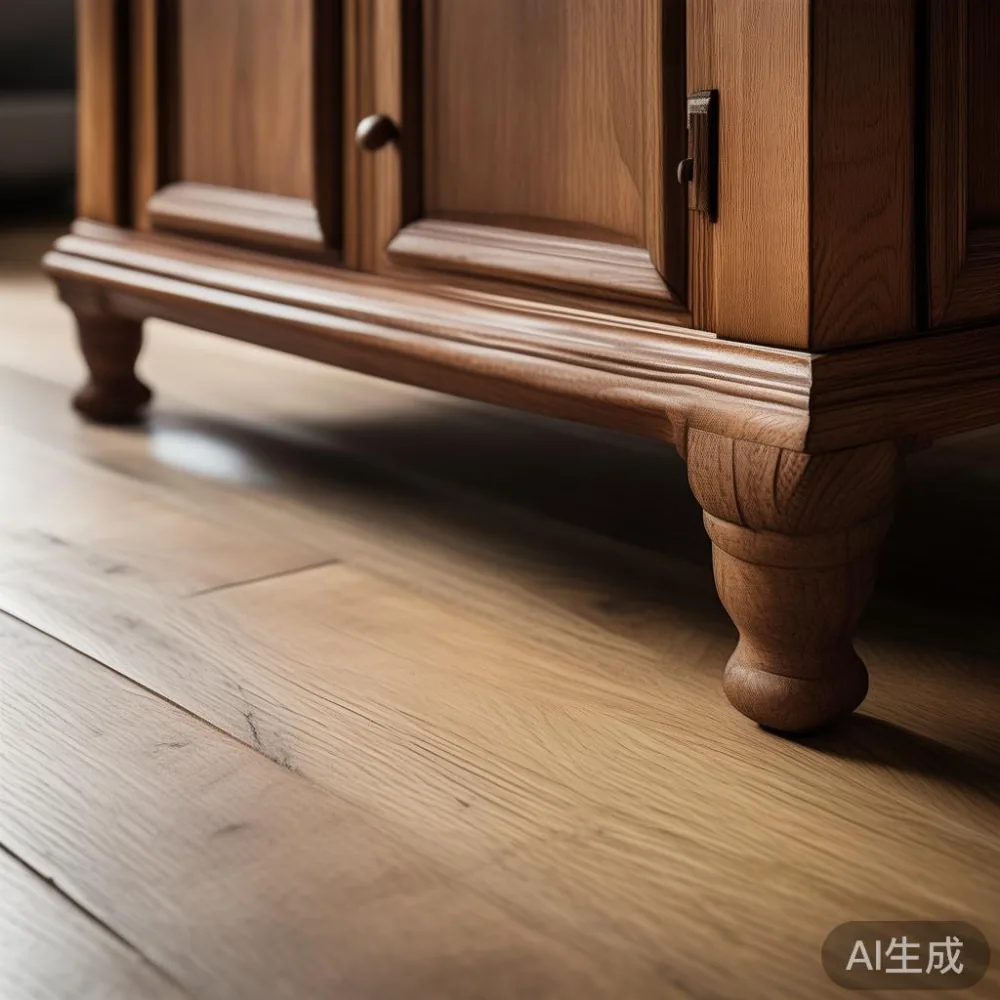
2. What counts as a defect? Some warranties treat a warped panel of more than 5 mm across the width, a cracked load-bearing joint, or a permanent separation as a defect. A 2 mm movement in a drawer may not qualify because seasonal movement and functional tolerances are different issues.
3. What use is considered normal? A bar cabinet supporting 35 kg of bottles and glassware on its top may fall outside a domestic-use limit of 20 kg. Check the stated load rating for the cabinet top, shelves, drawer base, and any wall-anchoring system.
4. Who pays for labour? A 10-year promise is more useful if it includes collection, inspection, repair, replacement, return delivery, and re-installation. Replacement does not always include removal of the old unit.
The age of the claim matters too. Keep the invoice, delivery order, warranty card, serial number, and photographs. In Singapore, a tax invoice showing the SGD price and GST treatment helps establish when the item was bought. Photograph packaging and furniture on arrival, including the underside and fixings.
Does “solid wood” mean every part of the bar cabinet is solid wood?
No. “Solid wood” may describe the visible frame, while drawer bottoms use plywood, cabinet backs use MDF, and hardware uses steel. That is not automatically misleading, but the material schedule should be specific. Request details for the front, sides, top, back, shelves, drawer boxes, doors, and interior surfaces.
Solid wood can still move because of humidity. Singapore’s outdoor relative humidity often ranges from 65% to 90%, while air-conditioned interiors may sit near 50%. A manufacturer may consider movement within 3 mm under specified humidity conditions acceptable. A gap above 5 mm, a split over 10 mm, or a joint opening beyond 4 mm may justify inspection, though the actual standard must come from the written warranty.
For solid wood furniture, ask whether the finish is lacquer, oil, wax, or another coating, and whether refinishing is available for every type of damage. MIDHILL offers lifetime refinishing, but the wording still deserves review: confirm whether it refers to scratches, discoloration, or full refinishing, and whether the customer bears transport or labour costs. A lifetime service limited to one visit per year is different from unlimited refinishing.
Beware marketing language such as “heirloom quality,” “made from premium timber,” or “European styling.” French light luxury, American light luxury, and post-modern light luxury describe design directions, not necessarily origin, timber species, or construction quality. The material and component labels are what allow comparison.
Is Japandi sofa worth it for a Singapore apartment?
The exact phrase is Japandi sofa worth it, but a sofa is a separate decision from a bar cabinet. Still, the warranty-reading method transfers. For an HDB living room, a compact sofa of 180–210 cm can leave a 70–90 cm circulation path, while a 240 cm sofa may suit a condo living room with more clearance. Check that the frame, cushions, webbing, and mechanism are each covered, not merely the product name.
For anyone considering a matching solid wood sofa, bed frame, dining table, wardrobe, nightstand, or marble table, identify which parts are structural and which are serviceable components. A 10-year frame warranty may exclude sofa mechanisms after 2 years and cushion filling after 3 years. Request the exclusions before paying. The same disciplined approach helps when searching for for sale Mid-century modern furniture or considering how to style European bed in apartment layouts.
The question is not only whether Japandi styling suits the room; it is whether the warranty gives adequate recourse for daily use. Confirm the maximum static load, whether floor protection is required, and if pet or rental use counts as normal use.
How do returns work, and can a warranty replace the 14-day return option?
A return policy handles a different stage from a warranty. A 14-day return period may allow cancellation for convenience, size misjudgement, or a change of mind. A warranty addresses defects that appear after the return window. A 3-week delay between ordering and delivery can also expose you to a rapidly approaching return deadline, so record the order date, expected delivery date, and actual receipt date.
Read the condition requirements. The bar cabinet may need to be unassembled, without labels removed, and returned in its original packaging. Restocking fees of 10% or 15% may apply to made-to-order or assembled items. Custom dimensions, altered finishes, and installed products may be non-returnable.
Check who arranges collection. If the seller charges SGD 45 for a doorstep pickup, compare that with the cost of keeping a 65 kg cabinet for a return. For a unit delivered to an upper-floor Tampines flat, the contractor may need a 10-minute lift reservation and a 120-minute service slot.
Free shipping above US$350 is useful, but confirm whether the threshold is converted to SGD at checkout, whether remote-area surcharges apply, and whether the quoted service includes unpacking. It may cover standard kerbside delivery only. A lift booking, stair carry, assembly, or old-item removal could still cost SGD 20–120.
What should I do before the bar cabinet enters my Singapore home?
Measure the route before ordering. Record the lift car width and depth, doorway width, corridor turns, and the narrowest point. A bar cabinet 150 cm wide may fit a lift with a 1,050 mm door and a 1,400 mm car, yet fail to turn through a corridor bend. If the carton is 165 × 62 × 48 cm, ask whether it can remain upright. Add at least 20 mm clearance around the carton when calculating lift fit.
Also measure the intended wall. Leave 5–10 cm above a tall sideboard for cable routing, or allow for skirting. Check skirting heights of 60–100 mm and confirm that rear ventilation avoids trapping condensation against the wall. A bar cabinet used with glasses and bottles needs a stable top; ask for the tested load and any centre-of-gravity warning.
Inspect on arrival with a steel rule. Check diagonals of each side by measuring from front-left to rear-right and front-right to rear-left; a difference over 3–5 mm deserves documentation. Run the drawers through their full travel, level the feet, and inspect the top for dents. Photograph video is helpful when movement is visible.
Do not install or modify a defective unit immediately. Continuous loading can complicate the evidence. Keep assembly instructions, anchor parts, spare screws, and the hardware label. If the cabinet must be fixed to the wall for safety, use the specified fixings; adhesive pads or a single screw into plasterboard may not be adequate.
How long should a repair, replacement, or refund take?
A warranty without a service clock can leave you waiting through several months. Ask for a written response period, inspection period, and resolution period. A reasonable internal process might acknowledge a claim within 3 business days, request evidence within 7 days, complete inspection within 14 days, and offer repair or replacement within 30–45 days after approval. These are questions to ask, not universal legal deadlines.
Confirm what happens if the same part fails repeatedly. A repair may be attempted 2 times before replacement is offered. If a defect cannot be repaired within 45 days, request a refund or equivalent replacement. For a business purchase, define whether credit notes can substitute for physical replacement.
Insurance and consumer-law rights can operate alongside a voluntary warranty, but do not assume every commercial guarantee creates the same statutory remedy. Read the terms in full and seek independent advice when the claim value exceeds SGD 1,000 or the furniture was bought for rental use.
Are hidden exclusions more important than the headline warranty?
Often, yes. Look for clauses on timber grain, knots, colour variation, mineral streaks, unevenness, and movement of 2–4 mm. These may be described as natural characteristics rather than defects. The same applies to a marble table: veins, pores, and colour differences may be accepted, while a chip over 5 mm or a crack through the slab may not be.
Pay attention to “commercial use,” “outdoor use,” “improper installation,” “unauthorised modification,” and “failure to follow care instructions.” If the cabinet is placed on a balcony exposed to rain, a warranty valid only for indoor use may not apply. If you shorten the legs, remove a bracket, or apply an incompatible solvent, coverage may be affected.
For care, use a cloth lightly dampened with water and mild soap, then dry immediately. Keep the cabinet at least 30 cm from a wet kitchen zone or air-conditioning vent. Avoid steam cleaners and direct sunlight. Review the required humidity range and maintenance frequency, and record cleaning dates if the manufacturer asks.
Can you style an Italian light luxury wardrobe and a bar cabinet in the same home?
Yes, if scale, finish, and visual rhythm agree. An Italian light luxury wardrobe with fluted doors, brass-toned pulls, and warm oak can pair well with a solid wood bar cabinet that has restrained panelling. For a Punggol or Bedok flat, keep the bar cabinet around 120–150 cm wide and 85–95 cm high so glasses remain reachable without forcing a tall chair into the walkway.
Try a grid before buying: place the cabinet, measure the remaining wall lengths, and leave 20 cm between adjacent tall units for handles and doors. Match the dining table finish where possible, but avoid repeating the same wood tone everywhere. A marble table can introduce contrast while the solid wood sofa, bed frame, wardrobe, and nightstand create continuity.
For a coherent French light luxury scheme, use curved edges, pale upholstery, and minimal ornament. American light luxury often features wider proportions, deeper seats, and stronger symmetry; post-modern light luxury can mix shapes and textures with more freedom. None of those labels changes the warranty terms, so request the component schedule and service commitments.
What is the best warranty checklist to keep with the invoice?
A 7-point checklist makes a claim easier:
1. Save the order confirmation and tax invoice in SGD.
2. Save the full warranty, including every version and attachment.
3. Record the model, dimensions, timber species, finish, colour, and serial number.
4. Photograph the bar cabinet on arrival, with close-ups of joints, runners, backs, and packaging.
5. Measure and report movement in millimetres rather than describing it only as “uneven.”
6. Keep all repair messages, dates, and reference numbers.
7. Ask for written confirmation when a conversation changes a term, such as adding labour coverage or extending the response period.
For MIDHILL’s stated 10-year structural warranty, lifetime refinishing, and 14-day returns, these documents give the promise a practical framework. A strong warranty is not the longest number on a product page; it is a clear scope, measurable defect standards, fair exclusions, and a workable remedy in the city where the furniture lives.