Cozy Apartment Styling in Singapore Without Clutter
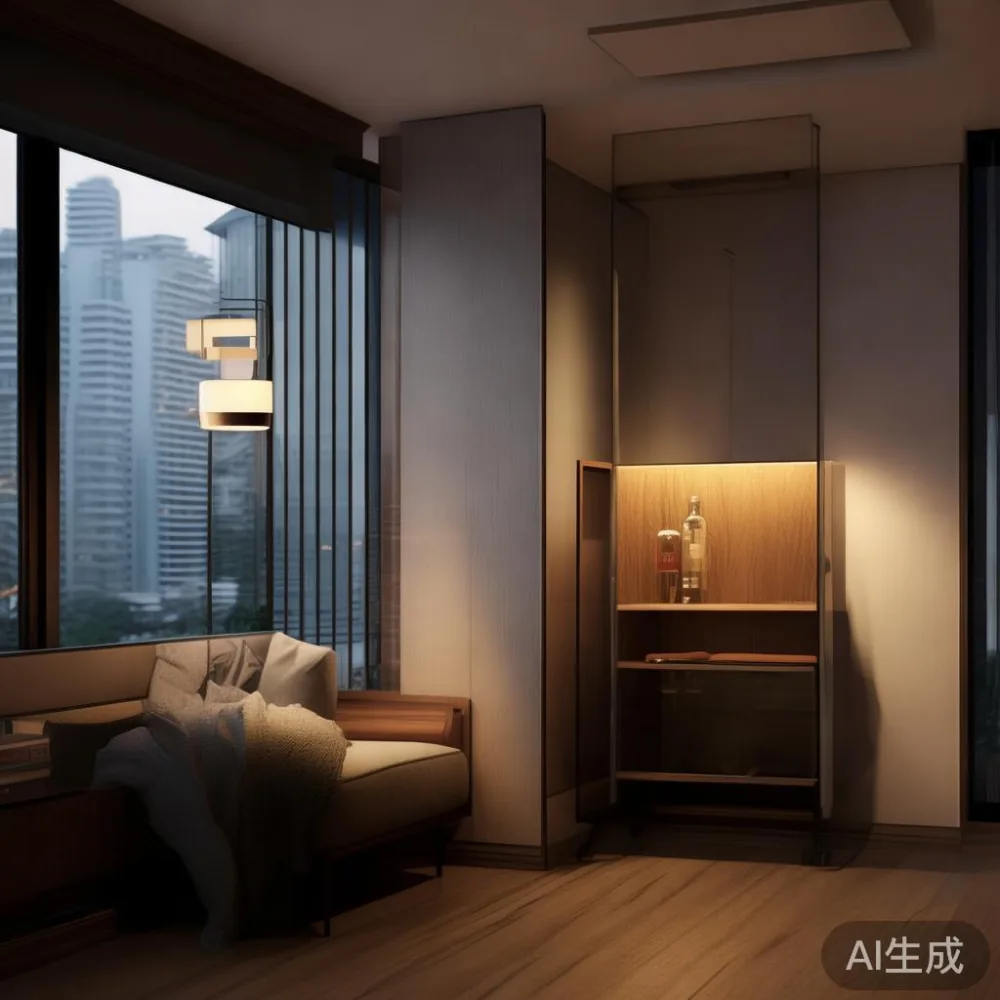
The lift doors opened on the 14th floor of a Tampines HDB block last month, and I watched two delivery men wrestle a 2.4-metre solid wood sofa through the doorway. They paused, tilted it, and still caught the corridor wall. The corridor outside that flat measures only 1.2 metres wide, and the lift interior comes in at roughly 1.4 m by 1.5 m. Almost every piece of furniture that arrives at a Singapore door has been negotiated through those numbers. I walked into a 65-square-metre three-room resale flat later that afternoon, and the owner told me she had spent S$11,400 on furniture over six months only to feel the home was smaller than before she started. That is the central problem I keep seeing in Bedok walk-ups, Punggol new launches, and BTOs across the north-east: a small apartment dressed in a way that makes the floor area disappear. This article is about how to pick pieces — including a bar cabinet that earns its footprint — so a 60 to 80 sqm home reads generous, layered, and quietly luxurious rather than crowded.
Why Singapore Flats Punish Oversized Furniture
Most Singapore HDB and condo layouts give you a living room between 14 and 22 square metres, with ceiling heights sitting at 2.4 to 2.8 metres once the false ceiling and air-conditioning trunking are accounted for. A 2.6-metre three-seater solid wood sofa can swallow a third of that living area and still leave you fighting for walking lanes. Add a 1.8-metre dining table, a six-door wardrobe, a king-size bed frame, and two nightstands, and the room starts behaving like a warehouse aisle. The fix is not buying less; it is buying pieces with smaller footprints and clearer proportions. A 1.95 m sofa on an 80 cm-deep frame, for instance, preserves the same three-seat capacity but reclaims around 0.6 sqm of floor — enough to open a clean walking line from the door to the balcony. Lift and corridor widths also push you toward slim, modular silhouettes. A bed frame under 2.1 m long, with a headboard no taller than 95 cm, handles a 1.4 m lift cabin more comfortably, and it does not visually crowd the wall it sits against. These are the measurements that quietly determine whether a room feels like a home or a storage unit.
What Does "Light Luxury" Actually Mean in a 65 sqm Flat?
Light luxury — French light luxury, American light luxury, or the post-modern light luxury styling that has taken over Jurong East showrooms — is not about gold trim or marble slabs stacked on every surface. It is about restraint, material honesty, and one or two pieces per room doing the heavy lifting. Think of a European light luxury TV console with fluted cabinet fronts in walnut veneer, paired with a 1.4-metre French provincial coffee table that carries a single marble table top and tapered legs. One textured surface, one curved silhouette, and the room already reads as designed without needing chandeliers or mirrored panels. The American light luxury version leans cooler, with bone-white upholstery, blackened brass feet, and wider plank floors. Both directions share the same instinct: every piece must justify its square metre. A luxury light luxury furniture budget in this style for a full three-room flat typically lands between S$7,500 and S$14,000 in Singapore — less than a single custom kitchen, and yet the visual return is much higher because each piece carries weight.
Is a Bar Cabinet Worth the Footprint in a Compact Home?
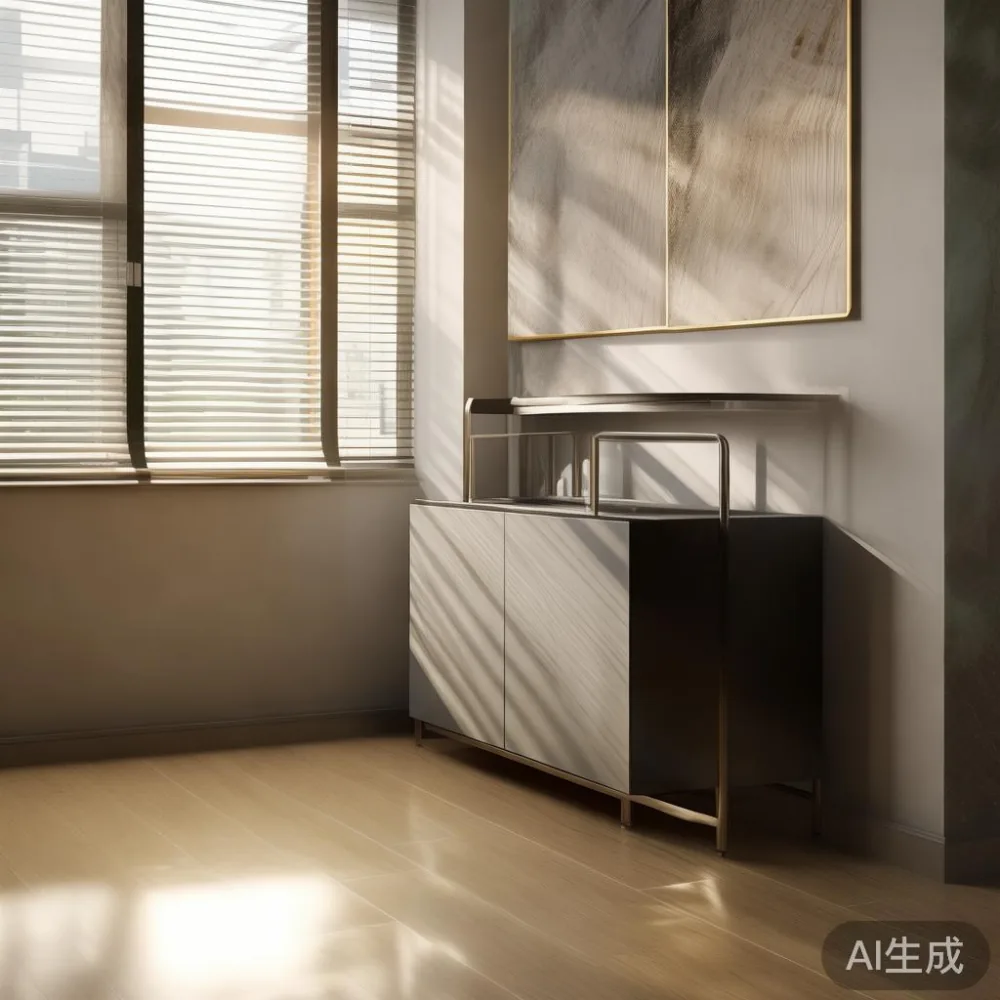
Yes, if you choose the right one. A bar cabinet in a Singapore apartment earns its keep when it pulls double duty as storage, display, and a room divider. The mistake I see in most Punggol four-room flats is a tall 1.8-metre cabinet placed flat against the dining wall — that simply shrinks the room and gives you one narrow function. A 120 cm-wide bar cabinet with open shelving on one side and closed cabinets on the other, set perpendicular to the wall, breaks up the living-dining sightline, holds 14 to 18 standard wine bottles in its lower rack, and exposes three or four pieces of glassware above. The piece becomes a focal wall instead of a blocker. Materials matter here. A solid rubberwood or white oak frame at 45 to 55 kg holds its weight without wobbling when doors swing open, and a marble table insert on the top — even a 60 by 40 cm slab — gives you a proper serving surface when friends drop by. If you would rather keep the room visually calm, choose a closed-front bar cabinet with ribbed glass panels, which hides the bottles but still suggests function. Either way, the bar cabinet becomes the room's quiet centre rather than a corner afterthought.
Picking a Bed Frame, Nightstand, and Wardrobe That Breathe
The bedroom is where crowding hurts most, because you sleep there and you dress there. A queen-size bed frame at 1.55 m by 2.05 m leaves about 55 cm of walking lane on each side when placed in a 2.7-metre wall — workable but tight. A super-king frame at 1.85 m by 2.15 m pushes that lane to roughly 45 cm, which is where most residents start bumping into the nightstand. The smarter move in a 12 to 14 sqm bedroom is a queen bed frame with a slim 6 to 8 cm-thick headboard, paired with two 40 cm-wide nightstands that have open lower shelves instead of chunky drawers. Storage shifts up rather than out. A 1.9-metre three-door wardrobe with floor-to-ceiling doors reads taller and slimmer than a 2.4-metre four-door unit, and it still swallows hanging space for two adults plus eight to ten folded stacks if you install a single internal drawer bank. For renters in older Bedok walk-ups, a 1.6 m-wide two-door wardrobe at 52 cm depth saves 0.18 sqm of floor against the standard 60 cm depth — small in numbers, large in how the room feels when you open the door. If you are torn between a French bed vs Mid-century modern bed, the French version — curved headboard, tapered legs, and a low profile — usually wins in compact Singapore rooms because the legs let light pass underneath and the curved top softens the wall. A MIDHILL bed in solid ash or walnut, at 1.55 m by 2.05 m, sits in the same envelope but carries the heavier joinery that older HDB floors tend to demand.
The Dining Table, Sofa, and Coffee Table Triangle
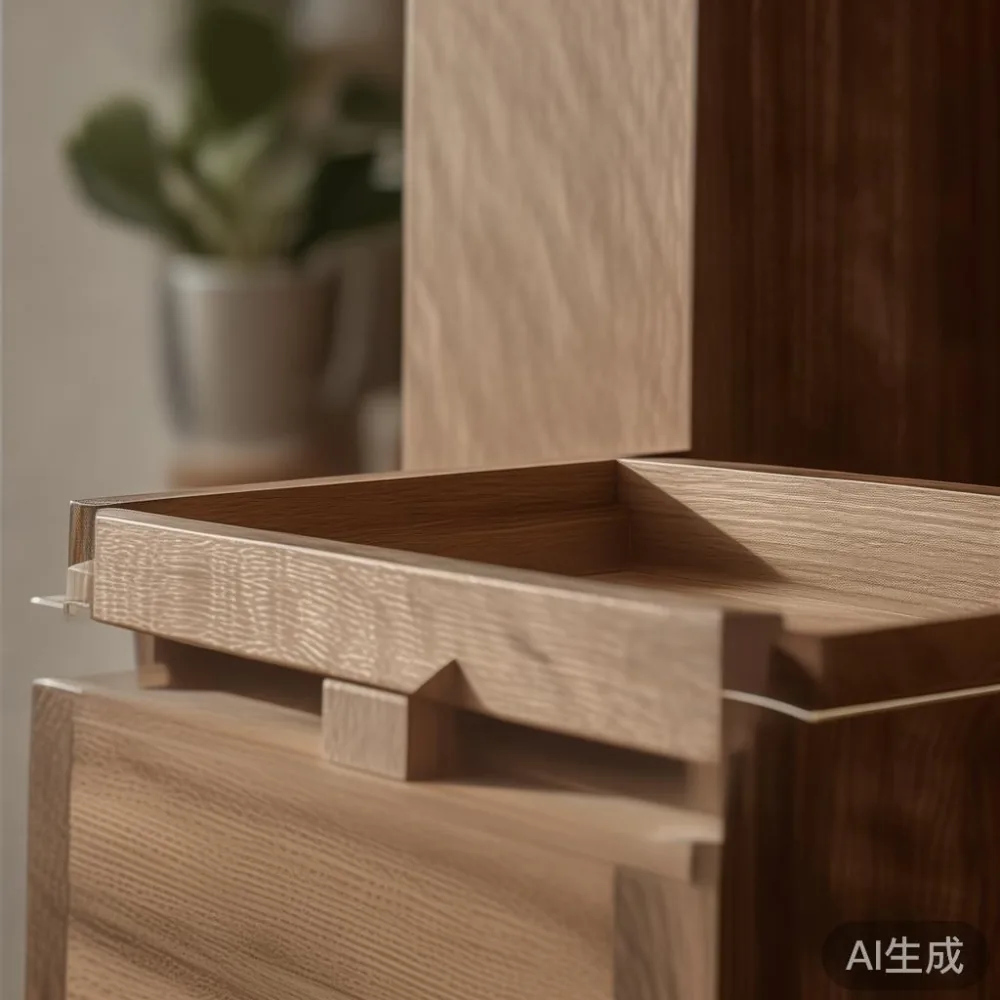
Three pieces, three jobs, three exact measurements. A 1.4 to 1.6-metre rectangular dining table seats four comfortably and leaves 70 to 80 cm of clearance to the nearest wall — enough for a chair to pull back without hitting a sideboard. A round 1.1-metre dining table seats the same four and removes the corner-bump problem entirely, which is why I often recommend it for narrow Punggol kitchens. The solid wood sofa should sit 90 to 100 cm deep, not 110 cm, because anything deeper shortens the room by half a metre and pushes the coffee table uncomfortably close. The coffee table itself should be roughly two-thirds the length of the sofa and 45 to 50 cm tall — the same height as the sofa seat so a laptop and a cup of kopi can sit side by side. A French provincial coffee table with a marble table top and a 110 by 60 cm footprint is a textbook fit under a 1.95 m sofa. If your budget is tighter, you will find cheap Modern light luxury furniture options in the S$600 to S$900 range from regional makers who use ash veneers over rubberwood — the look is 80 percent of the way to a S$2,400 piece, and the lighter weight (around 22 kg versus 48 kg) means you can move it when you rearrange. That matters more than people think in a home where the same room hosts a weekday dinner, a Sunday gathering, and the occasional WFH afternoon.
How Do You Style a Guest Room Without Wasting Square Metres?
A guest room in a Singapore apartment is often the smallest bedroom, sitting at 9 to 11 sqm, and it is usually the easiest room to ruin. The reflex is to push a 1.5-metre bed against the far wall, add a single nightstand, and call it done — but the room ends up feeling like a storage cell rather than a space someone wants to sleep in. Post-modern for guest room styling, with a slim 1.2 m single bed frame, a wall-mounted fold-down desk at 80 by 45 cm, and a narrow 60 cm-wide console instead of a full wardrobe, gives the room a real purpose. The fold-down desk disappears during a visit and reappears on Monday morning. The console stores spare linens in three deep drawers. Add one accent chair — not two — and a 90 cm round side table, and the room reads as a private suite rather than a spare corner. Lighting matters here as much as furniture. A wall-mounted swing-arm reading lamp at 1.6 m height replaces a floor lamp, freeing another 0.2 sqm of floor, and it casts the kind of warm, low glow that makes a small room feel generous after dark.
Delivery, Warranty, and the Singapore-Specific Logistics
Furniture shopping in Singapore runs into a handful of logistics most overseas guides ignore. Lift access between 09:00 and 17:00 in most condos is restricted to moving-in days; HDB corridor furniture deliveries must keep the 1.2 m fire-route clear at all times; GST at 9 percent applies to every import; and a single rejected delivery because the piece does not fit the lift can cost a S$120 redelivery fee. This is why a maker's structural warranty and return window matter as much as the design. A 10-year structural warranty on a solid wood sofa, a bed frame, a dining table, a wardrobe, or a nightstand, combined with a 14-day return window and free shipping over S$470, removes a layer of stress that pure aesthetics cannot. Refinishing services, ideally lifetime, also pay back over time — Singapore humidity swings between 60 and 90 percent across the year, and a solid wood surface will want a refresh around the seven-year mark. When a Foshan-based maker with a 10-year structural warranty and free refinishing handles the delivery, the lift logistics, the corridor wrangling, and the long-term upkeep are part of the package, not add-ons.
Putting the Room Together: A Worked Example
Take the 65 sqm Tampines flat from the opening. The owner returns the chunky 2.6 m sofa, the 1.8 m dining table, and the six-door wardrobe. In their place, she installs a 1.95 m solid wood sofa, a 1.4 m round dining table, and a 1.9 m three-door wardrobe. A 120 cm bar cabinet sits perpendicular to the dining wall, separating the two zones without closing them off. A French provincial coffee table with a marble table top fills the centre of the living room at 110 by 60 cm. A queen-size MIDHILL bed frame in walnut and two 40 cm nightstands replace the old king setup in the master bedroom. A 1.2 m single bed frame, a wall-mounted desk, and a 60 cm console go into the guest room. Total floor area recovered is roughly 4.6 sqm — enough to open a real walking line from the front door to the kitchen, which previously did not exist. The furniture cost sits around S$11,200, similar to what she had already spent, but the room now reads as a home rather than a showroom. That, more than any single product, is the point of styling a small Singapore apartment: the room should look like the person who lives there, not like the catalogue they shopped from.