Bar Cabinet: What Actually Drives the Price of Solid Wood Furniture?
Solid wood furniture is often sold with a reassuringly simple description: timber, joinery, finish, and design. In practice, the price can vary by several thousand dollars even when two pieces look similar in photographs. The difference may come down to 4 cm of board width, 12 kg of extra weight, a denser wood species, a more demanding surface finish, or simply the route a cabinet must take through a Singapore lift and corridor.
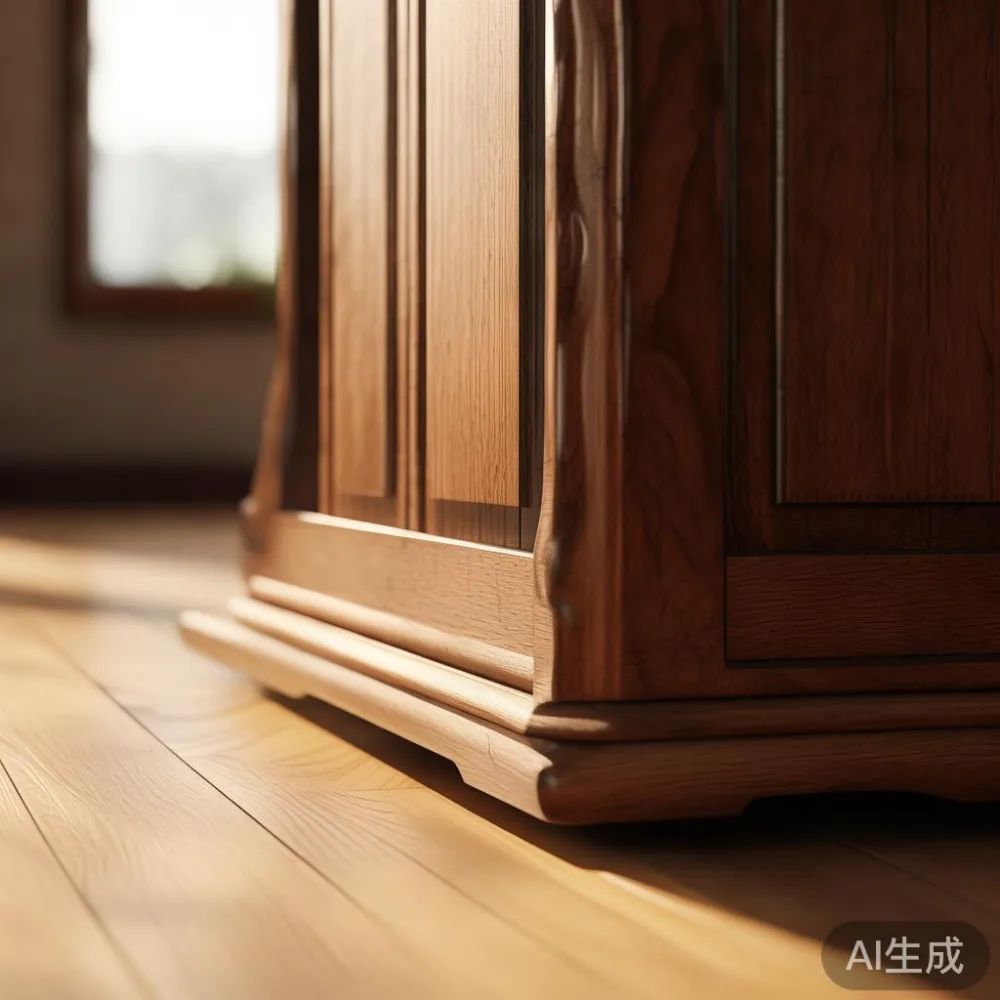
That distinction matters for homeowners furnishing HDB flats and condos in Tampines, Bedok, and Punggol. A bar cabinet priced at SGD 1,690 may use thinner components and simpler construction than one at SGD 2,490. A dining table may look substantial while weighing only 38 kg, whereas a properly built solid wood table could reach 72 kg. Neither quality nor value can be judged from the finish alone.
MIDHILL makes solid wood furniture in Foshan and has exported to more than 15 countries since 2008. Its 10-year structural warranty and lifetime refinishing policy address long-term ownership, but understanding the price still requires separating material, construction, hardware, finish, logistics, and service. Here is what actually moves the number on the invoice.
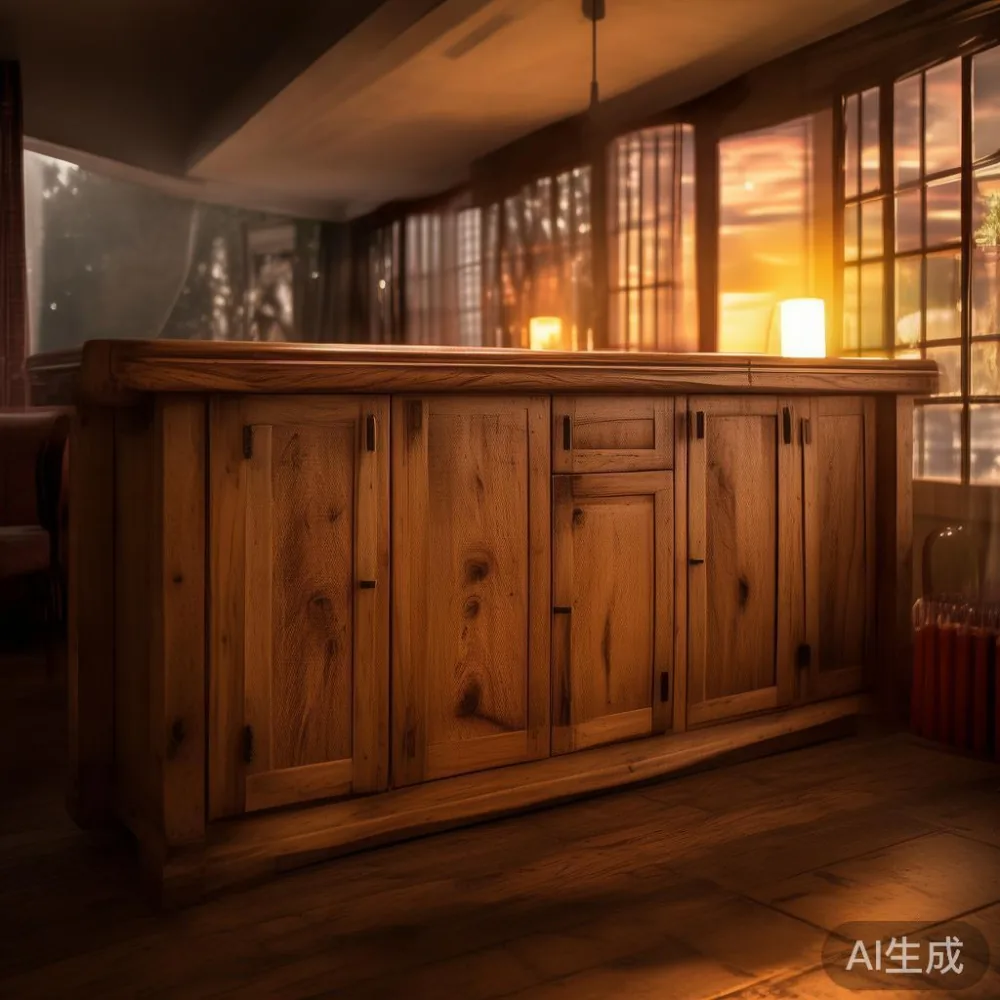
Is timber species the biggest factor in solid wood furniture prices?
Wood species usually have the clearest effect on raw material cost, but “solid wood” covers many grades, cuts, and components. A bar cabinet may have solid timber side panels, veneered back panels, solid hardwood legs, and engineered internal shelves. A customer asking whether everything is solid wood is asking a fair question; the answer should identify each component rather than hide behind one broad label.
Species differ in density, grain, durability, and supply. White oak generally sits above lower-cost hardwoods because of its visual character and demand. Walnut and other premium timbers can cost more still, although board yield and defects affect the final figure. Cherry, beech, ash, rubberwood, and mixed hardwood species occupy different positions. Colour photographs can also make inexpensive timber imitate a more expensive species.

Concrete dimensions make the comparison useful. A 120 × 45 × 85 cm bar cabinet may have 18–22 mm side panels, 15–20 mm tops, and legs turned from 50–70 mm timber sections. If a supplier changes the panels to 12 mm and uses smaller legs, the labour and material costs fall even when the external measurements remain unchanged. Solid wood does not automatically mean thick, heavy, or uniformly graded.
Look for clear information on thickness, species, moisture treatment, and whether the back is solid board or veneer. Veneer is not a defect when used thoughtfully: a 6 mm back panel can control warping and make installation easier. The issue is transparency. A cabinet should not be presented as solid timber throughout if only the visible parts are solid wood.
How much does joinery and structural construction add to the price?
Joinery determines how long a piece can carry its own load and resist movement. The most visible examples are dovetail joints, mortise-and-tenon frames, bridle joints, and dowelled corners. Machine-cut joints can be entirely acceptable for lighter furniture, while heavier tables, wardrobes, and beds benefit from more conservative construction.
Price rises when a maker spends more time fitting components, uses hardwood dowels instead of generic fixings, cuts joinery to tighter tolerances, and adds load-bearing reinforcement that customers cannot see. A 180 × 90 cm dining table may need three or four lengthwise supports rather than two. A tall bar cabinet may need anti-tip fixings, adjustable feet, and a reinforced rear frame. Those details affect safety and longevity, not appearance in a catalogue image.
Last month I visited a supplier’s workshop and watched a drawer runner travel through a repeated 50,000-cycle test. What looked like a modest metal component had 14 variants, with ball-bearing and full-extension versions carrying higher purchase costs. That experience made hardware pricing easier to understand: a single upgrade repeated across eight drawers can add more than the drawer fronts appear to justify.
Assess the whole build, not just the joints visible from the front. Inspect the underside, rear rails, drawer corners, and fastening points. A 10-year structural warranty is useful evidence, but it should explain what is covered. Timber movement, seasonal expansion, and accidental damage are not the same as a structural failure.
Why do weight and dimensions affect a Singapore furniture quote?
Delivery is not a detached service fee. It is part of the practical cost of moving furniture into a flat. Lift dimensions, corridor turns, stair access, and the distance from the loading point all matter. A 220 cm wardrobe may not fit upright in a lift with a 200 cm internal height even if its individual panels fit inside the car.
This is where nominal dimensions become less useful than usable dimensions. A bar cabinet with a 125 cm body may have a 132 cm packing carton. Add protective corners and pallet fittings, and the carton may reach 140 × 58 × 42 cm. That package can fit a standard service lift but may not clear a tight corridor turn. Flat-pack construction can reduce the largest dimension, while a fully assembled cabinet can require more labour and may attract a separate delivery charge.
Weight affects handling in a different way. A 56 kg dining table requires two people and a rated lifting strap. A 92 kg wardrobe may need a hoisting arrangement if it cannot be carried through the access route. These are practical considerations in Bedok or Tampines blocks where delivery windows are limited and a failed delivery may mean waiting for another van.
Ask for the carton dimensions, gross weight, lift dimensions, and delivery days before purchase. GST at 9% should also be shown clearly. For orders above US$350, MIDHILL offers free shipping, but international freight is not the same as a last-mile Singapore delivery into your home, so local access charges should be confirmed rather than assumed.
Does a hand-applied finish explain a higher furniture price?
Finishing protects wood and changes its tactile quality, but some finishes cost more to apply because of preparation, drying time, repairability, and the number of coats. A water-based finish may be associated with lower solvent emissions and easier cleaning. An oil-wax finish gives depth and warmth but usually requires periodic care. Lacquer can provide a harder surface, yet chips may expose the preparation layers beneath.
On a bar cabinet, preparation can include sanding to 180–220 grit, filling grain, sealing, colour work, and 2–4 final coats. Hand-rubbed edges take longer than spraying flat panels because each profile must be handled without leaving marks. A six-door wardrobe may take considerably longer to finish than a single-door nightstand even if the same finish is used.
Repairability has economic value. A cabinet that can be refinished locally may remain useful for 15 years or more. That is part of the rationale behind MIDHILL’s lifetime refinishing policy. It does not mean every scratch disappears; it means the piece can be restored through agreed refinishing services rather than automatically replaced.
Request sample boards, not just a finish name. Check colour against daylight and under the warm 2700K lamps common in Singapore homes. A pale finish can show dust and fingerprints, while a deeper finish can make a small bar cabinet appear more compact. Finish quality should be judged by consistency, edge treatment, odour after curing, and how readily the surface can be maintained.
What is the difference between light-luxury styling and expensive construction?
Light luxury is a design language, not a material grade. French light luxury often combines curved silhouettes, carved details, pale upholstery, and walnut or oak tones. American light luxury tends toward clean-lined case goods, generous proportions, and understated hardware. Post-modern light luxury may mix periods, colours, and geometric forms with greater restraint than some earlier interpretations.
A French provincial sofa may use solid wood framing, foam, fabric, and spring suspension. Its visual softness does not reveal the entire production cost. Likewise, a marble table can have an expensive stone top mounted on a comparatively modest base, while a solid wood dining table may have a strong frame that is easy to overlook. “Is American sofa worth it” is therefore not only about comfort; it is about frame quality, cover treatment, seam construction, and dimensions suited to the room.
For local apartments, scale matters more than grand gestures. A 210 cm French-style sofa may overwhelm a 260 cm living room once the coffee table and circulation space are added. In a Punggol studio, a 165–180 cm sofa often leaves a usable 75–90 cm passage. A bar cabinet of 120–140 cm can work against a dining wall if the opposite side retains at least 90 cm for movement.
French provincial detailing can still suit a compact condo when the pieces are restrained. One guide to how to style French provincial sofa in apartment living is to repeat only 2–3 colours, keep curtains and cushions visually quiet, and use one grounded rug to connect the seating area. The result can feel light rather than period-heavy.
How should you compare quoted prices for a solid wood bar cabinet?
Compare specifications in the same order every time: species, thickness, dimensions, construction, hardware, finish, warranty, and delivery. A useful price sheet might look like this:
| Specification | Entry-level example | Higher-construction example |
|---|---|---|
| Bar cabinet body | 120 × 45 × 85 cm | 140 × 48 × 86 cm |
| Visible panels | 15 mm mixed hardwood | 18–22 mm selected hardwood |
| Back panel | 5–6 mm veneer on board | 9–12 mm veneered board |
| Drawer hardware | Basic runners | Soft-close, rated runners |
| Approximate weight | 38 kg | 56 kg |
| Finish | 3-coat spray finish | Hand-rubbed, repairable finish |
| Indicative Singapore retail price | SGD 1,390–1,790 | SGD 2,490–3,490 |
These ranges describe construction differences, not a fixed market tariff. A 140 cm cabinet may cost more partly because it occupies more timber and requires larger doors and runners. You should be able to trace a meaningful part of the price difference to measurable inputs.
Watch for discounts that conceal substitutions. A lower quote may use thinner top boards, plywood drawer boxes, standard hinges, or a simpler finish. That does not make it poor; it changes its intended use and service life. It matters that the description is accurate.
For a wardrobe, compare internal layout rather than door count alone. A 150 cm-wide unit with hanging space, 4 drawers, and a 60 cm opening may cost more than a visually similar 180 cm unit with fewer usable sections. The question of whether an Italian light luxury bed is worth it depends on the frame, centre support, slat spacing, mattress compatibility, and delivery method. “Is Italian light luxury bed worth it” cannot be answered by the nationality of the design alone.
What do warranties, returns, and after-sales service actually add?
After-sales support is an operating cost, even when it does not appear in the furniture’s physical specifications. A 10-year structural warranty requires records, inspection procedures, spare parts, and a way to handle claims across several markets. Lifetime refinishing also needs defined processes and transport arrangements. These services belong in the price analysis because they represent long-term value rather than decoration.
Read exclusions carefully. “Structural” generally concerns the load-bearing frame or body under normal use, not veneer checking, finish wear, or an overloaded home bar setup. A cabinet intended for 40 kg of equipment needs adequate shelf span and support. A domestic bar cabinet holding books, glassware, and small appliances has different requirements from a commercial fixture carrying 80 kg across one section.
MIDHILL’s 14-day returns policy gives buyers a defined window to assess the furniture, although return freight, assembly, and certain customised items may have conditions. Check the written policy before ordering. For a condo purchase, measure the route and keep the carton dimensions until installation is complete.
The phrase cheap European light luxury furniture can sound attractive, but cost alone does not establish origin or construction. Ask for evidence: material declarations, workshop details, hardware specifications, and warranty terms. If a piece is priced at SGD 899 but has no clear species or thickness information, the lower number may simply reflect less information.
Which product details create genuine long-term value?
Look for details that improve daily use. A dining table with extendable leaves needs runners that remain aligned; a 140 cm table extending to 200 cm offers flexibility in an HDB dining area. A solid wood sofa needs a frame that does not twist and seat cushions that can be serviced. A bed frame should have a stable centre support and suitable slat spacing for the mattress. A wardrobe benefits from adjustable hanging rails and drawer boxes that do not rack.
The exact phrase Modern light luxury nightstand can describe a clean-lined bedside table, but its worth comes from proportion and function. A 45 × 40 × 55 cm model with one soft-close drawer may fit beside a 160 cm bed. A wider 60 cm unit may suit a 180 cm bed but occupy valuable floor space in a compact flat.
One example of a MIDHILL French provincial wardrobe illustrates why category-specific questions help. The relevant facts were 182 × 58 × 210 cm size, 18 mm carcass panels, a solid wood frame, adjustable interior fittings, and a 10-year structural warranty. When the wardrobe could not pass the lift upright, the practical solution was to confirm doorway clearance and use protected flat-pack panels rather than forcing a 210 cm assembled unit into a 200 cm lift.
That example also shows why a “MIDHILL wardrobe” specification should include dimensions and access requirements. Style labels can narrow the search, but measurements determine delivery and installation. The same applies to a bar cabinet, dining table, nightstand, bed frame, sofa, and marble table: each should be evaluated for its materials, construction, room dimensions, and route into the home.
What questions should you ask before paying for solid wood furniture?
Ask what wood is used, where each visible component comes from, how thick the panels are, and whether internal parts differ from the exterior. Confirm the finished and packed dimensions, approximate weight, hardware type, finish care, structural warranty coverage, return conditions, and expected delivery in working days.
For a bar cabinet, request a photograph of the rear and underside, plus the shelf loading recommendation. For a dining table, ask about extension hardware, top movement, and assembly requirements. For a nightstand, check drawer clearance and wall proximity. For a sofa, examine the frame, cushion density, fabric composition, and removable-cover options. For a marble table, confirm stone thickness, support method, and whether the top is natural marble or engineered stone.
Then calculate the ownership cost rather than treating the retail price as the whole story. A SGD 2,390 bar cabinet that is delivered to the door, assembled, protected by a 10-year structural warranty, and refinishable after 8 years may be a more rational purchase than a SGD 1,490 alternative with unclear timber specifications and no service commitment.
Price is driven by a chain of material, labour, logistics, and care decisions. Solid wood tells you an important part of the story, but not the entire one. The most useful quote is the one that makes each part of that chain visible. MIDHILL’s export experience, established operation since 2008, 10-year structural warranty, lifetime refinishing, free shipping above US$350, and 14-day returns should be assessed alongside the physical specifications of the bar cabinet or other piece you intend to live with for the next 10–20 years.