Veneer or Solid Wood? A 5-Year Cost Comparison for Singapore Bar Cabinets
Choosing a bar cabinet for an HDB flat or condo is rarely just a choice of appearance. It is a decision about daily use, Singapore humidity, lift access, repair work and the money still tied up in the cabinet five years from purchase. A veneered bar cabinet may cost less on day one, while a solid wood bar cabinet can remain useful longer if moisture, movement and finishes are managed properly. The useful comparison is not the showroom price alone; it is the five-year cost of ownership.
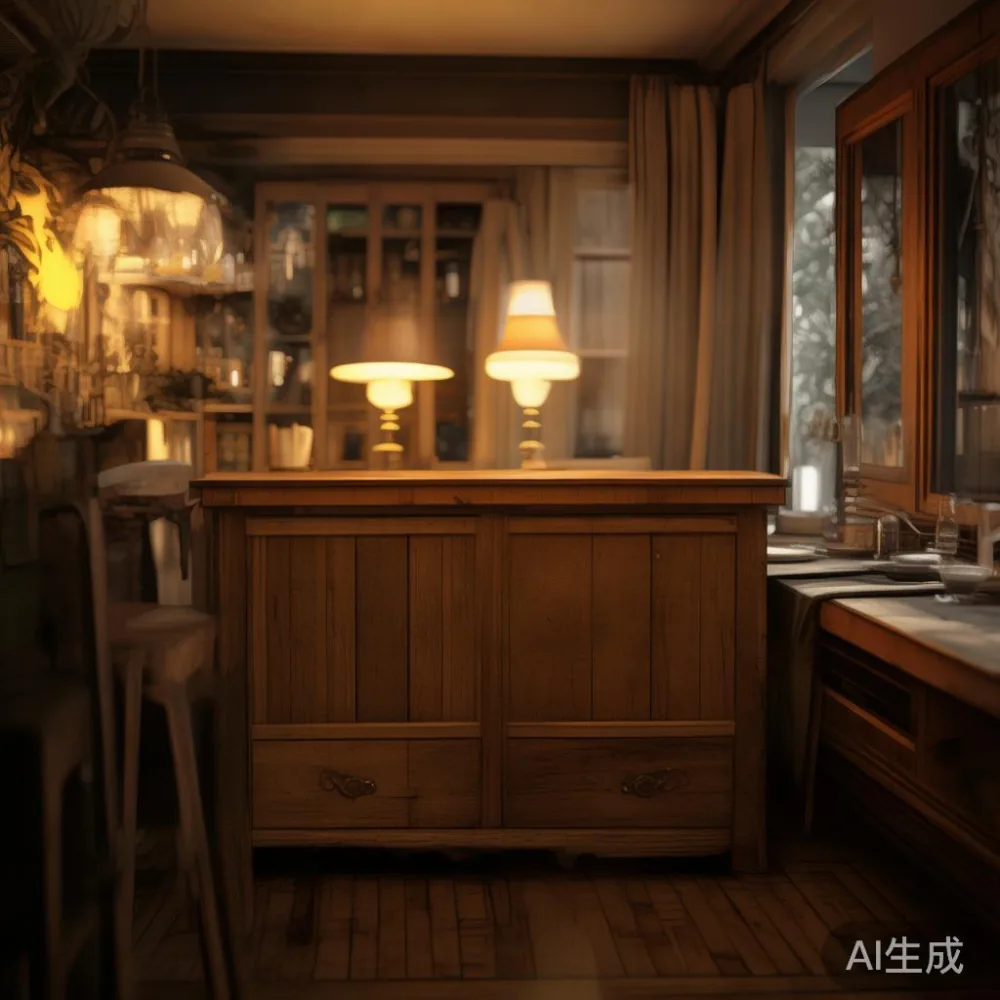
MIDHILL makes solid wood furniture for homes and hospitality projects, with a 10-year structural warranty and lifetime refinishing support. For this comparison, I examined realistic Singapore buying scenarios: a 120 cm bar cabinet for a Tampines HDB dining area, an 80 cm unit for a Bedok condo and a 150 cm cabinet for a Punggol family home. Prices below are indicative Singapore retail figures in SGD and include the commonly quoted 9% GST where stated.
How much does a solid wood bar cabinet cost compared with veneer?
<A practical 120 cm bar cabinet in solid hardwood commonly retails for SGD 1,880 to SGD 2,580 before GST, or SGD 2,049 to SGD 2,812 with GST. Comparable quality veneer construction is often SGD 980 to SGD 1,580 before GST, or SGD 1,068 to SGD 1,722 with GST. The saving is meaningful, but the two products should not be judged as identical objects: solid wood can usually be repaired, sanded and refinished, while veneer mainly protects a manufactured core.
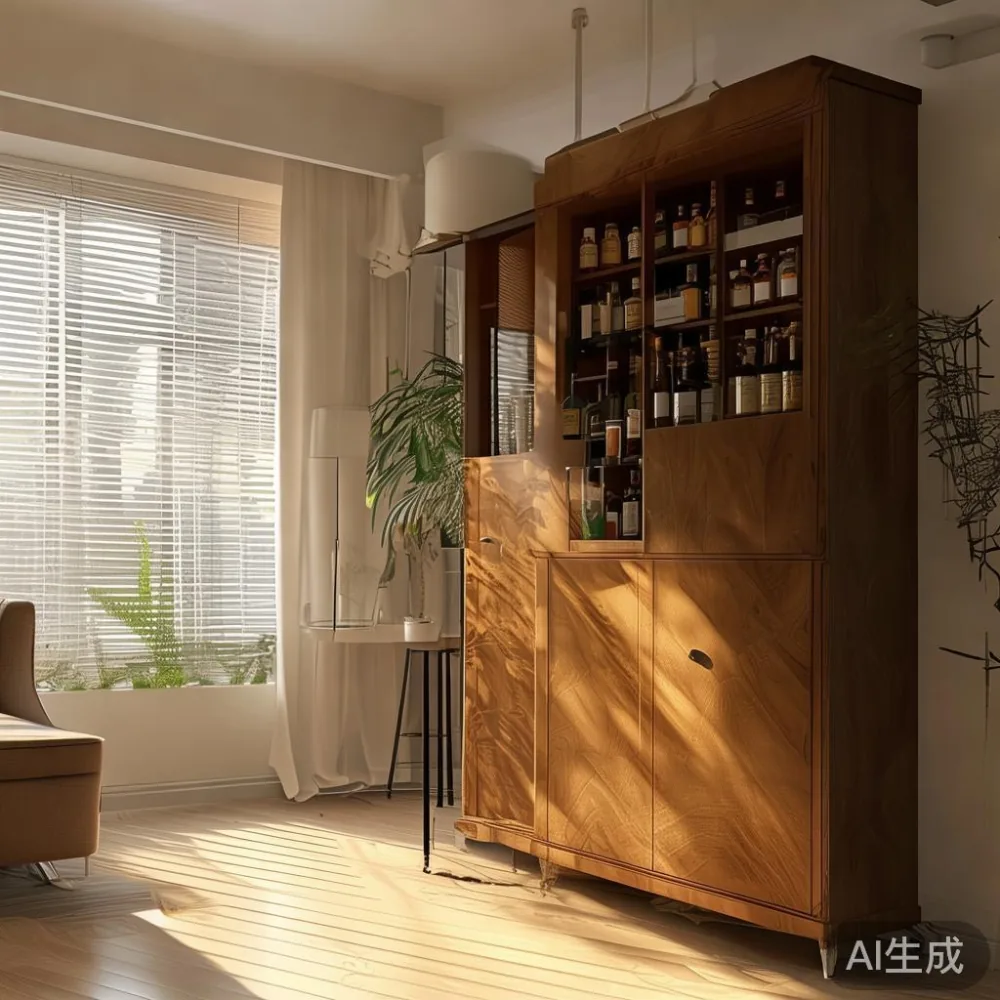
For a family buying a bar cabinet for a condo, a reasonable starting assumption is SGD 2,500 for solid wood and SGD 1,400 for veneer, both including GST. Over 5 years, the initial solid wood premium is SGD 1,100. If veneer needs replacement or major restoration near year 5, the lifetime figures can converge or cross over.
Dimensions affect the result. A narrow 80 cm cabinet may use about 35 kg of solid wood, while a 120 cm cabinet may weigh 62 kg and a 150 cm unit 84 kg. Veneer versions may weigh roughly 42 kg and 58 kg for the same sizes because of engineered cores. Solid wood also requires more careful handling through apartment corridors and lifts.
What should I check before ordering a bar cabinet for an HDB flat?
Measure the actual route before paying. A standard HDB lift door is often about 90 cm wide, although individual blocks vary, and a turnstile can be narrower. Remove the lift door if permitted, protect the corners, and check the narrowest corridor turn. A 120 cm cabinet may need a 122 cm diagonal check rather than a simple width check. If the carton is too long, the cabinet may arrive in two sections; that can be acceptable if the joinery is designed for assembly.
Allow 10 to 18 cm of clearance above a freestanding bar cabinet for wall rails, crockery or a television. For a dining-room cabinet, reserve about 60 cm of aisle space so two people can pass. The height should suit the room: 85 to 95 cm works with many dining chairs, while 100 to 110 cm creates a more pronounced drinks bar. Confirm whether the supplied bar stool tucks fully under the overhang.
Delivery commonly takes 7 to 14 working days for locally assembled Singapore projects, but hardwood and special finishes can take 21 to 35 days. Check whether delivery is curbside or room-of-choice, and whether lift or corridor surcharges apply. For a heavier timber cabinet, an SGD 80 to SGD 180 extra charge is possible, so it belongs in the five-year budget.
How does humidity change the five-year cost?
Singapore's outdoor relative humidity often ranges from about 70% to 90%, with air-conditioned interiors much lower. Solid wood expands and contracts as moisture changes. A cabinet might move 2 to 5 mm across its width over a year, so the maker should use suitable joinery, finished edges and ventilation rather than trapping the timber in an airtight box.
Veneer is less sensitive in one respect because its thin wood layer is bonded to a stable core. It can still suffer from edge lifting, bubbling or delamination if water repeatedly reaches the core. Solid wood does not “rot” simply because it is used in Singapore, but standing water, kitchen splash and unventilated drinks cabinets create avoidable risk. Use coasters, wipe spills within 10 minutes and keep the unit at least 30 cm from a wet washing area.
My colleague and I tested a 120 cm solid wood bar cabinet in a Bedok condo last month. We recorded its width at 119.6 cm after acclimatisation, then increased the room humidity from 55% to 75% over 48 hours. The expansion was about 2.4 mm. After returning to 55%, the width recovered within 1 mm. A matched veneer cabinet showed less dimensional change, but its exposed edge was more vulnerable after deliberate damp contact. That test did not reproduce 5 years of wear; it did show why finish quality and edge construction matter.
What maintenance and repair costs should I expect over 5 years?
For solid wood, budget around SGD 180 to SGD 400 over 5 years for routine care and one refinishing service, depending on exposure. An oil or hard-wax maintenance visit may cost SGD 120 to SGD 250, while a full sanding and refinishing job can cost SGD 280 to SGD 650. Scratches on a movable serving panel are easier to disguise than a saturated veneer edge, where moisture can enter the core.
For veneer, plan roughly SGD 90 to SGD 220 for polishing, patch products and minor hardware work over 5 years. A full veneer restoration may cost SGD 350 to SGD 900, especially if the cabinet must be removed, repaired in sections and returned to the site. If replacement becomes necessary, a similar unit might cost SGD 1,068 to SGD 1,722 including GST, before delivery and disposal.
Hardware is a meaningful line item. Hinges, drawer runners and door catches may need attention within 5 years. Budget SGD 40 to SGD 160 for solid wood and SGD 30 to SGD 120 for veneer, assuming similar mid-range components. Soft-close runners are worth paying for in a bar cabinet because they reduce impact and panel movement.
MIDHILL's lifetime refinishing service is a practical advantage for solid timber, although the customer should confirm the document scope for scratches, water marks, structural repairs and collection. A 10-year structural warranty covers a different category of risk from cosmetic wear. Keep photographs, the invoice and care instructions for all 5 years.
Can a lower-priced veneer bar cabinet be the more economical choice?
Yes, in a controlled interior with light use. If the cabinet is decorative, kept dry and unlikely to move, a well-built veneer bar cabinet for SGD 1,400 including GST can be financially sensible. Over 5 years, a modest maintenance budget of SGD 250 might bring the total to about SGD 1,650, excluding delivery. If a cabinet faces frequent parties, restaurant-style use, children or repeated moving, veneer repair uncertainty makes the initial saving less dependable.
A solid wood bar cabinet bought at SGD 2,500 including GST, with SGD 600 in maintenance, delivery and care, reaches about SGD 3,100 over 5 years. That is SGD 1,450 more than the controlled-use veneer scenario. However, if the veneer unit needs a SGD 1,500 replacement at year 4, its cumulative cost rises to around SGD 3,150, nearly the same as solid wood before resale value is considered.
This is why “pay more now” is not the complete test. Ask what happens if the cabinet is damaged in year 3: can it be refinished locally, will the original colour be matched, and will replacement parts remain available? A repairable product creates option value, not guaranteed resale profit.
How does light-luxury styling affect the choice?
Bar cabinets often anchor French light luxury, American light luxury or post-modern light luxury rooms. These styles do not require solid wood in every element, but the main cabinet usually carries more visual weight than a slim console. French light luxury tends toward warm oak, walnut tones, cream stone and curved metal; American light luxury favours darker timber, symmetrical panels and substantial proportions; post-modern light luxury mixes clean lines with tactile timber and one deliberate contrast.
A marble table can be an effective companion because the stone stays visually cool beside warm wood, but its weight needs consideration. A 120 cm marble table may weigh 65 to 95 kg, while a matching 120 cm solid wood dining table may weigh 48 to 62 kg. Both must be checked against lift access. The comparison “American sofa vs Italian light luxury sofa” matters less for the cabinet itself than the room's scale: a broad American sofa calls for a visually grounded cabinet, while a lighter Italian silhouette can sit above restrained timber panelling.
For coordinated projects, a solid wood dining table, solid wood bed frame and matching wardrobe can create continuity. If a buyer is researching how to style light luxury wardrobe in bedroom, the cabinet should not compete with a tall wardrobe. Keep finishes related rather than identical, and use 10 to 15 cm of visual breathing space between large pieces.
Search phrases such as for sale Vintage furniture or MIDHILL dining table review can help with finish references, but a sample in the home's own light is more useful than a catalogue image. Order a finish sample of at least 10 cm square, then view it near a window from 9 a.m. and again at night. Natural daylight can make walnut appear browner and pale oak more yellow.
Is European wardrobe worth it when choosing a bar cabinet?
The question “is European wardrobe worth it” is about proportion and hardware rather than a country label. European-style wardrobes often use deep cabinetry, integrated lighting and carefully aligned doors. A bar cabinet should echo that discipline with aligned gaps, consistent pulls and cable management. It need not use European timber to achieve the look.
For a compact Singapore bedroom, a 60 cm-wide bar cabinet might serve as a drinks and display unit beside a solid wood sofa or at the end of a dining zone. An 80 cm model offers more storage but should leave 75 cm of circulation space. A 120 cm or 150 cm unit works best where the dining area can spare 150 cm of wall width.
Check drawer travel: allow 45 to 55 cm behind a fully opened drawer. Adjustable shelves should sit on metal pins rather than shallow dowels. The back should be finished or at least covered, because warm humid air will be trapped against an unfinished panel.
What is the realistic 5-year total for each option?
Here is a 120 cm bar cabinet scenario in Singapore, including 9% GST but excluding a stair lift and difficult-site surcharge:
Solid wood scenario: SGD 2,500 purchase; SGD 150 delivery and installation; SGD 250 planned refinishing and care at year 3; SGD 120 hardware and consumables; SGD 80 contingency. The 5-year cash cost is about SGD 3,100, or SGD 620 per year. The cabinet remains repairable and can be refinished rather than replaced.
Veneer scenario: SGD 1,400 purchase; SGD 120 delivery and installation; SGD 120 polishing and care; SGD 80 hardware and consumables; SGD 450 repair contingency. The 5-year cash cost is about SGD 2,170, or SGD 434 per year. Without the repair contingency, the figure falls to SGD 1,720, but that assumes no edge lifting, swelling or panel replacement.
Solid wood therefore costs about SGD 930 more in this model. The owner gains a renewable surface, stronger repair prospects and less concern around the cabinet's long-term finish. Veneer offers the lower initial outlay and lighter handling, which can be appropriate for a dry condo interior.
The comparison changes with use. For a low-traffic HDB unit, a more cautious solid wood budget is SGD 2,049 to SGD 2,812 including GST. For a frequently used drinks cabinet in a Punggol or Tampines home, select hardwood with a sealed underside, replaceable hardware and clear care terms. The cost difference is better viewed as insurance against one repair or replacement event, not as a universal saving.
Which option should you choose for your Singapore home?
Choose veneer when the bar cabinet is mainly visual, the room is air-conditioned and consistently dry, and the purchase needs to stay near SGD 1,068 to SGD 1,722 including GST. Inspect edge bands, corner joints, drawer boxes and the back panel. Ask for exact core and veneer thickness; if the seller will not provide them, treat the lower price as a lower-specification product rather than a guaranteed saving.
Choose solid wood when the cabinet will be used weekly, moved during a renovation, touched often or expected to stay in the family for 8 to 12 years. Budget for delivery through tight corridors and select a finish that can be maintained. A nightstand or wardrobe in the same room should have compatible grain and colour, but a matching wall or marble table can create contrast without making the cabinet look dated.
Before ordering, take 3 photographs of the access route, record the lift door and corridor dimensions, and compare the delivered carton with those measurements. Confirm the finish, dimensions, weight, delivery window, return terms and warranty in writing. For projects priced above US$350, MIDHILL provides free shipping, although international freight should not be confused with a local Singapore lift surcharge.
After five years, a carefully used solid wood bar cabinet will not automatically outperform every veneer unit. It will, however, offer more ways to address a scratch, swollen joint or tired finish. That repairability is the central financial argument: solid wood converts future maintenance into renewed use, while a lower-cost veneer cabinet can remain competitive only if its core and edges stay protected.