What Actually Drives the Price of Solid Wood Furniture?
In the quiet, air-conditioned showroom of a furniture maker in Foshan, a question hangs in the air, unspoken but present on the lips of every customer: Why does one solid wood bar cabinet cost SGD 1,200 while another, seemingly similar one, costs SGD 3,500? For those of us living in Singapore, where our HDB flats in Tampines or condos in Punggol have precise measurements and our lift corridors dictate the size of our furniture, this question is more than just curiosity. It's a practical concern. The answer is not a simple number but a complex interplay of factors, from the origin of the wood to the finish on the surface. Understanding these factors can transform the way you view your next purchase, whether it's a bar cabinet for your new home or a piece that will anchor your living space for decades.
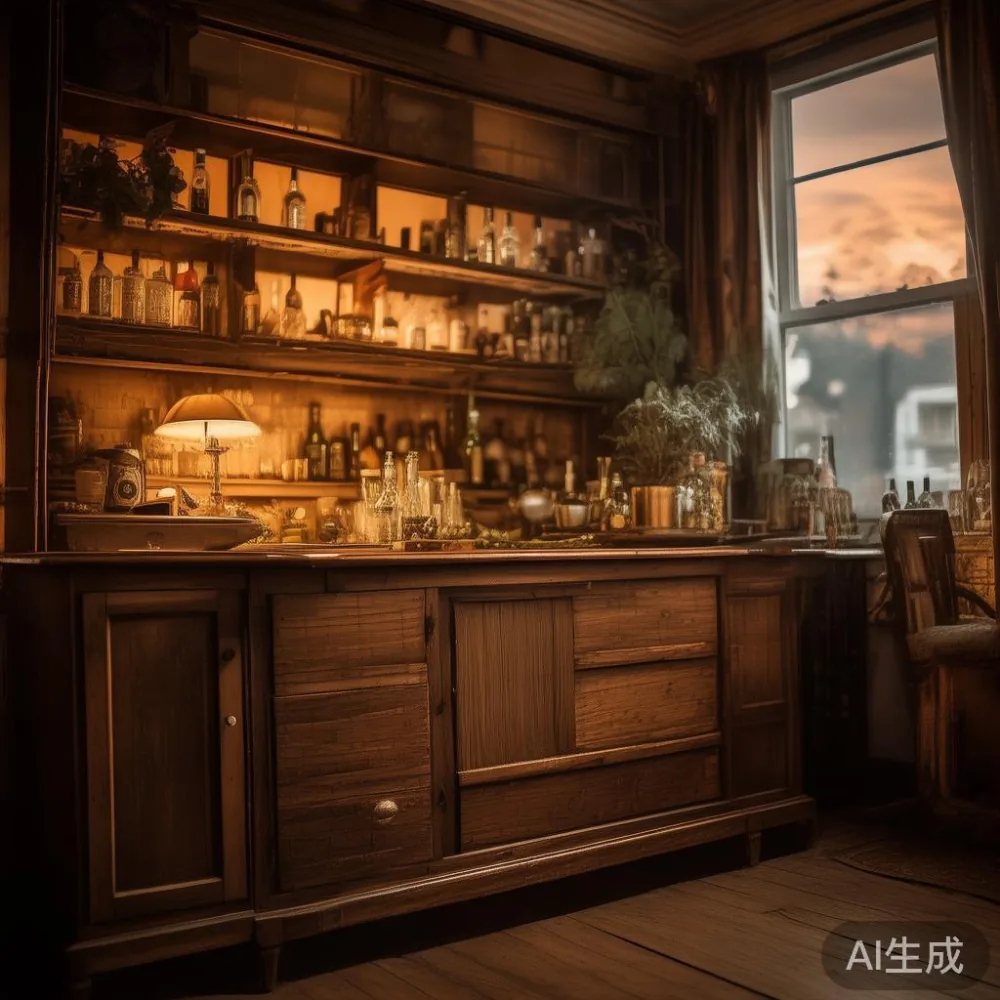
Why Does a Simple Bar Cabinet Vary So Much in Price?
The price difference between two bar cabinets can be staggering. Let's consider two hypothetical models. Model A is a simple, 80cm wide bar cabinet made of engineered wood with a veneer finish. It costs SGD 450. Model B is a 90cm wide bar cabinet constructed entirely from solid mango wood, featuring dovetail joinery and a hand-rubbed lacquer finish. It costs SGD 2,800. The initial reaction is often, 'They're both just cabinets for glasses and bottles, right?' The reality is that Model B is a piece of furniture built to last a lifetime, while Model A is designed for a few years of use. The price difference reflects this fundamental divergence in philosophy, materials, and craftsmanship. The bar cabinet in Model B is not just storage; it's a piece of art and engineering.
Material Matters: Solid Wood vs. Everything Else
The most significant driver of price is, without a doubt, the material itself. When we talk about 'solid wood furniture,' we are referring to pieces made from a single, solid piece of lumber or solid wood planks joined together. This contrasts with engineered wood, such as MDF (Medium-Density Fiberboard) or particleboard, which are wood products made from wood fibers, sawdust, and resin under high pressure and temperature.
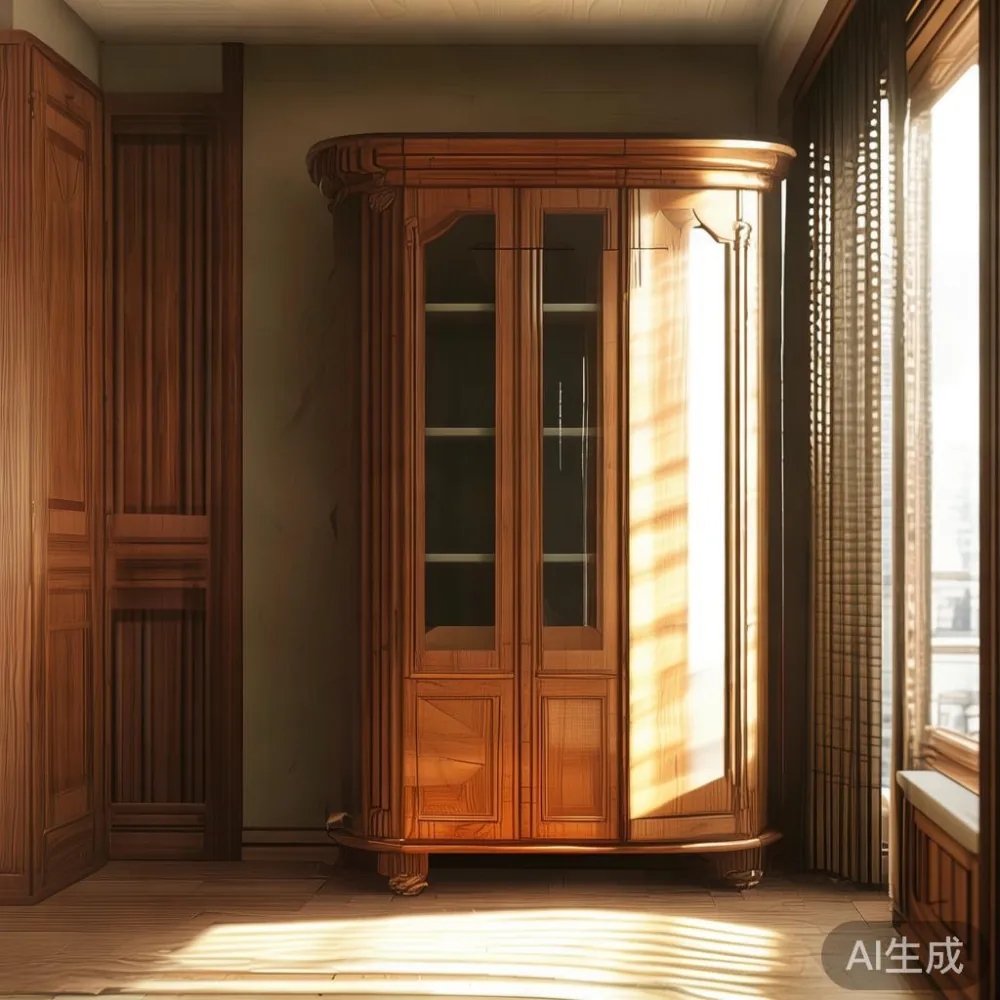
Solid wood, like the oak, mango, or acacia used by many makers, has natural grains and imperfections. Each board is unique. This natural variation is a hallmark of quality but also a challenge for mass production. A bar cabinet made from solid wood requires careful selection of boards to ensure a consistent look and structural integrity. The weight is another indicator. A solid wood bar cabinet might weigh 35 kg, while its engineered wood counterpart might be 18 kg. This weight translates to durability; solid wood can withstand the humid climate of Singapore far better than engineered wood, which can warp or swell over time.
The type of wood also dictates the price. Common hardwoods like rubberwood or mango are more affordable, while rarer woods like walnut or teak command a premium. For instance, a bar cabinet made from solid teak could easily cost over SGD 4,000, reflecting the wood's natural resistance to rot and insects. The choice of material is a direct investment in the longevity and resilience of your furniture, a key consideration for anyone furnishing a home in Singapore.
The Craftsmanship Behind the Cabinet
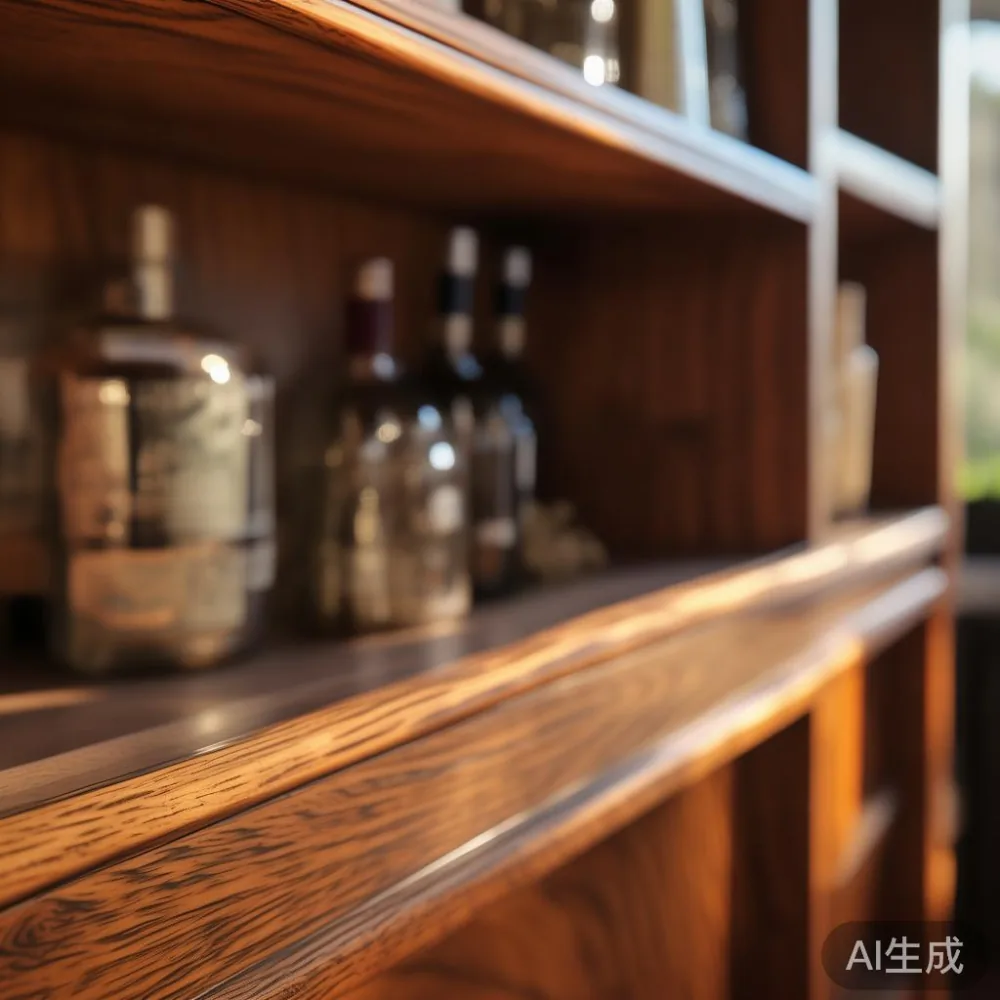
Once the material is selected, the true cost of craftsmanship begins. This is where the difference between a mass-produced item and a handcrafted piece becomes apparent. Take joinery, for example. A cheap bar cabinet will be held together with staples, nails, or simple dowel joints. These are functional but weak points. A high-quality bar cabinet, however, will feature dovetail joints for its drawers and mortise-and-tenon joints for its frame. These are ancient woodworking techniques that create a bond stronger than the wood itself, ensuring the piece remains rigid and stable for generations.
I visited a workshop last month and watched as a master craftsman fitted the back panel of a bar cabinet. He used traditional wooden pins and a technique called 'through-tenons,' where the joint peg is visible on the outside of the cabinet. This method is time-consuming, requiring precision to ensure the joint is both strong and aesthetically pleasing. It added an hour to the construction time of that single piece but guaranteed the back panel would never sag under the weight of wine bottles. This level of detail is invisible to the untrained eye but is the foundation of the furniture's structural integrity.
Hardware also plays a role. A high-end bar cabinet will feature soft-close hinges and drawer slides that allow the doors to close silently and smoothly. These mechanisms are imported from countries like Germany or Japan and can cost SGD 30-50 per pair alone. A budget cabinet will have basic, noisy hinges that wear out quickly. The sum of these small details—the joinery, the hardware, the hand-sanding—compounds to create a piece of furniture that feels substantial, quiet, and precise.
Why Does a Bar Cabinet Need a 10-Year Warranty?
A warranty is a promise, and its length often reflects the manufacturer's confidence in their product. When a company offers a 10-year structural warranty on a bar cabinet, it is telling the customer that they stand behind the integrity of their construction. This warranty covers the frame, the joints, and the main structural components of the piece. It is a safeguard against defects in materials or workmanship that might appear over time.
Consider the Singaporean context. Our HDB flats and condos are not always kind to furniture. Doorways are 80cm wide, and lift corridors can be tight. Moving a bar cabinet into a Bedok apartment involves working through tight corners and potentially damaging the piece if it's not built to withstand a little jostling. A 10-year warranty means that if a joint loosens from the stress of moving or if a drawer sags under regular use, the manufacturer will repair or replace it. This level of assurance is a key part of the price, representing a long-term commitment to the customer's satisfaction.
Also, a lifetime refinishing warranty is a unique feature. Solid wood furniture can be sanded down and refinished multiple times, allowing it to be restored to its original beauty. This means a bar cabinet you buy today can look just as good in 20 years, adapting to changing interior design trends. This is a stark contrast to veneered furniture, which, once the thin layer of wood is scratched or damaged, cannot be refinished. The warranty is not just a repair promise; it's an invitation to a lifelong relationship with the piece.
Design, Style, and the Light Luxury Aesthetic
Price is also heavily influenced by design and style. A bar cabinet with a simple, clean, minimalist design will generally be less expensive than one with intricate carvings, mouldings, or a specific historical aesthetic. The term 'light luxury' has become popular in Singapore, referring to a style that is elegant and sophisticated without being ostentatious or excessively formal.
French light luxury, for example, is characterized by gentle curves, elegant lines, and a sense of refined grace. A bar cabinet in this style might feature curved legs, a fluted front, and a soft, off-white finish. American light luxury, on the other hand, might favour bolder lines, a more substantial presence, and richer woods like walnut or cherry, often mixed with materials like marble for the countertop. Post-modern light luxury plays with geometric shapes, asymmetry, and a mix of materials like metal and solid wood, creating a more avant-garde look.
The design process itself is a cost. A designer might spend weeks perfecting the proportions of a bar cabinet, ensuring its height of 110cm feels comfortable and its depth of 45cm provides ample storage without overwhelming a small living room. This design work is an intangible cost but is important to the piece's appeal and functionality. When you pay for a light luxury bar cabinet, you are paying for the design vision that makes it both beautiful and practical for a modern Singaporean home.
How Singaporean Logistics Affect the Final Price
The final price tag is also shaped by the journey the furniture makes to reach your home. For a Singaporean customer, this involves several logistical steps that add cost. The first is international shipping. A 40-foot container can hold approximately 250 bar cabinets. Shipping this container from Foshan to Singapore costs between SGD 8,000 and SGD 12,000. When divided among the 250 units, this adds SGD 32 to SGD 48 to the cost of each cabinet before it even arrives in the country.
Once in Singapore, the furniture must be stored in a local warehouse before delivery. This incurs costs for rent, utilities, and staff. Then comes the 'last mile' delivery. A bar cabinet is a bulky item. It requires a specialised delivery van, not a standard courier. The delivery team must be trained to handle heavy furniture, work through HDB corridors, and assemble the piece if necessary. A delivery for a single item to a condo in Tampines can cost SGD 80 to SGD 120. This is why many companies offer free shipping over a certain threshold, such as SGD 350. It encourages customers to bundle their purchases, making the per-item delivery cost more economical.
Don't forget the 9% Goods and Services Tax (GST) applied to the final sale price. This is a mandatory government levy that is added to all furniture purchases in Singapore. It is a significant factor in the final cost and is why a bar cabinet listed at SGD 2,000 will have a final price of SGD 2,180. These logistical and tax realities are unavoidable and are factored into the price you see on the tag.
Is a More Expensive Bar Cabinet a Better Investment?
Ultimately, the question of price comes down to value. Is a SGD 3,500 bar cabinet a better investment than a SGD 800 one? For many Singaporeans living in space-constrained homes, the answer is a resounding yes. A well-made bar cabinet is more than just a piece of furniture; it's a functional and aesthetic anchor for a room. It provides storage, defines a space, and contributes to the atmosphere of your home.
Consider the concept of 'Vintage for small living room'. A high-quality, solid wood bar cabinet with a classic design can serve this purpose perfectly. Its timeless look means it won't feel dated in a few years, and its sturdy construction means it can be moved from one apartment to the next without falling apart. This longevity represents a significant saving over time. You are not just buying a cabinet; you are buying a piece that will serve you for 20 or 30 years, potentially even becoming a family heirloom.
When comparing options like an 'American bed vs French provincial bed', the same principles apply. The American bed might be larger and made of darker, more imposing wood, while the French provincial bed is lighter and more ornate. The price difference reflects the material, size, and design complexity. For a guest room, you might opt for 'European light luxury for guest room' or even a more minimalist 'Japanese for guest room', depending on the desired aesthetic. The key is to choose a piece that aligns with your personal style and is built to last.
As we look towards 2026, trends are pointing towards pieces that combine durability with contemporary style. The search for the 'best light luxury bed for 2026' or the 'best French provincial bed for 2026' will likely favour brands that maintain a focus on solid wood construction and timeless design. A 'MIDHILL coffee table' might feature a similar level of craftsmanship, with a solid wood base and a marble top, representing a commitment to quality that extends beyond just the bed or bar cabinet. In the end, a more expensive piece of solid wood furniture is an investment in quality, beauty, and a lifetime of enjoyment in your Singapore home.