The True Cost of Your Bar Cabinet: A 5-Year Veneer vs Solid Wood Analysis
In Singapore, where space is a premium and homes reflect personal style, the choice of furniture is a significant one. A bar cabinet, often a statement piece in a living area or dining room, is no exception. Homeowners in Tampines, Bedok, and Punggol face a common dilemma: veneer or solid wood? Both materials promise beauty, but their long-term value tells a different story. This article will break down the 5-year cost of ownership for a bar cabinet made from each material, using concrete figures and local context to help you make an informed decision for your HDB flat or condominium.
Understanding the Materials: Veneer and Solid Wood
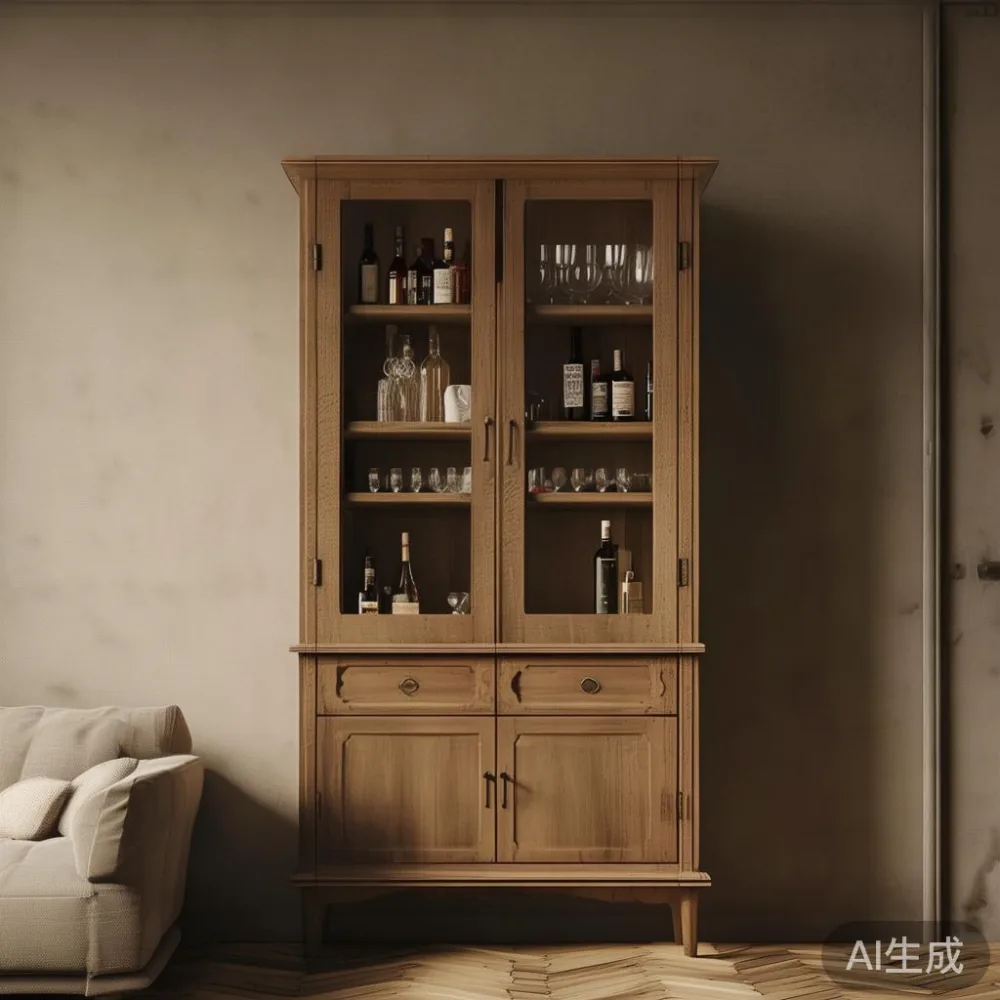
Before diving into numbers, it's important to understand what we're comparing. A veneer bar cabinet is constructed from a base material like MDF (Medium-Density Fibreboard) or particleboard, with a very thin layer of real wood bonded to the surface. The thickness of this wood layer is typically 0.6mm to 2mm. In contrast, a solid wood bar cabinet is crafted from a single piece of lumber, with the entire structure, from frame to doors, made from the same wood. Solid wood options like oak, walnut, or mango are common, and they are often sourced from regions known for quality craftsmanship, such as Foshan furniture makers who have honed their skills over decades.
The Initial Investment: A Price Point Comparison
The most immediate difference between veneer and solid wood bar cabinets is the price tag. For a standard-sized bar cabinet measuring 120cm wide, 40cm deep, and 80cm tall, the initial purchase price varies significantly. A veneer model from a local Singaporean retailer might cost around SGD 1,200. This price often includes basic assembly and delivery within the island. A comparable solid wood bar cabinet, however, starts at approximately SGD 2,800. This higher cost reflects the quality of the raw material, the labour-intensive construction process, and the durability of the piece. While the upfront cost of solid wood is more than double that of veneer, the long-term financial picture is less clear-cut.
How to Style a Bar Cabinet in a Singaporean Apartment?
Styling a bar cabinet is about more than just its material; it's about integration. In a Singapore HDB flat or condo, space is often tight. A bar cabinet needs to fit within the dimensions of your living area. For example, a 120cm-wide cabinet is suitable for most living rooms in Tampines or Bedok HDB flats, but you must measure the available space against walls and corridors, especially when considering delivery. The lift width in many older HDB blocks is approximately 110cm, so a 120cm-wide cabinet will not fit and must be carried up the stairs, potentially incurring additional delivery fees of SGD 50 to SGD 100. For those in newer condos like Punggol, with wider lifts and corridors, this is less of an issue. The style of the bar cabinet also matters. A post-modern light luxury bar cabinet with clean lines and minimalist hardware can blend smoothly into a Modern for small living room design, while a more ornate piece might clash. The key is to choose a cabinet that complements your existing furniture, whether it's a sleek solid wood sofa or a marble coffee table.
The 5-Year Cost of Ownership: Maintenance and Wear
This is where the real cost difference emerges. Let's track the expenses over five years. A veneer bar cabinet is susceptible to environmental changes. Singapore's high humidity, averaging 80%, causes the thin wood layer to expand and contract. Over time, this can lead to peeling at the edges, bubbling, or cracking. Repairing a small peeling spot might cost SGD 80 for a touch-up kit and your own time, but a professional repair for a larger area could cost SGD 200 or more. Also, if the cabinet's surface is damaged, it cannot be sanded and refinished like solid wood. After five years, a veneer cabinet showing significant wear might require complete replacement, adding another SGD 1,200 to the total cost. A solid wood bar cabinet, however, ages gracefully. It may develop a patina, a sign of character, and minor scratches can be sanded out. A professional refinishing service, which can restore the wood's original lustre, costs between SGD 300 and SGD 500 and is recommended every 5-7 years. This maintenance cost is an investment, not a repair, and extends the life of the bar cabinet by decades.

Replacement and Resale Value
After five years, the value proposition of each material becomes stark. A veneer bar cabinet, having endured humidity and potential wear, will have depreciated significantly. Its second-hand value is negligible, perhaps SGD 100 if you find a buyer for it as firewood. This means the total cost of ownership over five years is the initial SGD 1,200 plus any maintenance costs, say SGD 200, for a total of SGD 1,400, with zero return. A solid wood bar cabinet, however, holds its value remarkably well. After five years of proper care, it might still be worth 60-70% of its original price. If you purchased it for SGD 2,800, its resale value could be around SGD 1,700. When you factor in the refinishing cost of SGD 400, your net cost over five years is SGD 2,800 - SGD 1,700 + SGD 400 = SGD 1,500. While the net cost is similar, you own a high-quality piece that can be sold or passed down, whereas the veneer option is disposable.
Real Experience: A Colleague's Bar Cabinet Journey
Last month, I visited my colleague, Sarah, in her Bedok HDB flat. She bought a veneer bar cabinet five years ago for SGD 1,150. She was proud of her purchase at the time, as it fit her budget and looked great. However, she showed me the peeling corners on the cabinet doors, a result of the humidity. 'I've tried to fix it with glue, but it just peels again after a few months,' she said. 'Now, I'm looking for a new one because it looks so worn.' She estimated she spent SGD 150 on various repair kits over the years. Her total expenditure was SGD 1,300 for a piece of furniture that now needs to be thrown away. This personal experience highlights the hidden costs of choosing a less durable material for our local climate.
European Light Luxury Bar Cabinet vs. Veneer Alternatives
For those seeking a piece that offers both style and substance, the choice is often between a European light luxury bar cabinet and a standard veneer model. A European light luxury piece, such as one inspired by French provincial design, focuses on high-quality materials and elegant craftsmanship. While more expensive than a simple veneer cabinet, it shares the same long-term benefits as any solid wood construction. The value lies in the combination of aesthetics and durability. It’s not just about looks; it’s about creating a home environment that is both beautiful and built to last. The investment in a solid wood bar cabinet, whether it's a European light luxury style or a more rustic American light luxury design, pays off in the form of a piece that becomes a part of your home's history, rather than a disposable item.
Why Foshan Craftsmanship Matters for Your Bar Cabinet
The origin of your furniture can indicate its quality. Many high-end solid wood pieces, including those from Singapore, are crafted in Foshan, a city in China renowned for its furniture manufacturing industry since 2008. These workshops combine traditional woodworking techniques with modern production standards. A bar cabinet from a Foshan maker often comes with a 10-year structural warranty, a promise that the frame, joints, and construction will not fail. This warranty is a critical component of the long-term value, protecting your investment against defects. In contrast, a veneer bar cabinet might only have a 1-year warranty, often limited to surface defects, and does not cover issues arising from humidity-induced delamination. This peace of mind is an intangible but significant benefit of choosing a well-constructed, solid wood piece.
Considering GST and Delivery for Your Purchase
The final price of your bar cabinet in Singapore is influenced by two factors: the 9% Goods and Services Tax (GST) and delivery costs. For a SGD 2,800 solid wood bar cabinet, the GST is an additional SGD 252, bringing the total to SGD 3,052 before delivery. Many reputable sellers offer free shipping for orders over SGD 350, which is standard for a bar cabinet. Delivery typically takes 7 to 14 business days. However, as mentioned earlier, additional fees may apply if the item requires special handling due to building constraints. For a veneer cabinet at SGD 1,200, the GST is SGD 108, for a total of SGD 1,308. While the initial price is lower, the lack of a long-term warranty and the higher likelihood of replacement make the solid wood option a more financially sound choice over a five-year period.
Is a Solid Wood Bar Cabinet Really Worth the Extra Money?
When you look at the numbers side-by-side, the answer becomes clearer. Over five years, the total cost of a veneer bar cabinet is its initial price plus potential repairs, with no resale value. The total cost of a solid wood bar cabinet is its initial price plus maintenance, minus a significant resale value. While the net expenditure might be similar, you are left with a completely different outcome. With veneer, you have nothing to show for your money after five years, except a worn-out piece of furniture to discard. With solid wood, you have a beautiful, durable bar cabinet that you can continue to use, sell, or even pass on to your children. It's an investment in quality, sustainability, and personal style that a veneer simply cannot match.