What to Check Before You Buy a Sofa You Cannot Sit On
Most sofa reviews obsess over cushion density, fabric hand-feel, and whether the seat depth swallows your knees. None of that matters on the day the delivery team turns up at your Tampines HDB and the sofa refuses to enter the flat. I watched this exact thing happen last month on Level 12 of a 9-year-old block along Tampines Street 21: a brand-new 2.4-metre sectional, still strapped to its cardboard, blocking the service lift doorway while the courier muttered about a "re-delivery fee." The buyer had picked the sofa on colour and price. They had not picked it on geometry, lift size, corridor width, or stairwell turn radius. That is the problem this guide is built to solve.

A sofa you cannot sit on is the one that fails the moment it leaves the showroom floor. Before any talk of light luxury aesthetics, French provincial curves, or American mid-century lines, you have to clear four cold, practical gates: can it physically arrive, will it survive the corridor, can it get up the lift, and can you live with it once it is in the room? Once those are green, you can talk about style, wood frame, marble tables, and bar cabinets. Skip the cold ones, and you are shopping for something that will live in a warehouse, not in your flat.
What dimensions actually fit a Singapore HDB lift and corridor?
The numbers you must hold in your head are simple, and unforgiving. A typical HDB service lift in a newer block measures about 1.1 m wide x 1.4 m deep x 2.2 m tall (internal). Older blocks on the Bedok end can dip to 1.0 m x 1.3 m. Condo service lifts are usually more generous at around 1.2 m x 1.6 m, but the cargo lift is sometimes the only route after 7 pm. On the corridor side, HDB party walls and the fire-rated door to your unit set the real ceiling: door openings land around 0.9 m to 0.95 m clear, and the corridor turn into the unit is often 90 degrees with a 1.2 m arc.
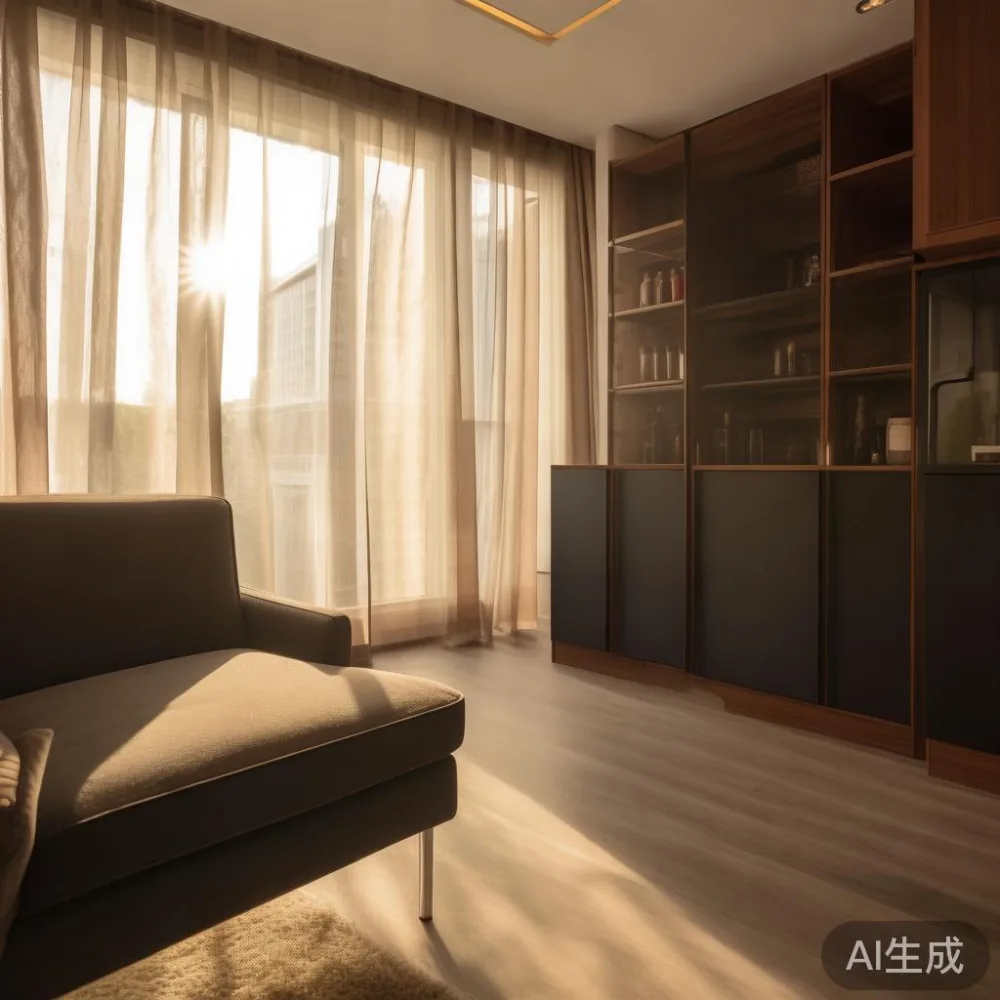
So a sofa longer than about 2.2 m or taller than 1.9 m starts to look risky. A solid wood sofa with carved cabriole legs and a tight French provincial back, the kind you would expect to find in a showroom listing for for sale French provincial furniture pieces, is often the worst offender: the back is high, the arms are wide, and the frame is heavy at 85 to 110 kg for a three-seater. If you are browsing a brand with a warehouse in Foshan, you will see three-seaters listed around 2.1 m to 2.35 m. Treat anything over 2.3 m as "ask first, pay later." If the listing shows the sofa in two boxes instead of one, that is usually a sign the maker already knows the geometry.
Do not forget the corridor inside the flat. Punggol BTOs have a generous foyer, but resale flats in Bedok often greet you with a 1.2 m hallway that turns hard left into the living room. Anything wider than 95 cm at its widest point will not pivot into the living room without being tilted onto its arm. That is why I now measure the sofa at three points: longest edge, deepest edge including arms, and tallest point including legs or back cushions. Tape measure. Five minutes. Worth every cent.
How does the sofa break down, and does that even matter?
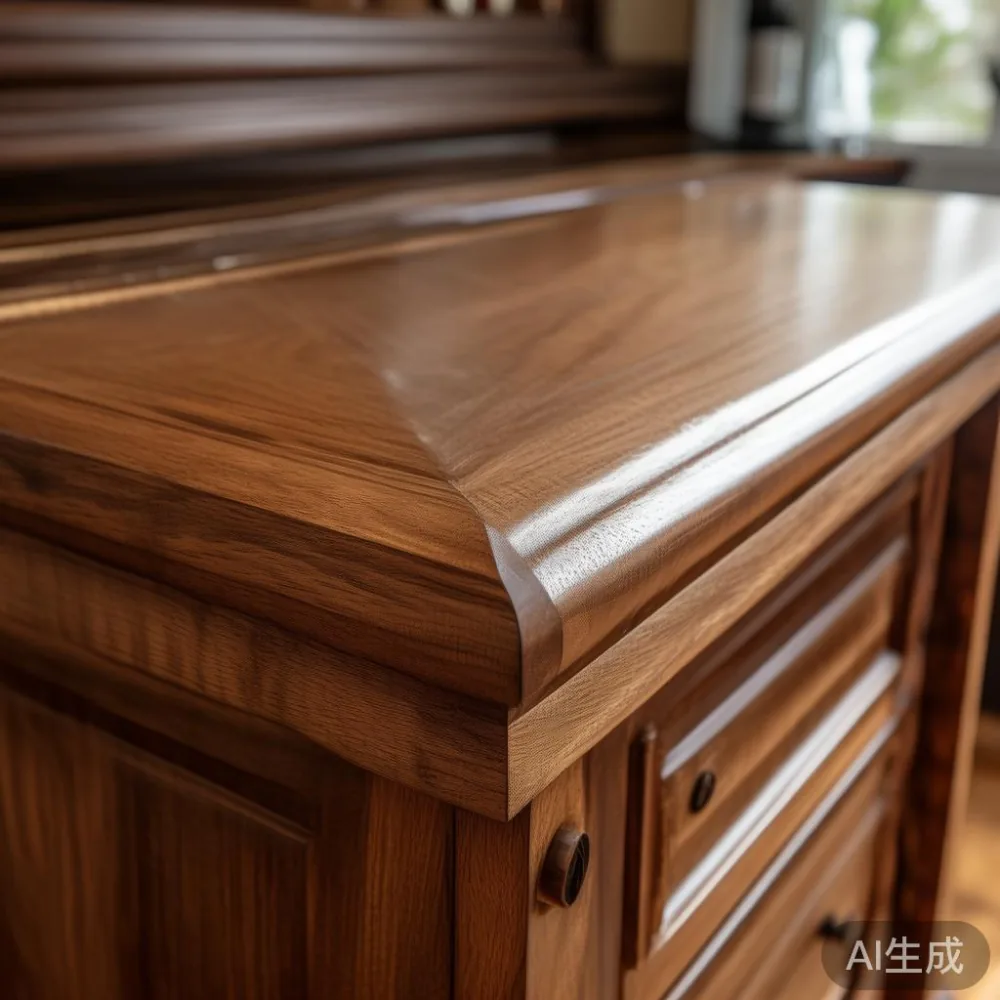
Modular matters more in Singapore than in almost any other market. A sofa that arrives in four pieces you can lift one by one beats a one-piece statement piece every time, unless you have a ground-floor maisonette. Legs that detach with eight-millimetre Allen keys, backs that unhook from the base, and armrests that come off without tools each cut 10 to 20 cm off the footprint during the carry. Ask for the exploded assembly drawing before you pay. If the seller cannot produce one, walk away.
Frame construction is the second gate. A solid wood sofa from a maker with an honest supply chain will use kiln-dried hardwood for the load-bearing rails. Sofa frames on the lower end of the market lean on plywood with a thin wood veneer wrap, which looks fine for the first eighteen months and then starts to creak around the third year. If you are comparing a light luxury sofa vs Mid-century modern sofa for your living room, the frame story is one of the cleanest differentiators: the Mid-century silhouette is built around low, exposed wooden frames and slim legs, which makes the load path easy to inspect. Light luxury silhouettes, especially the French provincial line, hide the frame under deeper upholstery, which makes load paths harder to judge from a showroom photo.
Suspension and cushion fill are the third gate. Eight-way hand-tied springs feel wonderful but add 8 to 12 kg to a three-seater and 4 to 6 cm to the seat height. Sinuous wire (S-spring) is lighter and cheaper. High-resilience foam at 32 to 38 kg/m³ density outlasts cheap foam at 22 to 26 kg by several years. Down-wrapped cushions sag within months in our humidity. If your unit faces west in Punggol and the sofa sits in the afternoon sun through the sliding doors, factor that humidity and heat into your fill choice before you fall for a photo.
Is the warranty real, and what does it actually cover?
This is the question more Singapore buyers should be asking out loud. A ten-year frame warranty is meaningful only if the maker is still around in ten years, the paperwork is honoured locally, and the language is plain. Read the exclusions. Most structural warranties cover frame breakage and spring failure. Few cover leather peeling, fabric pilling, foam softening, or finish fading. None cover humidity damage in a non-aircon unit, and Singapore averages 78 to 82 percent relative humidity year-round.
Ask specifically about loose-joint repairs, dowel replacement, and re-tightening of corner blocks. Ask whether the warranty travels with the product or with the original buyer. Ask whether there is a local service partner or whether the sofa must be crated and shipped back to the country of origin, which can cost more than the sofa itself in shipping and GST. GST on a replacement import can hit 9 percent on the declared value plus shipping, and the courier will charge a re-export fee even if the unit never left Jurong. Build that into your decision before you sign.
A brand that has been operating since 2008 and ships to more than fifteen countries usually has paperwork that survives this kind of scrutiny. MIDHILL, for example, publishes a ten-year structural warranty on its solid wood range, and I have a colleague whose three-seater from them was refinished at no labour charge after a moving scratch. That is the level of clarity you want before you commit four figures of SGD to a single piece.
What about delivery, returns, and the fine print on the invoice?
Free shipping above a threshold is a useful filter, but only if the threshold sits below your budget and the destination list includes Singapore. Some makers offer free shipping only to mainland China ports and treat the rest of the world as freight-on-sea at cost. Always check the Incoterm. FOB means you own the risk the second it is on the vessel in Yantian. CIF means the maker carries the risk until your local port. DDP, with all duties and GST prepaid, is the cleanest for buyers who do not want to learn what a customs broker does at 11 pm on a Saturday.
Returns are the second filter. A fourteen-day return window is standard for in-stock showroom pieces, but made-to-order pieces — which is most of what you will see if you are browsing for sale French provincial furniture listings — usually carry a 30 to 50 percent restocking fee, or no return at all. Photography returns are common: the colour of the fabric on screen is rarely the colour that lands at your door. Ask for a swatch, not a photo. The swatch costs SGD 8 to SGD 25 to ship and saves you a SGD 2,400 mistake.
Delivery day matters too. Standard delivery windows in Singapore for imported furniture sit at 30 to 60 days from order, longer for made-to-order. Off-season, that can drop to 25 days. Peak season, between Chinese New Year and the March school holidays, it can stretch to 75 days. Plan around your renovation hand-over date, not around your wish. If you are moving into a Punggol BTO with keys in hand on a specific date, you cannot afford a 75-day delivery tail.
How do you decide between a French sofa vs Mid-century modern sofa for a Singapore living room?
This is the question that will dominate your showroom visit, so let me give you a way to think about it. A French provincial sofa tends to be high-backed, deep-seated, and upholstered in linen or velvet, often in muted creams, sage, or dusky blue. The wood frame is exposed on the arms and legs, usually in walnut or beech. It wants a formal living room, drapes, and a marble table at the centre. A Mid-century modern sofa is the opposite: low back, shallow seat, exposed wooden legs, often in teak or walnut, with a tight geometric silhouette in leather or boucle. It wants an open plan, a low-profile coffee table, and a turntable nearby.
In an HDB with a 2.6 m x 3.0 m living room, the French provincial three-seater fills it edge to edge and reads as formal. In the same room, a Mid-century three-seater reads as airy. If you want a third option, an American light luxury sofa tends to be slightly oversized in scale with a cleaner silhouette, which suits newer condos in Punggol and Sengkang where ceiling heights reach 3.0 m and the rooms are wider. If you are weighing a light luxury sofa vs Mid-century modern sofa for the same footprint, the lighter luxury line usually wins on presence, and the Mid-century line wins on air. Neither is wrong. Pick the one that matches the rest of your furniture line, not just the sofa photo.
Do not buy the sofa in isolation. The sofa will live next to a coffee table, a media unit, a sideboard or a bar cabinet, and probably a dining table in open plan. The whole room has to read as one collection, or the sofa will look like an expensive mistake. If you are sourcing a full collection, it pays to keep the maker consistent. Browsing where to buy sofa from MIDHILL listings, for instance, gives you access to matching solid wood bed frames, dining tables, wardrobes, nightstands, marble tables, and bar cabinets from one supply chain, which keeps the wood tone consistent and the warranty language consistent.
What about the rest of the room — the bar cabinet, the coffee table, the bed?
Treat the sofa as the anchor, not the only purchase. A Singapore living room in 2026 typically pairs the sofa with a bar cabinet at the dining edge for entertaining, a coffee table within 40 cm of the sofa front, and a sideboard or media unit along the opposite wall. If you are sourcing a bar cabinet from the same maker, you will save weeks of lead time by ordering the cabinet and the sofa together. Same freight, same delivery window, one invoice, one GST line. Bar cabinets between 1.2 m and 1.5 m wide are the most common width because they fit a standard HDB dining wall without blocking the air-con trunking.
The coffee table decision is its own short conversation. A marble table looks wonderful under a French provincial sofa but adds 35 to 60 kg to the room, which matters if you are on a higher floor in a condo with strict floor-loading rules. Solid wood at 18 to 25 kg is friendlier. If you are asking where to buy coffee table from MIDHILL, the answer is the same warehouse and the same freight as the sofa, which is usually the cheapest way to ship a heavy piece.
The bedroom is a different beat. If you are also planning a bed, this is the moment to think about how to style Japanese bed in bedroom with the rest of the furniture. A Japanese-style platform bed with a low profile reads beautifully next to a slim solid wood bed frame in walnut, a nightstand at 45 cm height, and a low dresser. If the bedroom opens onto the same living room, keep the wood tone continuous: a French provincial bed in the bedroom will fight a Mid-century living room. Pick the bedroom story with the same line vocabulary as the living room, or pick a clean break, like a French living room and a Japanese bedroom, and let the corridor door be the visual seam.
What should you walk into the showroom knowing?
Three things. First, your lift dimensions and corridor turns, written on a card in your wallet. Second, the sofa dimensions at longest, deepest, and tallest points, plus the weight, plus the box count, plus the assembly drawing. Third, the warranty exclusions written in your own words on the back of the invoice, plus the delivery Incoterm, plus the GST treatment, plus the return window.
If you cannot answer all three out loud before you swipe your card, the sofa is not ready. A sofa you cannot sit on is the sofa that never made it through the service lift door. The sofa you can sit on, ten years from now, with no creak and no peel, is the one you bought with a tape measure, a list of exclusions, and a clear understanding of how it leaves the warehouse. That is the sofa worth your SGD.
If you have a question about a specific model, send the dimensions and a corridor sketch to midhillco@gmail.com and the team will tell you, in writing, whether the piece clears the lift at your block. That kind of pre-flight check is the difference between a sofa that lives in your living room and one that lives in a warehouse in Jurong for the rest of its working life.