The True Cost of Solid Wood Furniture in Singapore
Solid wood furniture is often discussed as if the tree species were the only thing that sets the price. In practice, a bar cabinet can cost several times more than a similar-looking piece because its timber grade, joinery, hardware, finish, dimensions, and route to your Singapore home all affect the final invoice. The same applies to a solid wood sofa with a timber frame, a bed frame, dining table, wardrobe, nightstand, or marble table.
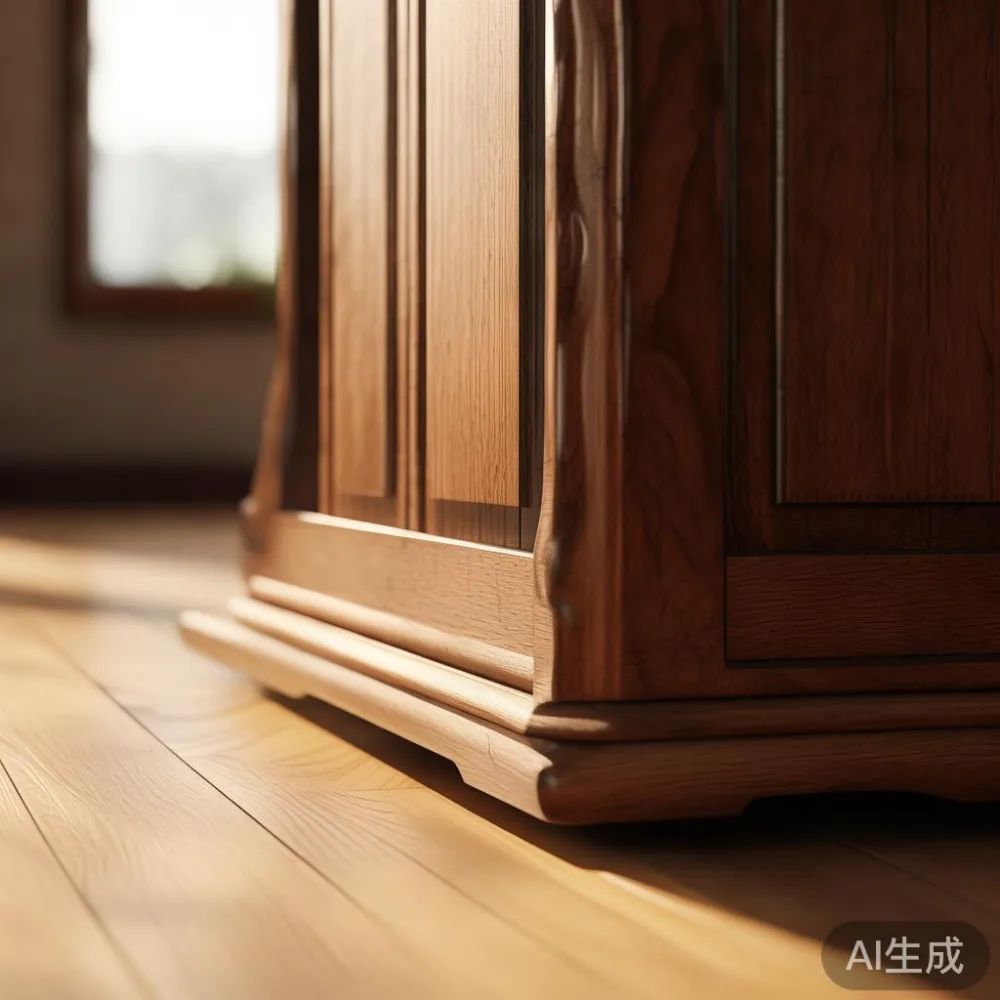
For homeowners in Tampines, Bedok, and Punggol, delivery logistics matter just as much as factory specifications. A 180 cm bar cabinet may fit through a 91 cm doorway diagonally, but a 210 cm wardrobe may not clear a tight HDB corridor turn. Lift dimensions, turning circles, and the distance from the loading area should be checked before a large order leaves the workshop.
MIDHILL has manufactured solid wood furniture since 2008 and exports to more than 15 countries. Its products are positioned around French light luxury, American light luxury, and post-modern light luxury rather than disposable décor. A 10-year structural warranty, lifetime refinishing service, free shipping above US$350, and 14-day returns also influence the purchase decision, although warranty length is not the same thing as a higher production cost.
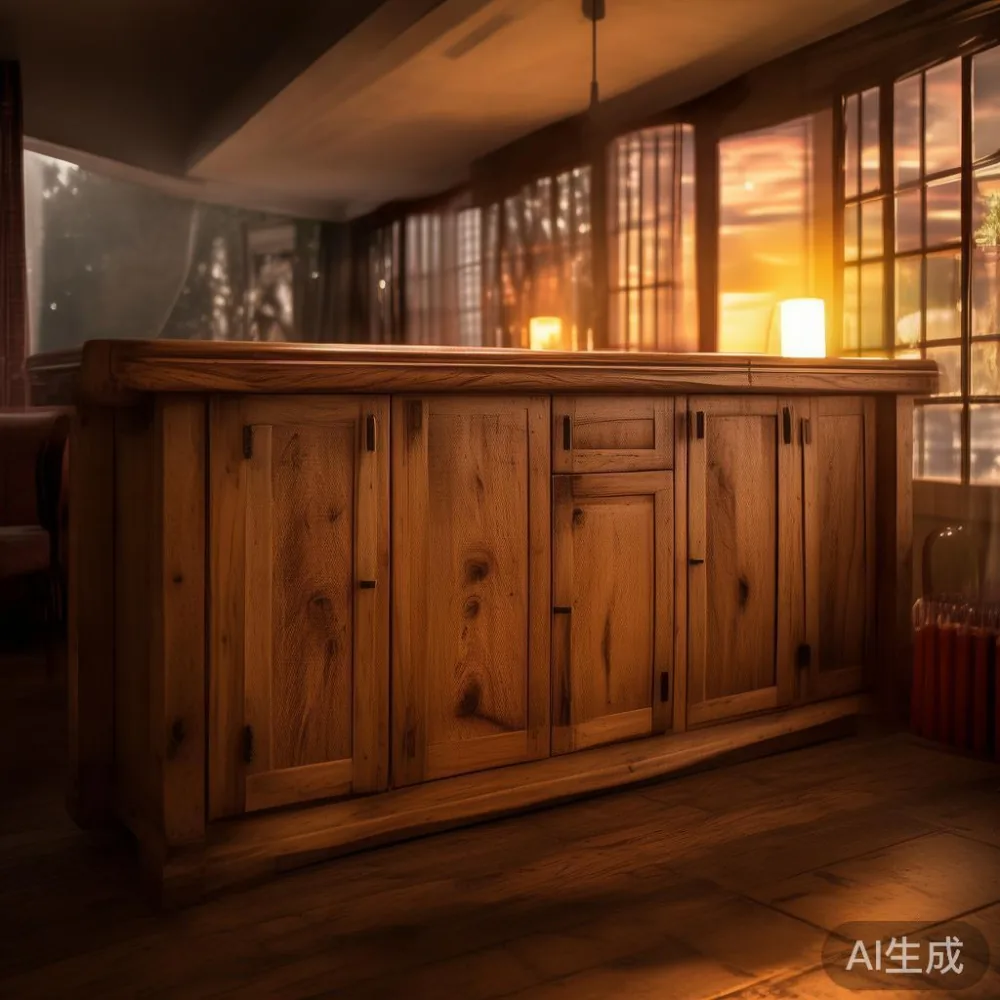
Is timber species the main reason solid wood furniture has different prices?
Timber species is a major factor, but it is only one part of the cost structure. Solid wood furniture can use hardwood, softwood, mixed hardwoods, or selected veneers depending on the product and construction method. A cabinet made from kiln-dried oak, walnut, ash, or teak may carry a different raw-material cost from one using rubberwood, pine, or a lower-grade hardwood. The difference is not simply about appearance; it also reflects moisture control, grain selection, availability, waste, and machining requirements.
For example, a 150 cm bar cabinet using premium hardwood might retail around SGD 2,400 in Singapore, while a visually similar unit made from a less expensive timber could be around SGD 1,600. That gap of SGD 800 may be caused by timber, but it can also include thicker panels, better hardware, a more demanding finish, and extra quality checks.
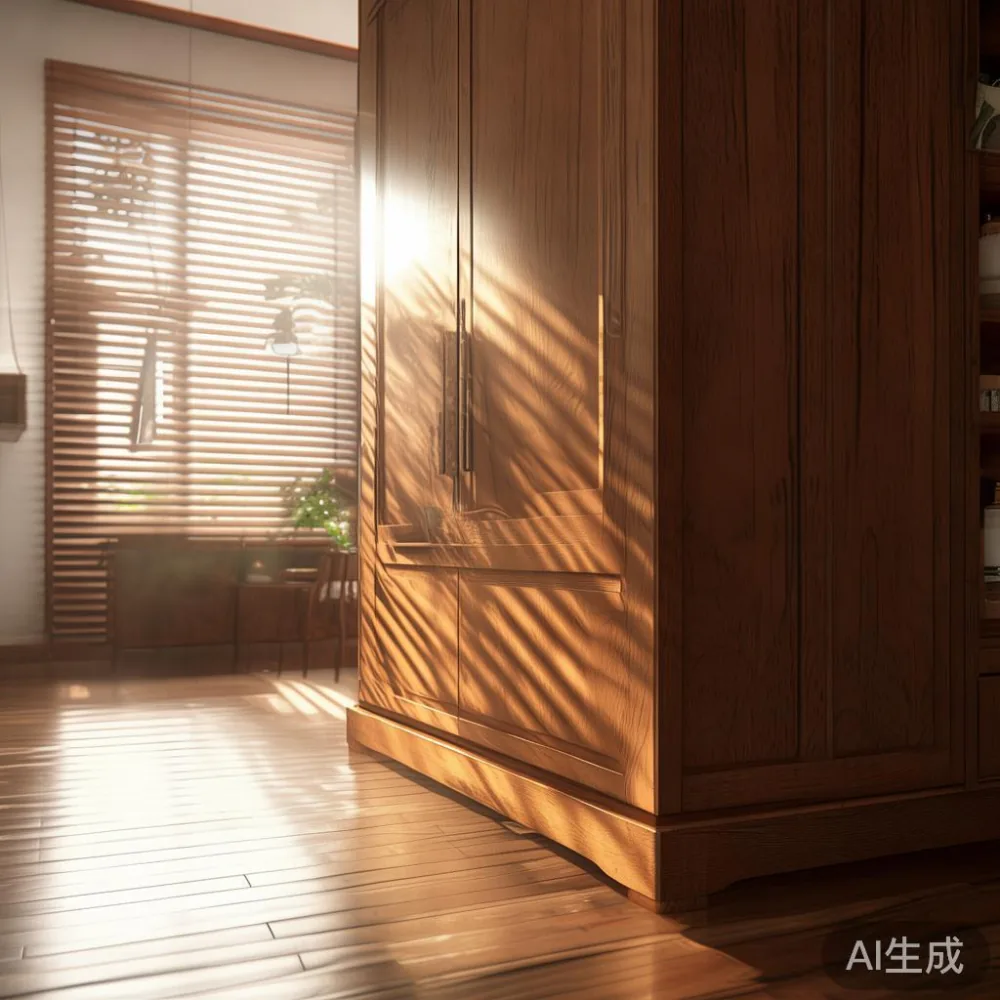
Oak is frequently associated with modern Mid-century modern furniture because its open grain suits clean profiles, tapered legs, and warm finishes. Walnut tends to give a darker, more decorative appearance. Teak is valued for stability and moisture resistance, although imported teak can cost more than locally sourced alternatives. Buyers should ask for the exact species and whether every visible panel is solid timber, rather than accepting “wood” as a sufficient description.
Thickness is another overlooked driver. A 20 mm solid wood cabinet top requires more raw material and more accurate machining than a 15 mm panel. It may also weigh 65 kg rather than 48 kg. Heavier construction can improve stability, but it increases freight, handling, and delivery charges. MIDHILL’s 10-year structural warranty addresses long-term durability, while price still depends on the actual dimensions and build specification.
What makes a bar cabinet more expensive than a basic storage unit?
A bar cabinet is more than a rectangular box with doors. Its price may include a bevelled top, glazed doors, adjustable wine racks, pull-out trays, LED lighting, lockable compartments, finished interiors, and anti-tip hardware. The number of moving parts matters. A basic 120 cm sideboard with 2 doors and 2 drawers can cost about SGD 1,250. A 180 cm bar cabinet with 4 doors, 2 drawers, 24 bottle slots, and a stone or marble top may cost SGD 3,800 or more.
Joinery also separates economical construction from furniture made for decades of use. Dowels, screws, and basic butt joints may reduce the initial price. Mortise-and-tenon joints, dovetail drawer construction, and reinforced frame connections take more labour and checking, but they can improve resistance to movement. A high-quality drawer should run smoothly for years and remain usable when humidity changes.
Hardware should be compared by function, not just appearance. Soft-close hinges, full-extension ball-bearing slides, and solid brass handles may add SGD 180 to SGD 650 to a bar cabinet. The handle material matters: zinc alloy may suit a budget configuration, while brass or brushed steel changes the price. Lighting can add another SGD 90 to SGD 250 if transformers, switches, and concealed wiring are included.
The finish is a price driver that is easy to underestimate. An oiled or waxed surface may be economical, but lacquer, matte paint, stain, and multiple-layer finishing require different preparation. A 6-coat finish may cost more than a 3-coat finish because each layer needs curing, sanding, and inspection. Whitewash or a pale grey finish can also require more sanding than a darker tone, as surface defects show through more clearly.
How do dimensions, weight, and Singapore access affect the final cost?
Measure the delivery route before choosing the largest possible bar cabinet. A standard HDB lift may offer an internal door width of about 80 to 90 cm and a depth around 110 to 140 cm, but the usable measurements vary by block. Corridors can be narrower than 100 cm, and a sharp 90-degree turn may require the cabinet to be turned on its side. A 180 cm unit weighing 72 kg may need 2 movers and 12 to 20 minutes of corridor protection.
Large wardrobes can create an even bigger access problem. A 220 cm solid wood wardrobe may have to be assembled inside the bedroom, while a 160 cm model can sometimes be moved as one piece. Before purchase, record the door width, corridor width, lift dimensions, lift capacity, staircase turns, and any parking restrictions. The delivery fee may range from SGD 80 for a local drop-off to SGD 350 or more for a difficult HDB move with extended carrying.
Singapore’s GST adds 9% to most retail purchases. GST-registered business buyers may be able to claim input tax credits under applicable rules, but that should be confirmed with their accountant. For household customers, the displayed selling price should clearly state whether 9% GST is included.
Production time also affects availability and sometimes cost. A stock bar cabinet may be delivered in 7 to 12 days, while a made-to-measure unit can require 6 to 10 weeks. An in-stock piece benefits from purchasing volume and production planning. A custom piece carries design, material, and scheduling costs. That difference can amount to 15% to 30% of the selling price.
Freight protection matters too. A properly packed solid wood dining table may include corner guards, foam wrapping, and a reinforced carton. Cheap packing may save SGD 20 to SGD 60 per item, but the risk of a split top or damaged joint is higher. Lighter panels and modular wardrobes can reduce transit costs, although a stronger one-piece construction may be worthwhile in a family home.
Does a solid wood sofa cost more because of the frame or the upholstery?
A solid wood sofa has 2 principal price layers: the frame and the upholstered package. The internal timber, joints, foam density, fibre wrapping, springs, cover material, cushion count, and labour can all change the price. A 200 cm three-seat sofa with a kiln-dried hardwood frame may begin around SGD 2,200, while a 220 cm version with a thicker frame, pocket springs, and premium fabric can exceed SGD 5,000.
The same distinction applies to other upholstered products. A solid wood bed frame may use a slatted base, a storage platform, or a fully boxed frame. A 160 cm queen bed frame can range from about SGD 1,200 to SGD 3,600 depending on timber, headboard design, and storage. A marble table introduces another material cost: natural marble slabs vary in pattern, thickness, and wastage, while engineered marble may cost less but behave differently around edges.
Upholstery is easier to compare when the specification is broken down. Fabric, leather, foam density, spring type, and cushion dimensions should be listed. If you are considering the best Post-modern sofa for 2026, look for clear construction details rather than relying on a fashionable label. The market language of post-modern light luxury can be attractive, yet the frame warranty and actual joinery tell more about daily performance.
Owners often search for guidance on how to style Japandi sofa in room layouts, especially where a living room is only 4.5 m wide. A low-profile 210 to 240 cm sofa can create more visual space, but 70 to 85 cm depth affects circulation. Similar questions about how to style Japandi sofa in bedroom appear in small studio flats where a sofa serves as a guest seat. The cushion height, arm clearance, and footprint should be measured before ordering.
How should you compare solid wood furniture quotations fairly?
Compare quotations using the same specification. Ask for the timber species, panel thickness, dimensions, drawer construction, hinge type, slide type, finish layers, and warranty terms. A quotation at SGD 1,890 for a 160 cm dining table is not directly comparable with one at SGD 2,790 if the former uses 18 mm MDF in hidden areas, while the latter uses 25 mm solid hardwood with a stronger apron.
Ask whether the price includes GST, delivery, assembly, and removal of packaging. For Singapore customers, a supplier that provides clear landed pricing can prevent surprises. MIDHILL’s free shipping threshold of US$350 should be converted at the supplier’s stated exchange rate, so confirm the final SGD amount before payment.
Check the return policy as well. A 14-day return period can provide useful protection, but the condition of a made-to-order item, custom finish, or assembled product may be governed by specific terms. Lifetime refinishing is another service worth understanding: clarify whether it covers scratches, structural work, or customer damage, and whether transport is included or charged separately.
For buyers exploring under 2000 Minimalist furniture options, spending below SGD 2,000 can still yield credible solid wood pieces if the design is disciplined and fewer decorative operations are required. A compact 120 cm dining table, 90 cm nightstand, or 140 cm bar cabinet may fit that range. More complex doors, marble surfaces, extensive storage, and premium hardware usually push the price higher.
What should a buyer ask before ordering a bar cabinet?
Ask: “Is every visible front and side panel solid wood, or are structural panels, back panels, or drawer bottoms veneer or engineered board?” This single question can reveal major differences between quotations. Also request the timber moisture specification, usually around 8% to 12% for indoor furniture depending on the climate and production method.
Ask whether the cabinet includes anti-tip fittings. A 170 cm bar cabinet above 35 kg should be secured to a suitable wall, particularly in a family home with children. Confirm the fixings provided and the wall type; plasterboard may require suitable anchors rather than ordinary screws.
Ask how long delivery will take after the order is confirmed. Stock units may arrive within 7 to 14 days, while custom pieces can take 35 to 70 days. For a condo move, check the loading bay booking and the building’s move-in restrictions. For an HDB flat, ask the managing agent about reserved lifts or permitted moving hours.
Last, inspect the joinery and alignment before accepting delivery. Doors should close evenly, drawers should slide without scraping, and the cabinet should stand level. Check for movement at the joints and inspect corners under good lighting. These 10 minutes can catch a finish defect, chipped edge, or misaligned hinge before the delivery team leaves.
How can different design styles affect solid wood furniture prices?
Style influences labour more than timber alone. French light luxury often uses restrained profiles, curved edges, fluted details, brass hardware, and softly toned finishes. American light luxury commonly combines generous proportions, substantial-looking joinery, and warm wood tones. Post-modern light luxury may introduce asymmetrical forms, mixed materials, or geometric cabinet doors.
Straight edges and simple panels are faster and less costly to produce. Curved corners, carved fronts, mitred details, and complex multi-panel doors need specialist machining and additional inspection. A rectangular 160 cm solid wood dining table may cost SGD 1,800, while a 200 cm model with curved ends and 35 mm detailing may cost SGD 3,400. A rounded nightstand may also require more setup than a square version.
Design language should still serve the room. French-inspired furniture can work in a light HDB living room if the scale remains disciplined. A large high-backed sofa may overwhelm a 12 m² bedroom, while a lower profile improves circulation. The best French bed for 2026 for one condo bedroom may be a 150 cm timber frame with a compact headboard, leaving at least 60 cm beside the bed for access.
Material mixing can create visual richness but complicates pricing. A marble table can have a solid wood or metal base, and a bar cabinet can combine timber, glass, stone, and lacquer. Each transition needs careful fitting. Marble edges need reinforcement, glass doors need appropriate hardware, and mixed surfaces expand the supplier’s production and delivery risks.
What is the sensible way to budget for solid wood furniture?
A sensible budget starts with the room, not a product trend. Measure the space, the access route, and the intended lifespan. Allocate 5% to 10% of the furniture budget for delivery and installation, especially above SGD 2,000. Keep enough space around a wardrobe for doors to open through a 90-degree arc, and allow roughly 75 to 90 cm between a dining table and the wall where chairs need to move.
Then decide where extra spending creates visible or practical value. Better timber and joinery matter for a frequently used dining table or bed frame. A refined finish may matter most for a bar cabinet displayed in the dining area. For a solid wood sofa, spend on the frame, suspension, and cushions before decorative cover changes. For a nightstand, drawer runners and moisture-resistant finishing are more valuable than elaborate carving.
Quality is a combination of specifications rather than one label. A stable joint, appropriate thickness, smooth operation, sound finishing, realistic delivery terms, and after-sales support often matter more than a premium species name. MIDHILL’s experience since 2008 and export activity across 15+ countries indicate manufacturing knowledge, but individual products still need to be compared on their own construction details.
The most useful question is not “Which solid wood furniture is the most affordable?” It is: “Which quotation gives me the clearest construction, delivery, warranty, and service terms for the money I am paying?” A well-specified SGD 1,900 bar cabinet may offer better value than a vaguely described SGD 3,200 model. Price is driven by materials, labour, hardware, finish, logistics, and after-sales care. Understanding each component turns a large purchase into a measured decision rather than a guess.