The Art of Warm Minimalism: Matching Your Furniture to a Singaporean Home
Living in Singapore, particularly in our HDB flats and condominiums, presents a unique set of challenges and opportunities for interior design. Our spaces are often compact, defined by standardised dimensions like the 1.8m-wide corridor common in Tampines or the 1.5m lift in older Bedok estates. We operate under a GST-inclusive economy, where every dollar spent on a solid wood dining table or a marble table must be justified by both aesthetics and function. The design philosophy that has resonated deeply with many Singaporeans is warm minimalism. It's the art of creating a space that feels open, uncluttered, and serene, yet is rich with texture, comfort, and personality. It’s about finding the perfect balance between the starkness of minimalism and the inviting embrace of a lived-in home.
What is Warm Minimalism and Why Does It Work in Singapore?
At its core, warm minimalism is a design approach that strips a space down to its most important elements but then reintroduces warmth through natural materials, soft textures, and a thoughtful colour palette. In a Singaporean context, this philosophy is incredibly practical. Our high-rise apartments, whether a 90-square-metre unit in Punggol or a smaller resale flat, benefit from the sense of space that minimalism creates. By removing visual clutter, rooms feel larger and airier, which is a significant advantage in our often compact living areas. The 'warm' aspect counters the potential sterility of a purely minimalist space, making it feel like a true sanctuary. This is achieved by incorporating elements like a solid wood sofa with visible grain, a plush rug under a dining table, or a bar cabinet with a rich, natural wood finish. The result is a home that feels both calm and welcoming, a perfect retreat from the tropical humidity and urban pace outside.
How to Choose a Bar Cabinet That Embodies Warm Minimalism
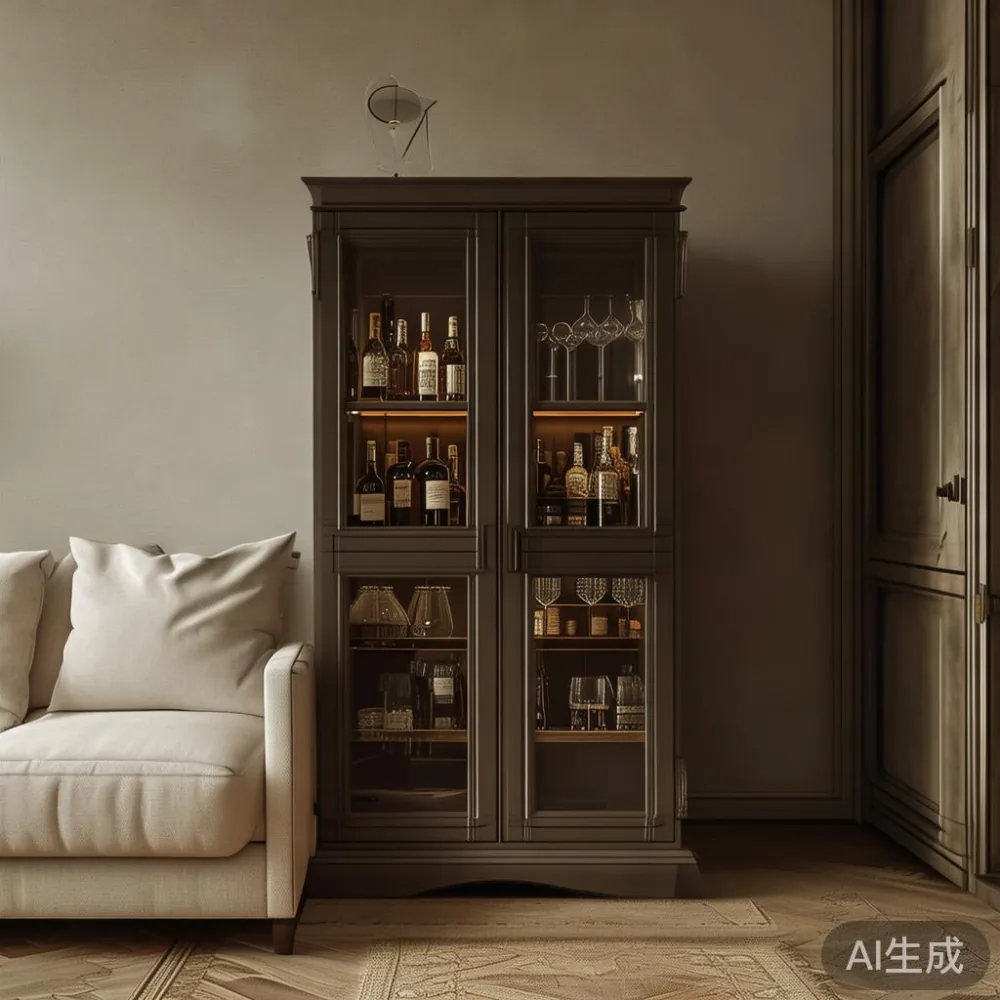
The bar cabinet is a fantastic anchor piece for a living room or dining area, offering both function and form. For a warm minimalist interior, the choice of bar cabinet is critical. You want a piece that feels substantial yet unobtrusive. Look for designs with clean lines and a simple silhouette, avoiding ornate carvings or overly decorative hardware. The material is key. A bar cabinet crafted from solid wood, such as oak or walnut, is an excellent choice. The natural wood grain adds a layer of organic texture and warmth that aligns perfectly with the philosophy. The finish should be natural or lightly stained, allowing the beauty of the wood to be the main feature. Consider a bar cabinet with a mix of open shelving and closed cabinetry. The open shelves can display a curated selection of glassware or a small collection of books, while the closed doors keep everyday items out of sight, maintaining the clean aesthetic. This balance of display and storage is a hallmark of successful warm minimalism.
What is the Best Way to Style a European Light Luxury Sofa in a Small Apartment?
Styling a European light luxury sofa in a small Singaporean apartment requires a strategic approach to avoid overwhelming the space. Light luxury, or 'léger luxe', focuses on high-quality materials, understated elegance, and impeccable craftsmanship rather than overt opulence. A French light luxury sofa, for example, might feature a low-profile silhouette, slim metal legs, and upholstery in a neutral, textured fabric like linen or bouclé. To make this piece work in a small living room, start by ensuring the scale is appropriate. A sofa that is too large will dominate the room. A sofa measuring around 180cm to 210cm in length is often a good fit for a typical HDB living room. Pair it with a small, sculptural marble table or a minimalist solid wood coffee table. Keep the colour palette restrained; a neutral sofa in shades of beige, grey, or cream provides a calm backdrop. Then, introduce warmth through layers: a soft throw blanket draped over one arm, a couple of plush cushions in complementary textures, and a natural fibre rug underneath. The key is to let the sofa's quality and design shine, supported by a few carefully chosen accessories that add comfort without clutter.
Creating a Cohesive Look: Matching Your Bar Cabinet with Other Furniture
A successful warm minimalist interior is a symphony of harmonious elements. Your bar cabinet should not exist in isolation but should complement the other pieces in the room. If your bar cabinet is made of a warm, light-toned wood like oak, consider pairing it with other furniture in a similar wood finish. This could include a solid wood dining table, a nightstand for the bedroom, or even a simple console table. This repetition of material creates a sense of continuity and unity. For a more contrasting look, you might pair a wood bar cabinet with furniture featuring marble accents. A marble table top on a dining table or a side table can introduce a cool, sophisticated element that beautifully offsets the warmth of the wood. The key is to maintain a consistent level of craftsmanship. A bar cabinet from a maker like MIDHILL, which focuses on solid wood construction, sets a high standard. This level of quality should be reflected in other pieces, ensuring that the dining table, bed frame, or wardrobe are all made from durable, well-finished materials. This attention to detail improves the entire space from a simple collection of furniture to a thoughtfully designed home.

Practical Considerations for Singaporean Homes
When furnishing your Singaporean home, practical considerations are just as important as aesthetics. Space is a premium, so every piece of furniture must earn its place. Before purchasing a large item like a bar cabinet or a solid wood sofa, measure your space carefully. Account for the width of corridor doors (typically 80cm) and lift dimensions to ensure the furniture can be moved into your unit. A 120cm-wide bar cabinet might fit perfectly in your living room, but can it be manoeuvred through the door? Weight is another factor. A solid wood piece is heavier than a laminate alternative, so consider the floor loading capacity, especially for upper-storey units in older estates. Budgeting is also practical. With GST at 9%, the final price of a piece of furniture will be higher than the listed price. Factor this into your planning. A high-quality bar cabinet might represent a significant investment, but its durability and timeless design mean it will last for years, offering better value in the long run than a cheaper, less durable alternative. Look for brands that offer peace of mind, such as a 10-year structural warranty, which protects your investment.
Real Experience: Finding the Perfect Piece
Last month, my colleague Sarah was furnishing her new 4-room HDB flat in Tampines. She was committed to a warm minimalist aesthetic and had been searching for the right bar cabinet for months. She found many options that were either too bulky, with a dark, heavy finish that would make her already compact living room feel smaller, or too flimsy, lacking the quality she desired. She was worried she would have to compromise on her vision. During a visit to a furniture showroom in the Joo Koon area, she discovered a collection that changed everything. The bar cabinet she found was made from solid oak, with a light, natural finish and simple, elegant hardware. Its dimensions—90cm wide, 40cm deep, and 85cm tall—were perfect for the alcove she had earmarked. The craftsmanship was evident in the smooth drawer slides and the rich, tactile wood grain. It was the piece that tied her entire living room together, providing storage for her barware while adding a touch of sophisticated warmth. Her experience highlighted that patience and a focus on quality materials are key to finding furniture that truly works in a Singaporean home.
Is a Light Luxury Sofa Worth the Investment for a Small Living Room?
This is a question many homeowners grapple with. A light luxury sofa often comes with a higher price tag than mass-market alternatives, so it's a valid concern. However, for a small living room where the sofa is often the central piece, the investment can be worthwhile. A well-made light luxury sofa, such as an American light luxury piece, offers superior comfort and durability. The high-density foam cushions and solid wood frame mean it will hold its shape and comfort for years, unlike cheaper sofas that may sag or wear out quickly. In terms of design, its clean lines and premium materials allow it to be a statement piece without being loud. It doesn't compete with other elements in the room; instead, it serves as a sophisticated anchor. A small living room can easily look cluttered with poorly chosen furniture. A single, high-quality sofa can create a focal point of calm and elegance. While the initial cost might be higher, a light luxury sofa is a long-term investment in both comfort and style, making it a practical choice for a space you use every day.
Exploring Different Styles: From Japandi to Post-Modern
Warm minimalism isn't a rigid style; it's a philosophy that can be interpreted in different ways. For instance, the Japandi style is a beautiful fusion of Japanese minimalism and Scandinavian hygge. A Japandi sofa, with its low profile, natural fabrics, and emphasis on simplicity, can be a perfect fit for a warm minimalist home. The question is, is Japandi sofa worth it for a Singaporean climate? The answer is yes, especially if you choose breathable, natural fabrics like linen or cotton that are comfortable in our humidity. The style promotes a clutter-free, serene environment, ideal for small spaces. On the other end of the spectrum is post-modern design, which plays with bold shapes, geometric forms, and a mix of materials. For a small living room, Post-modern for small living room can be tricky, but when done right, it's incredibly stylish. Think of a bar cabinet with a sculptural base or a sofa with an interesting, asymmetrical shape. This approach adds a layer of artistic flair to a minimalist base. The key is to anchor these bolder pieces with neutral colours and natural materials to maintain the warm and uncluttered feel.
Final Thoughts on Curating Your Space
Creating a warm minimalist interior in your Singaporean home is a journey of curation. It's about selecting pieces that you love and that serve a purpose. It involves making conscious choices about materials, colours, and forms. A solid wood bed frame, for example, brings warmth and natural texture to a bedroom, while a sleek marble table adds a touch of modern elegance to a dining area. When choosing furniture, consider not just how it looks, but how it feels and how it will live in your space. A bar cabinet should not only look beautiful but also provide practical storage for your lifestyle. The goal is to create a home that is a reflection of you—a space that is calm, uncluttered, and deeply personal. By focusing on quality, comfort, and a warm, neutral palette, you can achieve a look that is both sophisticated and welcoming, perfectly suited to the unique context of Singaporean living. For those seeking guidance, reaching out to specialists can provide clarity; you can contact them at +86 188 2788 2512 for expert advice on sourcing the perfect pieces for your home.