How Southeast Asian Humidity Affects Solid Wood Bar Cabinets
Singapore’s warm, humid climate can change the dimensions, joints, and finish of solid wood furniture. A bar cabinet near a kitchen, dining area, balcony, or frequently used air-conditioned living room may experience moisture changes that differ from those in an air-conditioned HDB flat in Tampines, Bedok, or Punggol. Understanding those changes helps you choose, place, maintain, and enjoy a solid wood bar cabinet for many years.
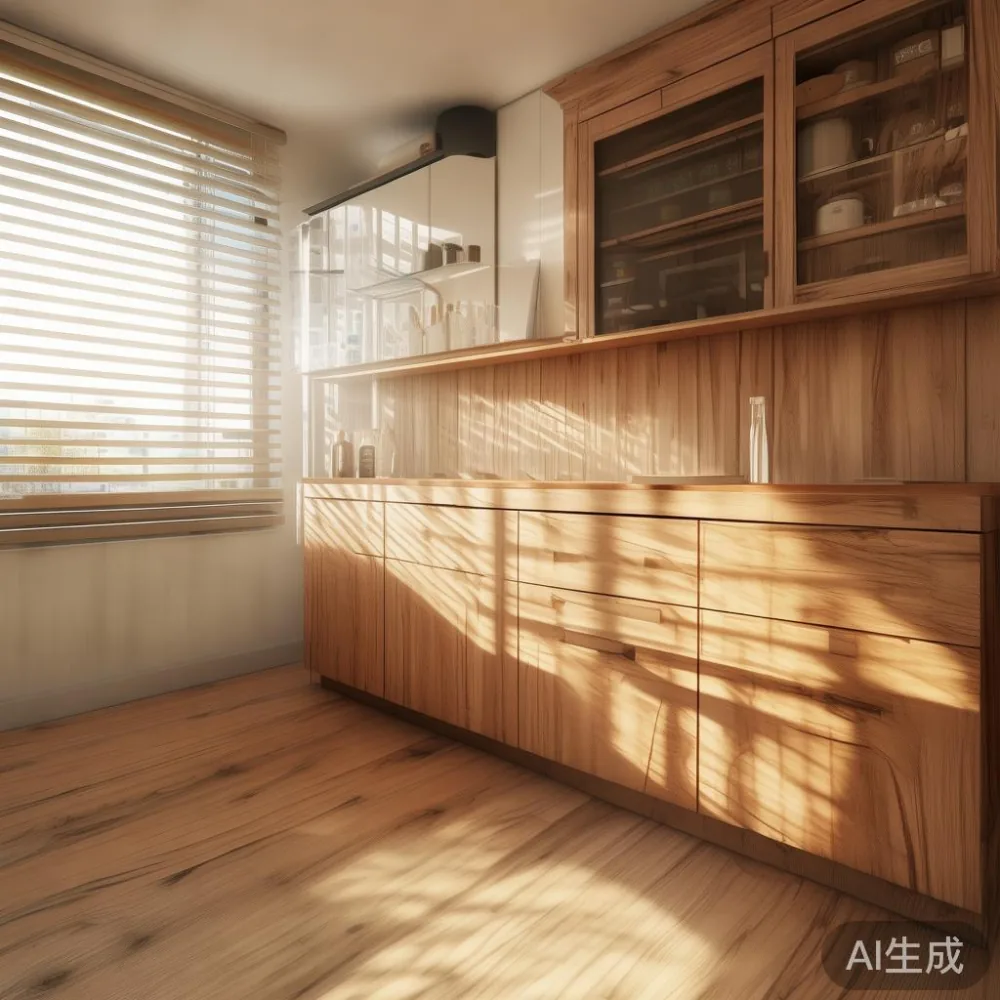
Humidity does not automatically damage wood. It causes normal movement when the surrounding air changes between wet and dry conditions. The real risks come from prolonged high humidity, sudden moisture changes, trapped water, poorly sealed edges, and repeated swelling followed by drying. For a Singapore home, the practical goal is not to pretend that wood never moves; it is to give it stable conditions and suitable construction.
What does 70% relative humidity do to a solid wood bar cabinet?
Wood responds to relative humidity because it absorbs and releases water vapour. As air humidity rises, wood cells gain moisture and expand. When humidity falls, the cells lose moisture and contract. The direction of movement follows the grain, so a wide cabinet panel may move more across its width than along its length.
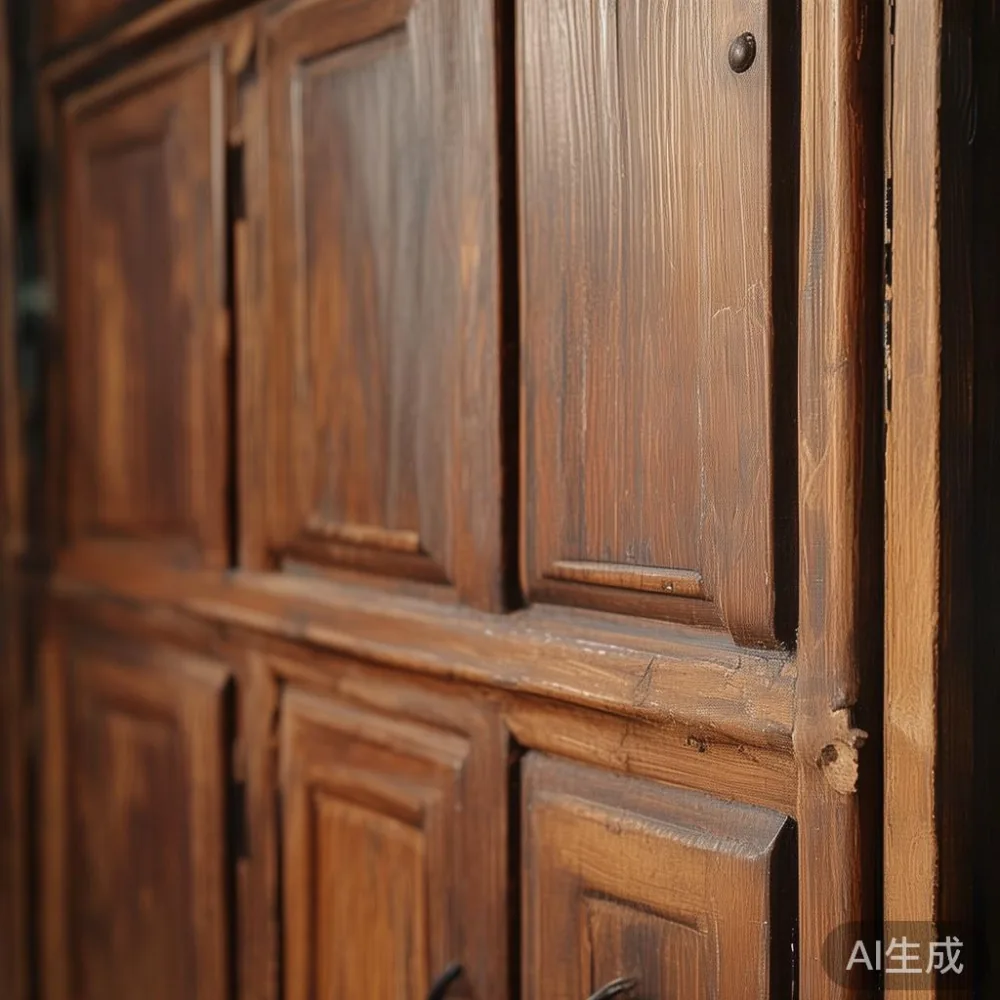
Singapore’s monthly readings commonly sit around moderate to high humidity, although actual conditions vary by location and time. An outdoor balcony can reach higher readings during showers, while an interior bedroom may be much drier because of air-conditioning. A cabinet beside an HDB kitchen window may also receive brief bursts of damp air.
For orientation, many furniture and woodworking guides place an interior wood target around 40–60% relative humidity and recommend keeping relative humidity within roughly 35–65%. That is a service target, not a promise that every solid wood product will remain perfectly still outside it. A cabinet made in Foshan for export to more than 15 countries should accommodate normal regional variation through stable joinery, appropriate wood selection, and controlled finishing.
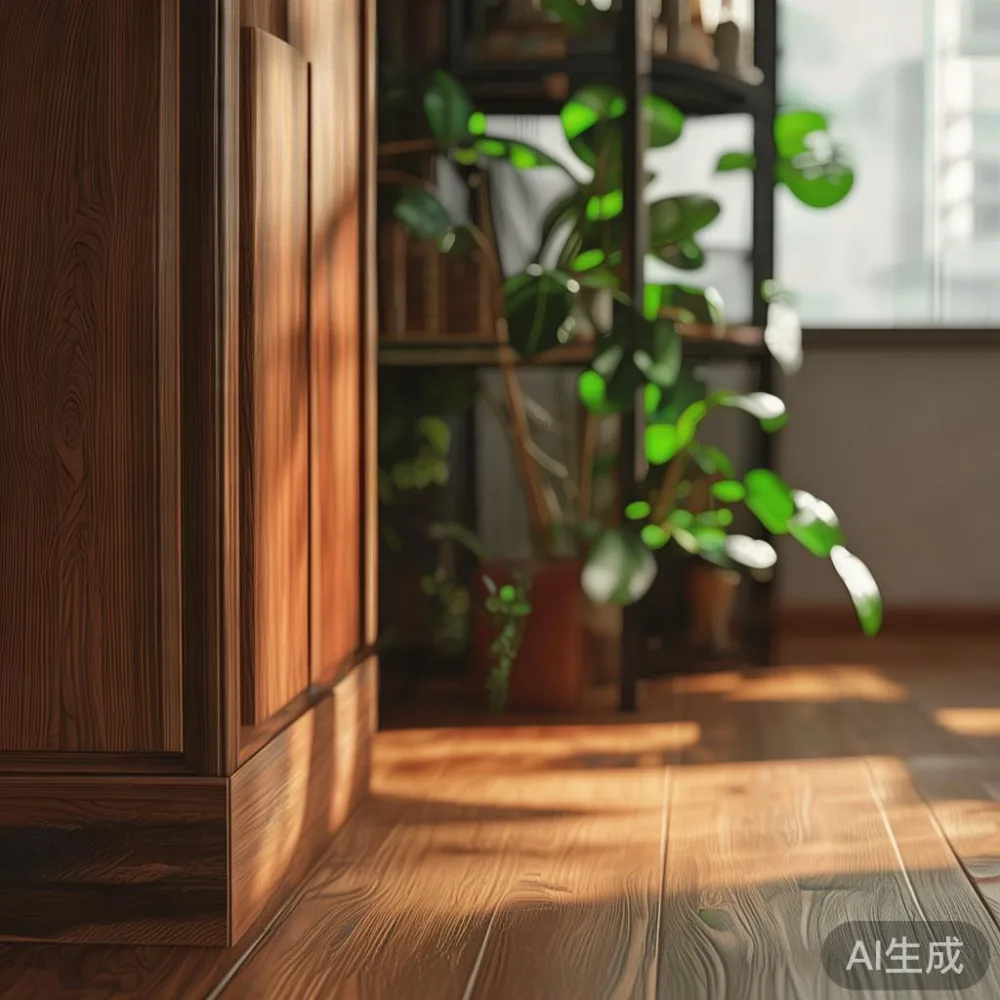
A relative-humidity reading of 70% for several hours is not equivalent to several months at 90%. Duration matters. A short period during a monsoon shower usually produces less long-term movement than a cabinet kept in a damp corner for 12 months. Likewise, moving an air-conditioned cabinet from a room at 22°C into a balcony at 31°C creates a rapid temperature shift, but humidity and temperature should both be considered.
Check conditions with a small digital hygrometer placed near the cabinet rather than relying only on a weather app. Measure at roughly cabinet height, about 100 cm above the floor. Keep the device away from a window, air-conditioner outlet, kitchen sink, and bathroom door. Readings taken over 7 days are more informative than one morning reading.
Why do joints and panels move differently?
Solid wood expands at different rates in different directions. Movement along the grain is small compared with movement across it. A panel that is 60 cm wide can show enough across-grain change to stress a tight frame during repeated wetting and drying. That does not mean a 60 cm panel will visibly ruin the cabinet; it means the joint should have room to function.
Tenon-and-mortise joints, properly fitted dowels, and well-designed panel connections can accommodate normal seasonal movement. Screw heads should not be driven so tightly into end grain that the screw splits the timber as it swells. A sound cabinet also avoids trapping wet cardboard or foam against bare wood during shipping.
Manufacturers commonly control wood moisture during production and use finishes that slow the exchange of moisture between timber and air. No finish makes wood completely moisture-proof. A good factory coating, applied consistently to faces, edges, and undersides, reduces exposure, but the customer still needs sensible indoor care.
For solid wood furniture, use a breathable finish appropriate to the product. Wipe water away promptly rather than leaving rings for 30 minutes. Do not use a soaked cloth. A cloth that leaves roughly 5–10 ml of cleaner on a 30 × 30 cm area is already damp rather than dripping.
Can a bar cabinet fit into a small HDB flat or condo?
Yes, but the dimensions must respect the route before the cabinet is delivered. Measure the HDB or condo lift opening, lift car depth, turning space, front door, corridor turns, and the final position. A lift door may be around 80–90 cm wide in some blocks, while corridor widths can be near 100–120 cm; older buildings and renovated access points may differ.
Write down the narrowest fixed width, the lowest ceiling, and the tightest diagonal required at any turn. Add at least 5 cm of practical clearance for packaging and hand clearance. A polished or flattened carton should not be forced through a doorway because its corners can catch on the frame.
For a dining wall, bar cabinets are often 120–180 cm wide, 35–45 cm deep, and 85–105 cm tall. Some designs stand on legs, while others have a plinth or drawer base. Weight can range from about 45 kg for a compact unit to 110 kg or more for a wide, thick, solid wood construction.
For lifting, request the packed weight as well as the dimensions. Confirm whether the carton is delivered to the door or to the lift lobby, and whether the driver carries it upstairs. A higher-floor HDB unit in Tampines with several turns may take longer than a ground-floor Bedok unit with level access.
Leave ventilation behind a wall-mounted or tight-fitting cabinet. A gap of at least 3–5 cm can help air circulate, although the manufacturer’s installation instructions remain authoritative. Keep the unit at least 30 cm from a wet balcony threshold where practical. If the cabinet must sit beside a glass door, avoid placing it directly in the path of cold air-conditioning.
Floor levels matter too. A level surface prevents the frame from twisting. If a wooden cabinet sits on slightly uneven flooring, use adjustable feet supplied for that model rather than improvised timber blocks. Never drill into the cabinet or alter its structural parts without approval, as that may affect the 10-year structural warranty.
How should a new bar cabinet be protected during its first 60 days?
A new solid wood bar cabinet may arrive with a controlled finish and stable construction, yet it can still come from a different climate to yours. During the first 30–60 days, keep it away from direct sunlight, damp walls, laundry balconies, and strong air-conditioner outlets. This period allows the piece to acclimatise gradually as its surface moisture reaches a more stable local balance.
Do not test it aggressively on arrival. Leave protective packaging on until the cabinet is in its final position, especially if the room has just been painted or carpeted. If paint emits substantial moisture during the first 2–4 weeks of curing, wait until the room is ventilated and less humid before installation.
For the first 60 days, check the doors, drawers, and panel gaps every 7–10 days. Small shifts during changing weather are different from a door that will not close, a drawer that jams, or a joint that opens into a continuous crack. Record the relative humidity when you notice a change. If a joint remains visibly damaged or a structural member has split, stop adjusting it and contact the supplier.
Last month, I visited a family home in Punggol and checked a newly delivered solid wood dining table with a calibrated hygrometer. The dining area read 73% beside an open balcony door, while the adjoining bedroom read 57%. The cabinet in the dining area had already developed one sticky drawer. After the balcony door was kept closed during wet weather, the drawer began to move freely within about 10 days. No tightening was needed. That simple observation reinforced how much the placement of doors and ventilation can matter.
The dining table is a useful comparison because the same home contained solid wood furniture exposed to different conditions. It did not need chemical treatment; stable indoor placement was enough. For a bar cabinet, avoid drinks that can leave water rings. Use coasters of at least 7 cm for glasses and 12–15 cm for larger drinkware.
How do you style a bar cabinet in French, American, or post-modern light luxury?
A bar cabinet can read as French light luxury through pale oak or ash, restrained profiles, slim brass hardware, and balanced proportions. It can read as American light luxury through a substantial frame, deeper wood tone, generous storage, and clear architectural lines. Post-modern light luxury can combine two materials carefully: a solid wood carcass with a narrow marble table top, for example, used as a serving surface rather than the cabinet’s entire visual focus.
Keep the composition functional. In an apartment dining zone, one 150 cm bar cabinet may be more visually comfortable than several crowded pieces. Leave approximately 75–90 cm of walking clearance in a primary passage and avoid pulling a wide drawer fully open beside a narrow corridor. Above the cabinet, spacing depends on installation and ceiling height, but a clear gap of roughly 25–40 cm often prevents a heavy upper visual load.
European light luxury for bedroom can be informed by warm neutral finishes and quiet storage, although this article’s furniture focus remains the bar cabinet used in dining or living spaces. If a matching solid wood bed frame or nightstand is considered elsewhere in the apartment, coordinate the wood tone and leg height so the rooms feel connected rather than overfilled.
Minimalist for small living room is a useful starting point for a compact bar cabinet measuring around 100–120 cm wide. Choose closed storage, limit the display objects, and use one or two lighting points rather than a crowded arrangement. A solid wood sofa in a nearby seating area should leave the cabinet accessible; avoid placing tall loose cushions or side tables that reduce circulation.
Marble is popular in American light luxury schemes, but a marble table needs a separate care plan. Wipe acidic liquids quickly, use coasters, and do not assume a marble surface tolerates acidic cleaners. A small marble serving top on a bar cabinet should be installed according to the supplier’s weight and fixing guidance. A properly designed cabinet base can support it, but decoration should never compromise the cabinet structure.
Wardrobe sizing deserves similar restraint in a condo bedroom. Researching the best American wardrobe for 2026 can help with internal organisation, but a separate wardrobe does not justify crowding the bar cabinet area. If the cabinet is near a bedroom door, keep the open-door arc clear by roughly 90 cm where layout permits.
What cleaning routine is safe for humidity-exposed solid wood?
Use a soft, slightly damp cloth and mild soap suitable for the specified finish. Test an inconspicuous area first, then dry with a clean cloth. Avoid silicone-heavy polishes unless approved for the finish, because they can build up and complicate future refinishing. Do not use abrasive pads, wire wool, or concentrated solvent.
Clean spills immediately. In humid conditions, even a few drops around a glass joint can remain longer than expected. Pay attention to the cabinet’s top, drawer runners, door edges, feet, and any area beside an open balcony door. A monthly wipe during the first year is sensible; clean visible marks sooner rather than scheduling them all for the end of the week.
Keep cooking vapour under control while using an extract hood. If a bar cabinet stands near a kitchen, maintain distance from the hob and sink. A 60 cm hob can send heat and moisture toward adjacent furniture, so use the manufacturer’s minimum clearances rather than estimating by sight.
MIDHILL applies controlled production and finish processes for solid wood furniture intended for varied markets. The company’s 10-year structural warranty covers eligible structural defects under its terms, while lifetime refinishing is a separate service subject to condition and feasibility. Finishing is not the same as structural warranty, so report a splitting joint, unstable base, or serious drawer failure promptly.
Singapore orders should also be checked for taxes. A displayed price may exclude 9% GST; confirm the final payable amount in SGD. MIDHILL offers free shipping on qualifying orders over US$350, but a Singapore order’s freight arrangement and GST treatment should be confirmed before payment. Standard 14-day returns apply under the stated policy, subject to eligibility, condition, and authorisation.
How can a solid wood bar cabinet last through 10 years of changing weather?
Choose stable indoor placement, allow installation clearances, and monitor relative humidity rather than reacting to a single reading. Keep the cabinet away from water and heat sources, inspect moving parts every 3–6 months, and wipe spills within a few minutes. Use trays and coasters, especially during gatherings when a drink cabinet is under more pressure.
Measure the delivery route before ordering. Confirm packed dimensions, lift access, doorstep or lobby delivery, stair carrying, GST, and expected delivery timing. A production or stock lead time may be followed by delivery in 7–21 days, but a made-to-order cabinet can require longer. Get the promised dispatch and arrival windows in writing.
Oak, ash, teak, rubberwood, and other solid wood species have different appearances and movement patterns. Ask for the exact species, finish, core construction, edge treatment, and care instructions rather than selecting by colour alone. A solid wood sofa, dining table, wardrobe, bed frame, nightstand, or marble table may suit the same design language, but moisture management still depends on the individual product and room.
Guide searches for how to style European sofa in apartment and how to style European wardrobe in apartment can generate useful room-layout ideas. When browsing for sale American furniture, compare construction details and local delivery terms, not only photographs. Most importantly, place the bar cabinet where people can reach it without blocking a lift lobby, corridor, kitchen work triangle, or balcony threshold.
Humidity resilience is the combination of sound timber preparation, appropriate joints, complete finishing, controlled indoor placement, and attentive care. With those measures, a solid wood bar cabinet can remain a warm, useful part of Singapore life while respecting the movement natural to wood.