Small-Apartment Bar Cabinet Styling for Singapore HDB Flats and Condos
A Singapore HDB flat or condo can look crowded simply because one large object carries too much visual weight. The solution is not necessarily fewer possessions; it is fewer visible edges, clearer circulation paths and furniture that earns its footprint. A well-proportioned bar cabinet can organise drinks, glassware and small decorative pieces while acting as a visual anchor between the dining area and living room.

For residents of Tampines, Bedok or Punggol, measurements matter more than showroom impressions. A common HDB lift interior measures about 90 cm wide and 140 cm deep, while a three-room flat may offer only 300–450 cm of usable wall length after accounting for doors and service points. A bar cabinet around 120–150 cm wide can provide useful storage without turning a dining corner into a permanent bottleneck.
MIDHILL designs solid wood furniture for compact urban homes, combining restrained proportions with durable joinery. The company was established in 2008, exports to more than 15 countries and backs each piece with a 10-year structural warranty and lifetime refinishing. For Singapore orders above US$350, equivalent to approximately SGD$460 before GST, shipping is free. Buyers can also return an item within 14 days under the stated return policy.
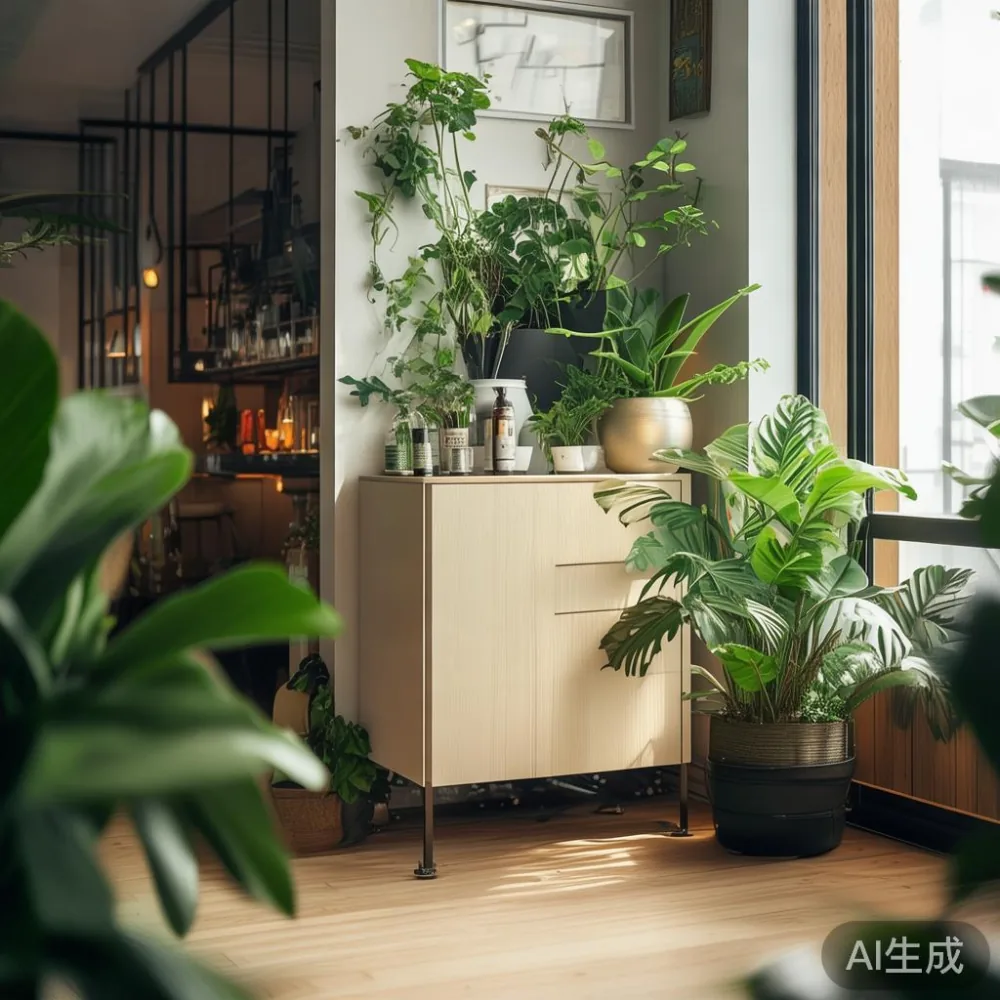
How much space should a bar cabinet occupy in a small apartment?
A useful starting point is 120 cm wide, 40–45 cm deep and 85–95 cm high. That footprint gives you room for bottles, stemware and serving accessories without projecting deeply into a corridor. In a compact dining area, leave at least 90 cm of clear walkway in front of the cabinet and 60 cm between the cabinet and the nearest wall return where people must open its doors.
For a 320 cm wall, a 130 cm bar cabinet can occupy roughly 40% of the visible run when the remaining 190 cm is divided into open breathing space and perhaps a slim wall shelf. Avoid filling every centimetre with tall units. In an open-plan studio, the cabinet should sit within the dining zone rather than float ambiguously between the kitchen and sofa.
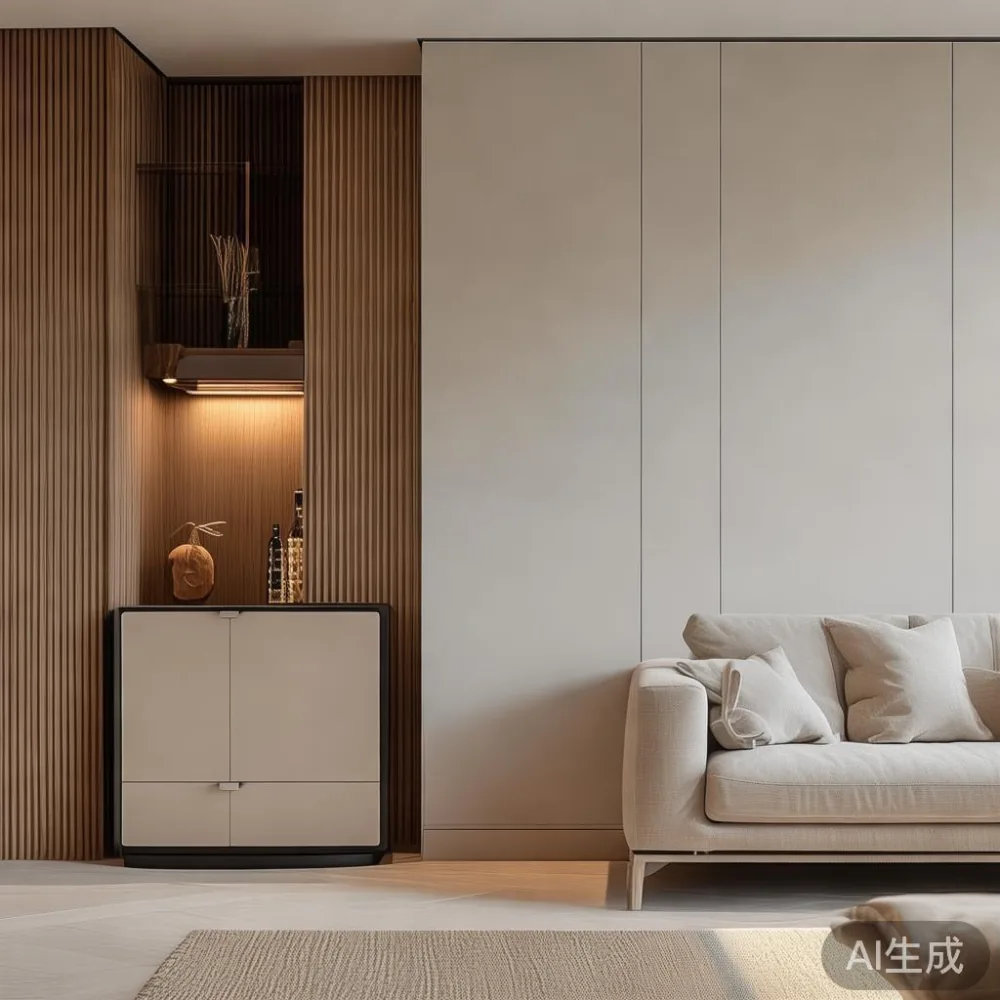
Check the route from the lift before ordering. Pack the bar cabinet in its largest protective carton and compare it with the lift doorway and turning space, not just the interior floor area. Some residential lifts have door openings near 80–90 cm, while corridor turns may be tighter than expected. A cabinet that requires prolonged tilting at the void is likely to damage both the carton and the unit.
Also consider renovation realities. Singapore GST is currently 9%, so a SGD$1,520 bar cabinet would cost SGD$1,656.80 after tax. Some condo projects use a common colour such as warm white walls, while HDB interiors often pair pale laminates with light terrazzo flooring. A medium oak finish can bridge both settings, but sample it against your floor under evening light before approving it.
Can a bar cabinet make a small dining area feel larger?
Yes, if its scale, colour and contents are controlled. A low-profile cabinet with a slim top creates a horizontal line, which makes the room feel broader. A full-height display unit in a narrow corner creates a different effect: it can efficiently use vertical space but visually compresses the area if it is dark or densely stocked.
Choose a bar cabinet no taller than 100 cm for most compact dining corners. Use one colour inside and out to avoid fragmented blocks of wood. If you prefer contrast, repeat the darker tone in one small object elsewhere in the room rather than introducing another large dark mass. This is a basic principle of French light luxury: pale upholstery, curved profiles, warm woods and carefully spaced accessories rather than excessive ornament.
Mirror placement can help, but a full mirrored wall may look busy in an HDB flat. A 40–60 cm mirror positioned behind a few bottles adds depth without overwhelming a feature wall. Keep the surface at least 70% clear. Three grouped objects, such as one decanter, two glasses and a small tray, read more calmly than nine individually displayed pieces.
Lighting is equally important. A warm LED strip under the upper shelf can create a soft glow while consuming about 5–8 W. Avoid a single cool spotlight directly over the cabinet, which can flatten the grain and create glare on glass. The French light luxury approach favours layered illumination and warm tones around 2700–3000K, balanced by brighter task lighting elsewhere in the kitchen.
What should I store in a bar cabinet in a compact flat?
Prioritise items used regularly and displayed sparingly. A 120 cm bar cabinet might hold 12–18 standard bottles, 12 wine glasses, 4–6 tumblers and 2 serving trays. Measure bottle diameter as well as depth; tall sparkling-wine bottles need around 9–10 cm of shelf height, while standard wine bottles need roughly 8 cm.
Adjustable shelves are valuable because the cabinet can then serve as a low sideboard during ordinary weeks. Put daily-use glasses near waist height, reserve the top shelf for occasional pieces and use the lower compartment for non-glass items such as trays or tea canisters. This protects delicate glassware and reduces the chance that an open door blocks the main circulation route.
Use closed storage for visual clutter. One lidded box can contain coasters, corkscrews and bottle tags, while a pull-out tray keeps small tools together. Avoid storing heavy kitchen appliances in the same unit: an espresso machine weighing 12–15 kg may need its own reinforced surface and nearby power socket. A bar cabinet works best as a drinks and serving station, not an overloaded electrical hub.
If you are searching for sale Mid-century modern furniture, look for a cabinet with tapered legs, clean edges and restrained hardware rather than a reproduction crowded with retro motifs. That vocabulary works well in a condo because it feels graphic without requiring a large room. Post-modern light luxury offers another route: mix one structured cabinet with softer textiles and simpler surrounding pieces so the room feels composed rather than themed.
How do I make a bar cabinet fit HDB and condo interiors?
Begin with a floor-tape test. Mark the planned 130 cm width and 45 cm depth with masking tape, then live with it for 2 days. Place a chair in the dining zone and walk from the flat entrance to the kitchen at least 6 times a day. If the cabinet repeatedly interrupts the route, reduce its width to 100–110 cm or relocate it beside, rather than directly opposite, the dining table.
HDB dining corners often have a window, a sliding partition or a column nearby. A bar cabinet placed against a window can block ventilation and make cleaning difficult. A corner near the partition may work if the doors open without striking the frame. In newer Punggol or Tampines developments, check skirting, socket positions and the alignment of neighbouring doors before selecting a freestanding piece.
Condo owners should check the homeowners’ association rules before modifying common corridors, though a movable cabinet inside the unit usually presents a different issue. Rental properties require another check: confirm that wall fixing is permitted, and use a freestanding bar cabinet if drilling is restricted. For any piece requiring anti-tip anchoring, use the supplied hardware and a suitable wall plug rather than attaching it to hollow partitions without checking their construction.
Finish should follow the room’s light. Pale oak and light walnut expand the visual field; black timber creates contrast but needs good illumination. American light luxury leans toward clean lines, durable fabrics and warm wood tones. Pairing that cabinet with a solid wood sofa in oatmeal or muted beige creates a comfortable foundation without adding heavy visual patterns.
What is the difference between a bar cabinet and a sideboard?
A sideboard is designed mainly for broader household storage and serving, often measuring 150–200 cm wide and 40–50 cm deep. A bar cabinet is more specialised: it usually includes bottle storage, glassware accommodation and a counter suitable for preparing drinks. The dedicated interior arrangement can be more useful in a small apartment because it reduces the need for separate bottle shelving.
That does not mean a sideboard cannot hold drinks. It means you should assess capacity and access. A sideboard with two 60 cm doors may suit a family that stores dinnerware and pantry items, while a bar cabinet with a pull-out wine rack can make a 120 cm wall more efficient. If drawers extend toward a dining chair, test the clearance; a 50 cm extension needs 55–60 cm of free space for comfortable use.
Look for dovetail drawer joints, solid timber frames and hardware rated for repeated opening. A 65 kg cabinet on short tapered legs may be adequate for display, but heavier loading near the base improves stability. MIDHILL provides a 10-year structural warranty, which is more useful than a vague promise about appearance because cabinet doors and shelves experience frequent daily movement.
Delivery deserves attention too. Confirm the expected dispatch and delivery window in writing; a 7–14 day lead time is common for configured solid wood pieces, while made-to-measure finishes can take 4–6 weeks. Someone should be present for delivery, particularly in high-rise buildings where the booking slot may be limited and the unit must be moved through lift lobbies and narrow corridors.
How can one bar cabinet work with the rest of my furniture?
Repeat three colours and two shapes across the room. For example, use warm oak, cream and matte black, then pair the cabinet’s rectangular profile with a rounded dining chair and oval dining table. The dining table can have a compact 100–120 cm diameter top, while the bar cabinet provides storage without demanding a separate sideboard. A circular table also improves movement around a 90 cm-wide serving zone.
Keep the bar counter functional. If it measures 40–45 cm deep, it can accommodate a tray, two glasses and a carafe without becoming a dining surface. Use a washable mat if children visit. Decorative objects should sit towards one end, leaving the other clear for daily use.
Nearby furniture should support the cabinet, not imitate every detail. A European light luxury sofa might have curved arms and a pale finish, while the cabinet remains more architectural. This contrast can make the small room feel edited. If your sofa is deep, place it at least 35–40 cm from the wall and allow 75–90 cm from its front edge to the coffee table or walking route.
For a coordinated bedroom, many residents compare a light luxury bed vs French provincial bed. A light-luxury design with a clean upholstered headboard usually takes less visual space than an ornate provincial frame. Pair it with a compact solid wood bed frame or a minimal nightstand no more than 40 cm wide. A marble table is better reserved for occasional coffee or bedside placement than for the main dining zone, where its visual weight could overwhelm a narrow corner.
What should I check before ordering a bar cabinet?
Measure the wall, floor, doors and lift. Record the cabinet width, depth and height, the diagonal of its packed carton and the weight of the assembled unit. A practical rule is to keep the packed diagonal below the narrowest lift-door dimension by at least 10 cm. Allow 2 people to carry pieces over 25 kg and avoid lifting a fully assembled cabinet above shoulder height.
Check the product specification for timber type, internal dimensions, shelf load and finish. Solid wood sofa, bed frame, dining table, wardrobe and nightstand choices elsewhere in the room should follow compatible tones, but each category requires its own use-specific checks. A nightstand drawer needs more usable depth than a display shelf; a wardrobe needs 60 cm of hanging space for adult coats; a dining table needs 90 cm around each seated position.
Ask what is included. Good delivery should include protective padding, assembly instructions and care guidance. Lift and corridor constraints are not always covered by standard delivery, so clarify whether white-glove placement is available and whether it includes carrying the item to the final room. Free shipping over US$350 still leaves access logistics to the purchaser, especially in towers with limited loading windows.
Also inspect the finish in natural light and under warmer evening lamps. Look for consistent grain direction, tight joints and smooth transitions around doors and drawer fronts. If you want a tailored fit, a Singapore furniture specialist can review sketches and site measurements, while the Foshan factory handles production and quality control before export. Allow a 2–3% margin for measurement variation, then compare that with the delivery schedule rather than rushing the entire fit-out.
A bar cabinet can make a small apartment feel more considered when it replaces scattered shelving, maintains a clear walking route and remains visually quiet. Choose the footprint first, storage second and decorative character third. Once the cabinet sits comfortably within a Singapore home’s dimensions, its warmth and craftsmanship can add character without making the room feel crowded.