Choosing the Perfect Sofa Fit in Singapore: A Buyer's Guide
Some sofas look generous in a showroom and become impractical the moment they enter a Singapore home. A deep seat may suit a bed frame concept, but it can leave an adult sliding forward with every cup of coffee. A wide frame may look elegant in a bar cabinet styling photograph, yet a 90 cm corridor lift, sharp right-angle turns, and narrow HDB doors can make delivery impossible. The purchase should therefore be judged by clear measurements, access routes, comfort, and realistic service terms—not by appearance alone.

MIDHILL makes solid wood furniture for customers in Singapore and international markets, with a 10-year structural warranty, lifetime refinishing, and free shipping on orders over US$350. Those are meaningful product commitments, but no warranty compensates for a sofa that cannot pass through the lift or cannot be sat on comfortably. This guide explains what to check before buying a sofa you cannot sit on, with particular attention to HDB flats and condos around Tampines, Bedok, and Punggol.
What should you measure before a sofa is delivered?
Measure the finished room as carefully as the sofa. Record the wall length, skirting depth, door width, ceiling height, and the position of sockets. The sofa’s packaged dimensions should be smaller than every part of the delivery route, not merely smaller than the living room.
For an HDB flat, check the corridor, staircase, void, main door, and lift. At the lift entrance, ask whether the sofa can travel diagonally, and measure the lift car’s internal width and depth rather than relying on the advertised door opening. If the lift is only 80 cm wide and the sofa is 96 cm wide, it may still fit if turned at the correct angle; if its diagonal exceeds the lift car’s usable diagonal, the conversation becomes much harder.
For a landed condo, include the parking bay, drop-off point, lobby, security gate, and any corridor turns. Measure door handles and closer mechanisms as well as openings because an 85 cm opening can have a usable width closer to 78 cm. A narrow corridor of 110 cm may also become impassable when a long sofa is carried vertically.
Ask the supplier for the sofa’s outer dimensions, packaging dimensions, and gross weight. A practical sofa often weighs 45–85 kg, while a solid wood sofa with a reinforced timber base may reach 95–120 kg. These figures help you decide whether the delivery team should carry it upstairs or use a hoisting arrangement.
Then use tape on the floor. A sofa may fit geometrically but still dominate the room. Leave at least 75–90 cm for a main circulation route where people frequently pass behind seated guests. For a dining table nearby, allow 90–110 cm between the table edge and the sofa front if chairs must be pulled out. A bar cabinet requires another 75 cm in front of its doors so that trays, bottles, and drawers remain accessible.
Is it really possible to sit on this sofa comfortably?
A sofa that cannot be sat on is not a design feature; it is a purchasing error. Check the seat height, seat depth, back angle, armrest height, and firmness before placing an order.
A sensible seat height is generally 40–45 cm for most adults. A lower 35–38 cm seat may suit shorter users, but can make rising difficult for anyone over 65 or anyone with limited knee mobility. The usable seat depth is usually 50–58 cm. A deeper 65–70 cm surface may look spacious, yet it can force the sitter’s feet away from the floor unless there is a firm back cushion and the internal seat is compressed rather than filled with loose foam.
Test the sofa with shoes on, sit for 10 minutes, and then stand up. Check whether the front edge presses behind the knees. A 12–15 cm back cushion can support the lower back when the torso angle is around 100–105 degrees. A nearly upright back may suit dining-style seating, while a reclined 115-degree angle can feel relaxed but unsuitable for older guests.
Armrests commonly measure 58–65 cm above the floor. If they exceed the sofa’s seat height by more than 20–25 cm, users may struggle to push themselves up. Also note the aisle impact: wide arms can make a 210 cm sofa occupy 230 cm in total. That difference becomes significant in a compact HDB living room.
Ask to see the actual cushion filling and its density where published. Do not accept “comfortable” as a substitute for a specification. Foam density, feather or fibre filling, spring type, and frame construction all affect how the sofa feels after 6, 12, and 24 months of use.
How does the European sofa vs Nordic sofa comparison affect access?
The European sofa vs Nordic sofa comparison is usually framed around shape, proportion, and material, but it also matters during delivery. A European sofa may use deeper seating and more substantial arms, while a Nordic sofa often has a lower profile and slimmer frame. Neither style automatically solves a narrow access route.
For Singapore conditions, compare the listed dimensions with the actual corridor geometry. A European silhouette with a 220 cm width may require a wide lift and nearly straight corridor. A Nordic profile of 180–195 cm may negotiate an older HDB lift more easily, although the low frame can be awkward to tilt because the underside may catch on door hardware.
Customers searching for best European light luxury furniture may focus on sculpted arms, tapered timber legs, neutral upholstery, and carefully balanced proportions. Those qualities can suit a condo with a 2.7–3.0 m ceiling. Yet a ceiling of 2.4 m may make a tall sofa look visually compressed. Check the manufacturer’s recommended clearance and avoid relying on a showroom image with a different ceiling height.
French light luxury typically introduces refined curves, pale upholstery, walnut or oak details, and softer visual rhythm. American light luxury often uses broader silhouettes, deeper comfort, and substantial solid wood framing. Post-modern light luxury can combine clean planes with geometric details, but it still needs human scale. The relevant question is not which label sounds fashionable; it is whether the sofa supports the body and fits the route.
Will a solid wood sofa survive Singapore humidity and daily use?
A solid wood sofa should have a frame that is properly dried, joined, and finished for tropical conditions. Ask whether the timber is kiln-dried to a documented moisture range, normally around 8–12% depending on the species and production method. It is equally important to confirm that the finish can tolerate humidity around 60–80% without turning tacky or peeling.
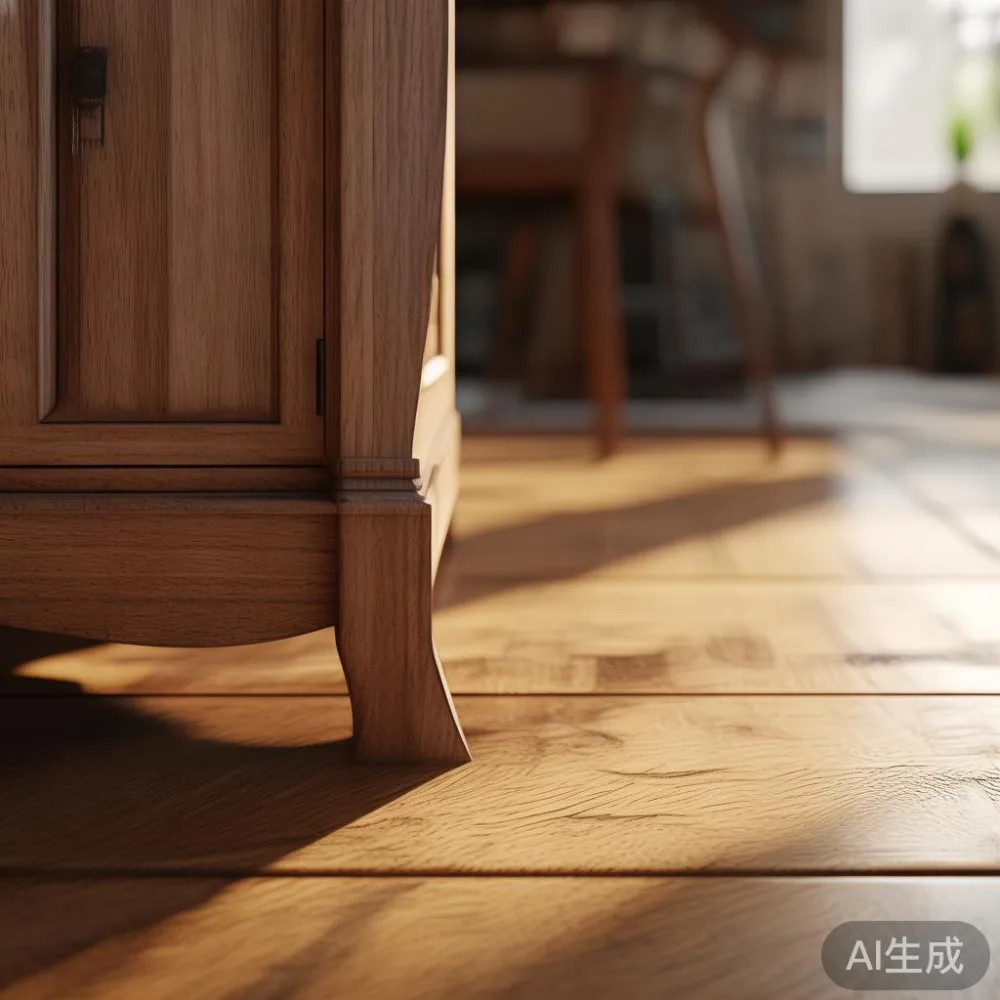
Look for corner blocks, dowels, mortise-and-tenon joints, and a seat deck that will not bow. For a solid wood sofa, the manufacturer should be able to explain how the wood frame, suspension, cushions, and upholstery are assembled. Do not treat a visible timber base as proof that the whole frame is solid wood; some products use solid timber only on visible parts and engineered board inside hidden sections.
The same due-diligence applies when comparing a bed frame or a dining table. Questions about joinery and finish should lead back to the seller’s written warranty. MIDHILL provides a 10-year structural warranty and lifetime refinishing, which gives buyers a clearer basis for long-term care than vague statements such as “built to last.”
For upholstery, request information on abrasion resistance and removable covers. If one household member has allergies, ask whether the cover can be washed and whether the foam and filling are sealed. A light-coloured linen blend can show soil quickly in a humid, busy family home; a darker, tightly woven fabric may be easier to maintain.
What should the delivery, return, and warranty terms say?
Read the quotation line by line before paying a deposit. Confirm whether delivery to the unit lobby is included, whether lift and upper-floor service carry an extra charge, and whether the quotation mentions the lift dimensions. Ask for a delivery window of 1–3 working days once the item is ready, but distinguish that from the production lead time, which may be 30–60 days for a made-to-order solid wood sofa.
Singapore orders are subject to GST. A sofa priced at SGD 4,800 before GST becomes SGD 5,424 after 9% GST. Some sellers also charge a small delivery or protection fee, so request the final payable amount rather than comparing display prices alone.
MIDHILL’s stated policy includes free shipping over US$350, 14-day returns, a 10-year structural warranty, and lifetime refinishing. International shipping thresholds do not replace clarity about local access: a shipment may arrive at the building entrance while a separate charge applies for carrying it upstairs. Written terms should identify the handover point.
Photograph the sofa on arrival. Check corners, legs, cushions, stitching, and packaging before the team leaves. If something is damaged, record it immediately and follow the claim procedure. Keep the invoice, warranty certificate, and care instructions for at least 10 years if the structural coverage runs for that period.
Can a sofa work beside a bar cabinet without making the room feel crowded?
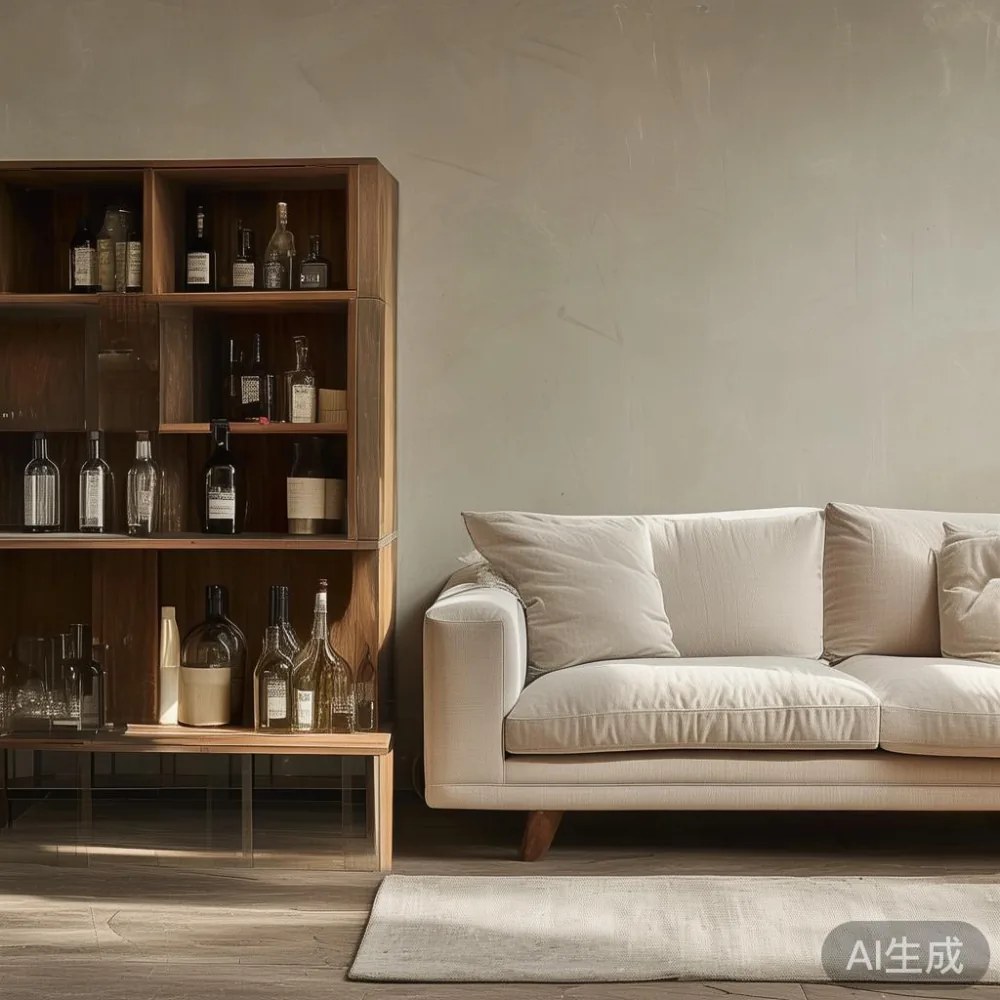
Yes, provided the plan accounts for movement and sightlines. A bar cabinet in a dining or living area often needs 75–90 cm of clear standing space, especially if it includes drawers, glass doors, or a fold-out serving section. Place the sofa at least 10–15 cm away from a wall if the frame includes a low rear rail, though manufacturer guidance should take priority.
In an open-plan HDB flat, a sofa and bar cabinet can divide the living and dining zones without a full partition. A 180–200 cm sofa facing a dining table of 160–180 cm may preserve a route of 90 cm along one side. A larger sofa can narrow the route to 65–70 cm, which feels pinched when carrying a hot drink or moving a dining chair.
For a condo, align the sofa with the bar cabinet’s horizontal lines if the furniture is meant to read as one composition. Avoid placing both heavy, dark-toned pieces side by side unless the room has enough light and floor area. A pale marble table can add visual contrast, but it requires stable protection from acidic drinks and should not be positioned where a crowded room invites accidental knocks.
The same layout discipline applies to a wardrobe and nightstand. A bedroom may have a wardrobe door that needs 90 cm of swing clearance, while a nightstand placed beside the bed should have enough surface space for a 13 cm phone and a 10 cm cup. These details show why one furniture scale should not be transferred mechanically into every room.
How can you judge craftsmanship without sitting on the showroom sofa?
Examine the sofa under and behind its cushions. Look for even stitching, aligned seams, firm corner joins, finished wood edges, and gaps that remain consistent around the frame. Flex the loose back cushions gently; excessive movement may indicate poor filling placement. Check that the feet have floor-protecting pads and can withstand Singapore’s tiled and wooden surfaces.
Ask for a fabric swatch and a finish sample. Hold the fabric against the actual wall and floor colour rather than viewing it under showroom lighting. Daylight in a Tampines flat can make a warm beige appear much lighter than it does in a neutral showroom. Consider how a pale sofa will look beside a bar cabinet with reflective glass or a marble table.
Request a written specification: width, depth, height, seat height, usable seat depth, frame material, suspension type, filling, upholstery composition, finish, warranty period, return window, and delivery scope. A credible supplier should provide these details without requiring you to infer them from a photograph.
Last month, I visited a Singapore client’s newly renovated Bedok condo with a colleague from the project team. The selected sofa looked about 15 cm too deep because the client had assessed only the showroom seat. We measured the actual sitting posture, tested a 42 cm seat height, and replaced the loose cushion with a firmer internal support. The revised sofa felt better and did not consume the planned passage beside the dining table.
The practical lesson was simple: comfort is measurable. Seat height, depth, firmness, and access dimensions matter more than a fashionable silhouette. The same client had also asked whether is American bed worth it while reviewing the bedroom layout. That is a separate product decision, and the answer still came down to dimensions, support, humidity performance, and warranty—not nationality alone.
What should a buyer ask when a style sounds more luxurious than it measures?
Ask the seller to reconcile the dimensions with the delivery route and the seated experience. If the product is described using a European light luxury style, request the full size rather than accepting “European proportions” as a measurement. A claim such as “is European light luxury wardrobe worth it” cannot replace dimensions for a wardrobe, just as a “Rustic for dining room” mood cannot determine whether a dining table fits between a sofa and a wall.
Likewise, research on a light luxury bed vs Nordic bed can help define the look, but a bed frame still needs a 5 cm installation margin, compatible room dimensions, and a mattress size that matches the frame. A MIDHILL bed should be evaluated through the same written specification and structural warranty used for a solid wood sofa. Product consistency is useful because it makes quality easier to compare.
Before payment, complete this 10-point check:
1. Compare packaged dimensions with the narrowest door, lift, corridor, and turn.2. Confirm the gross weight and whether stairs or hoisting need special arrangements.3. Sit for at least 10 minutes and test standing up.4. Check a 40–45 cm seat height and approximately 50–58 cm usable depth.5. Leave a 75–90 cm circulation route and 90–110 cm for dining-chair movement.6. Verify timber species, moisture treatment, joinery, and finish for humid conditions.7. Review cushion filling, suspension, fabric composition, and cleaning methods.8. Read the 10-year structural warranty, lifetime refinishing terms, and 14-day return conditions.9. Add GST and any local delivery charge to the final cost.10. Photograph the delivered sofa before the delivery team departs.
Light luxury should improve proportion, material quality, and everyday comfort. It should not hide weak measurements or inaccessible construction. By checking 10 concrete points and comparing the actual sofa with your actual route, you can select a piece that looks refined in a Tampines, Bedok, or Punggol home—and remains genuinely usable after it arrives.